
aqua lung

California newt / orange-bellied newt (Taricha torosa) – Big Basin State Park CA
This one knew what to do on this hot day, lounging in the cool waters of the stream.

falcon fledge time
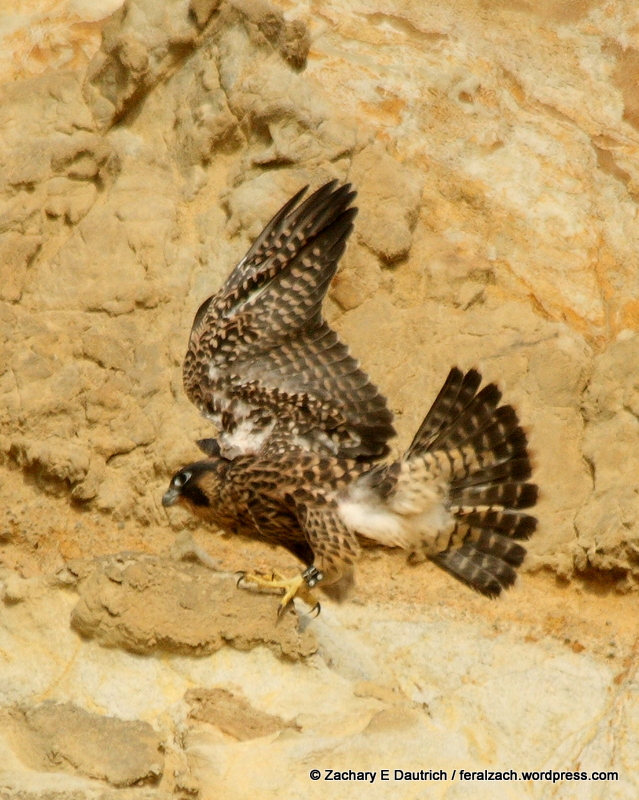
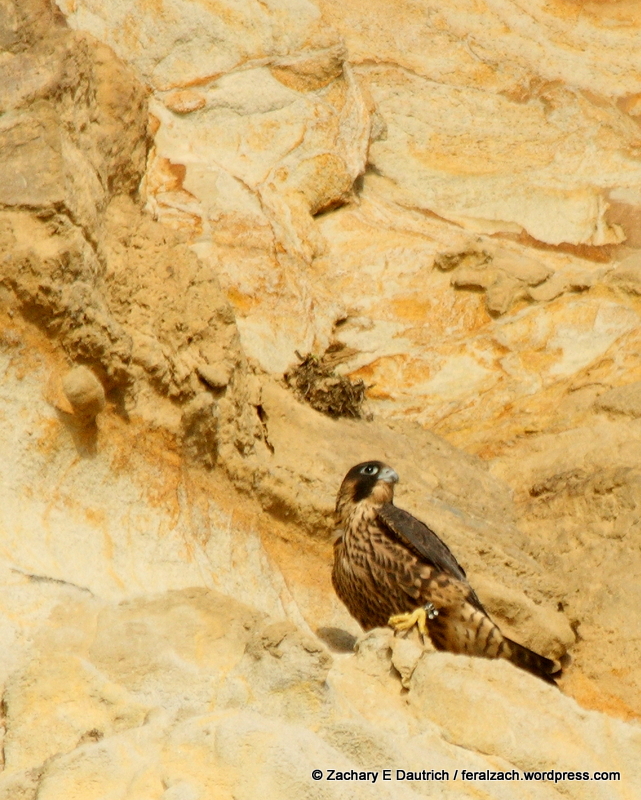
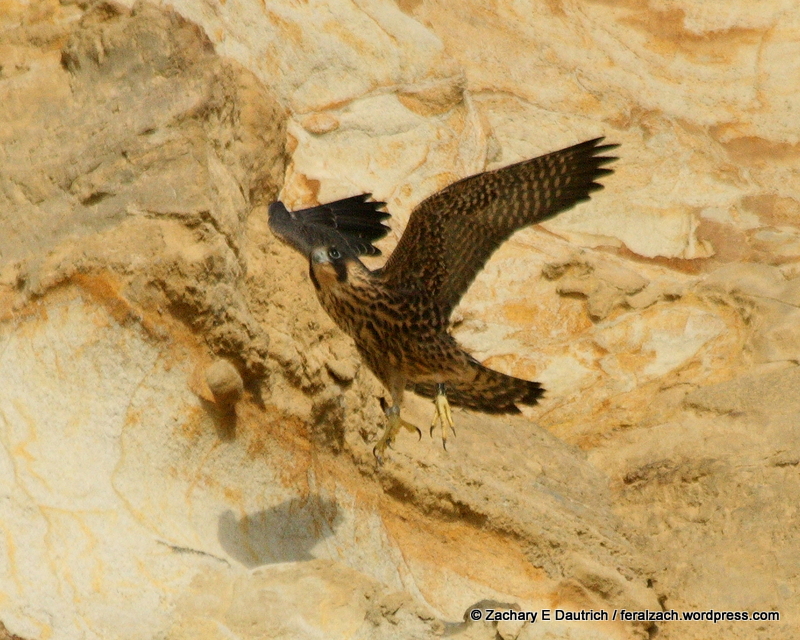
male peregrine falcon fledgling (Falco peregrinus)
All across the Bay area baby birds are taking flight, and many of the peregrine falcon nests in the region are already empty. Last week, the three peregrine falcon nestlings that are in a cliff side nest a few hours north of San Francisco were practicing their flapping when we stopped by. Tightly gripping the left-over sticks from the old raven nest that makes up their eyrie high on the cliff, they they pumped their wings as if ready to fly into the sun.
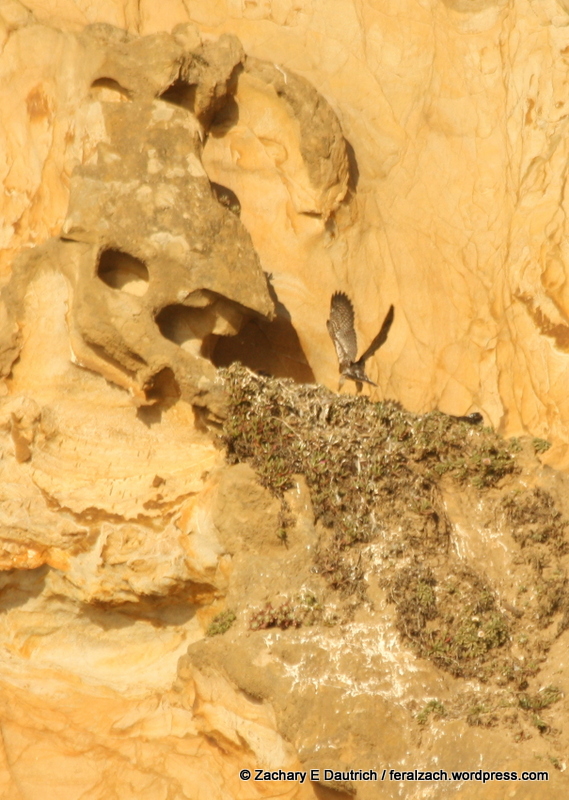
I always find it to be such a profound metaphor of our own developmental processes in life. In what ways are we flapping our wings but still clinging to the nest, afraid to let go and fly? To use our wings for their true purpose, to allow us to fly in whatever way is appropriate for the unique feathers that we each wear?
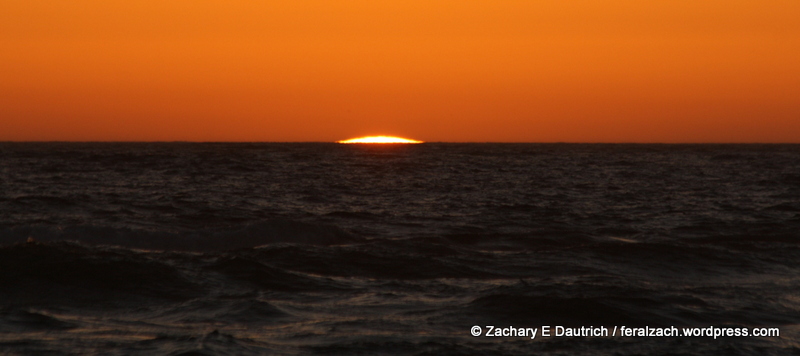
The winds were blowing hard, as they often do in that area by the ocean, but the fog was attending to its business far out at sea so we were treated to a rare sunset right into the waters as we sat with the birds and the thousands of small sand hoppers that had erupted to take over the tidal zone of the beach.
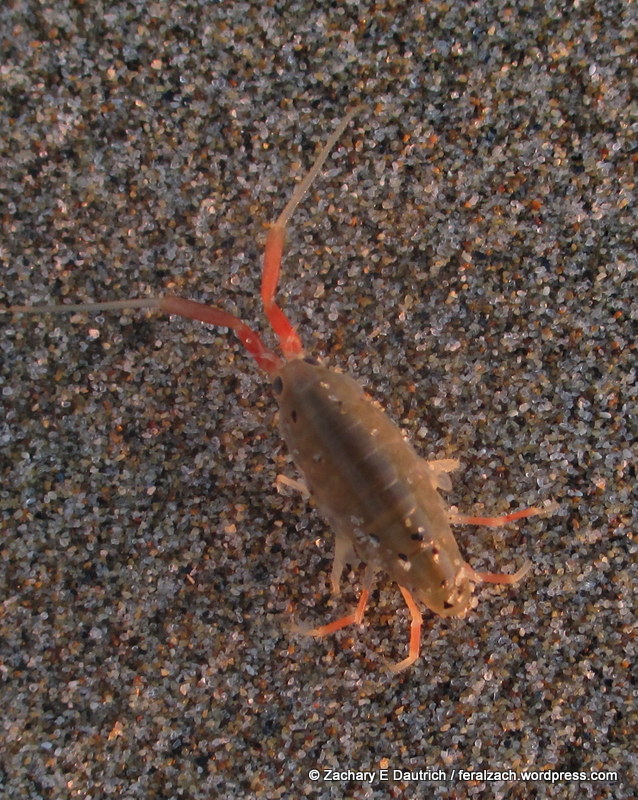
sand hopper (Talitrus saltator)
Saturday when I stopped by, one of them had fledged. I learned later that it was the male (based on his bands, the birds had been banded earlier to help track them – there is one male and two females). He had positioned himself on a nearby ridge to the north, but when the female brought food into the nest, he had a strong incentive to battle the high winds and make his way back. It’s an endearing sight to see the perseverance of this little being who is still trying to figure out how to work his own body, and I find myself cheering him on as he awkwardly makes the short journey in little flights and hops from one ridge to the next, then up the cliff face. It’s comical at times, because they are like toddlers learning to walk – and with the strong winds, it made the effort that much more challenging.
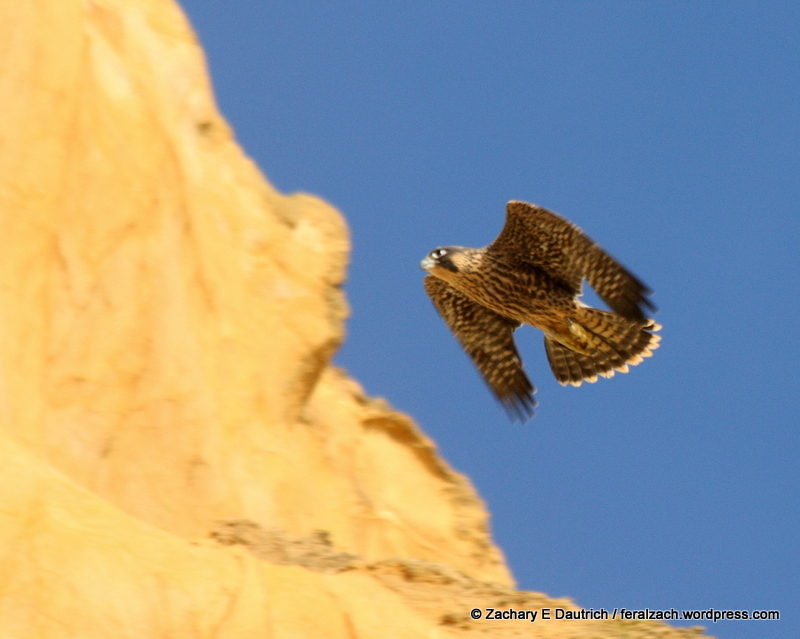
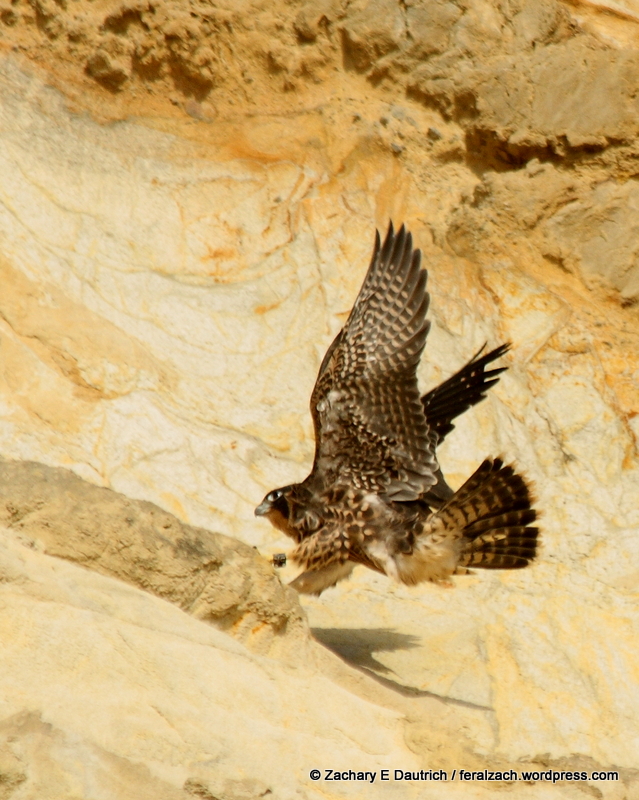
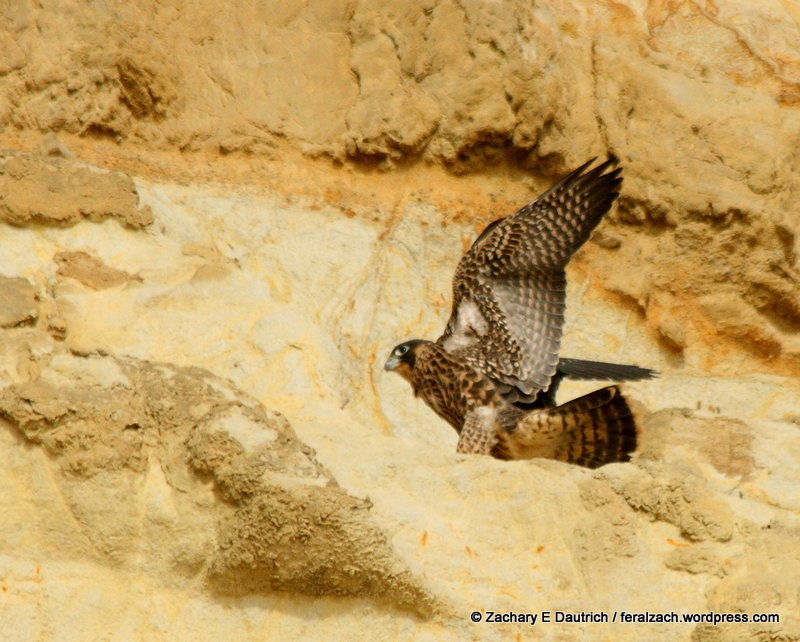
After a few stops and breaks, he finally made one last noble attempt, leaving the safety of the cliff side and doing a few circles in the air to gain some altitude to get into the nest for his final meal of the day. Just before he took off though, he seemed to gather himself in a dignified manner and assume a regal pose just before he leaped. Again, I was struck by the analogy to moments in our own lives, when we gather ourselves closely around that light inside us and recognize having the strength, courage, and belief in ourselves to make that leap. I was grateful to bear witness and share that moment with him.
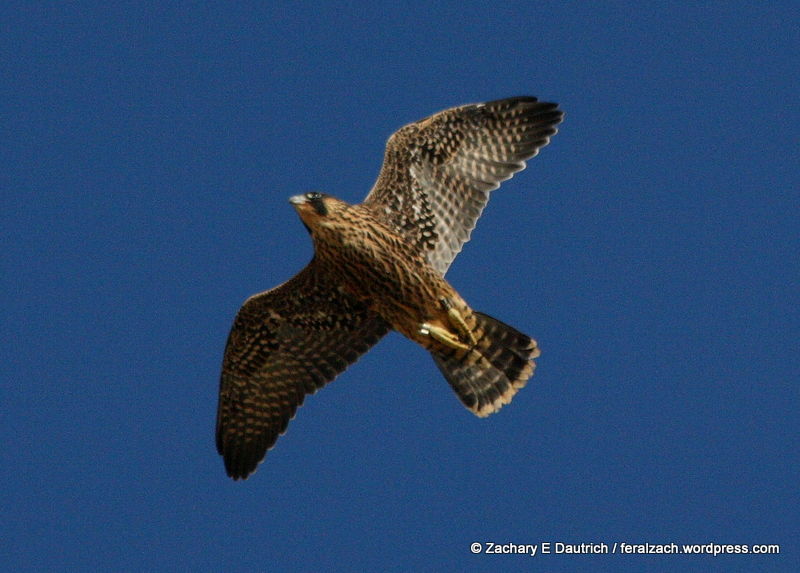
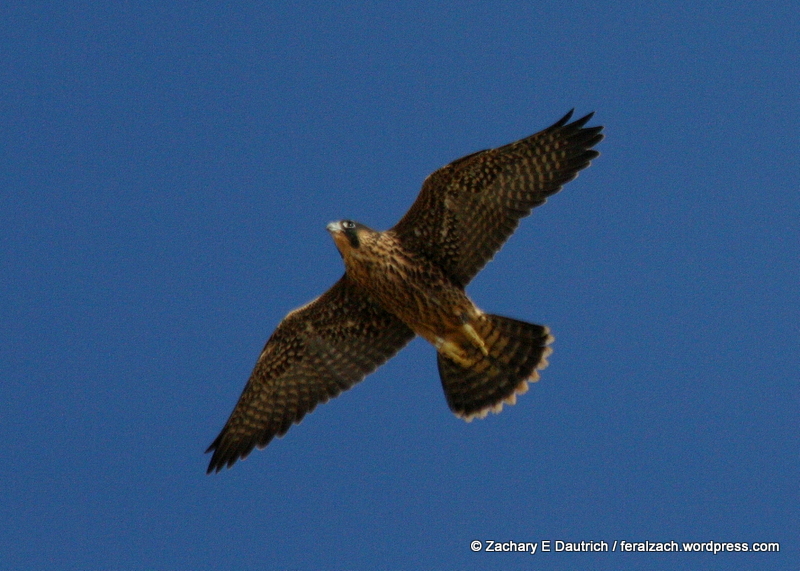
One of the adults, it looked like the female, came into the scrape to join them for dinner as I was leaving for the evening.
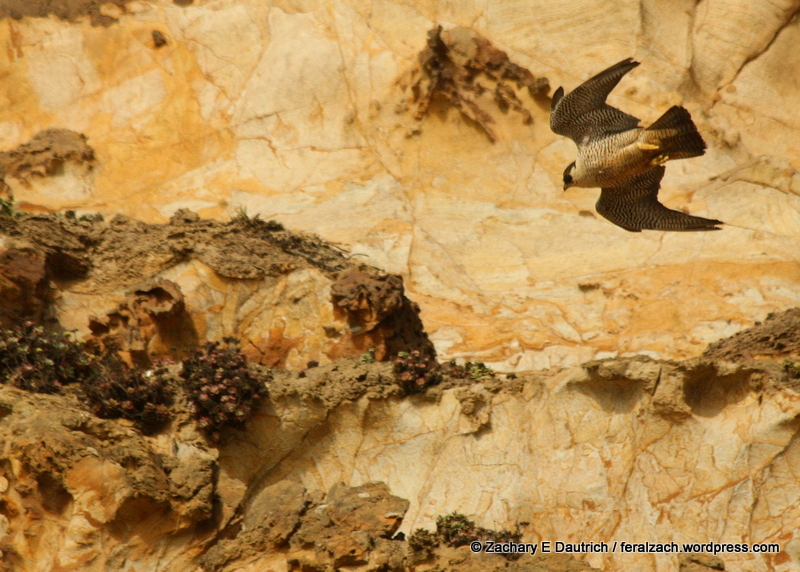
adult peregrine falcon
It’s quite a privilege and a gift to get to witness this, and to photograph it and share it is an honor.

diamonds on the coast
Sunday was a foggy day on the coast, a nice respite after an extremely hot Saturday. The winds were still and a mist hung in the air, enough to cover the ground and prompt me activate my windshield wipers as I drove on my little escape. Every plant seemed to be taking a huge breath in with this welcome moisture, and there was a glow coming from the landscape as I wandered the coast line – me taking my own big breaths and letting the salty ocean air take away the thoughts and cares that I didn’t need to carry at that moment.
The lupine put on a show, with diamond-like beads of water decorating each leaf as if set there by some sort of earth spirit jeweler.
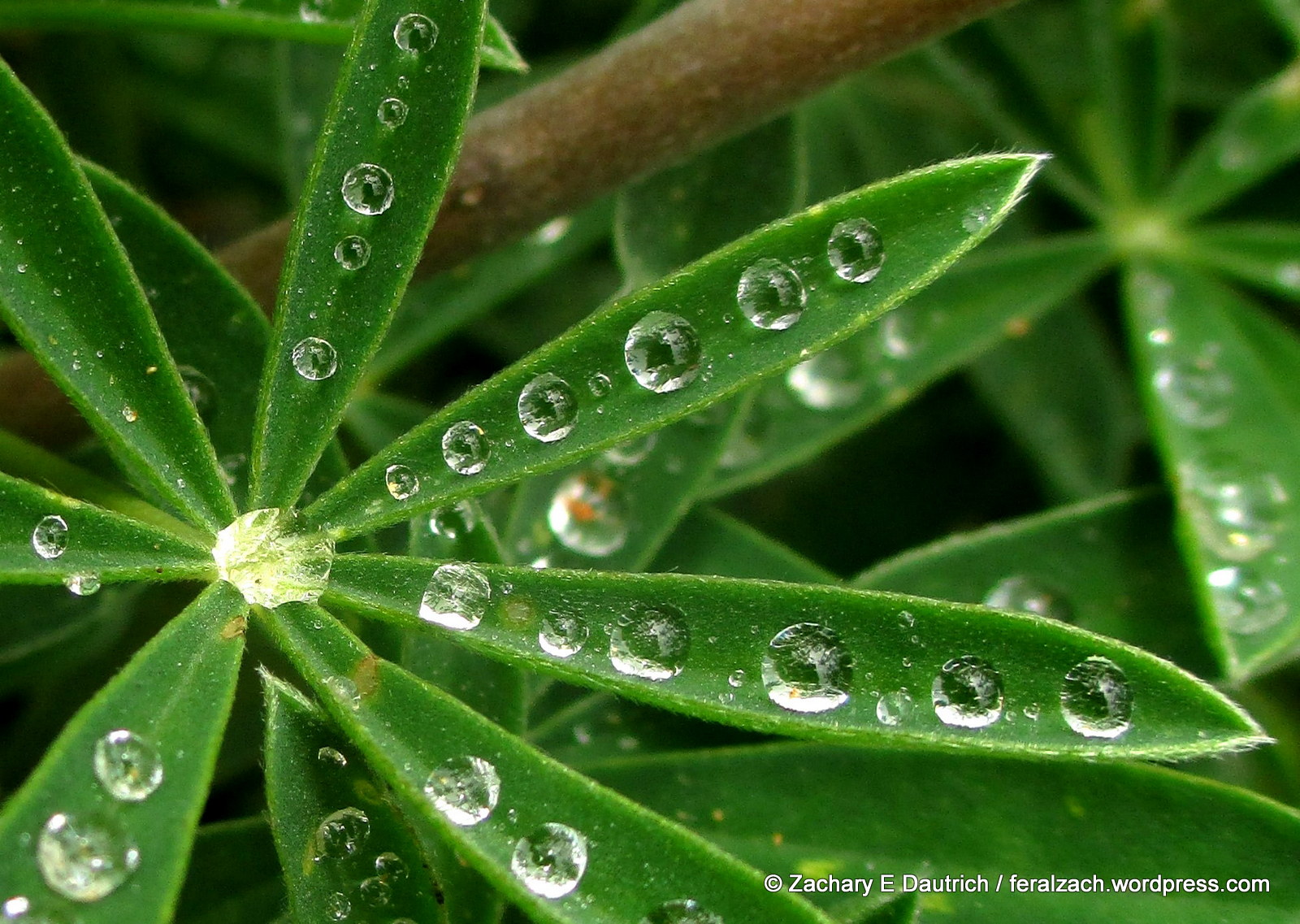
bejeweled lupine 1


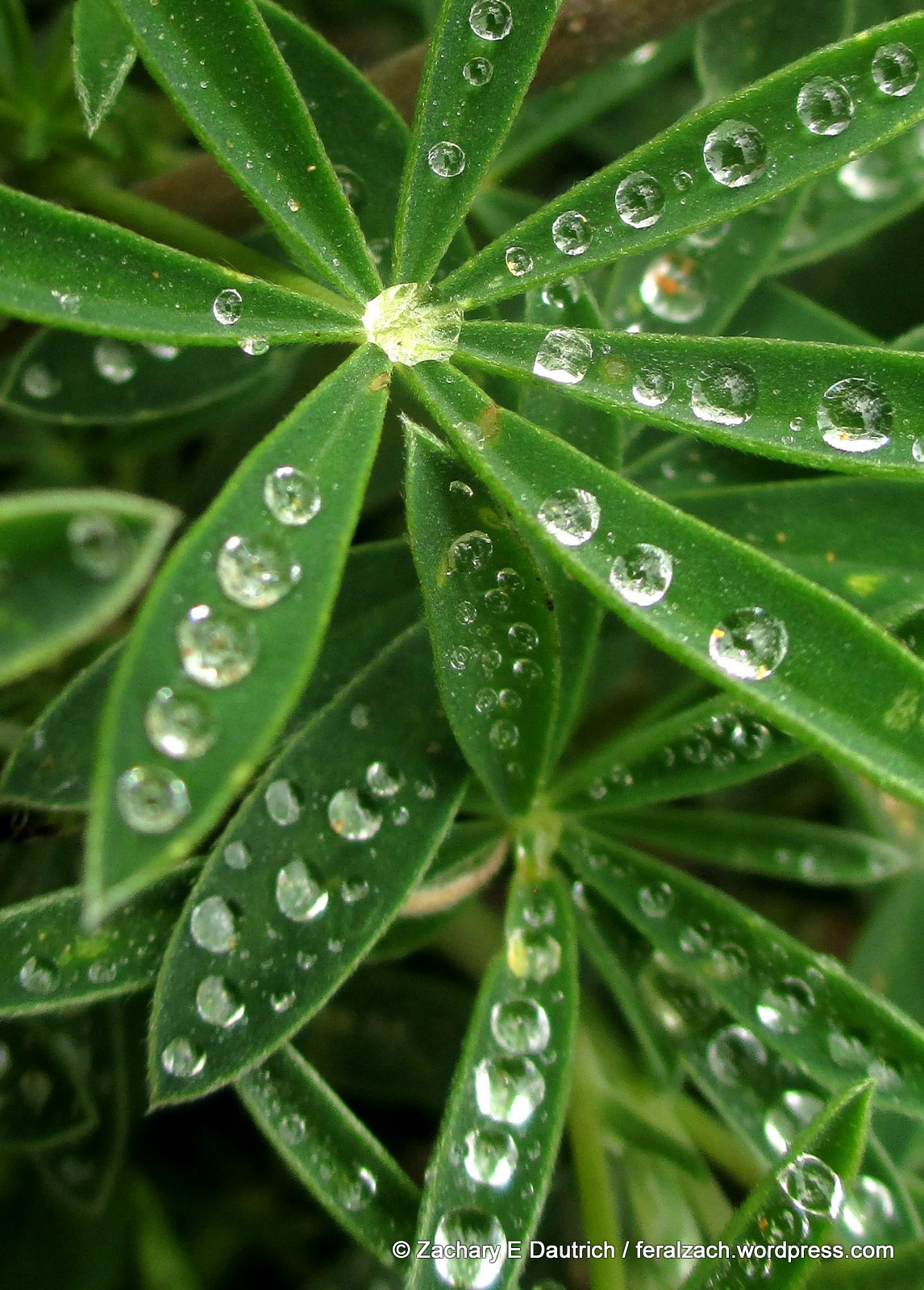
bejeweled lupine 2
soaring
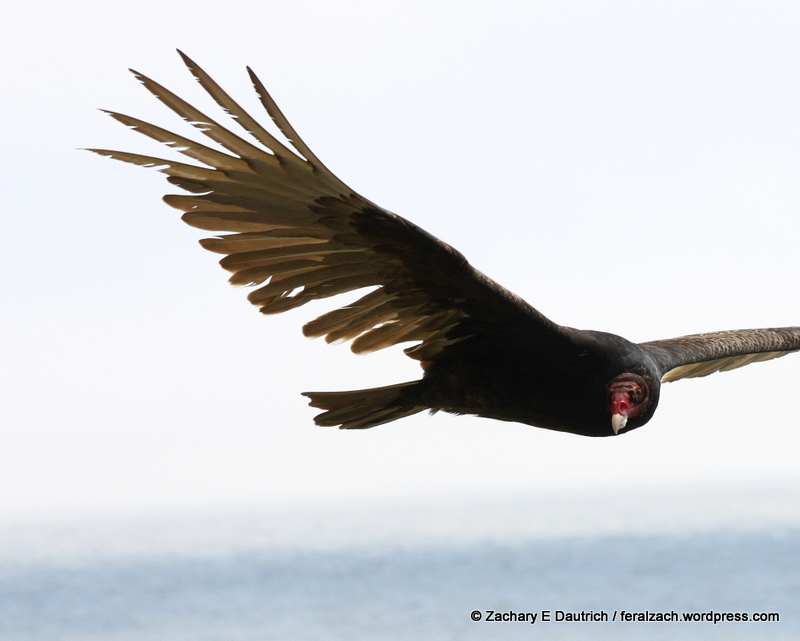
turkey vulture / Goat Rock Sonoma Coast State Park CA
waiting
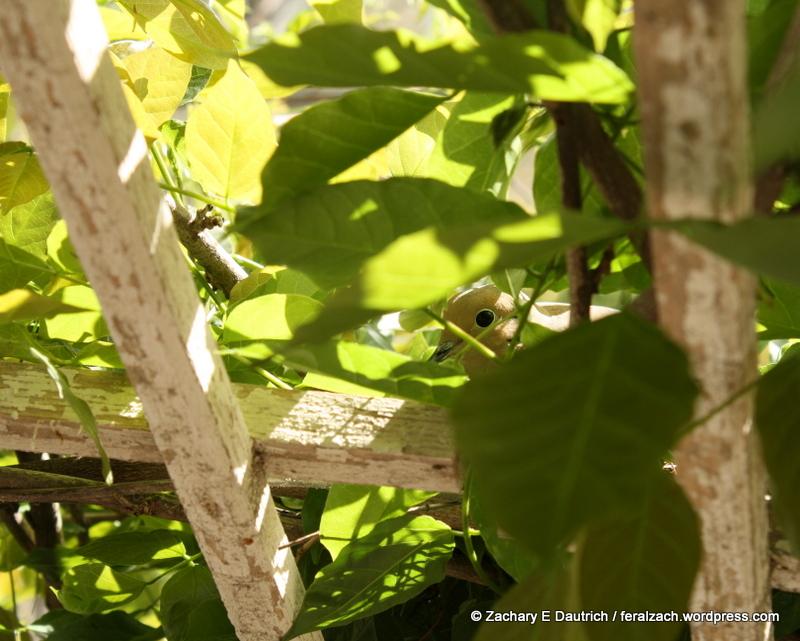
mourning dove on nest
gliding in
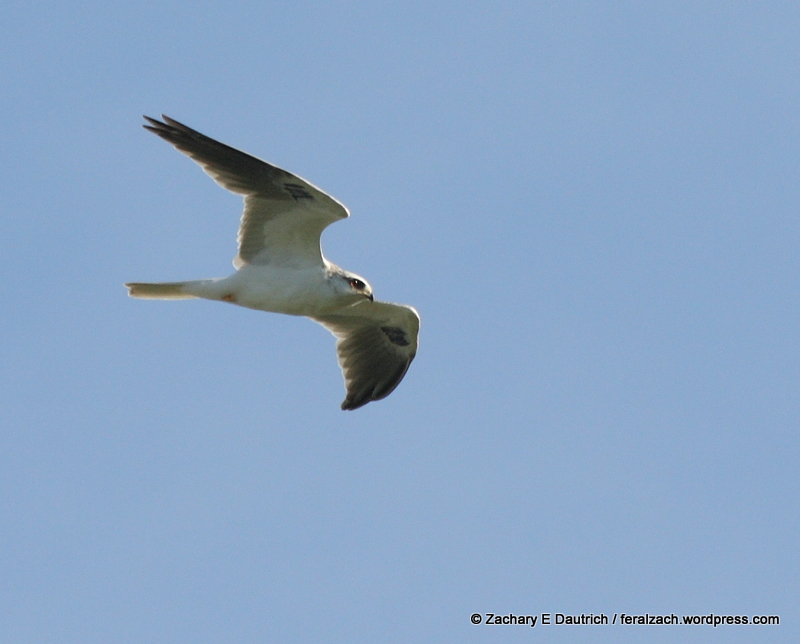
white-tailed kite


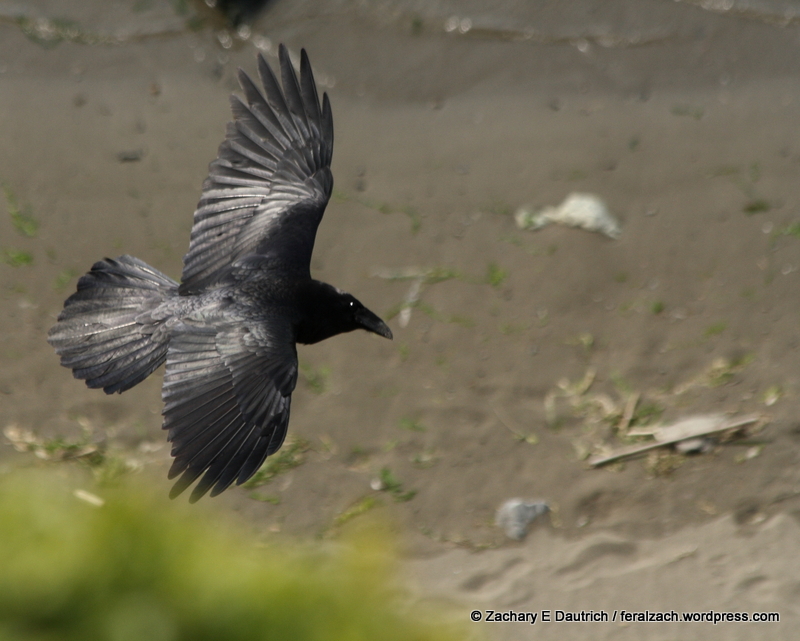


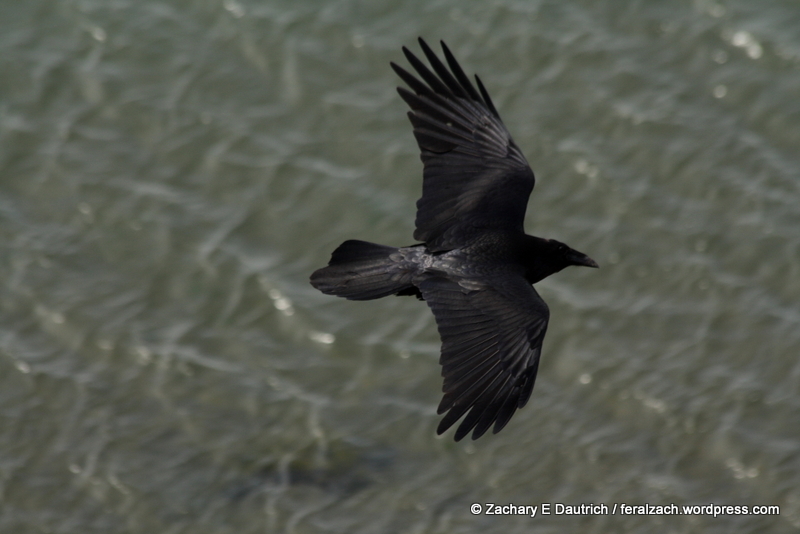
sonoma coast northern harriers

male Northern harrier / Sonoma Coast CA
On this picture you can see the owl-like facial disk that Northern harriers wear:

male Northern harrier / Sonoma Coast CA

female Northern harrier / Sonoma Coast CA
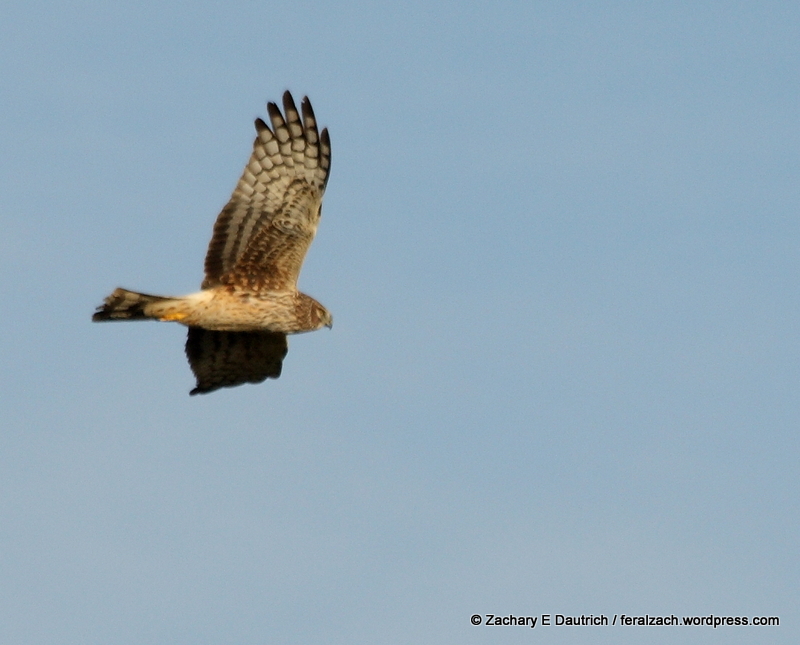
female Northern harrier / Sonoma Coast CA
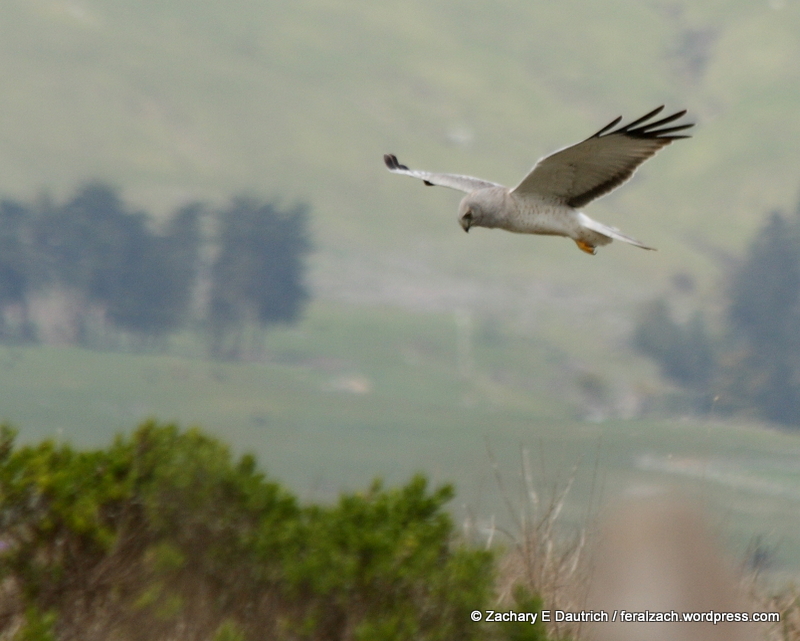
male Northern harrier / Sonoma Coast CA

male Northern harrier / Sonoma Coast CA
Northern harriers are found in open grass and marsh lands (historically called the “marsh hawk”), and they tend to fly low over the landscape in search of small mammals, insects and lizards which are one of their main sources of prey. They have a small facial disk, similar to owls, and it is believed they use this to use focus sound when hunting in the same way that it is said that owls do.
Males and females are sexually dimorphic, meaning in this case that they have very different adult plummages. Males are white and gray with black on the wingtips of the primary feathers, while females (and sub-adults) are dark brown overall with a cinnamon or pumpkin coloring on their underside (sub-adults tend to have more of a cinnamon coloring). One of their features that is helpful for in-flight ID is their white rump patch, seen on all of them. They also tend to hold their wings in a slight dihedral (v-shape), while gliding low over the ground.
Interesting, these birds nest on the ground.
They are fun to watch, as they glide over the landscape almost like butterflies teetering in the wind.
a morning of birds on the russian river

killdeer / Russian River Sonoma County CA
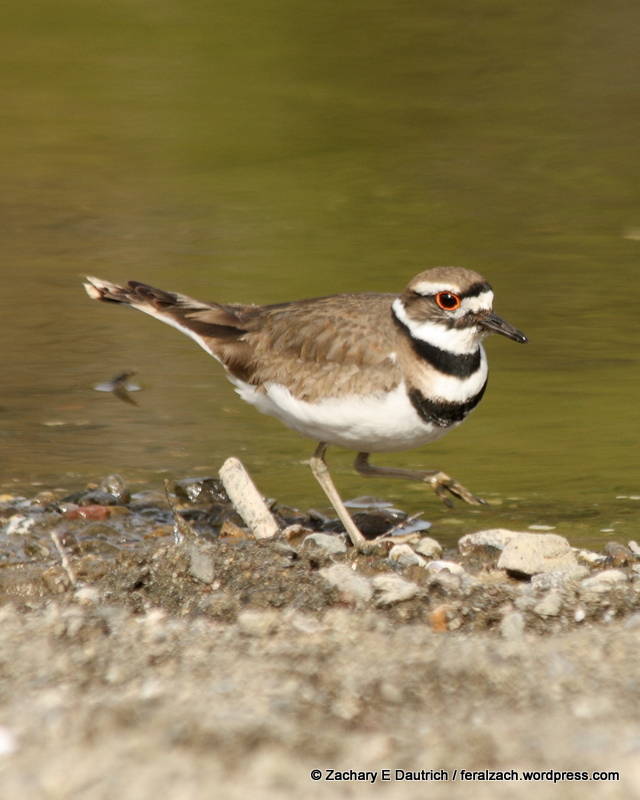
killdeer / Russian River Sonoma County CA
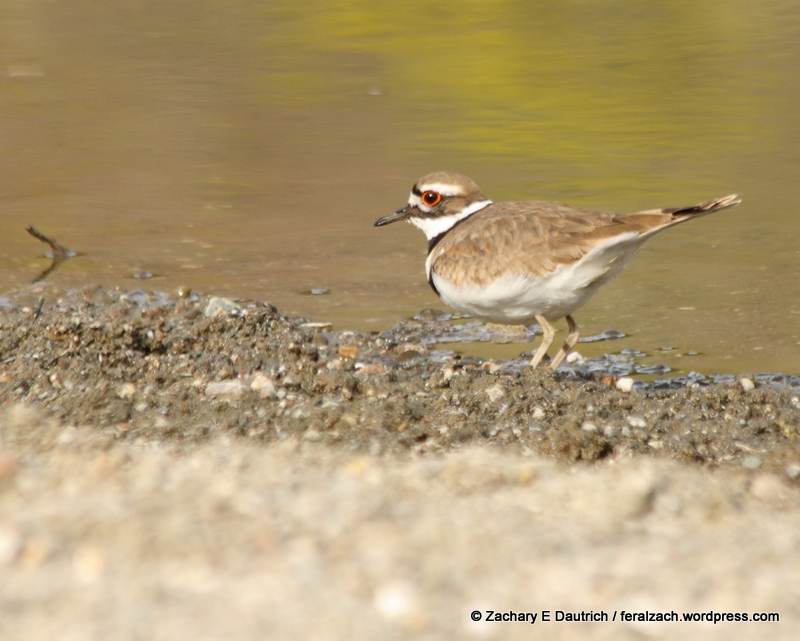
killdeer / Russian River Sonoma County CA
Want to get better at shooting birds in flight? Try practicing on tree swallows flying over a river catching insects … in poor light. Everything else becomes much easier, let me tell you! Just to remain standing and not spun around and on my face in the sand or river was a minor success.
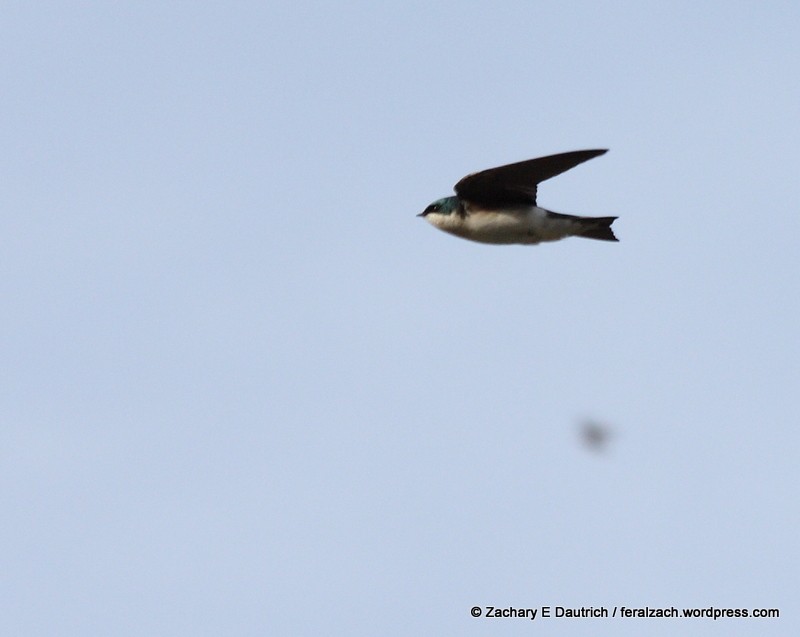
tree swallow / Russian River Sonoma County CA

tree swallow / Russian River Sonoma County CA
The osprey were out and about as well, with two or three pairs fishing and perched in the area. There are many nests around the river and out towards the coast in Sonoma County, always amazing to see these birds in action. They seemed as interested in me as I was in them …

osprey / Russian River Sonoma County CA

Watching it all unfold was a tree full of vultures, trying to warm up on a chilly and foggy West County morning on the river.

vulture roost / Russian River Sonoma County CA

turkey vulture / Russian River Sonoma County CA
wings on mount olympia
We were escorted up the mountain at Mount Diablo State Park by all the ones with wings on this hot spring day … dragon flies danced together in the sky at low elevations in the hollows of oak woodlands, then the ash-throated flycatchers seemed to encourage us on as the terrain got steeper and a bit more dense. The wild flowers were out too, along with lady bugs and copious amounts of poison oak, all along our ascent. As we approached the top, we spotted a pair of adult golden eagles who made several passes until finally floating up into the sun. Then Anise swallowtail butterflies appeared and flitted around us until we reached the summit, where there were many of them dancing around as if celebrating their own journey to the top.
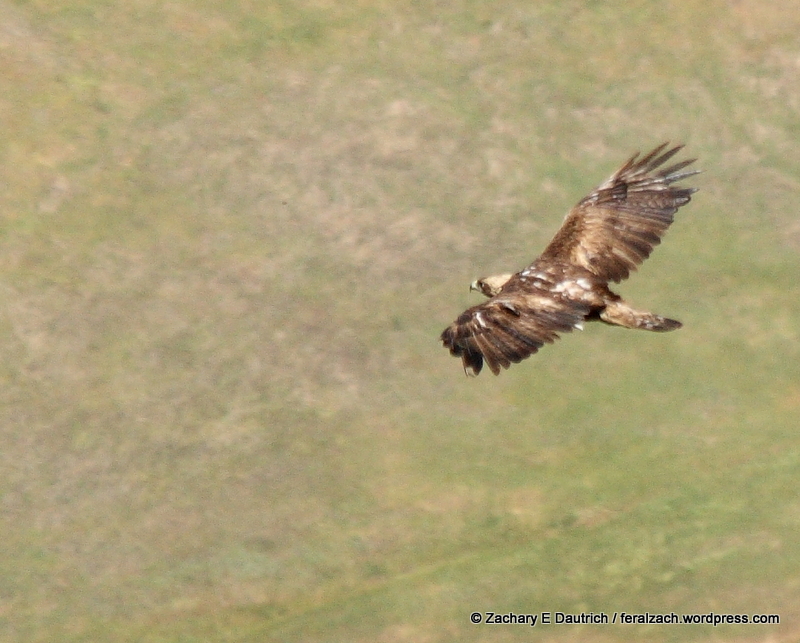
adult golden eagle / Mount Diablo State Park

ash-throated flycatcher / Mount Diablo State Park

Anise swallowtail butterfly / Mount Diablo State Park

lady bugs on lupine / Mount Diablo State Park

mount olympia summit / Mount Diablo State Park
Carquinez Strait raccoon trail
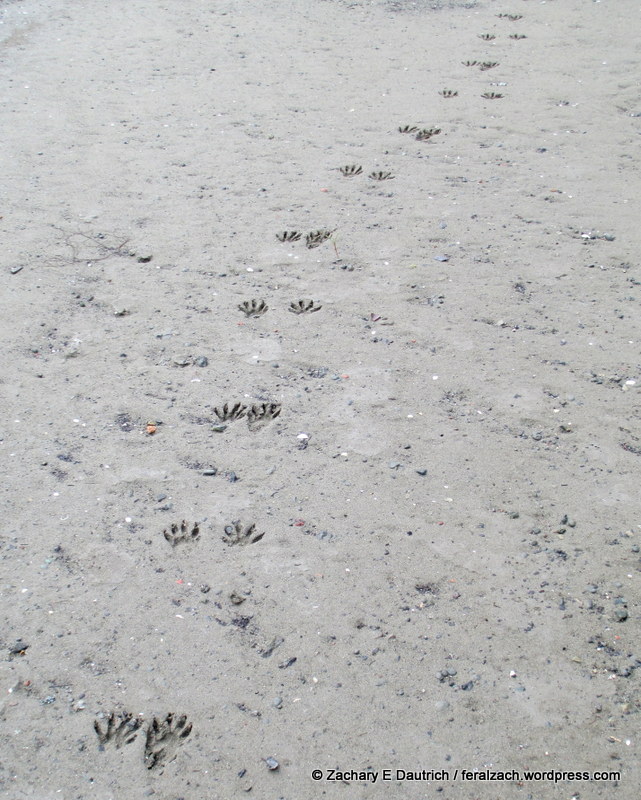
raccoon walking trail
comet PANSTARRS
It certainly wasn’t difficult trying to pass the time in hopes of getting a glimpse of the comet PANSTARRS from a vantage high above the San Francisco Bay …
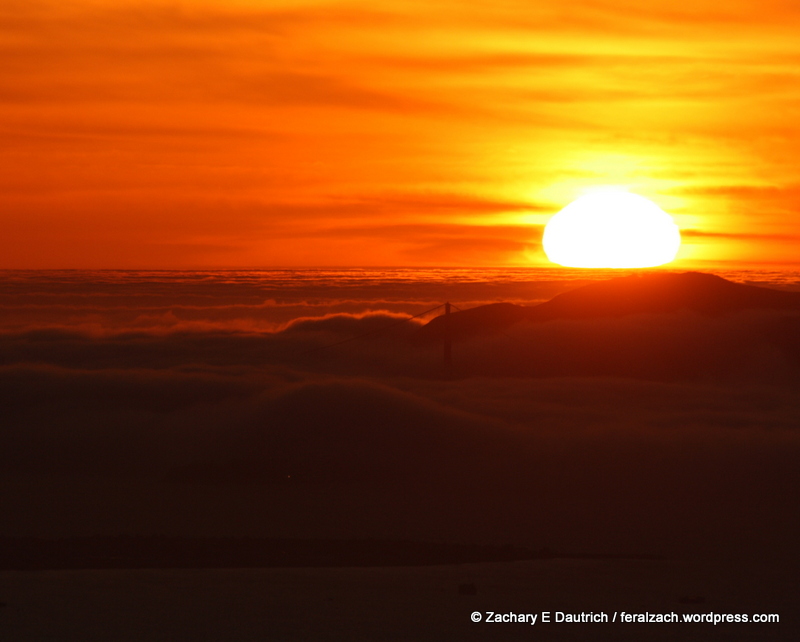
sunset over the Golden Gate bridge and Marin Headlands

sunset over the Golden Gate bridge and bay
Luckily the moon was just waxing past its new phase and therefore not too bright as to diminish the view of this dim comet, as the only chance to see it was right after sunset in the western sky for a week or so in the middle of March. Too soon after sunset and the light was too bright to see it – too late, and it would sink below the horizon, or at least into the foggy pillow that had already claimed most of the bridge.
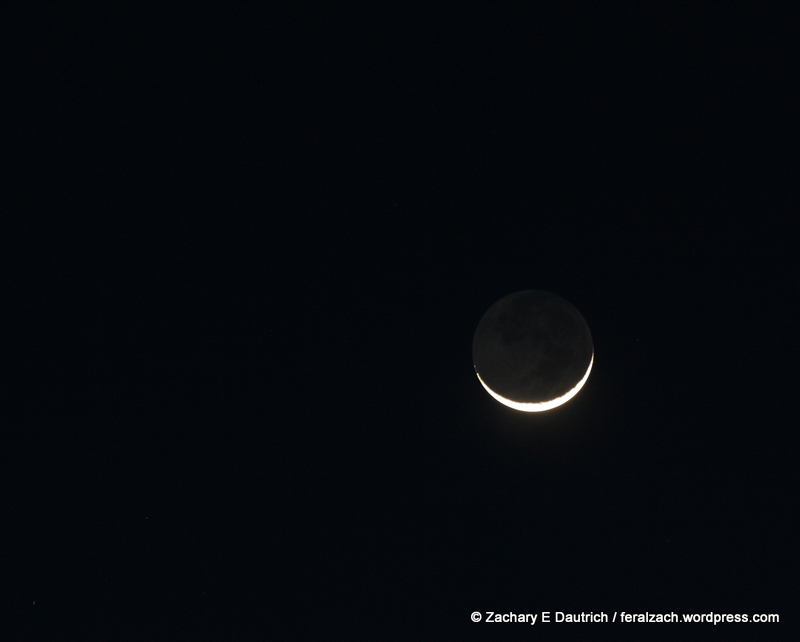
waxing moon
Finally, a few minutes to view this celestial visitor to our solar system.

comet PANSTARRS
otters and deer and other Point Reyes fun!
Any day spent in Point Reyes National Seashore is a gift, and the fact that this land is preserved is quite a gift unto itself – and a testament to the forethought and sensibility of some of our forefathers. I am so very grateful for places like this.
On this particular day, I joined several other trackers/naturalists to do some study on the landscape. As always, we saw a lot of fun things, some real-time and some emblazoned in the stories told by the traces and tracks left on the land.
As we explored the tracks and sign along the trail on our way out to the lagoons, we encountered some of the residents for which we usually only see their sign … river otters! As I mentioned in an earlier post, any day with otters is a good day, as far as I’m concerned. Unless they’re chewing my tires or something (thankfully, this has not happened to date). Everything they do seems to be fun. Probably anthropomorphic, but c’mon! There is a fun vibe to many of their antics. Don’t deny it any of you rigid science folk!! Of which I am one, so easy now.
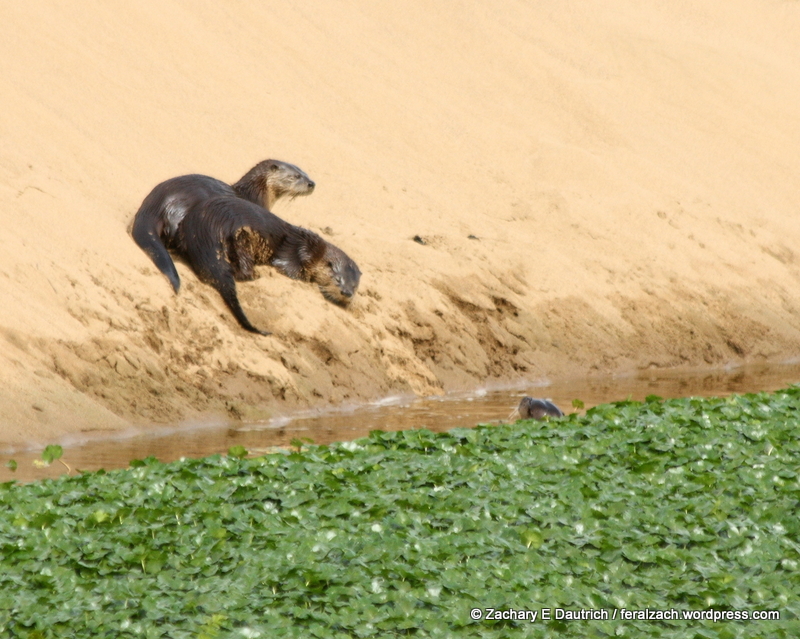
river otters
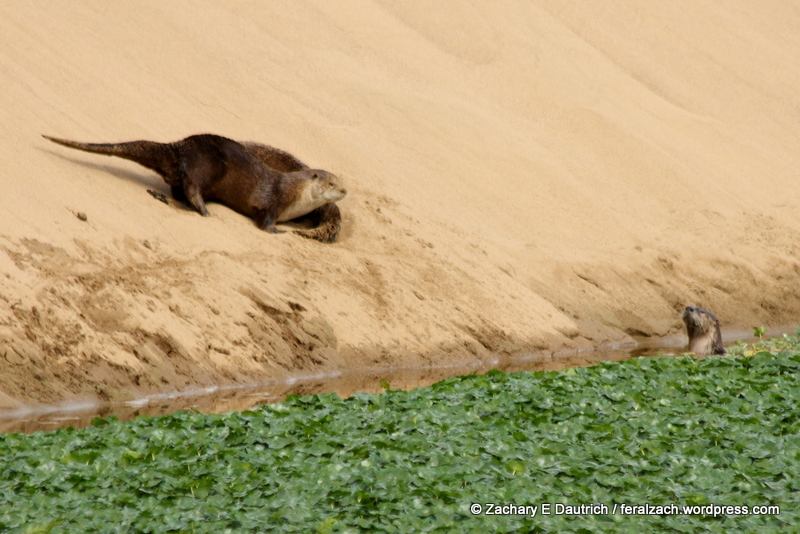
river otters
After a great morning of tracking and learning, the group split up – I stayed out and saw lots of brush rabbit, mice and deer sign in the maze of trails in the dune grasses as I explored. Once I made my way out onto the beach, the waves were BIG but much of the sand slate was washed clean of tracks from the last tide. Still, there were some coyote trails along the dune grass / beach interface, and a lot more brush rabbit and plover(?) sign as well. I didn’t see one skunk track the entire time – interesting, because a month ago the dunes were covered with skunk trails (see my January post here).
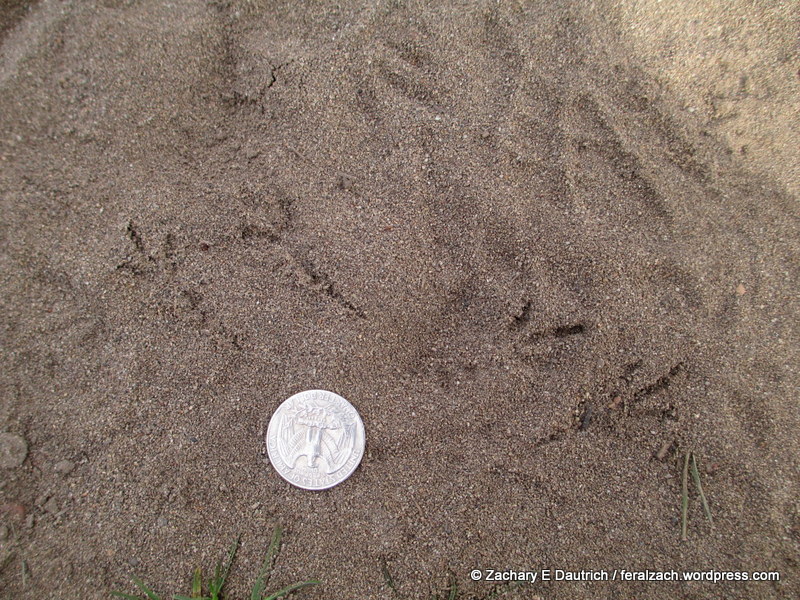
white-crowned sparrow tracks (?)

brush rabbit tracks
At one point, I ended up stalking two deer on top of a bare hilltop above the dunes. I had seen the deer an hour previous, as I wandered below under their watchful eye, and was surprised to still find them there when I inadvertently found myself by them on the hill top. As a general rule I make a hefty effort to be unseen to any wildlife that I observe or photograph. But sometimes, as with the case with deer who are somewhat accustomed to seeing people in their areas, I’ll have some respectful fun. In addition to being just really fun to attempt to get close to them, it was a revealing close-up look at how they sense threats and movement. At one point I was about 10 or 15 feet from the younger of the two deer – after stalking within 20-25 feet, they got comfortable and actually moved towards me.

young black-tailed mule deer

young black-tailed mule deer
“Hey, was that flannel shirt, with a human in it, laying there on the ground this whole time?”
(five minute pause and stare)
“Uhh, I guess so I don’t know – look at this yummy grass though! It hasn’t moved so let’s keep eating.”
(munch munch)
They kept browsing for a long while, and I was so close I could hear them chewing, with the backdrop of crashing waves for a bass line. Finally after a period of time the adult female laid down with her back to me, surveying the dunes below her, so I rolled down the backside of the hill (literally – a fun exit strategy!) and let them be (resisting the temptation to get closer – ooo, to touch one! someday …). Interestingly, during the whole experience they seemed most alarmed by my backpack as they approached me, which was sitting 30 feet behind me and sitting upright as I crawled on the ground. They were very curious about me and the backpack, but after a period of evaluation, from a close distance, they seemed to discount me as either a threat or anything other than a rock or leftover human gear.
I’ve also experienced that same sentiment in the past from girls at a bar, interestingly.

young black-tailed mule deer
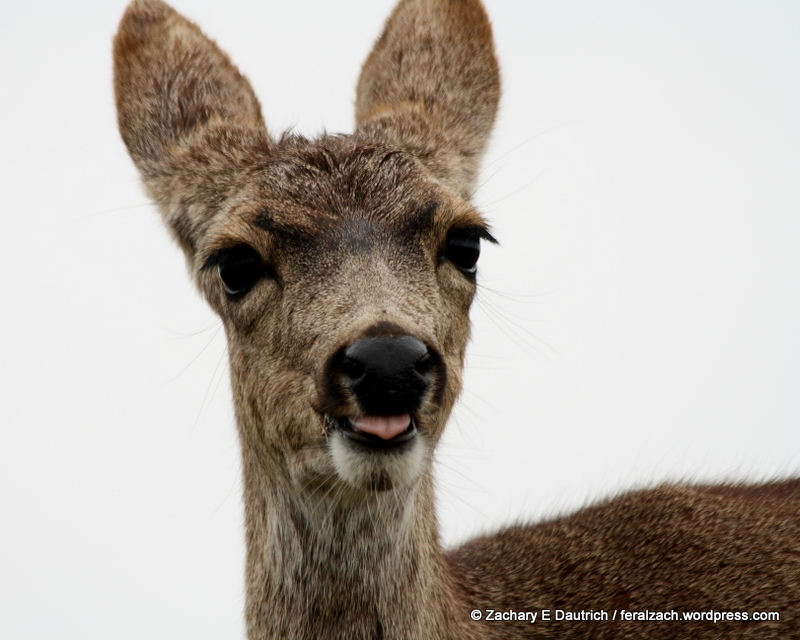
young black-tailed mule deer
A great day out at Point Reyes.
Special thanks to John Brossard for facilitating a great morning – check out some of his classes at this link.
urban otters
After finding myself in Walnut Creek with some hours of free daylight last week, I opted to wander a bit around a city park when I found out that some river otters from the Sacramento River had been frequenting two of the ponds there. I typically would have sought more calm and quiet at nearby Mount Diablo, but I had to brave the people to investigate. What is absolutely fascinating about this is the fact that the river is probably six miles away! How did they get here? Otters can travel long distances over land, but much of the land between the river and the ponds is densely developed by humans. There is however an irrigation canal (which occasionally runs through some riparian zones, but is generally just a concrete canal) that connects the two areas, but it’s a long swim.
My efforts paid off almost immediately. It was as if my coming was announced – upon walking up to a break in the tule reeds at the edge of the pond, I saw a form break the surface of the water with a backdrop of the setting sun. It was an otter! We checked each other out for a minute or so, then we continued on our ways after our formal hello. Photographs were prohibited by the lighting, and just seemed inappropriate at the time – though I did take one through the tules after our greeting ended. Any interaction with an otter always leaves me with a big smile on my face – they seem to have fun in every moment.
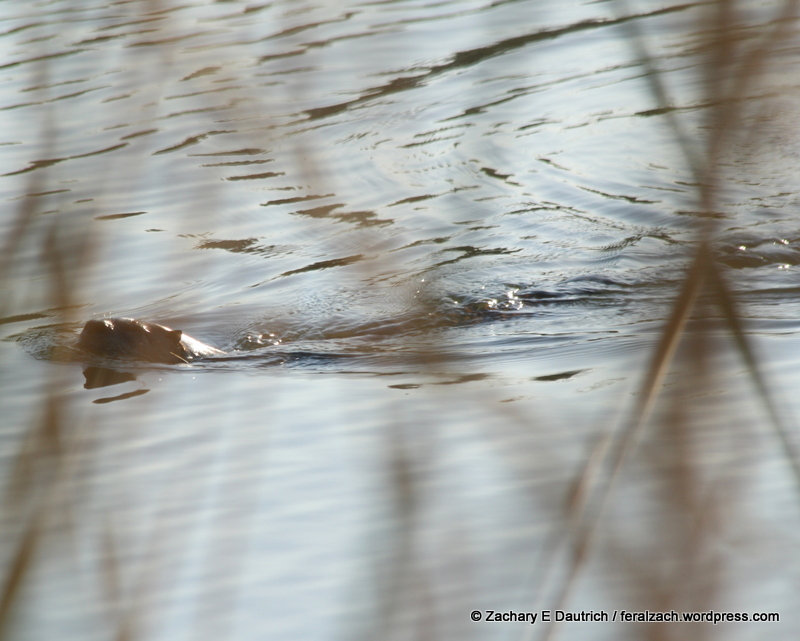
North American river otter
I thought it was an odd comment when, in an effort to learn more about the otters, I struck up a conversation with a local woman who reported her friend had seen a beaver here. I’ve learned to expect the unexpected when it comes to mother nature, but a beaver in that pond would have been like a mountain lion in downtown Berkeley. Oh wait, that happened! Regardless, it seems highly improbable.
After circling around the pond looking for otters and otter sign, I was initially duped when I saw another head pop out of the water – it wasn’t an otter. Was it the mysterious city pond beaver?! No – but it was a very busy muskrat! It was doing laps across the pond, and at one point it popped up onto the surface of the water right in front of me, conveniently when my vantage point allowed for full use of the ideal lighting for a picture. Perhaps it was looking for some of the spotlight since the otters were getting so much attention – muskrat public relations. Being close enough to see its tail undulate behind it for locomotion is fun to watch – it is its main source of propulsion which is uses with some help from its semi-webbed rear feet. The tail evolved to be flattened in the vertical direction and covered with scales, which makes it ideal for this use.

muskrat
So what would cause otters to move down this way into an urban environment? And stay? A search for new territories is likely. More and more otters are being spotted around the Bay Area, so their range is expanding. Just a few weeks ago it was reported that a river otter had taken up residence in the Sutro Baths in San Francisco! And since they stock the one pond here with fish, I imagine the otters are hesitant to leave with such an easy food source available. There is an island in the northern pond that is inaccessible by people, and though it’s not big, it is probably just enough space so they don’t feel threatened.
Despite there being at least three otters at times reported living there, I have a feeling there are a lot of “otter” and “beaver” sighting there that are actually muskrat – an easy mistake for the untrained eye. I’m just happy people are taking time to appreciate these amazing creatures and engage their own curiosity and wonder in a way that is respectful to the animals, land and other users of the shared space.
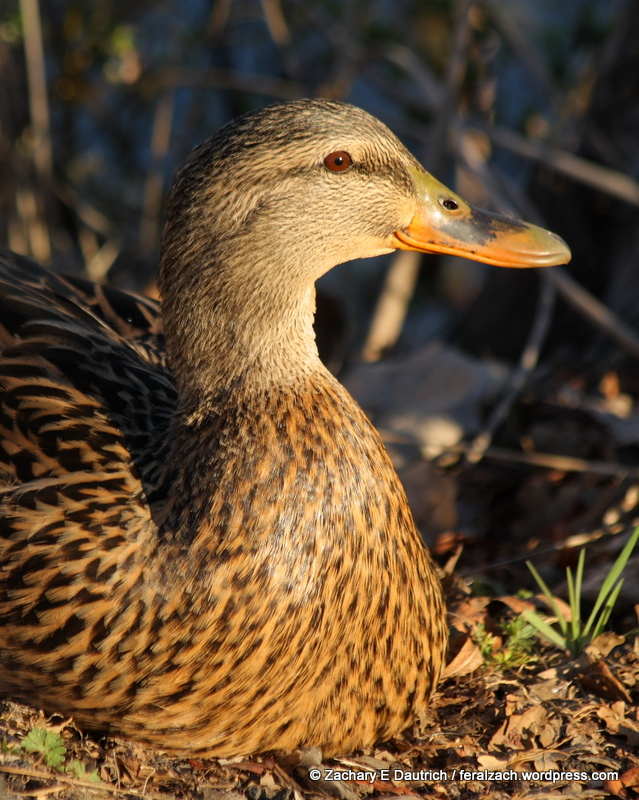
mallard duck

mallard duck
skulls

Remains from a great-horned owl pellet laid out on a piece of redwood bark – broad-footed mole skull (Scapanus latimanus) and a passerine bird skull of some type (perching bird).
hatched!
Earlier this week we saw a little beak protruding up from the Anna’s hummingbird nest that I shared a couple of weeks ago …
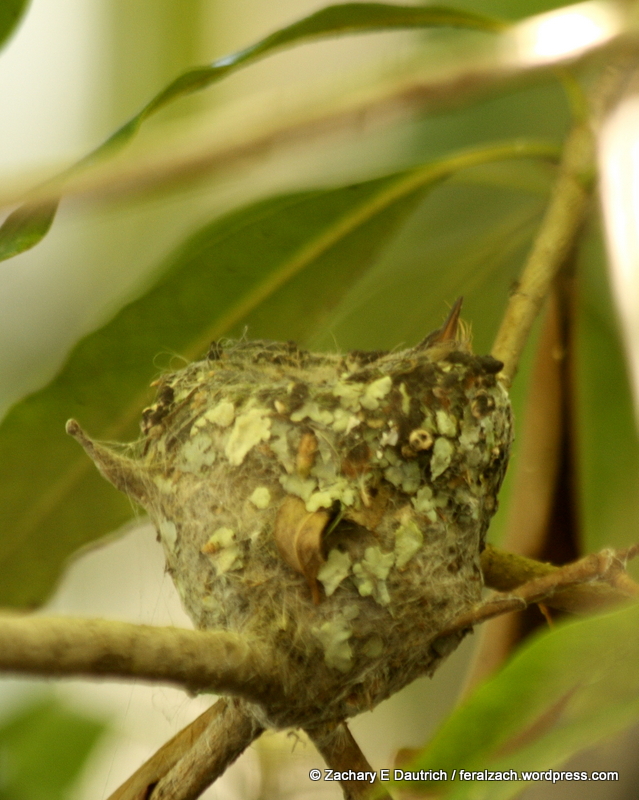
Anna’s hummingbird nest and hatchling
This lone hatchling seems strong and is getting big quickly – they only stay in the nest for 20 days!
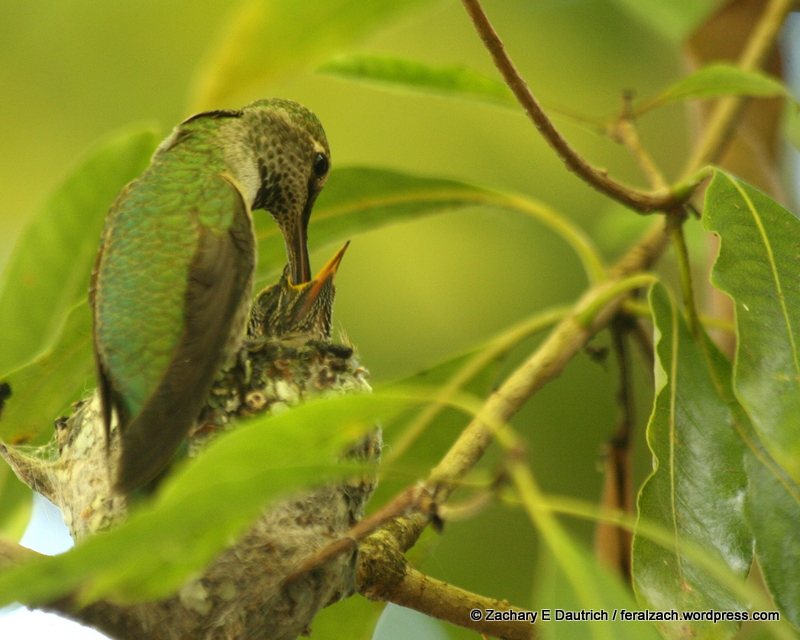
feeding time / Anna’s hummingbirds

ferry point herring run
Evidently I was late to the party Sunday, but for almost two weeks there was a huge herring run at Ferry Point on Pt. Richmond. It attracted large numbers of gulls (in the thousands) – including some rare species – as well as sea lions, seals, other shore birds and humans with their cameras and fishing boats. I was a day too late! The fish come in every year to reproduce and lay their eggs. Many end up as dinner for the creatures listed above.
Despite being late for the climax, I was however able to see some of the left-over roe (eggs) that hadn’t been eaten and were attached to sea weed and other vegetation exposed at the low tide when I was there. I’ll have to wait for next year to catch the action.

herring roe

herring roe
In Europe these fish are known as “silver of the sea” because of their long-standing role in the economies of many cultures there, and they continue to be a staple source of food that humans harvest from the sea and many animals depend upon them as part of their survival.
As I left I saw a beautiful quarter-moon with Jupiter shining right by it.

quarter moon and jupiter
 feralzach