
2016 Oct black vulture in Sonoma Co!!
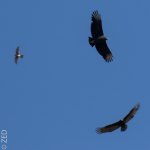
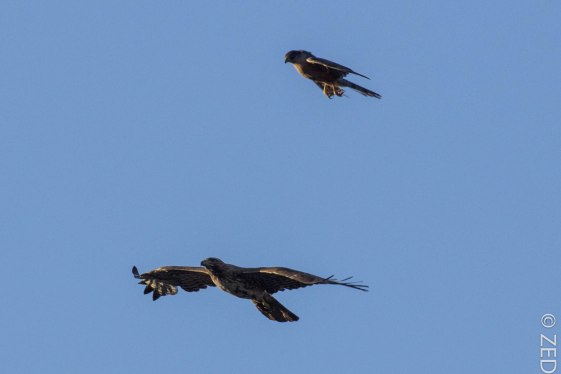
 black vulture (top right), turkey vulture (bottom right, slightly in the distance), and kestrel / Bodega Bay * Sonoma County CA
Black vultures are a rare visitor here on the West Coast, more typically found in the American Southeast and South, and in Mexico. We are in the middle of the migration right now, so you never know what might show up. Though this bird must have taken a wrong turn around Tennessee. We spotted it in a small kettle that had a couple turkey vultures and an American kestrel (small falcon).
Research at this time indicates that this type of vulture finds its food by site (similar to many African vultures), as opposed to the turkey vulture, more common here in CA, which uses its sense of smell to find food. Though they are both considered vultures with dark bodies and bald heads, but you can see that the black vulture has a distinctive wing shape and short tail, combined with a dark head and dark flight feathers that make it easy to differentiate from a turkey vulture. Turkey vultures also have a silvery hue to the underside of their flight feathers, the adults have red heads, and they have slightly different flight styles as well. Very different builds on these birds, and it’s reflected in the way they soar and fly (turkey vulture has a slight “v” when it flies as viewed from head-on, and it tends to rock back and forth more – a less steady looking soar). Often it’s easiest to ID a bird at a distance based on a sillhouette and how it flies.
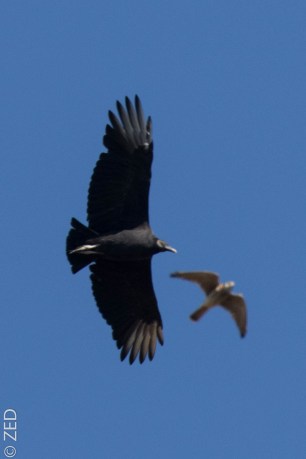 black vulture and kestrel
 black vulture and kestrel

20161013 calm before the storm
 juvenile Great-Horned Owl / Wildcat Canyon Regional Park * Richmond, CA
 almost-full-Moon and Red-Tailed Hawk hunting late / Wildcat Canyon Regional Park * Richmond, CA
Probably the last of this waxing moon we’ll see this month, due to the coming storm. Beautiful night.
20160926 coyote
 coyote / Pt Reyes National Seashore CA
20160926 elk
It’s that time of year again – the elk rut is in full effect. The bulls are gathering their harems and bugling, it’s always an impress sight and amazing to hear!
 bull elk / Pt Reyes National Seashore CA
20160922 backyard boyds
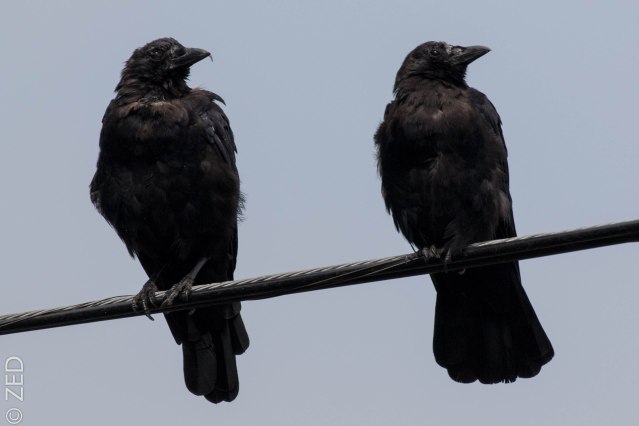 crow bros
 bushtit (yes, that’s it’s name) – one of my favorites, and not just because of their name; when these tiny little birds come through in their flocks, it always brings a smile to my face
 red-breasted nuthatch
 anna’s hummingbird
 western scrub jay
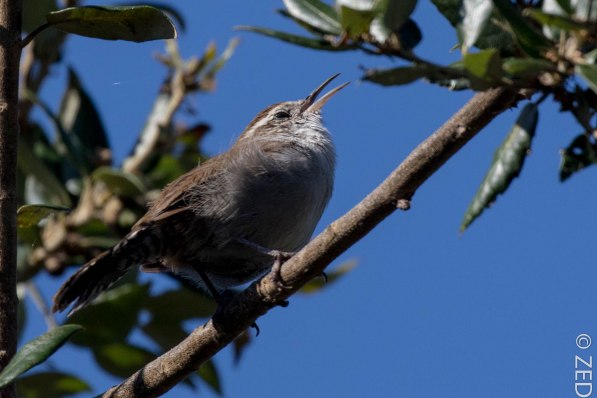 bewick’s wren singing!
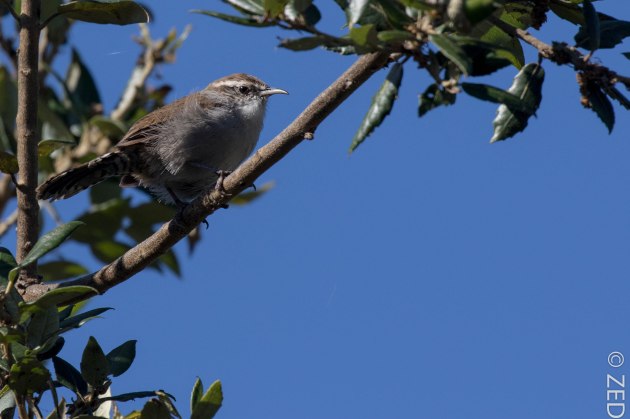
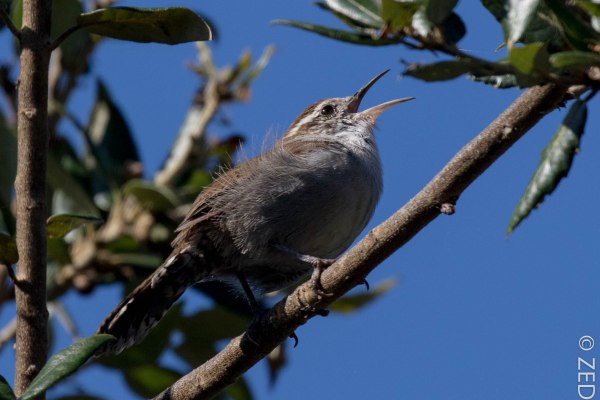
some of these birds are molting, so they are looking a little ragged – but still beautiful
20160916 sunset and full moon rise
Epic evening of no winds and clear skies (rare this summer here!)
The sun set almost directly behind Mt Tamalpais from this vantage, and the full moon rose exactly in between the two peaks of Mt Diablo to the East.
epic

owl
when you see this wild eye, it can’t be anything else but what it is … and it is beautiful
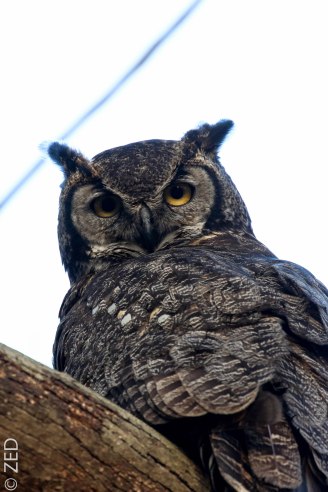
great-horned owl (adult female) / contra costa county CA
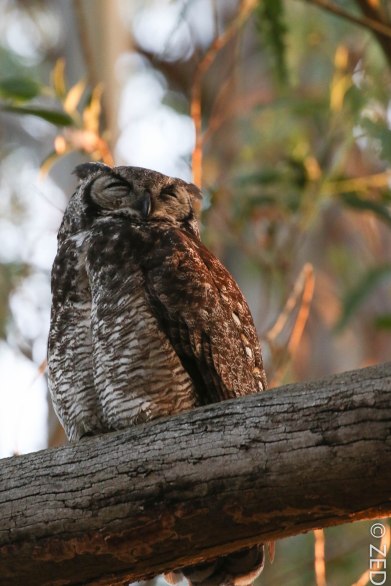
last nap before the night
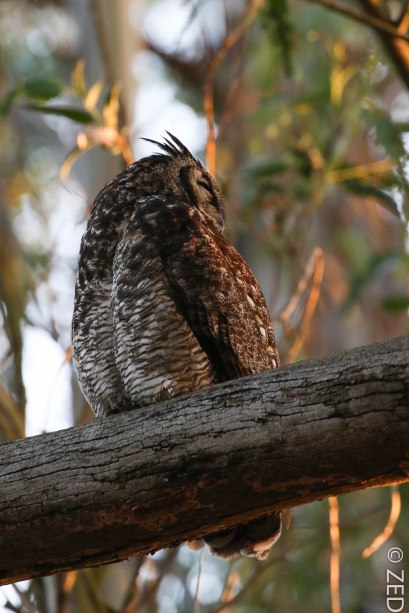
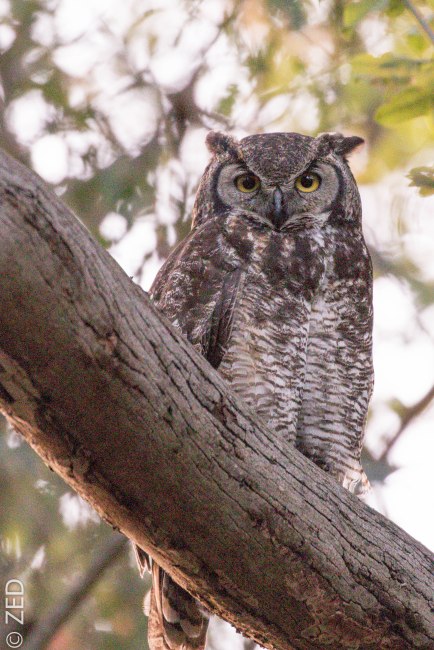
This pair has been around for a number of years – why no young? Theories to come …


the showdown
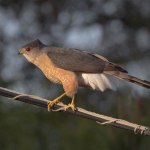
As I was winding down my day while traveling in southern CA recently, I had the pleasure of watching a showdown between a juvenile red-tailed hawk and an adult Cooper’s hawk (likely a female). When I got back to the house where I was staying, I noticed the juvenile red-tailed hawk perched in a relaxed manner on the peak of the house next door, watching the sun go down.
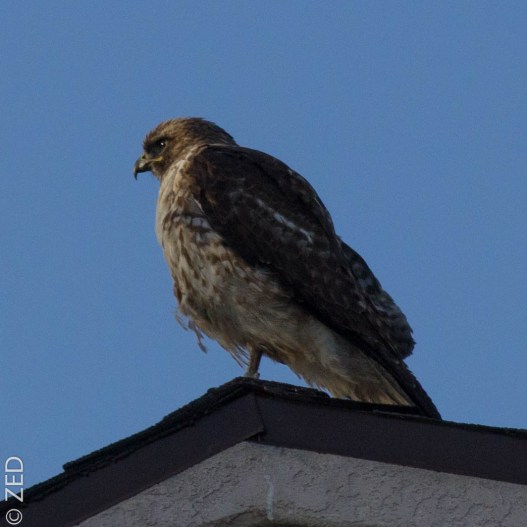 red-tailed hawk (juvenile)
This hawk is most likely about 1 year old, quite an accomplishment to have survived its first year (raptors have mortality rates in the first year as high as 70%!). Juvenile red-tailed hawks lack a red tail, often have lighter colored eyes than adults, and have some spotty patterns on the belly band (versus more streaking in adults). It seemed relaxed as it faced the setting sun, evidenced by its fluffed-out feathers and its left leg lifted up into its belly feathers. You can see on the right leg, there appears to be a band on this bird – possibly it was caught and banded during the migration last year.
I relocated to a second-story balcony which afforded better views of the bird, and as I stood there watching suddenly another raptor appeared on the scene! On a power line at about eye-level to me, an adult female Cooper’s hawk alighted and assumed a similar relaxed pose to the red-tail, with one foot up as it surveyed the area.
 adult Cooper’s hawk
Cooper’s hawks are part of the Accipter genus of birds in the Accipitridae family, and can be extremely difficult to discern from their close relative the sharp-shinned hawk – a smaller version of this bird. Most raptor species exhibit reverse sexual dimorphism, meaning the females are larger than the males. What makes the identification of a Coopers versus a sharp-shinned hawk especially difficult in addition to very similar plummage is that a male Coopers can be about the same size as a female sharp-shinned hawk. In the above picture, there are some really helpful features that help key this bird as a Cooper’s hawk.
-
rounded termination of the tail feathers (versus more straight across in sharp-shinned)
-
dark “cap” on the head feathers (versus more of a full hood on a sharp-shinned hawk)
-
eyes are placed more towards the front of the skull (sharp-shinned hawks’ eyes seem almost in the center of their skull when viewed from the side)
-
thicker tarsus, or leg bone (sharp-shinned get their name from having an incredibly thin tarsus)
I am not 100% certain that this bird is a female, but that is my initial guess based on size relative to the red-tail (which I thought could be a female based on her large size – but again, no great scale for reference).
The Cooper’s hawk didn’t remain relaxed for long – as soon as it spotted the red-tailed hawk perched above it became much more alert, dropping its leg down and staring intently (though, to be honest, all these birds seem to only have a single facial expression – and if there is one word for it, it is “intense”).
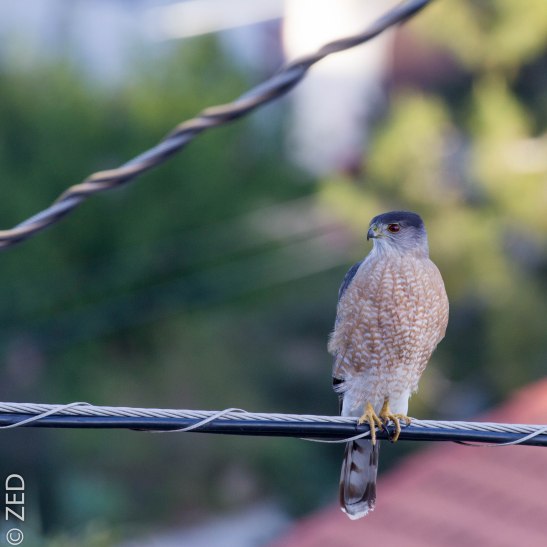 Cooper’s hawk adult
She relocated to a place on the power line closer to the red-tail to get a better look …
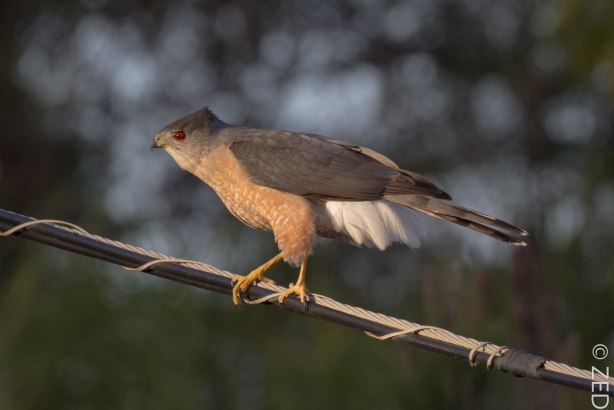 adult Cooper’s hawk
In the above picture, you can see the white feathers that protrude below the tail on its ventral side. This is a helpful feature to identify accipiters in the field from a distance, but one needs to be aware that Northern harriers have a similar white patch that appear on their dorsal side.
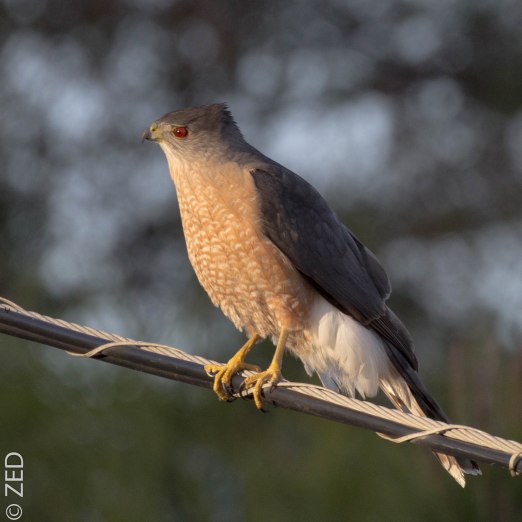 adult Cooper’s hawk
Finally the Cooper’s hawk decided to move in on the red-tail – likely it has a nest in the area and did not like the red-tail hanging around too close. The Coop flew up on top of the chimney, and the showdown began. You can see the size difference fairly well in this photo (with the Coop on the right).
 red-tailed hawk (left) and Cooper’s hawk
 red-tailed hawk (juvenile)
At this point, the red-tail took notice of the Coop but still had a leg up (no pun intended) and was facing away from it. In what had to be some sort of bird statement, the red-tail proceeded to slice (poo) in the direction of the Coop!
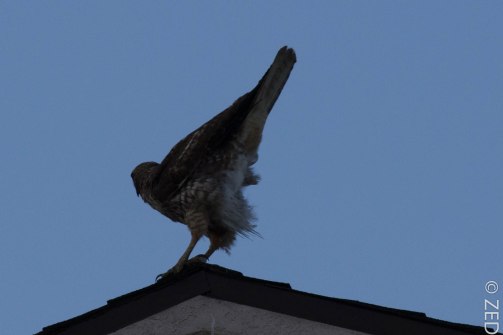 juvenile red-tailed hawk slicing
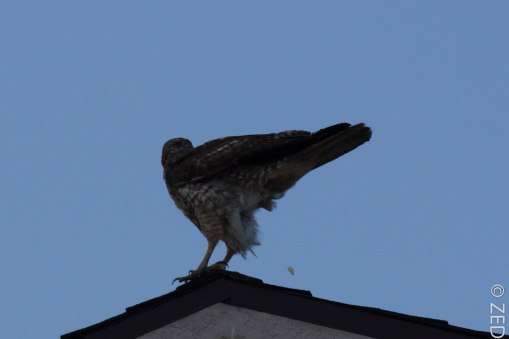
Casually, the red-tail then turned to face the Cooper’s hawk, then took off right in its direction flying just to the north of it. The Coop jumped off right after the red-tail and pursued! At first the red-tail tried to do some circles and gain altitude, but it eventually became a full on chase. There wasn’t much actual contact, but the Cooper’s hawk made its point and the red-tail seemed fine with relocating to a tree not too far away.
 juvenile red-tailed hawk (left) and pursuing Cooper’s hawk adult
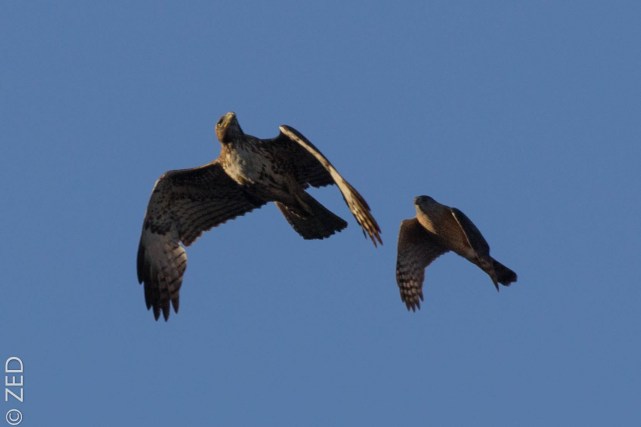



Awesome to see these birds and witness this close encounter!
ravens

 this pair of ravens was keen on my sunset snacks at the top of Wildcat Peak / Tilden Alameda County CA

newt tracks
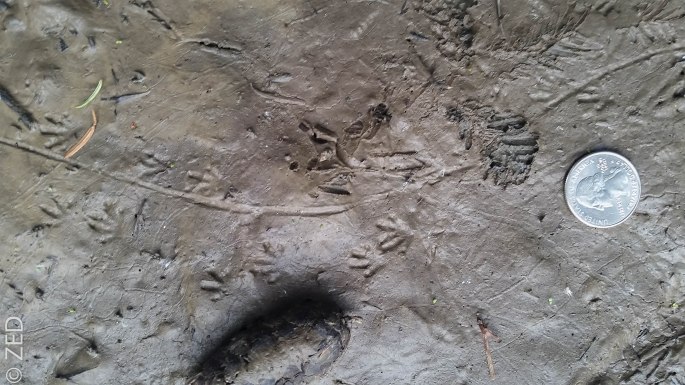 CA newt (Taricha torosa) tracks in soft muddy silt / Tilden Reg Park, Alameda County CA
You can see in this photo a great example of the understep walk that these awesome little creatures move in, with the five-digit rear feet landing just behind the four-digit front feet. So cool to see them walk. Note also the tail drag in the middle.
night life updates

Some photos and updates from the last few weeks. Spring seems to have started in the beginning of February this year, the buckeye trees (usually the first to bud and the first to lose their leaves) were budding in some places as early as the end of January. Since then, the warm and sunny weather has drawn out flowers and buds all around. Fortunately, as I write this, the rains have started again – and we are due for much more.
 Great-Horned Owl and Mount Tam at sunset / Contra Costa County CA
Two weeks ago (week of Feb 15th), on two different nights, I saw the Wildcat Canyon “Bottomhill” great-horned owl couple mate. The timing coincides almost exactly with when I saw another pair mate last year – I thought maybe the weather would affect the pattern, but apparently not. It’s somewhat odd as most literature indicates great-horned owls being an early breeder (compared to other raptor species), and in many areas are on nests in January in the snow. I guess owl culture, like human culture here in the Bay Area, is different in these parts as well (I joke – probably the Mediterranean climate is a factor, though I’d be curious to know how breeding behavior here compares to other warm areas). As I get deeper into my own observations of the world and its critters, I realize how little we actually know. Scientists in the past seem to have been content to generalize regarding behavior, and while there are patterns and a spectrum of those behaviors that are “typical,” often in reality it may be different based on local factors. That’s what makes it fun to be out there. Personality and local flavor.
The female always seems to initiate the act, and she starts by chasing down the male on the occasions that I’ve witnessed it. She lands close to him, and starts to do a vocalization very similar to a juvenile owl. When the male flies towards her, she starts a repetitive “hoo hoo hoo hoo” sound that reminds me of a monkey. As the male mounts her, flapping for a few seconds, she lets out a high pitched vibrato whistle and then its over. It will be interesting to see what happens this year, as last year many of the nests didn’t appear to successfully raise any young (drought related?). There are four pairs whose territories I regularly walk through, with a possible fifth – then another not far away. Of all those pairs, I only confirmed one successful nest last season.
 Great-Horned Owl and moon / Wildcat Canyon Reg Park CA
Despite the very dry February, the vernal pools are deep and wide from all the rain in January, and have been extremely active with tree frogs and California newts. The newts migrate from their hiding spots under leaf litter back to the area from which they hatched to mate and lay eggs. The frog chorus, if you can sneak up on them, is incredibly loud when nearby. Nights of wandering under warm skies and no winds to a live symphony of frogs, and owls flitting around, is pizza for the soul.
 California newts in a vernal pond / Wildcat Canyon Reg Park CA
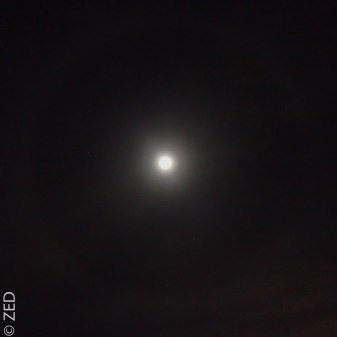
I caught a few interesting moon shots this month, one was a moon halo and the other was an interesting rainbow effect on clouds as the full moon rose last time.


2015 Oct 11 – the voles are back! (and a tropical kingbird)

We are seeing quite a bit of vole sign once again in the Bay Area, which is a good for most animals around here, except of course for the voles, really – they are one of the top items on the menu for many many animals. It’s interesting that they’ve rebounded right now in the worst part of the drought here in California. We noticed a severe drop in their numbers about two or three years ago (which is a normal part of their cycle), but it’s a good sign that they’ve returned. Now we just need some water.
These small rodents that resemble mice move mostly above ground, and they tend to create “runs” as they utilize the same pathways over and over. These runs create little tunnels in the grass and sometimes recessed runways in the ground.
 a “vole’s-eye view” of a vole tunnel in the grass / Sonoma County CA
 overhead view of vole grass tunnel or “run” (on right), clear area on left has vole scats
 vole scats

re-purposed gopher hole – voles have excavated this old gopher hole to use as shelter
There seems to be a very marked decrease in the frequency of raptor sightings the last two years in this area, by my observation – and though it’s difficult to determine why this might be, certainly the vole population crash coupled with the severe drought must be a one-two punch that all predators on the landscape are experiencing.
Bring on the rains, el Nino!!!
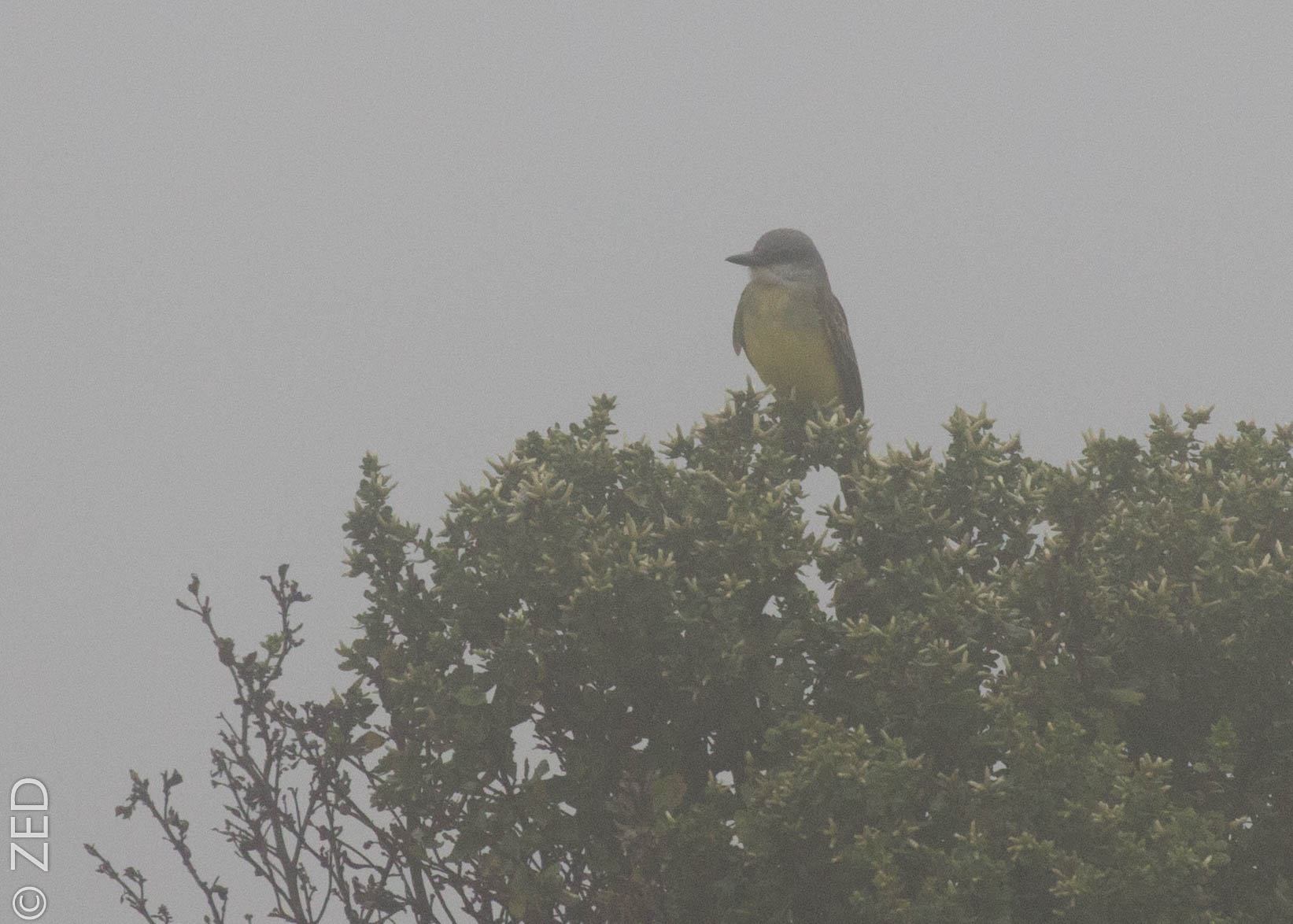
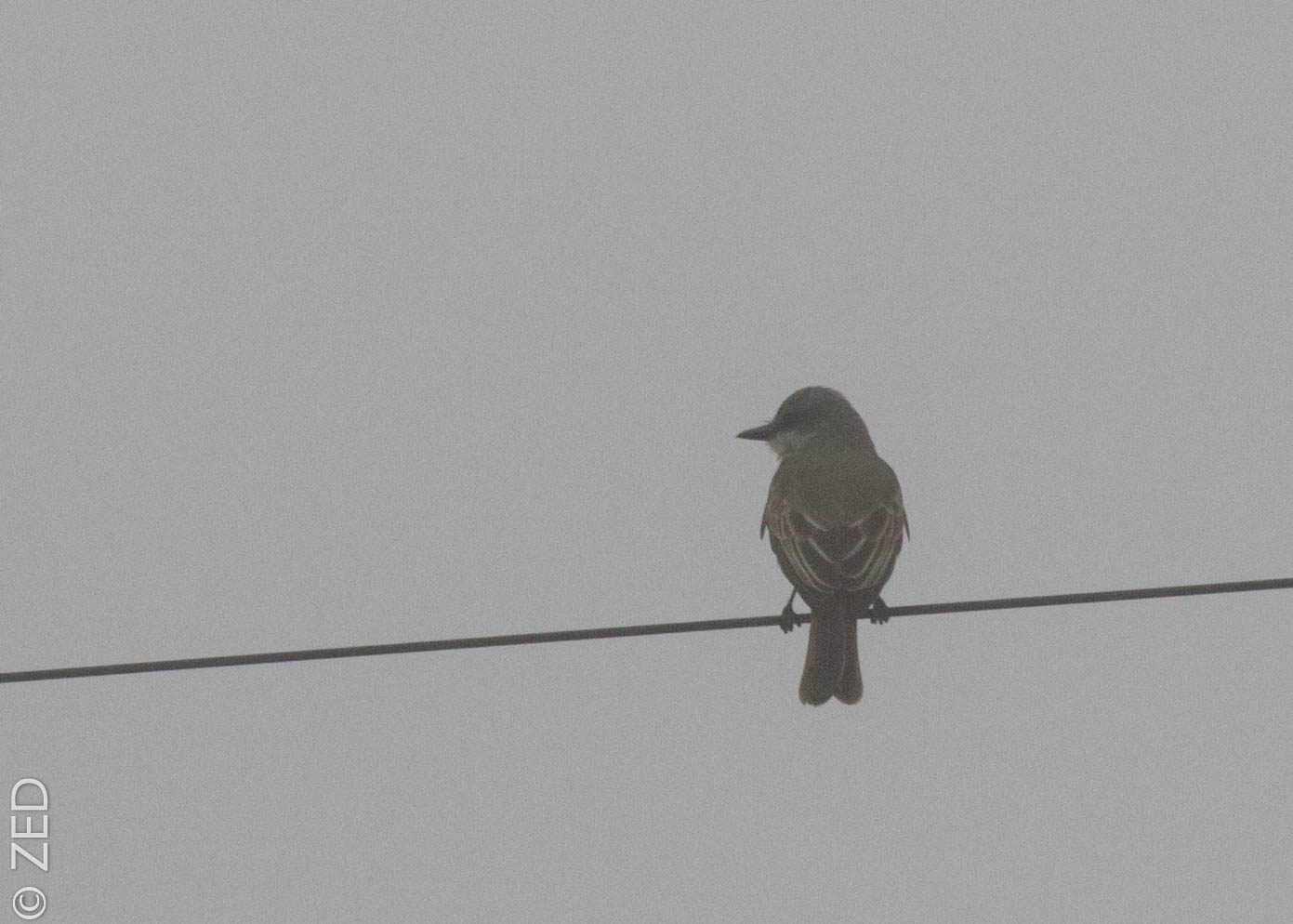
We also saw a Tropical Kingbird today, which is a very rare visitor to this area (a type of flycatcher). The pictures were taken through a lot of fog, but we had good views of the bird hunting and perched for five minutes at least. Our friend Moss made the ID, based on the notched tail (differentiating it from a Western Kingbird). Nice sighting!
2015 Oct 11 golden eagle, dark morph red-tail, and vultures
I was driving down a road in Sonoma County today and noticed a large kettle of turkey vultures flying above an agricultural area – probably numbering almost 40 birds! It was somewhat unusual, and certainly not something I’ve seen yet this year. I pulled over to take another look, knowing that often golden eagles will “hitch” a ride along with a group of vultures. As I was counting the vultures, boom!
Eagle!
 Golden Eagle in a kettle of Turkey Vultures / Sonoma County CA
I followed the kettle, which conveniently for me also was following the road in my direction! I made a number of stops as I followed it, and during my final stop the Eagle was kind enough to turn around and do a fly-over for me.
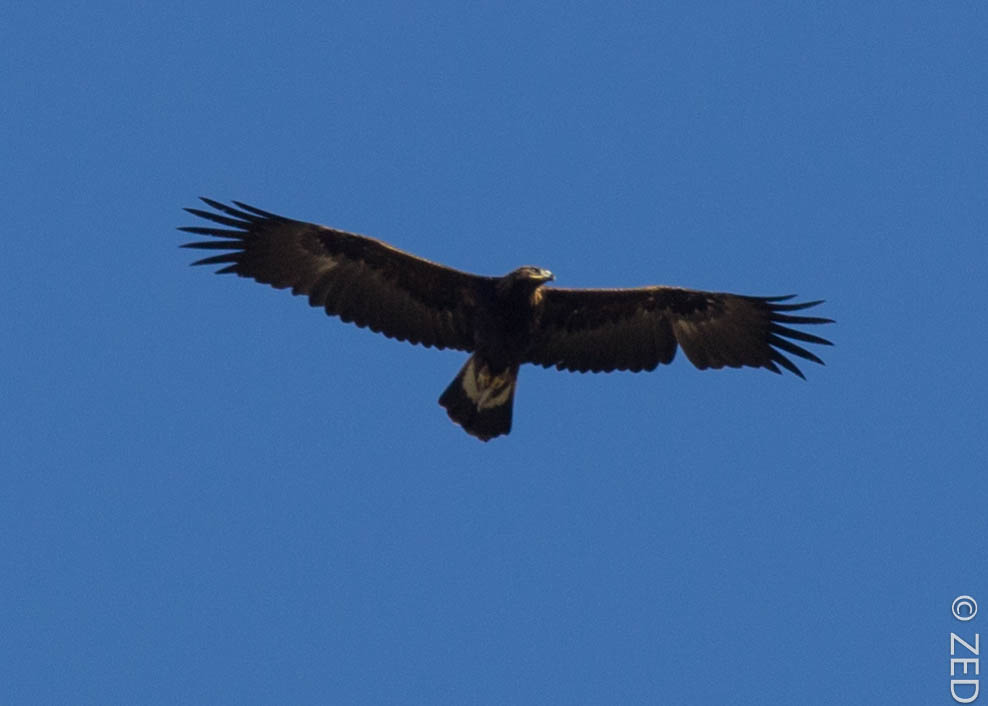 juvenile Golden Eagle / Sonoma County CA
Such a beautiful bird – as I observed it I noticed that it lacked any under-wing white patches, but its uniform feather coloring and uniform-length flight feathers indicated that it was probably a first-year hatch bird. It appears it has lost one of its left secondary feathers, which initially made me think perhaps it was older and undergoing a molt, but I still think this bird is a hatch year bird (meaning it hatched this spring).
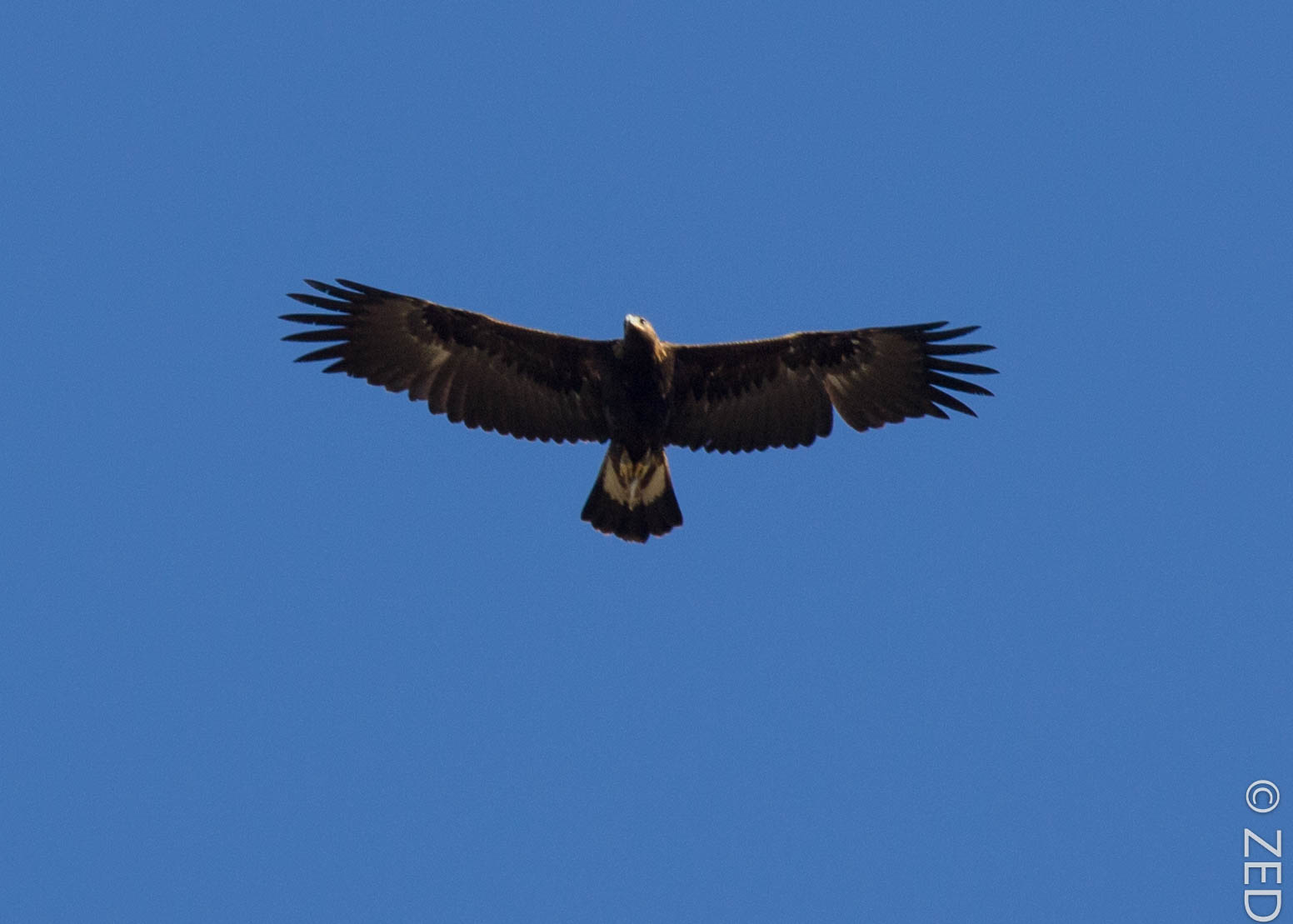
As it glided back past me and rejoined the group of vultures, a dark morph Red-Tailed Hawk took exception to its presence and launched after the Eagle from its perch among a grove of eucalyptus trees, screaming loudly as it flapped quickly towards the larger bird …
 vocalizing adult dark morph Red-Tailed Hawk / Sonoma County CA
 adult dark morph Red-Tailed Hawk / Sonoma County CA
The Red-Tail launched into the kettle and did a few dives at the Eagle, but they were half-hearted attempts – more bark than bite. The kettle of vultures, with the Eagle still flying in it, slowly floated away from the Red-Tail’s territory as it retreated back to a perch in the trees.
Here in the West, especially towards the coast it seems, we have more frequent occurrence of “dark morph” Red-Tails (they have a very diverse variety of feather patterns and tones), and often I’ve seen people mistake these birds for Eagles. To the untrained eye, this is totally understandable. But when you see the two together, there is little doubt about the ID. Golden Eagles are quite a bit larger, have distinctly different plumage when observed closely, different wing shapes, and different shapes/silhouettes when viewed from below. Turkey Vultures are only slightly smaller than Eagles, and both can hold their wings in a slight dihedral shape when soaring – to the naked eye they can appear very similar – but upon viewing them with binoculars, they also have very different silhouettes and feather colors, and an experienced observer can distinguish the two from each other even without binoculars.
 “bird on a mission” – adult dark morph Red-Tailed Hawk / Sonoma County CA
 nice comparison of a Turkey Vulture (left) and a juvenile (but full-size) Golden Eagle (right) /Sonoma County CA
It was really fun to see all the Vultures, the Eagle and the dark Red-Tail on this beautiful NorCal “summer” day.
 juvenile Golden Eagle / Sonoma County CA
2015 Oct 07 – hawk hill merlin, ravens and red-tails
beautiful day up on hawk hill, filled with friends, hazy blue skies, and a good number of migrating birds and butterflies.
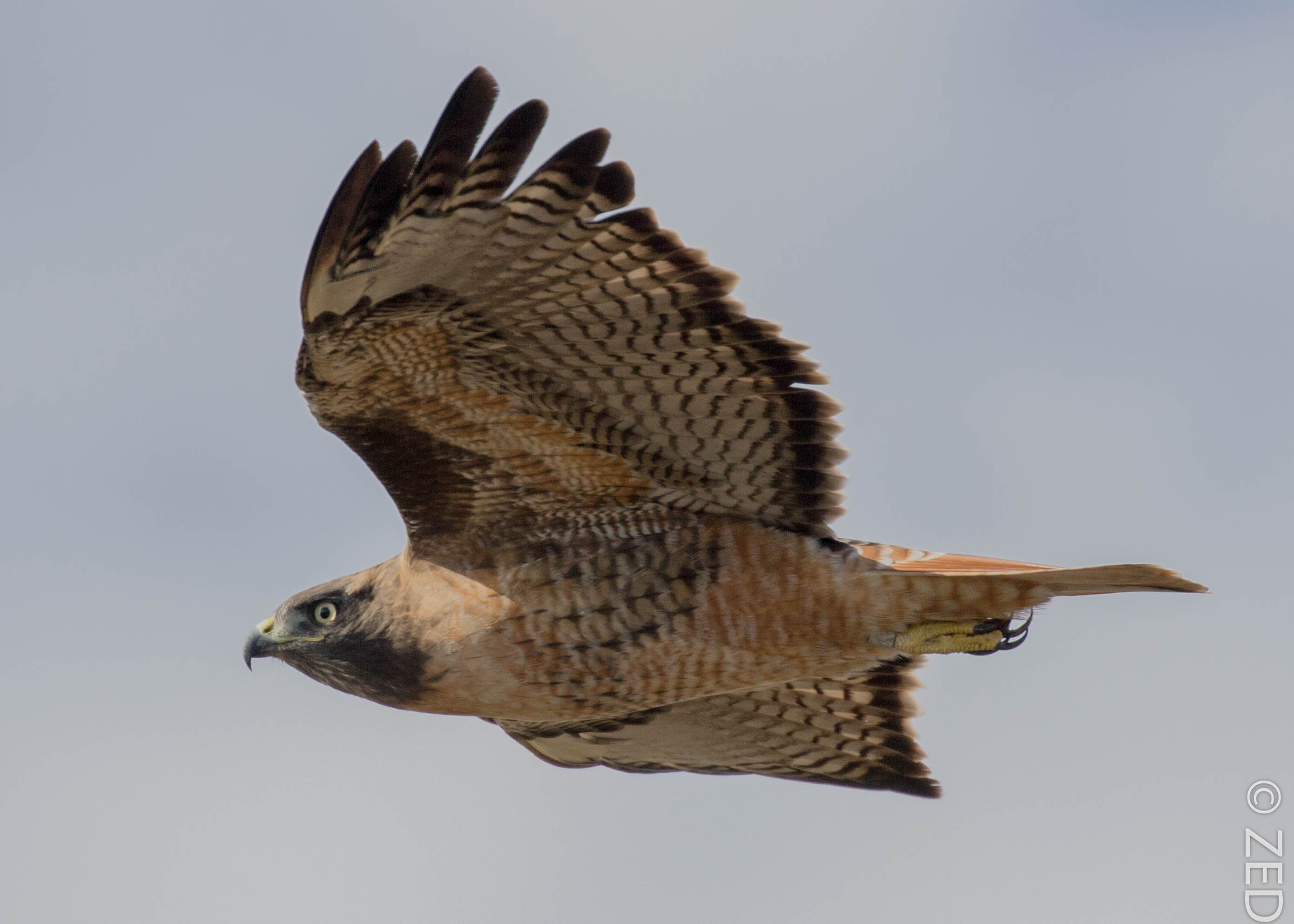 RED-TAILED HAWK / hawk hill, marin county ca
as i arrived there we had a great look at a merlin that flew not too far overhead (a merlin is a type of small falcon, larger than a kestrel but smaller than a peregrine falcon) – it appeared to be a juvenile. they are fairly uncommon here in the bay area, but they pass through during migration time from their breeding grounds to the north – and in the time of short days we get a boost in the population as some choose to spend the winter here.
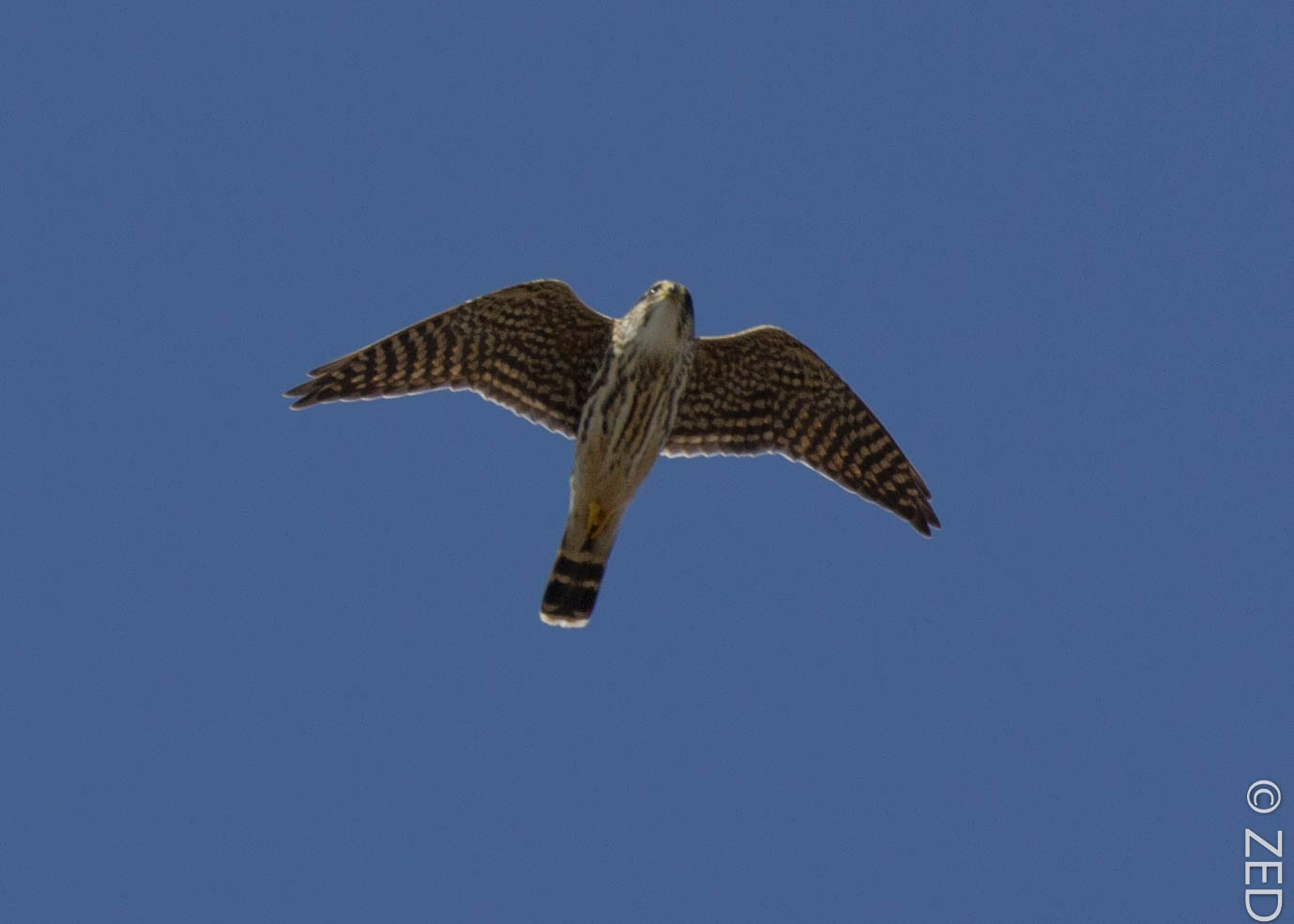 MERLIN / hawk hill, marin county ca
the humans congregated on top of the hill with their scopes and binos, calling out every moving bird within a couple of miles. it’s a rather bizarre experience, to see all these people perched on the high hill for hours at a time every day for three months of the year, but wonderful that so many committed volunteers take their time to do this. as everyone was focused afar, two resident ravens, a male and female pair, landed very close by to watch the watchers.
 RAVENS with golden gate in background / hawk hill, marin county ca
 RAVENS with golden gate in background / hawk hill, marin county ca
we chuckled as we realized that i was watching the birds, who were watching the other people, who were watching the other birds! these two hung around for quite a while, intrigued by the activity of the people (and likely looking for some dropped food as well). occasionally they would come very close to each other, making quiet croaking noises as one of them would groom the other’s face area. it was so endearing. and at such close quarters, in the bright sun, i could really see the intelligence in their eyes. amazing, beautiful animals.
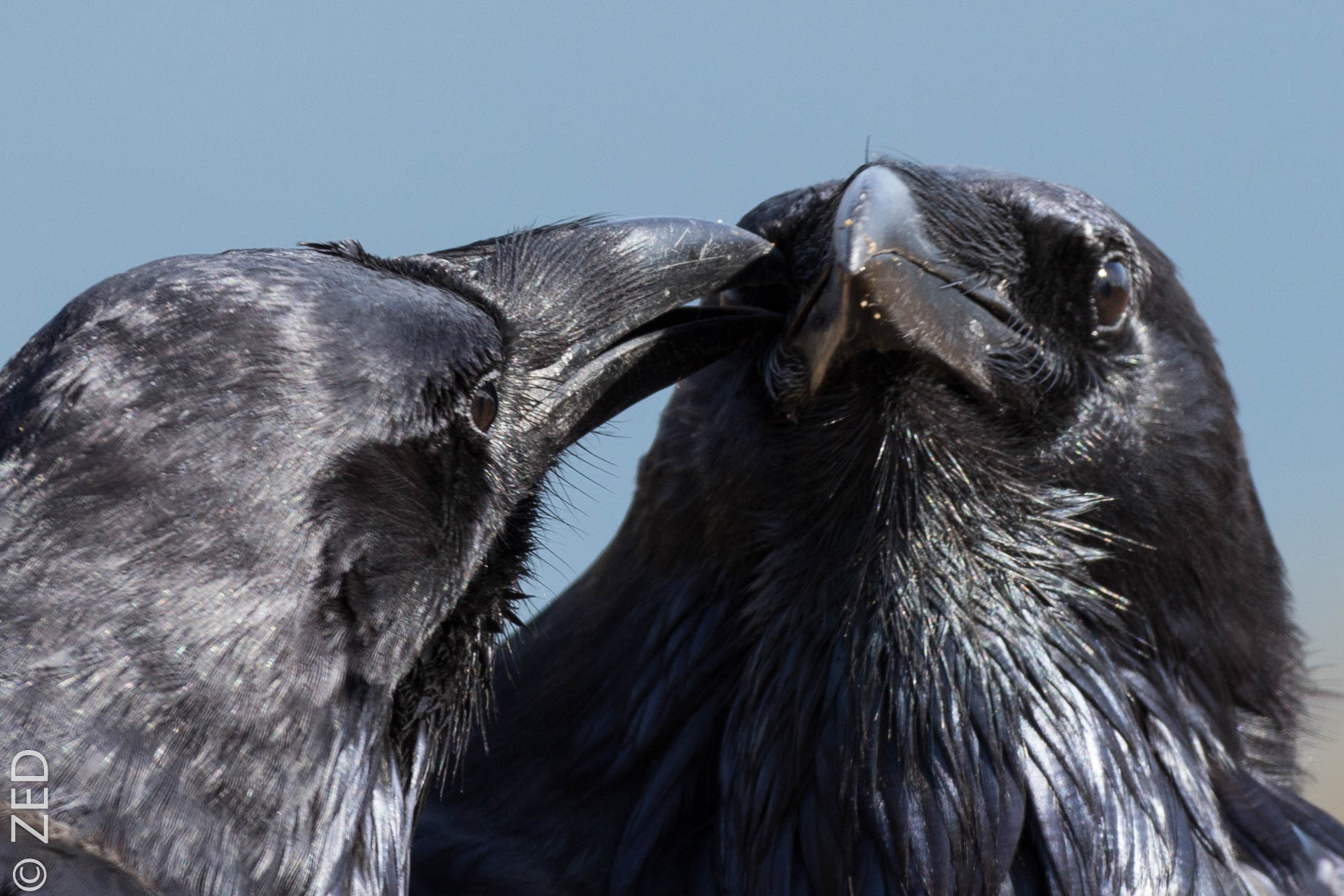 RAVENS grooming – or perhaps a literal “peck on the cheek?”
 RAVENS / hawk hill, marin county ca
 RAVEN / hawk hill, marin county ca
we saw a lot of accipiters today, as expected, but were also treated to a number of ferruginous hawks, several merlins, and some late-in-the-day peregrines. after most people had packed up for the day and i was leaving the hill, a red-tail floated overhead to hunt the area and allowed for some really fun pictures …
 RED-TAILED HAWK / hawk hill, marin county ca
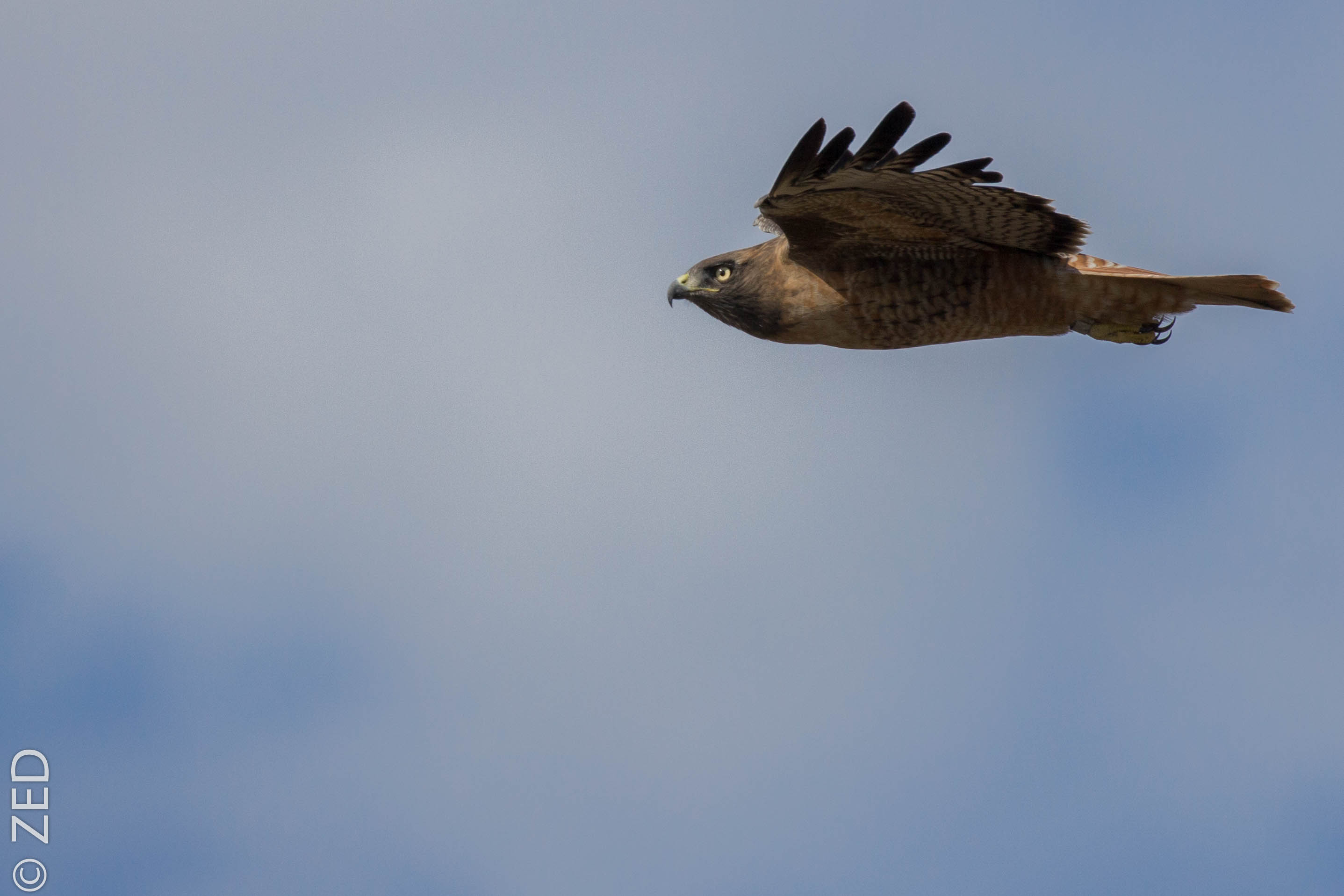 RED-TAILED HAWK / hawk hill, marin county ca
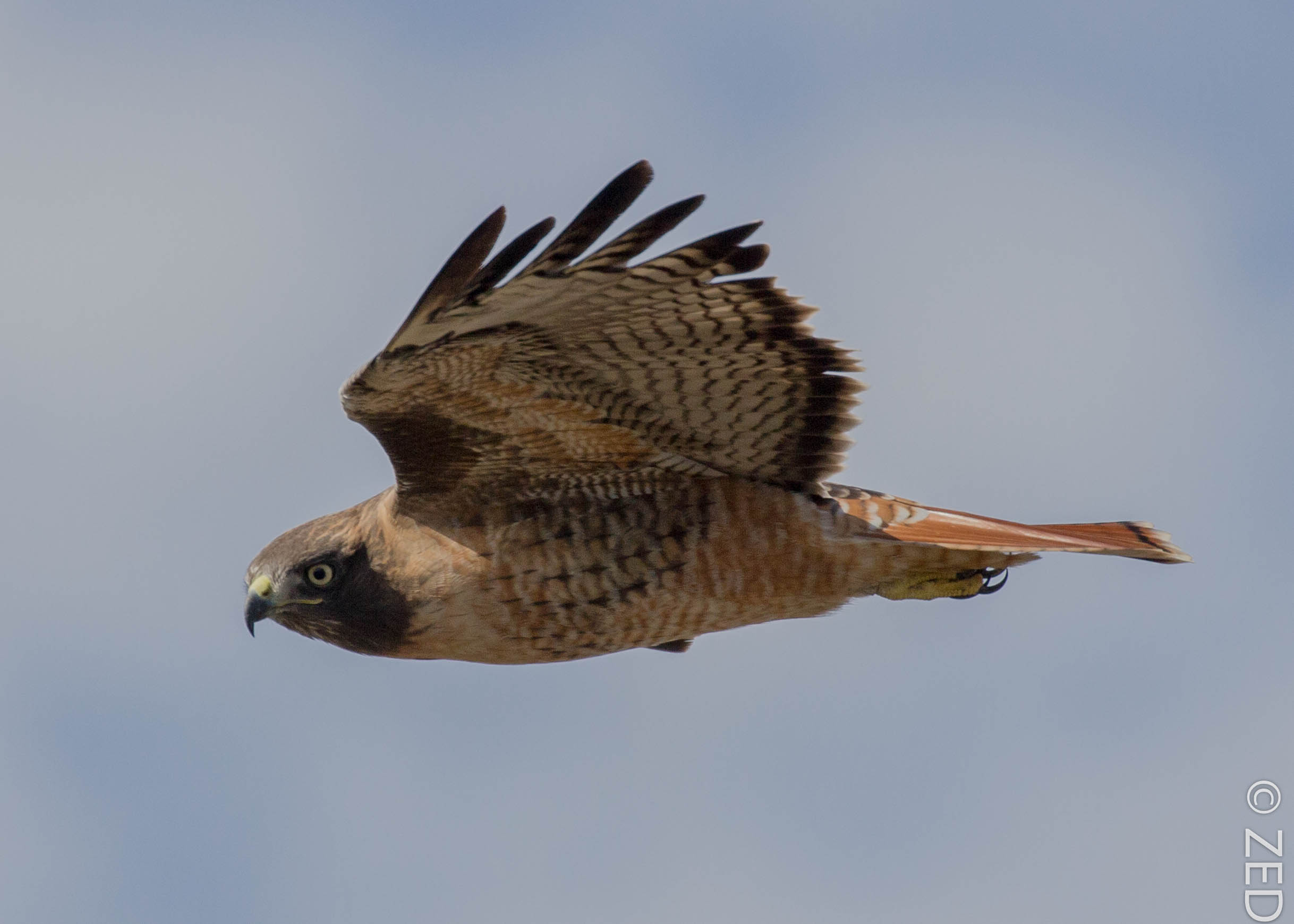 RED-TAILED HAWK / hawk hill, marin county ca
the colors on this bird are amazing, and for an adult it has a very light eye (iris). so beautiful. thank you, my good friend!
as always happens when one packs up to leave, birds start showing themselves and tempting you to stay. as i started down the trail, one last juvenile northern harrier tried to keep me on the hill.
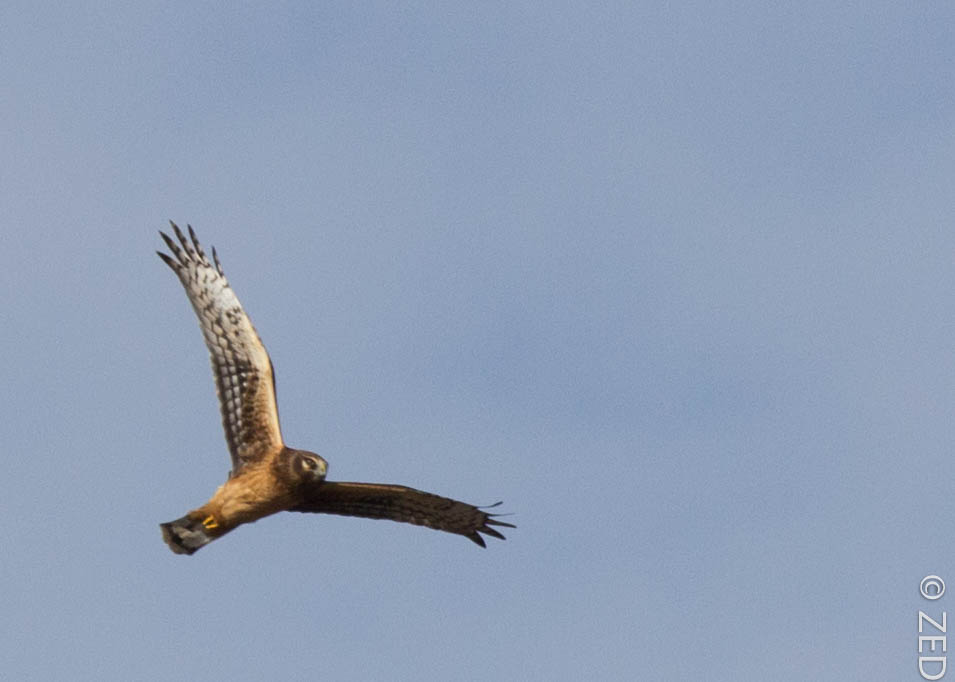 juvenile NORTHERN HARRIER (aka MARSH HAWK) / hawk hill, marin county ca
20150718 hawk and vulture
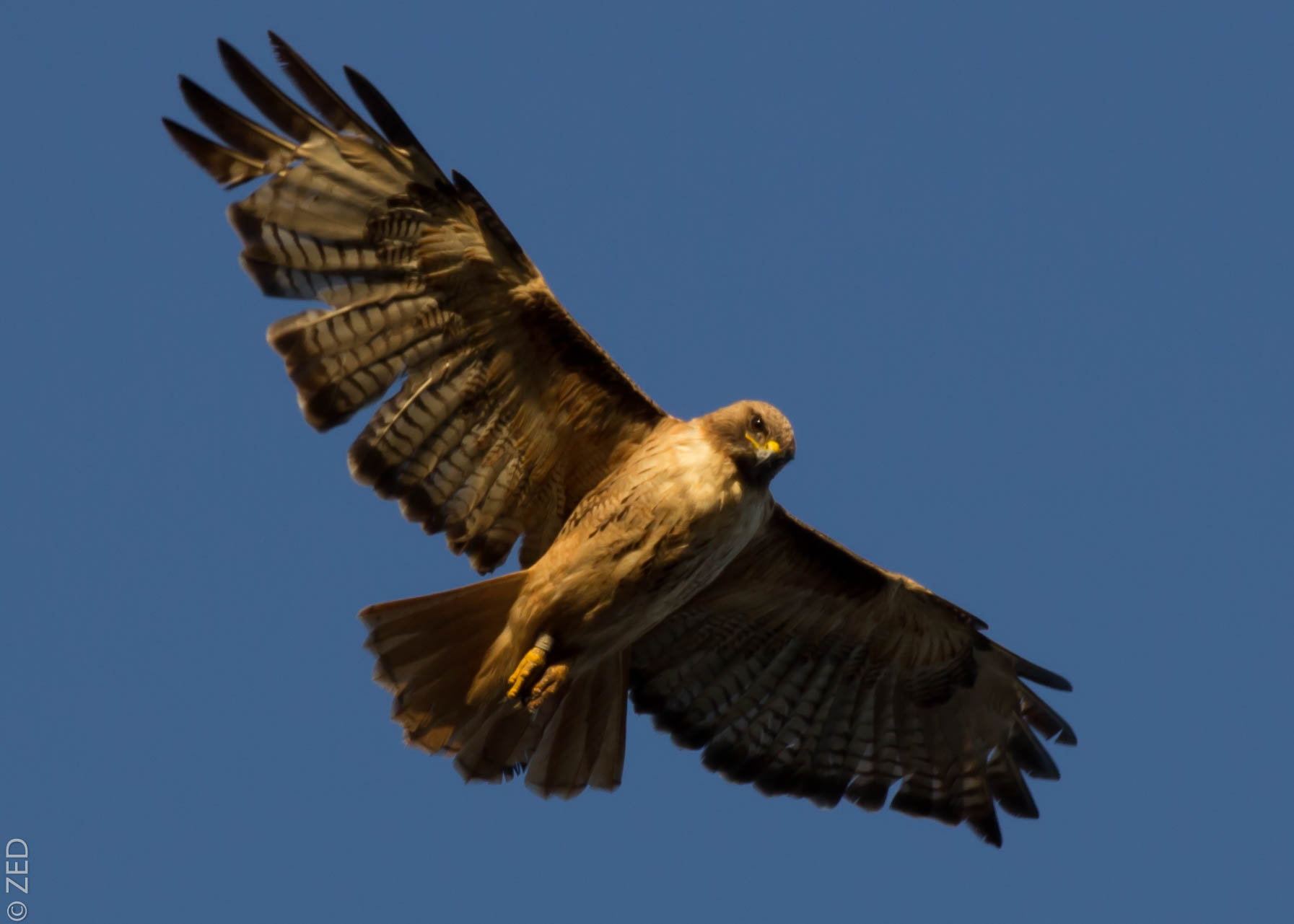
red-tailed hawk / marin headlands CA
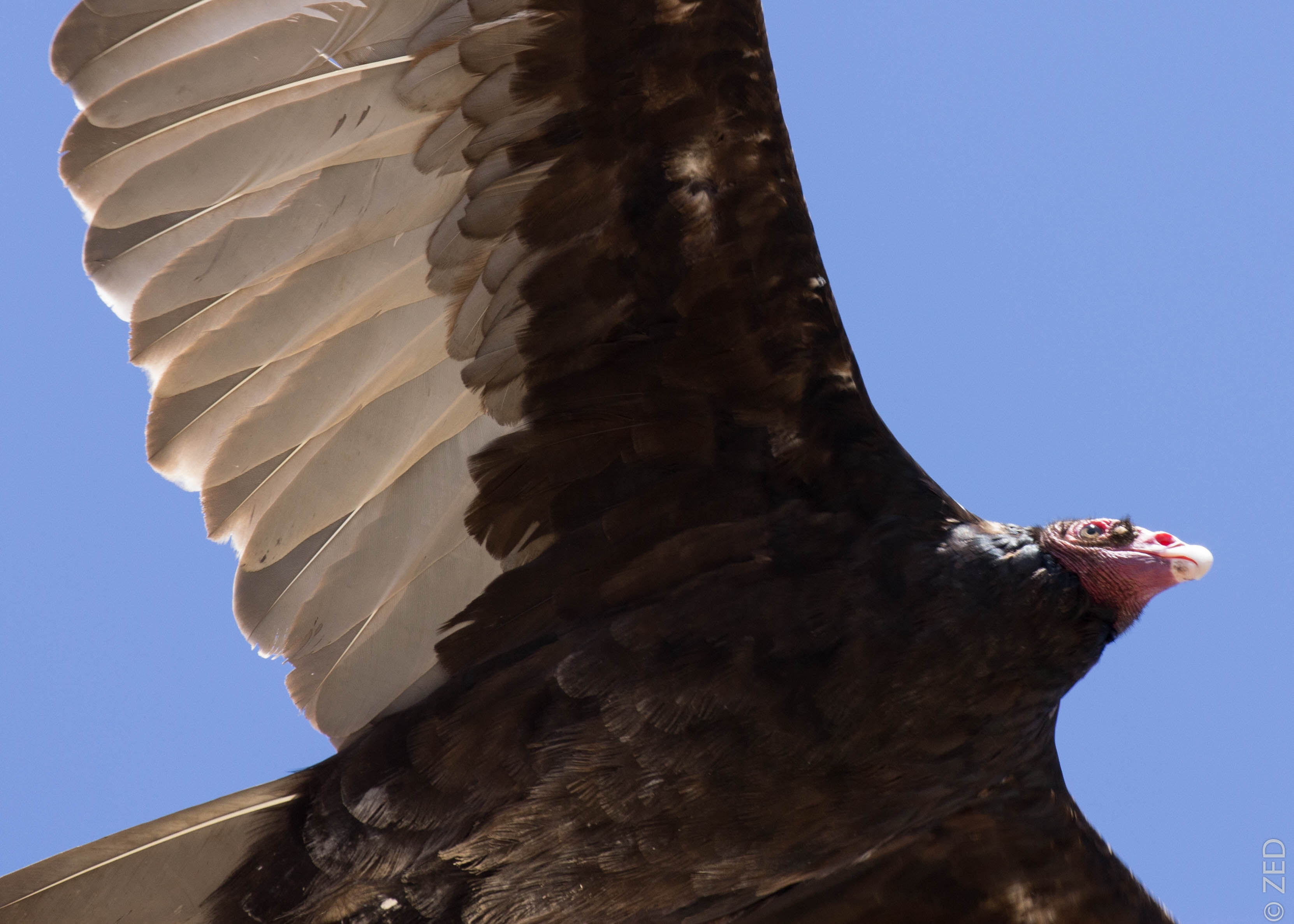
turkey vulture / point reyes national seashore CA
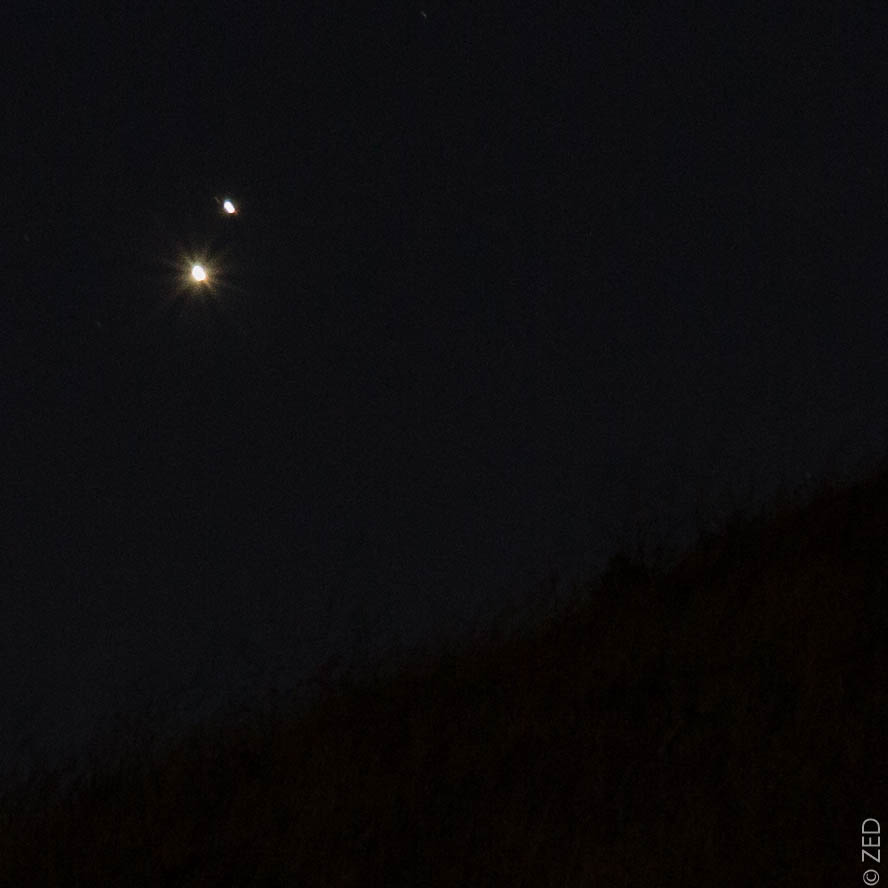
20150630 venus and jupiter conjuction
closest appearance
for venus and jupiter this time around the sun
tonight at under 1/2 degree separation from our vantage on earth
the sun set leaving an orange, then pink-tinted sky, with the nearly full moon low in the east

the wind was still and the heat from the day was still rising from the grass-covered hills
the coyotes howled across the valleys as twilight melted away the last light
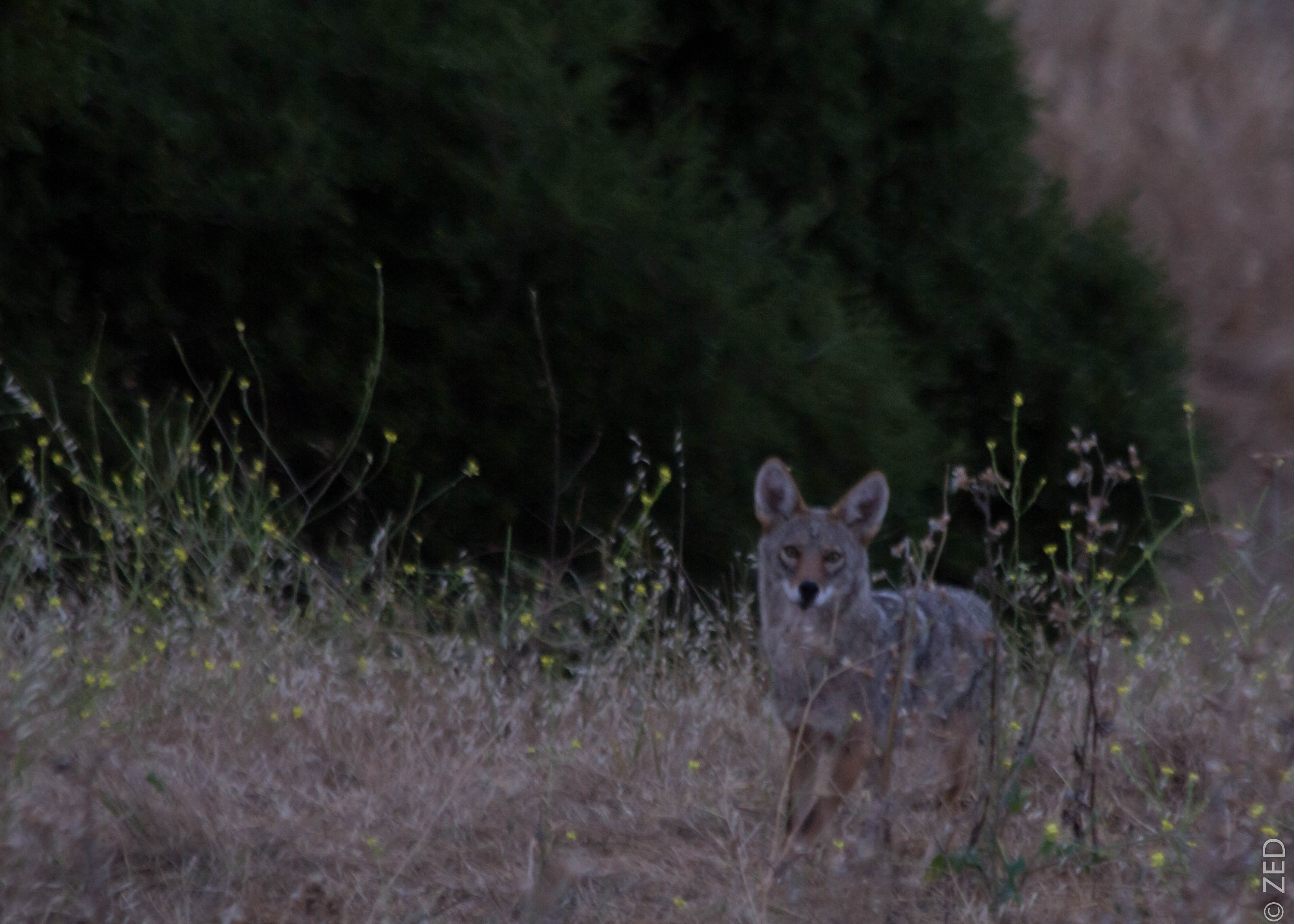
and the owls at the top of the hill made an appearance together, hooting back and forth
between themselves and sometimes the featherless hooter below
the crickets in the background sang loudly, now that the winds had nothing to say
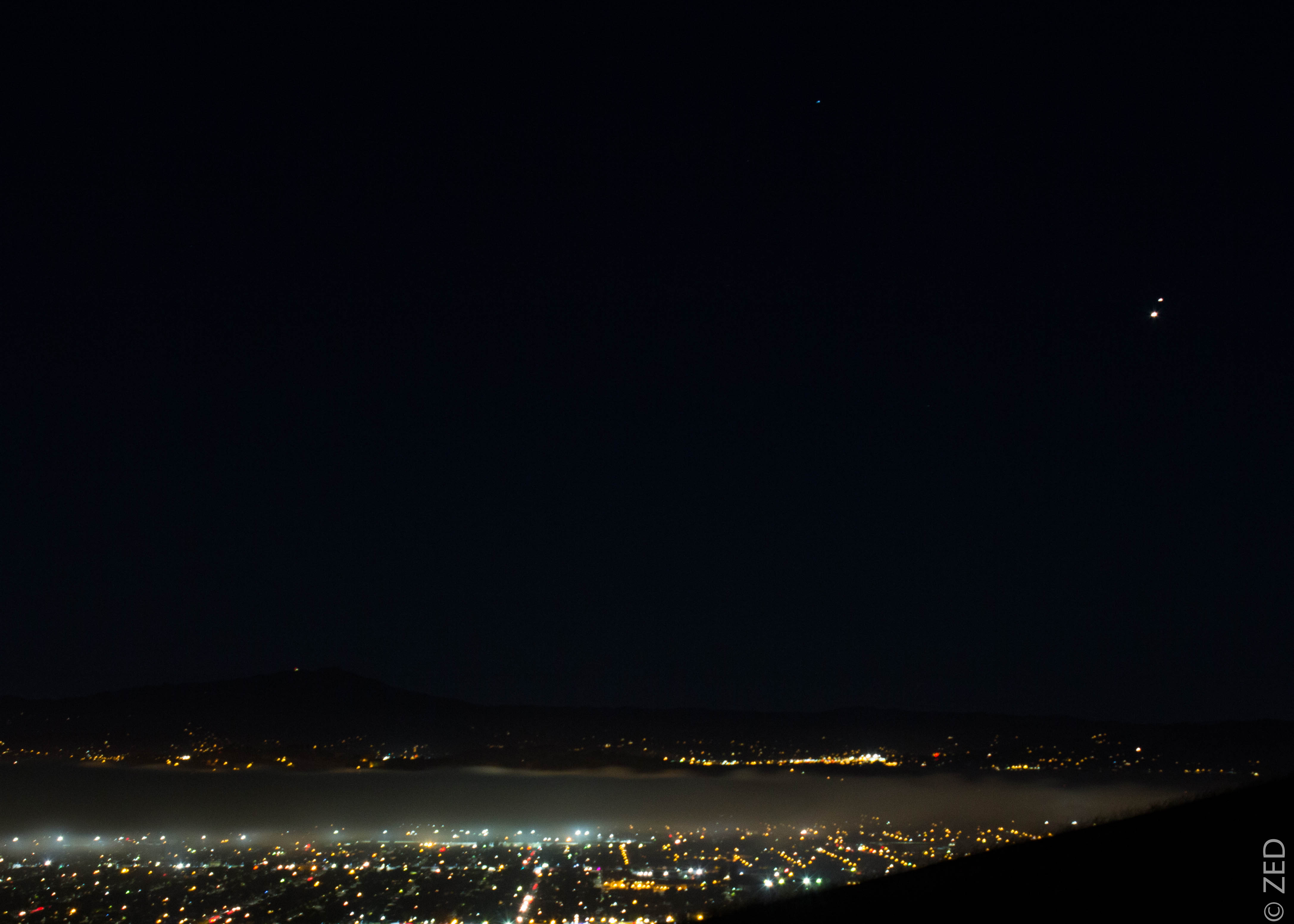
and as the sky darkened, the lights of the sky and the city glowed
above and below Mount Tamalpais
as the fog crept from the sea into the valleys below it all


20150629 venus and jupiter conjuction one day away
venus and jupiter are now one day away from appearing less than 1 degree apart in the sky looking to the west just after sunset (occurs on tuesday june 30th) – and wednesday is a full moon. tonight just to the right of the moon, just above scorpio (to the south after dusk) is saturn as well. the bright star antares (17th brightest in the sky), part of the scorpio constellation, glows red compared to the other stars – which helps locate the constellation (almost due south after sunset). tomorrow night (june 30) saturn will remain above scorpio but well right of the moon.
the owls were moving around early tonight and very active, and their eyes seem to shine with vigor in the dim evening light. a coyote popped it’s head up on the other side of a young bull this evening, thinking it was unseen, sending the young bull in a run right towards and past me (which was a little intense). a few moments later the coyote’s head popped up again to look at me, as if it was checking in to see how its joke worked out.
good one coyote.
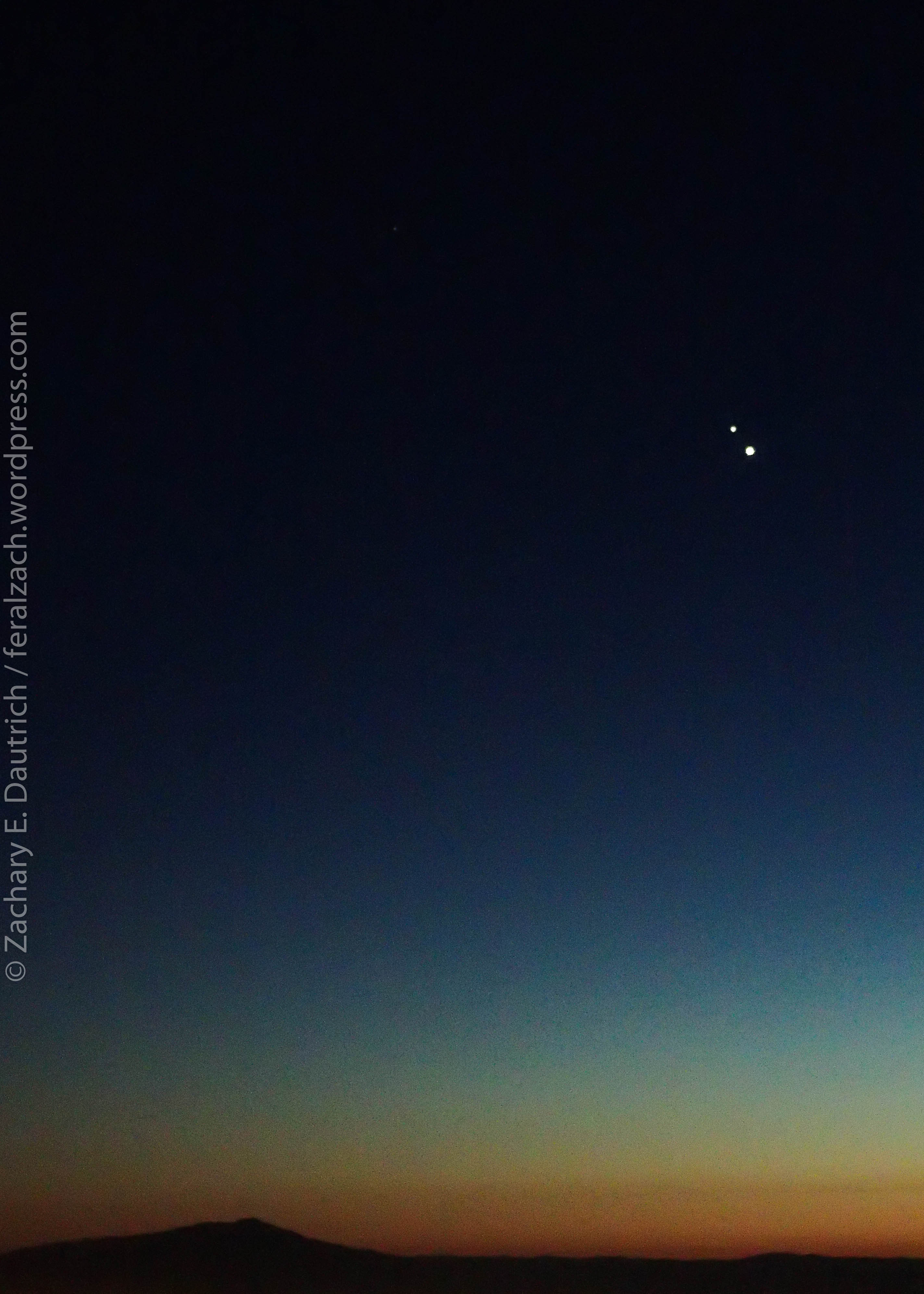
Right to Left: Mount Tamalpais, Jupiter, and Venus (and a faint Regulus to the left)
20150621 happy summer solstice / moon, venus, and jupiter
happy solstice, longest day of the year! literally, not figuratively – as in my mind i’ve had MUCH longer days this year.
it was a beautiful night up in the hills, soft light, light winds, and the smell of tar weed pervading the air. as darkness crept in the crickets provided a soundtrack to my wander. venus and jupiter grow closer still, and in the pictures below from tonight you can see the moon on the left, the star regulus in the constellation leo faintly visible next to the right, followed by the planets jupiter and venus. the mountain in the distance is mt tamalpais. quite a sight.


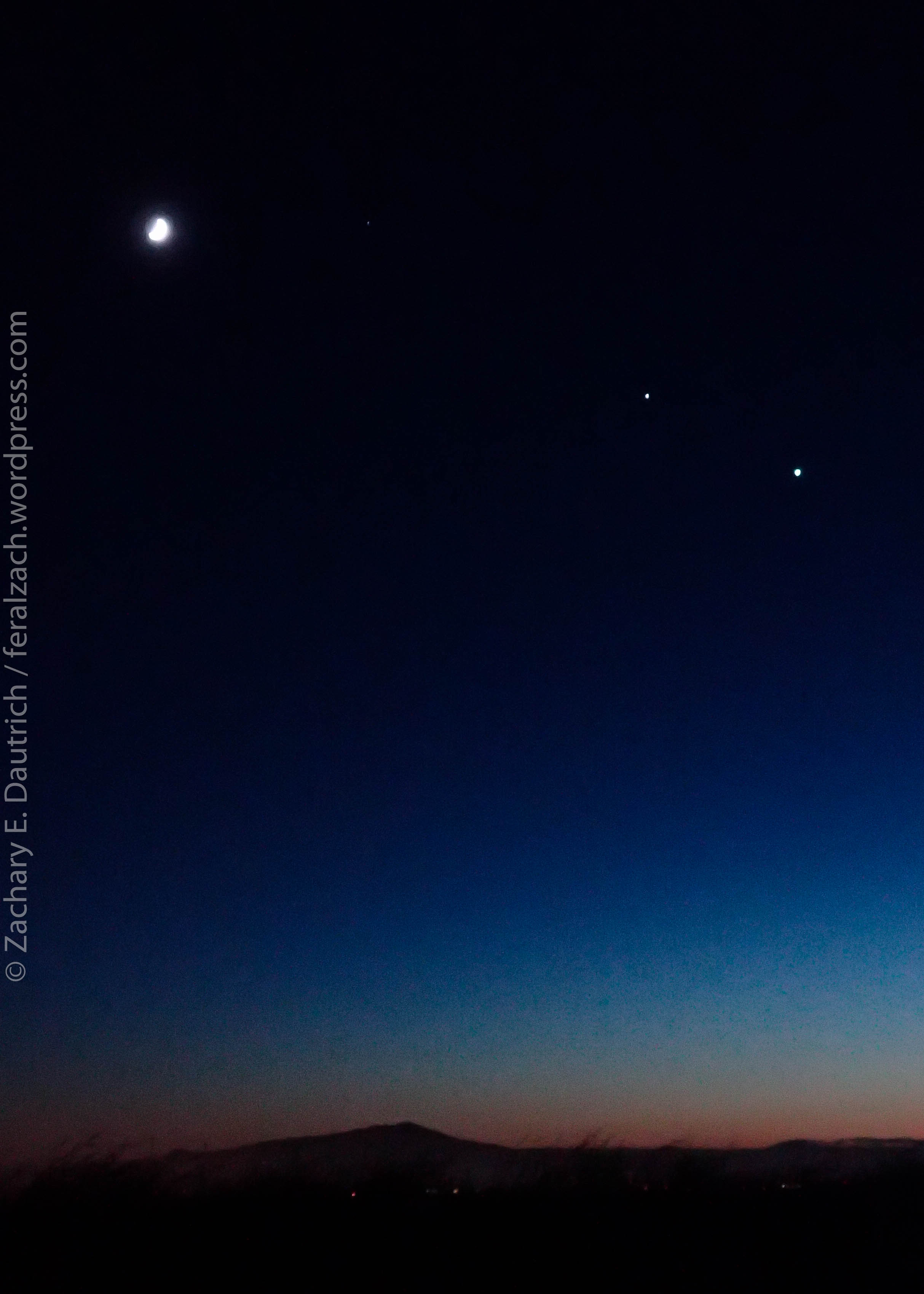

one from last night …


2015 June 16 Wildcat raptor update – part ii (the owls)
I’ll admit that at the beginning of this year, I had high hopes of seeing more than one nest of great-horned owls with young. Yet despite monitoring three pairs of these owls at Wildcat Canyon with regularity, and another two pairs on occasion, I have not seen nor heard one fledgling owl. There was a period of time starting in March during which the adults altered their routines from how they acted during mating season, but whether or not they were on eggs is a mystery to me. I know at least one pair did “phase I” of the procreation process! But alas no sign of young. It now appears that they’ve started to alter their routine again, and I’m seeing them with more regularity in their “usual” areas and perches. But no begging young ones that I’ve heard or seen – and they are hard to miss.
During the nesting season, I have a theory that raptors “go through the motions” whether they actually have young or not. This includes different roosts, different patterns of behavior, and also a tendency to be very secretive – until this past week or so, they have not been as willing to be close to me like they had been.
The last few times I’ve been out I’ve noticed one pair of owls hunting in a fashion that I’ve never witnessed before – they are actually kiting like red-tailed hawks in the wind over grasslands! In the strong winds, the owl just extends its wings without flapping to become stationary in the air above the ground, and they are sometimes 50 to 80 feet up in the sky. One difference from the red-tails is that their legs hang down awkwardly, and it’s really funny to see such a majestic animal looking so ungraceful. Typically I see the great-horned owls hunting either from a perch or from the ground. It makes sense in this area where the winds are gusting every evening and the grass is high. Perhaps they’ve adapted their hunting style for the season and the terrain. Really cool to see – if I can witness it again before twilight I would love to get some photos of it.
Another interesting behavior I witnessed tonight was again with my most watched pair (the same that have been kiting) – as I came upon them tonight just after sunset, first one, then the other flew down to the ground onto a cow trail. At first I thought perhaps they were on the trail hunting, but then I realized they were both taking a dust bath within 10 feet of each other! It was difficult to see due to the lack of light and distance (I didn’t want to bother them while they bathed together …), but they were really getting into it. After about five minutes, they finished up and hurried over to see if I could find some tracks.
As I got to the spot and started scouring over the dust with my headlamp, I could see the wind just erasing things before my eyes. I was so bummed! I was able to find one partial track though, which was fun.

Partial Great-Horned Owl track (difficult to discern)
As I kept looking, suddenly I heard a high pitched squealing just south of me about 30 meters right in the area where one of the owls had flown to perch on top of a coyote bush, and I knew breakfast was served.
It’s been my observation that raptor numbers and activity is much diminished in the last two years here in the greater Bay Area, but especially this year. Likely it is related to the drought, and also probably related to the vole population crash that we first took note of about two years ago. That is pure conjecture and is based purely on observation, but some of my other naturalist friends and trackers have noticed similar patterns supported by lack of actual sightings and reduced numbers of owl pellets in one particular location that usually has at least a few owls. Hopefully the predictions of the El Nino bringing lots of rain this upcoming winter are true! Everyone could use more water – feathered, furred, scaled, crawling, rooted and two-legged.

2015 June 16 Wildcat raptor update – part i (red-tails)
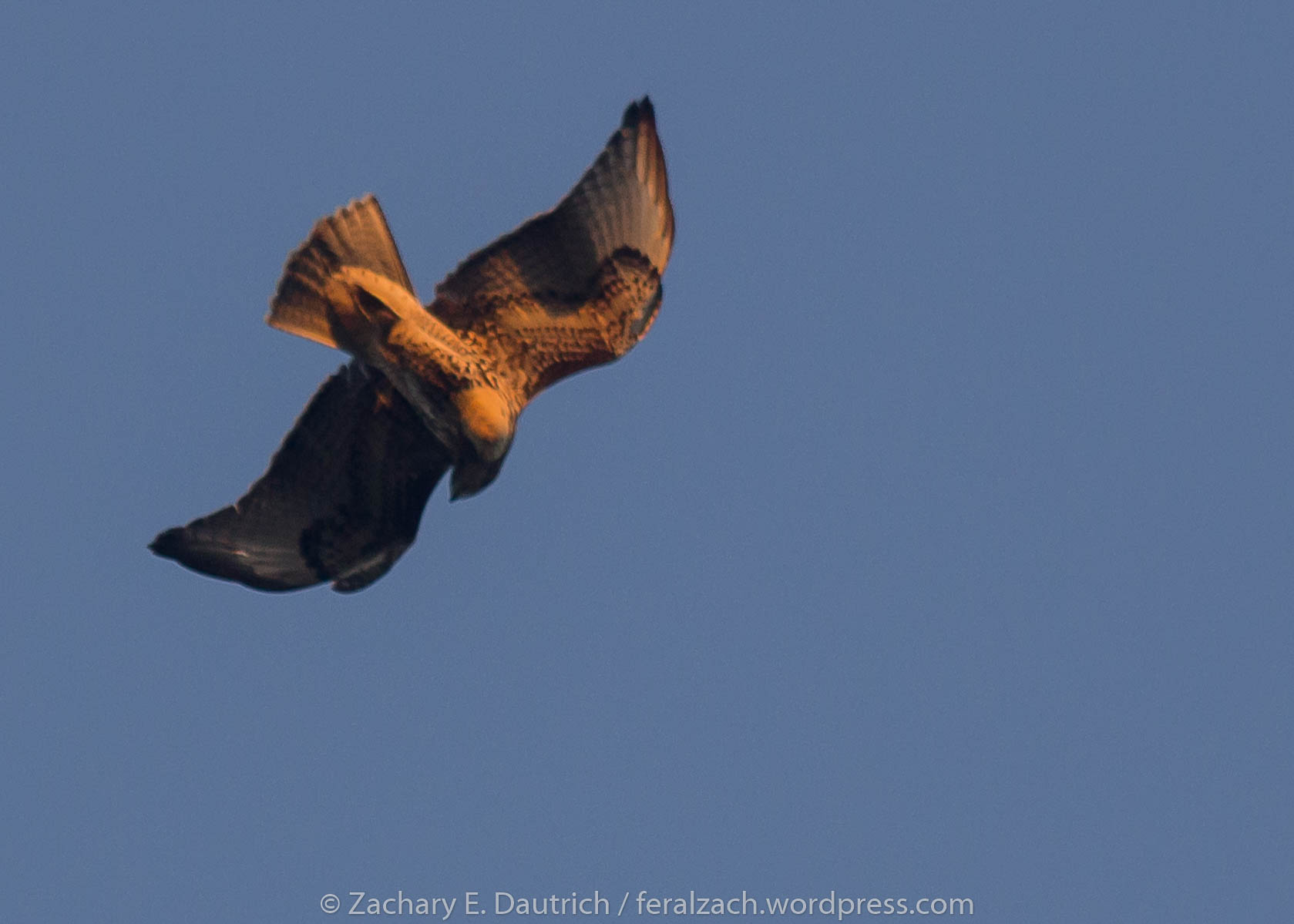
There is nothing quite like seeing young animals play, and it has been such a treat on my sunset/twilight wanders lately to see a pair of fledgling red-tailed hawks in Wildcat Canyon cavorting in the strong winds up in the hills for the past week or two. They are still sometimes unsteady as they soar in the air, and during their landings – wheeling awkwardly in the winds, or alternating repeatedly landing and taking off from a hilltop trying to ride fast moving gusts, like a feathered, bouncing ball. Sometimes their parents were silhouetted in the background above them, unmoving in the strong winds as if hanging from an invisible thread in the sky as they hunted. For the first week or so, every time the two young ones were in the air, they were loudly vocalizing non-stop, as if shouting “holy shit I’m flying, holy shit I’m flying!!!” That’s how it felt, watching their exuberance in the sky.
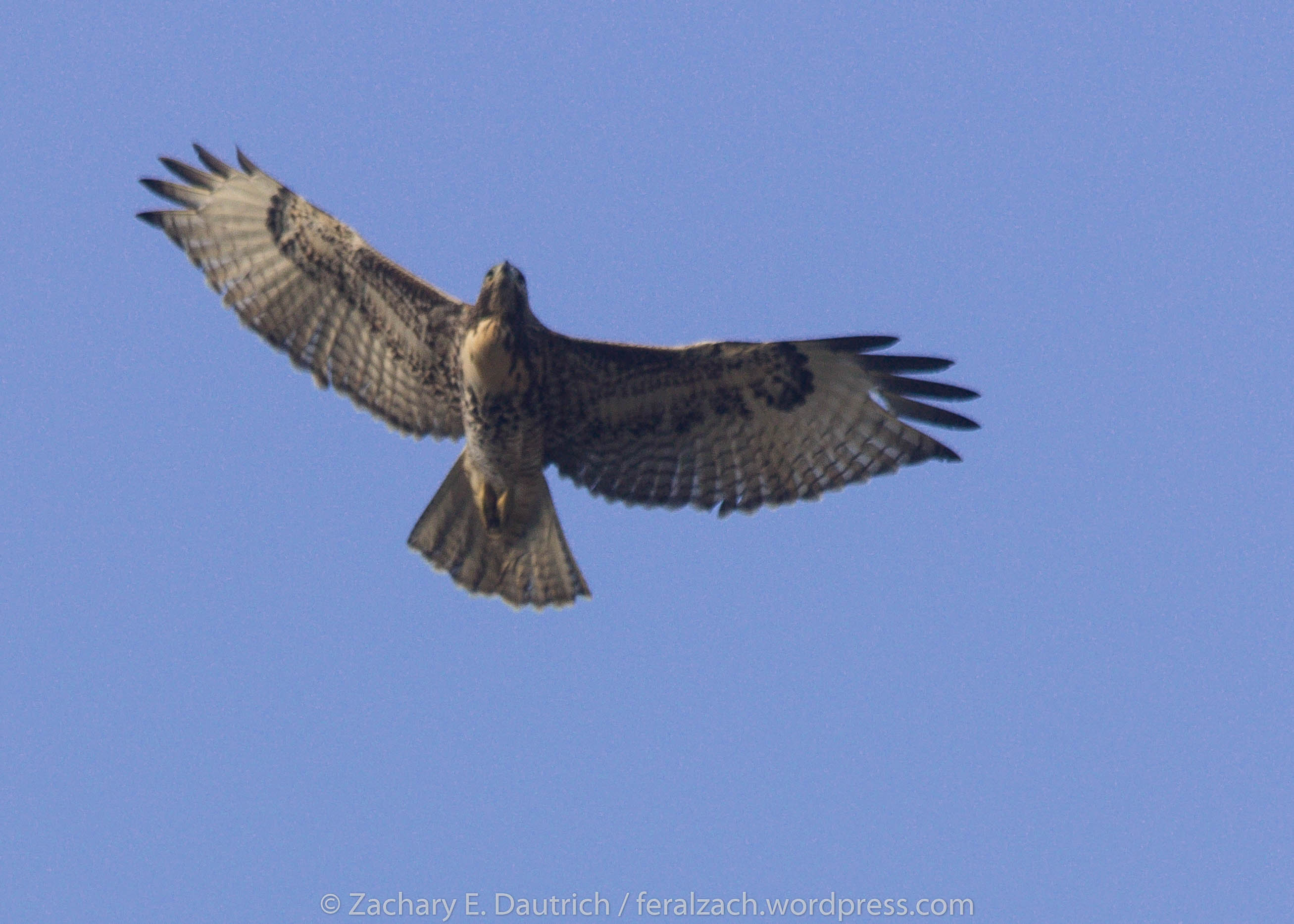
Despite their awkwardness at times, there were other times that they seemed to be quickly mastering flight in the high winds – chasing each other over the hills and around tree tops, stooping and diving on one another, locking talons in the sky, and pushing each other off of perches – even “barrel rolling” in the sky like ravens often due (an acrobatic maneuver during which they flip over on their back for a few moments in the sky). Sometimes I forget that I’m without any wings as I watch them, feeling like at any moment I could jump up and join them. It looks like just about as much fun as any living thing can have.
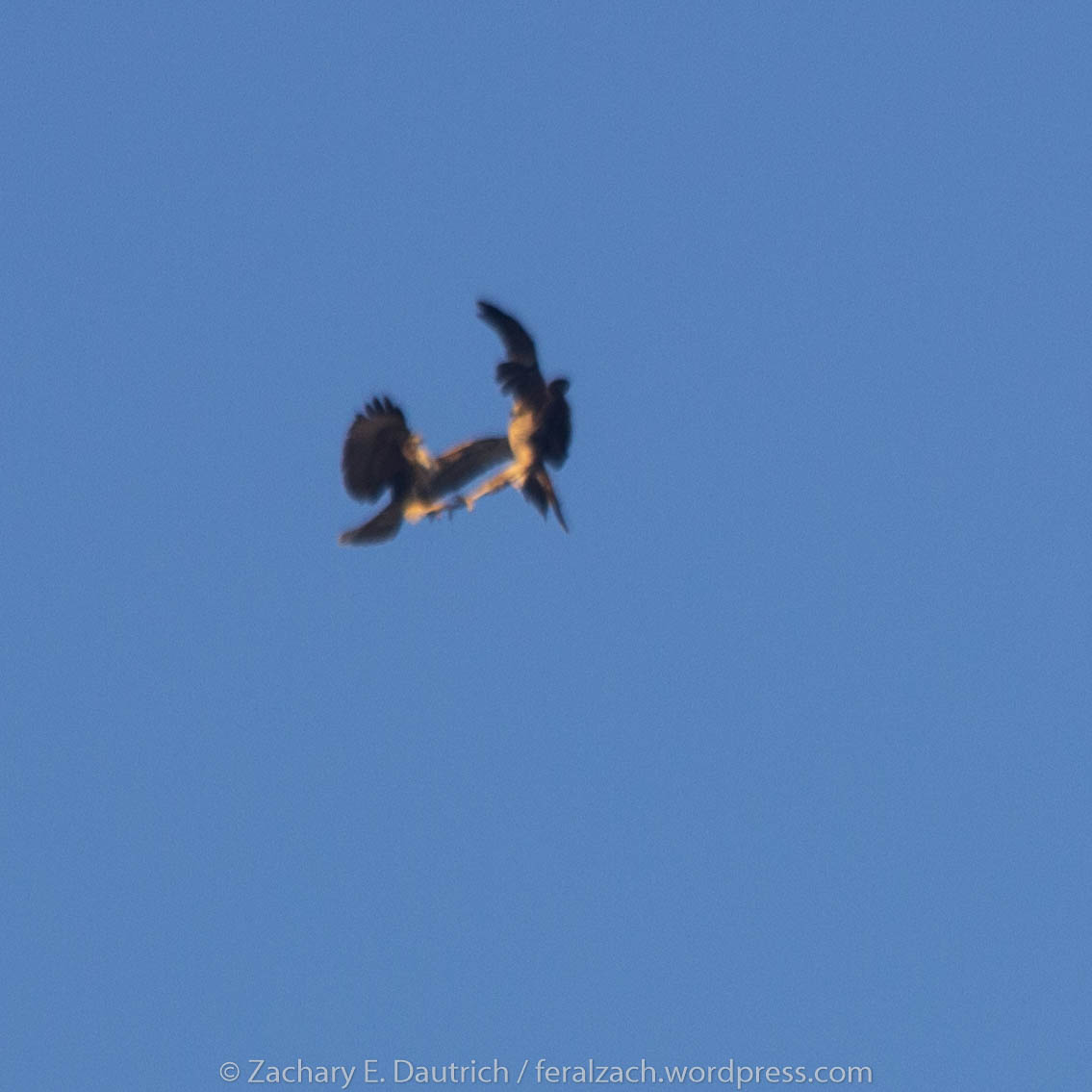
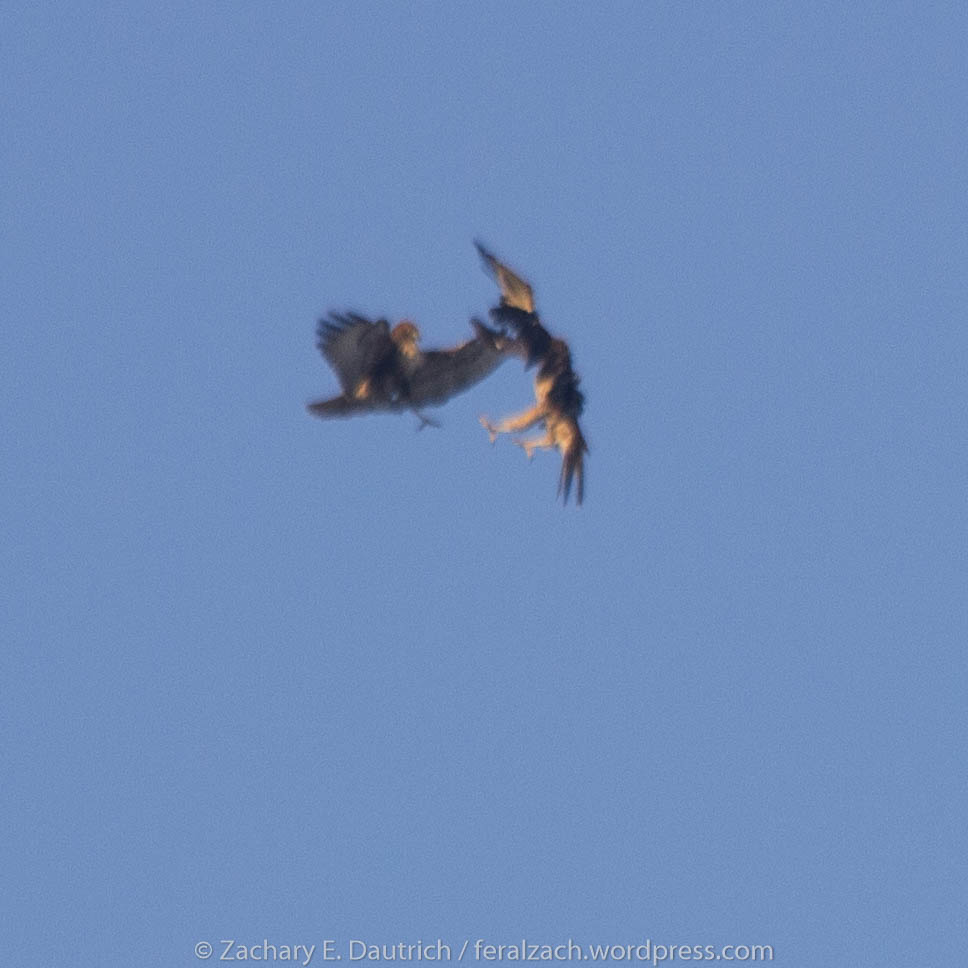

Hopefully this pair will survive longer than last year’s young – there were three from what were likely this same pair of adults, and none of them survived more than two weeks after fledging. Once night comes, it is the domain of the great-horned owls … and there are a lot of them here. It’s encouraging that they’ve lasted this long, soar on young ones!
2015 mar 11 – the owls and venus
some pictures from a few weeks ago that i am late to post, taken with my mobile phone – great-horned owls and venus
contra costa county ca


same night, another great-horned owl with venus and mount tam in background with city lights

2015 mar 31 – dark-morph swainson’s hawk

dark morph swainson’s hawk / yolo county ca
 feralzach