
rain
Yesterday the air felt different than it has here for a long time … there was a thickness, a dampness … and with it a hint at the possibility of rainfall. Everything here it seems is ready for some long overdue rain. Even though sunny days and daytime temps in the high 60’s and lower 70’s might seem ideal, one does get to the point of yearning for a blanket of cloud cover and the feel of rain on your face (or whiskers, leaves, fur etc). But for the so many other beings, it is not a matter of comfort or preference, but now a matter of survival.
The sky was cloudy all day today, with very little actual precipitation so far, but still hope for the next 24 hours. As I walked this evening at sunset in the hills, the vastness of the Bay area as seen from the hills seemed to shrink under the gray sky, with everything seeming to be a little bit closer, as if suddenly we were all in one big room together. Sound moves in a different way, slightly muffled and not quite so free – calls that recently would seem to dissipate quickly into space now stick around a few moments longer, and hold a closer presence that one can almost touch.
The great-horned owls were very vocal as darkness started to make my eyes strain, and their hoots to one another sounded as if they were always in a tree just behind me, the sound having a life of its own. As I started up towards the top of the hill, which beckoned to me despite my readiness to start walking out, I rejoiced to see an old friend – a California newt! Usually a common site during the winter months of rain here in NorCal, I hadn’t seen one yet this year. As I moved up the hillside (the beckoning of the hill won), and more and more of them came into view, scrambling and crawling and dancing their way from their hiding places where they have remained out of sight for many months. Now, with the promise of rain, some of them are migrating towards what will hopefully soon be streams and ponds to mate – the same ponds and streams where they themselves were born.
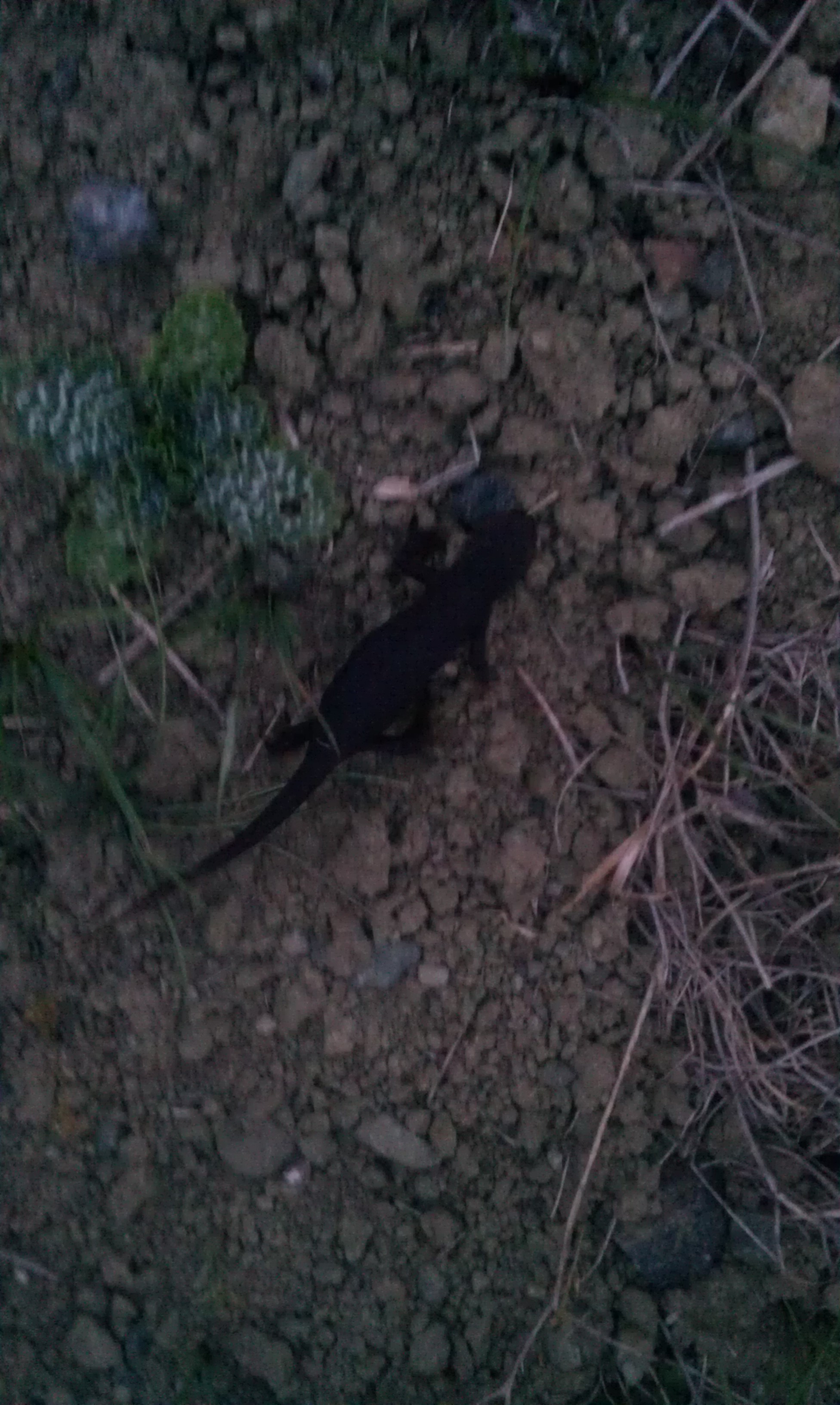
CA Newt
The open grazing land which dominates the landscape moving up the hill was damp but not wet, and my footfalls were quiet instead of crunchy as they’ve been for so many months. But at the top of the hill the Monterey Pines were adorned with shining drops of water on the tips of their leaves as if it had rained just above them. Similar to the mighty redwoods, these trees “milk” the moisture from the air, condensing water on their leaves until it actually starts to rain underneath the canopy just from that water. As I walked under them, I was refreshed by licking some of the water off the leaves and feeling a few drops land on my face.
With just the slight glow of the gray sky above me and the lights of the cities laid out below, I made my way back down the hill. I was mindful of the many newts that seemed to be appearing out of nowhere, just dark shapes on the ground in front of me, each of them following that which calls to them and leads them from their long slumber beneath the trees.
coyotes of wildcat canyon
I’m getting to know the pack a little better, there are quite a few in this regional park just five minutes from my house. Not only that, there is apparently a ferruginous hawk overwintering in one of the more remote valleys, along with many red-tailed hawks and great-horned owls. And I finally saw some fresh bobcat sign – I was starting to wonder if this park needed to be renamed Coyote Canyon.
This drought is brutal – but, looking at the positive side, I was able to wander until well after sunset comfortably with just a t-shirt on. Well, and pants too. The views from on high in that park are spectacular, with single views spanning San Fran, GG Bridge, Mt Tam, San Fran Bay, San Pablo Bay and lots of the East Bay.
I came upon a new pair of coyotes today, and before we all saw each other, one of them started howling about 20 yards from me – at which point the valley I was in erupted with at least half a dozen answering howls, as well as some in adjacent valleys nearby. The pair was very surprised by my presence when we finally bumped into each other – it’s a relatively remote spot in the park.
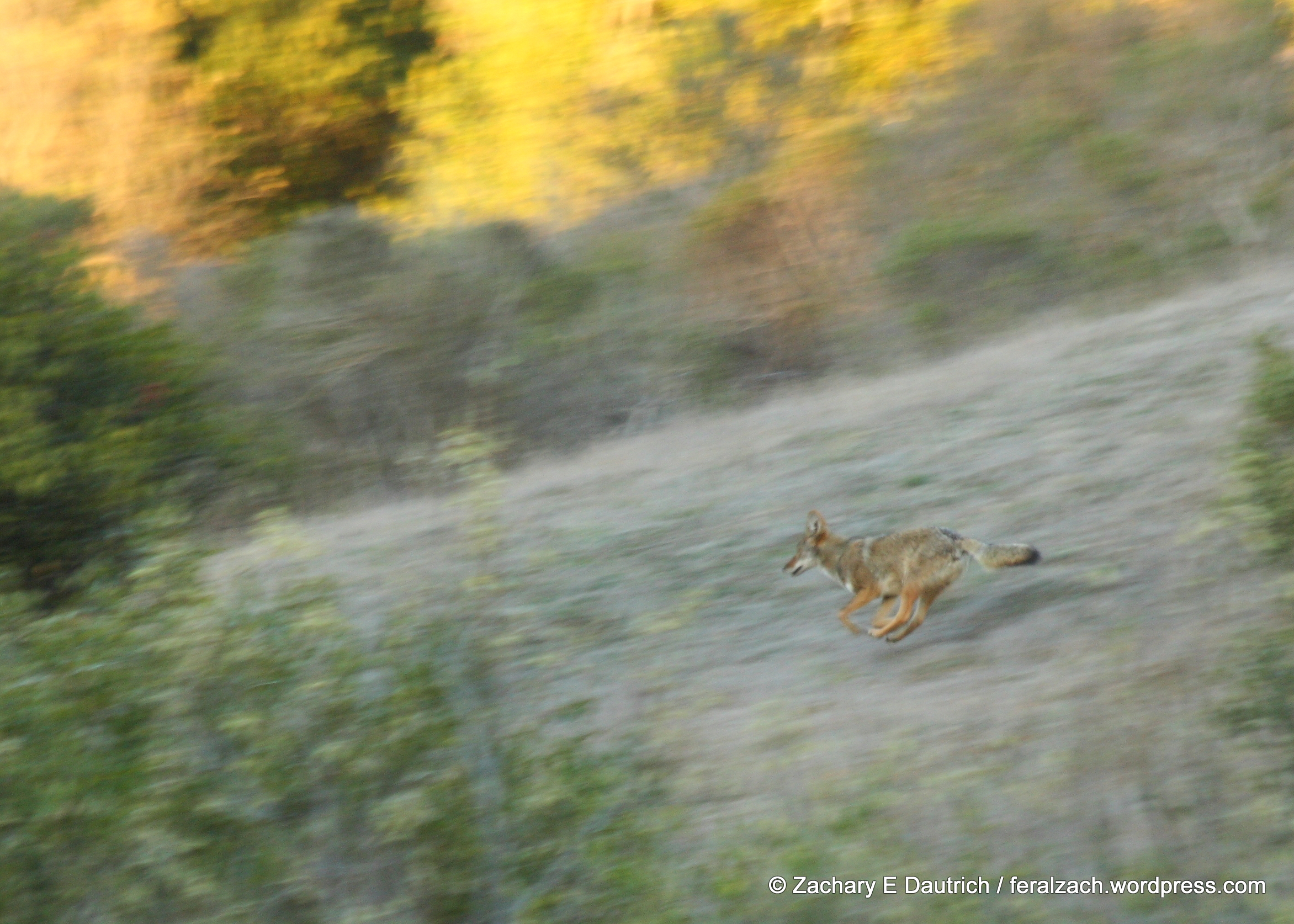
Hopefully I’ll have some more pictures soon.


cardinal sin – rain/snow envy
I, along with all the land here, am yearning for rain.
Here are a couple shots to inspire the clouds above (from my trip to the East Coast recently where I got to play in some snow).
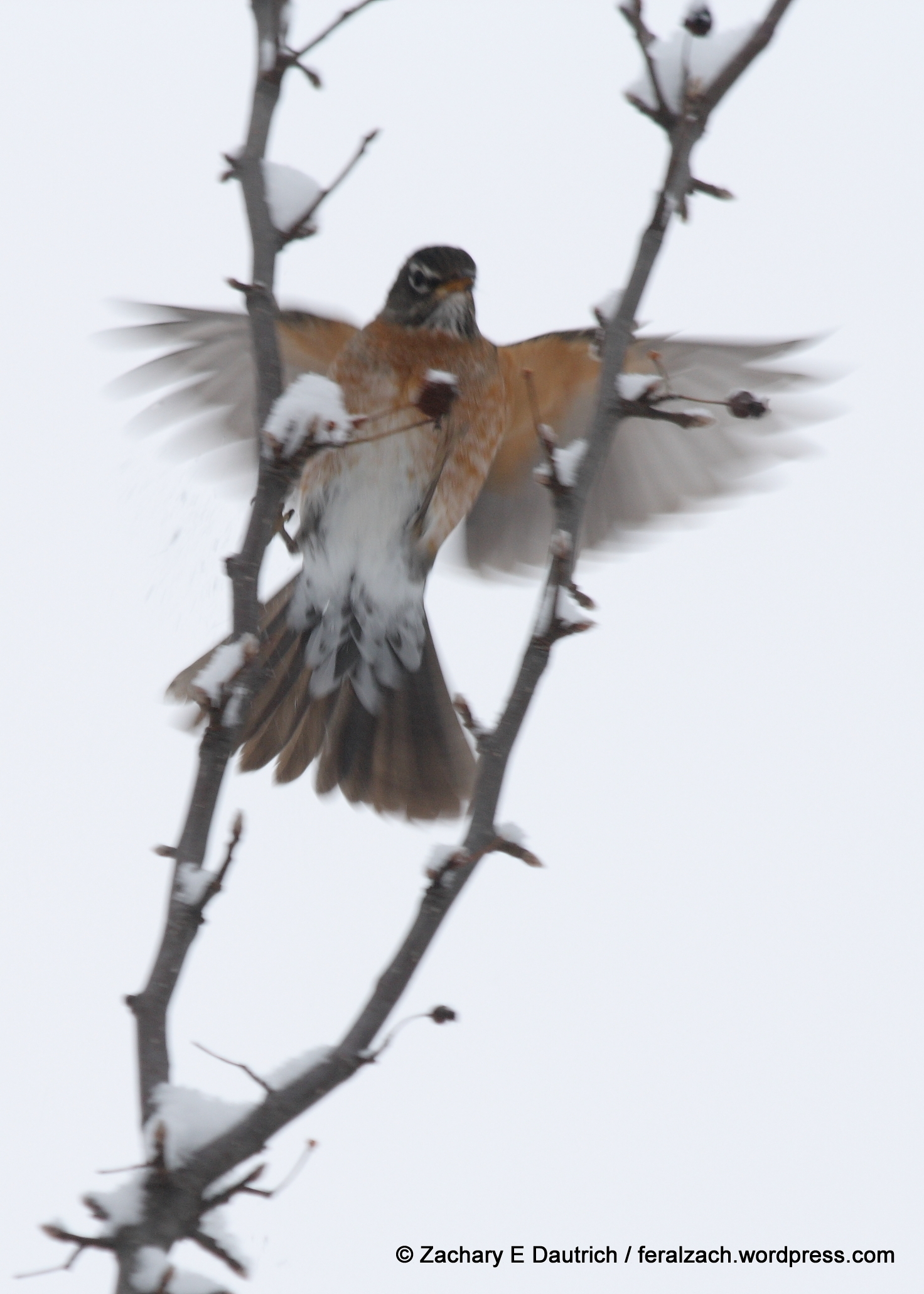
American robin / Lancaster County, PA
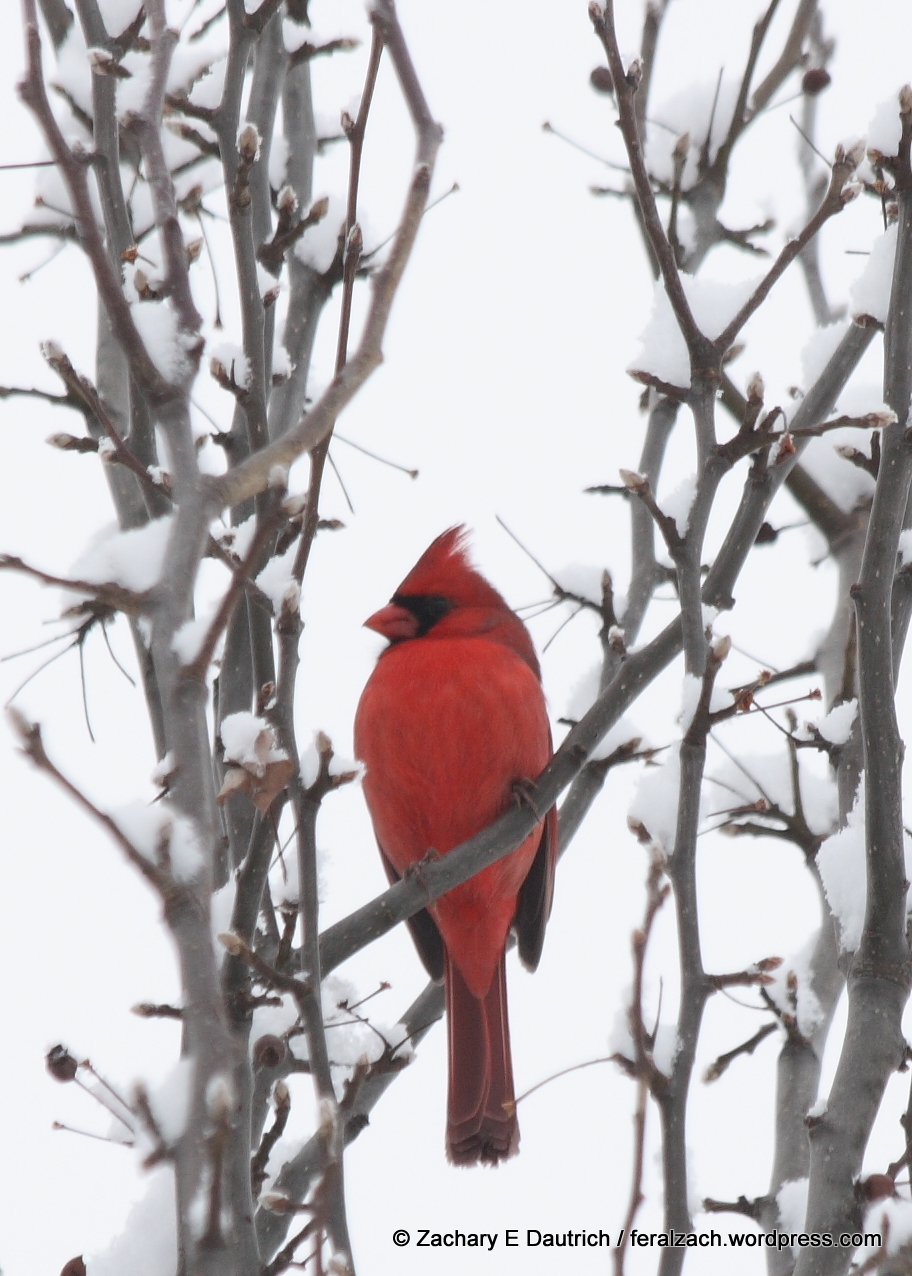
Northern cardinal / Lancaster County, PA

Eastern bluebird / Lancaster County, PA
snowy owls!
On a recent trip to the East Coast, I was lucky enough to get to see a very rare visitor to the contiguous United States – snowy owls!! I was able to see at least two different snowy owls that have apparently decided to overwinter in Lancaster County, PA (see this article), along with many others that have settled in for the winter in many mid-Atlantic States. Definitely a first for me! And what a sight.

Evidently there is a large population of the owls right now, and many have made their way further south this year than usual as part of what is termed an “irruption.” Typically found in the Arctic regions, these birds tend to like large open expanses that are similar to what is found there – like farmers’ fields and airports (the latter being not an ideal arrangement for any of the parties involved).
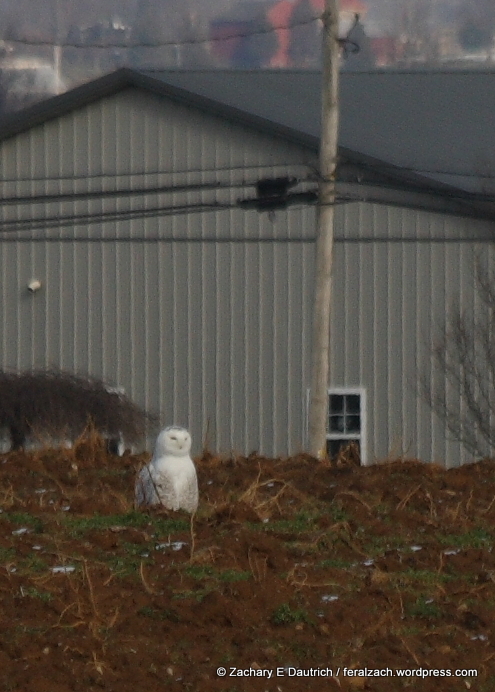
These birds I saw were in some farmers’ fields in the heart of Amish Country. The one pictured above was resting in the field right on the ground, it’s head swiveling from side-to-side every few seconds as it scanned for danger in it’s resting state. Eventually it started to wake up, at which time it played with a stick that was next to it and eventually flew up onto a fence post. I wasn’t as close as I had hoped to be, but it was still magical to see them in this environment – 2 foot tall owls (!!) that are almost completely white. Surreal – especially so with Amish horse and buggies driving by as I stood on the roadside watching.

There was another individual a couple of miles south in similar terrain, this owl was really sleeping deeply, and based on its dark, heavy barring it looked to be a juvenile.

As if all that weren’t enough, literally almost across the street from the first owl that I spotted there was a rough-legged hawk – another rare sighting of a bird that typically makes its home in the Arctic during the summer months but is sometimes spotted this far south in the wintertime. One of my favorite birds to see, their plumage as a species is quite varied but often has beautiful browns, tans, and black feathers highlighted by crisp white patches. They are similar to red-tailed hawks but slightly smaller.

I was really thankful to have gotten to see these owls!
Check out this link to a movie that someone took of two peregrine falcons diving at owls at the beach in Stone Harbor, NJ (one of my favorite places to be) – again, surreal!! Now that’s some Jersey Shore drama that I can watch.
Special thanks to my parents for their support in my multi-day snowy owl search!
another abbott’s adventure … sand stories
i don’t have a lot of words right now. one morning at a place like this is the same as reading 1000 books, combined with touching 1000 textures, smelling 1000 smells, hearing 1000 sounds, tasting 1000 flavors, seeing 1000 treasures and feeling a 1000000 heart strings of life.
we were treated at the beginning of the morning just after sunrise to the five resident Otters foraging in the lagoon, and a visitor that I have never seen before in this immediate area … a golden Eagle!

the above picture was of a creature foreshadowing things to come – this red-legged Frog (?) was a precursor to SO many Frog tracks in the sand, along with many deer Mice and brush Rabbit tracks – appearing in the middle of bare sand dunes for reasons unexplained. I surmise the new moon allowed some expanded forays for these normally reclusive species who stick to the cover of the plants on the edges of the dunes during most times.

brush Rabbit tracks

Frog tracks (likely red-legged Frog)

river Otter scent marking on the dunes

Bobcat (on right) and some type of amphibian (Salamander) tracks on left – perhaps an Ensinitas?

deer Mouse tracks with tail drag

beautiful clear front tracks of a red-legged Frog (right) along with deer Mouse tracks on the left

great-horned Owl tracks leading into a take-off spot
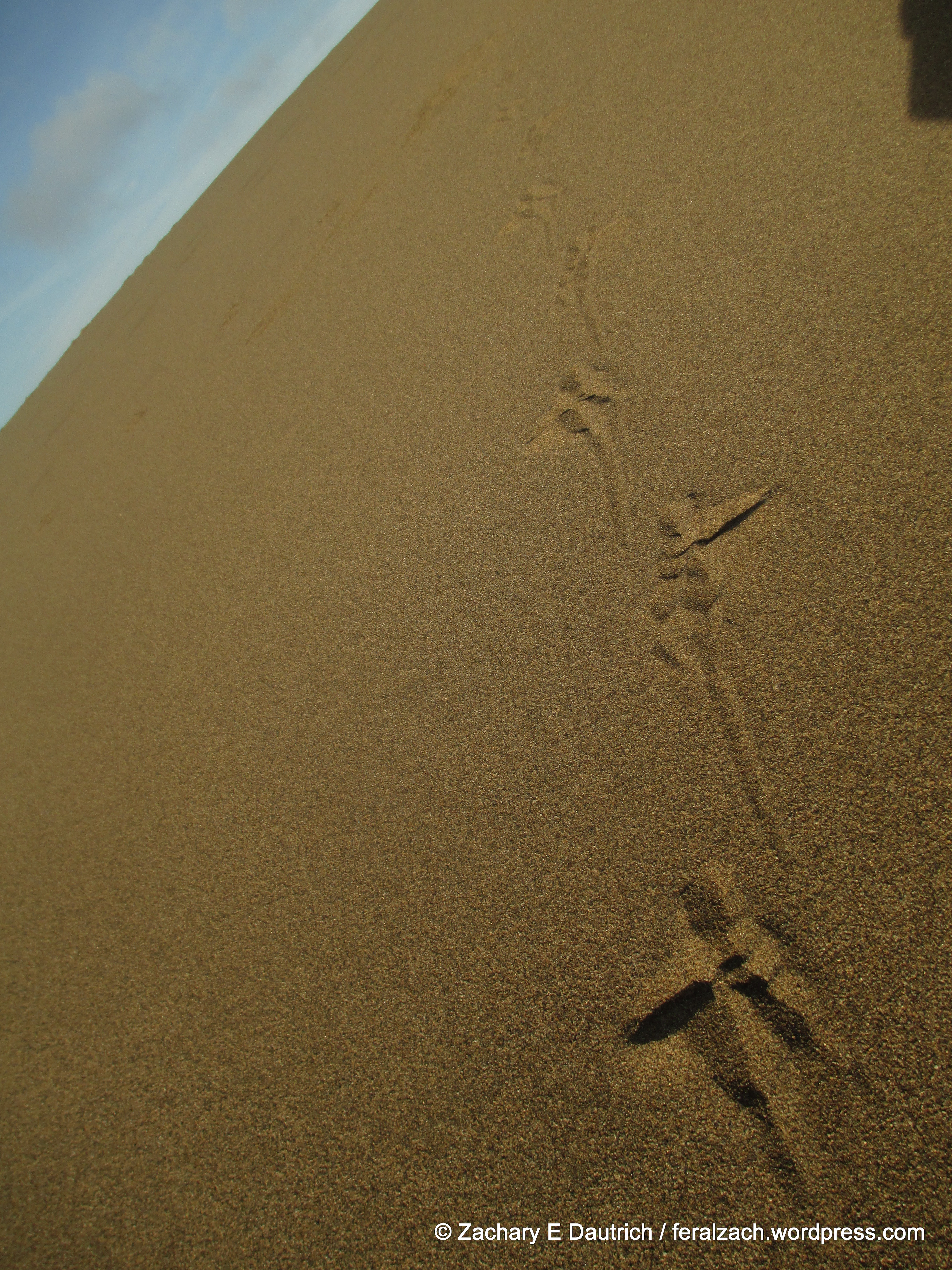
great-horned Owl trail …

WOW! what a find!!!! the trail seen in the picture from the left is a great-horned Owl coming in for a landing (final landing spot seen in the center of the picture). you can see it’s wing and tail feather imprints in the sand. also you can see a Raccoon trail diagonally across the picture from lower right to left (occurring after the Owl), along with faint Frog tracks paralleling the Raccoon, and some two-legged tracks at the top.
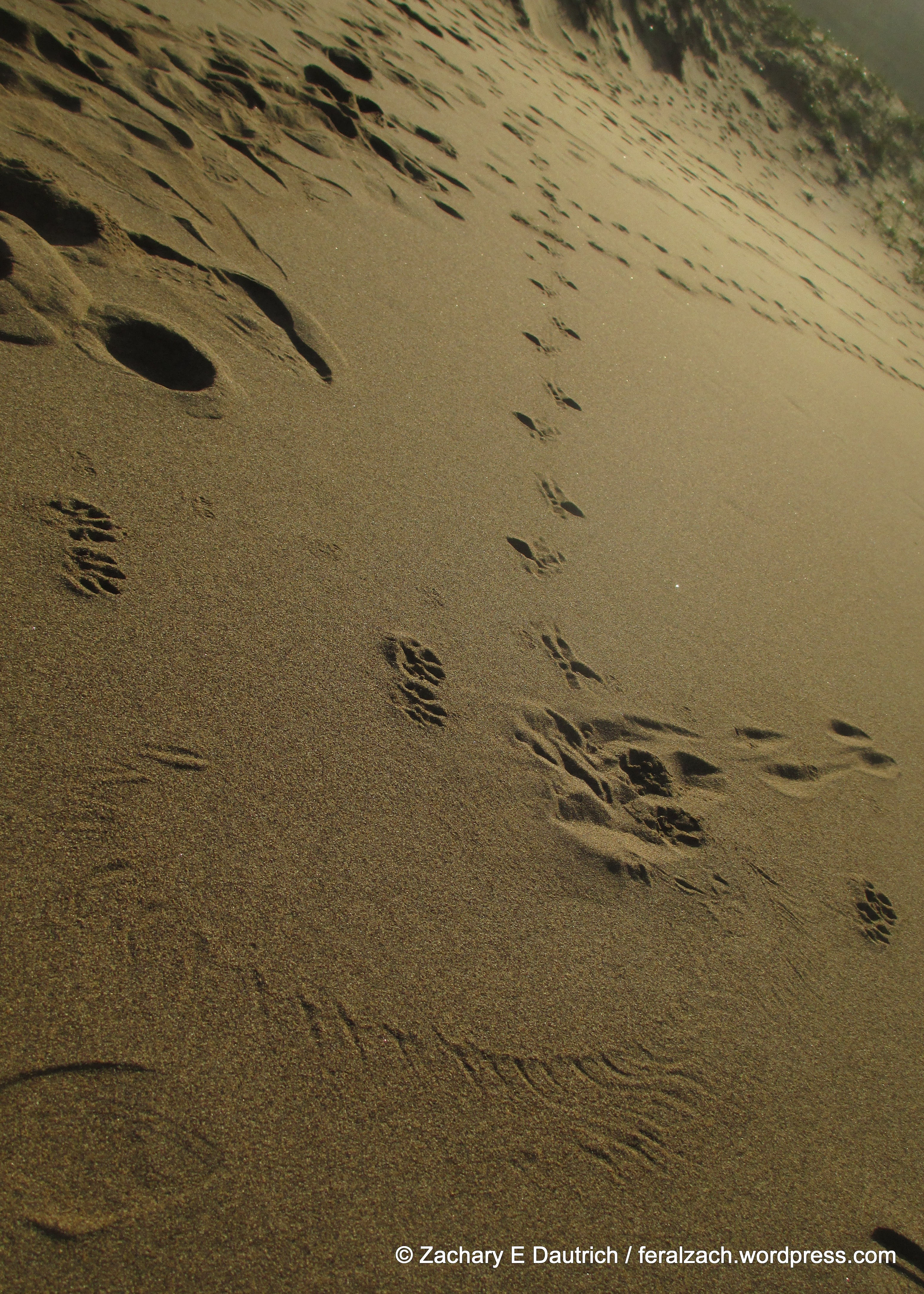
another view of the great-horned Owl landing spot (along with feather marks in sand!!), and its trail leading away from the landing point – ultimately to a take-off spot around 10 yards away. again, you can see the Raccoon trail across the center, and many other tracks in the background.
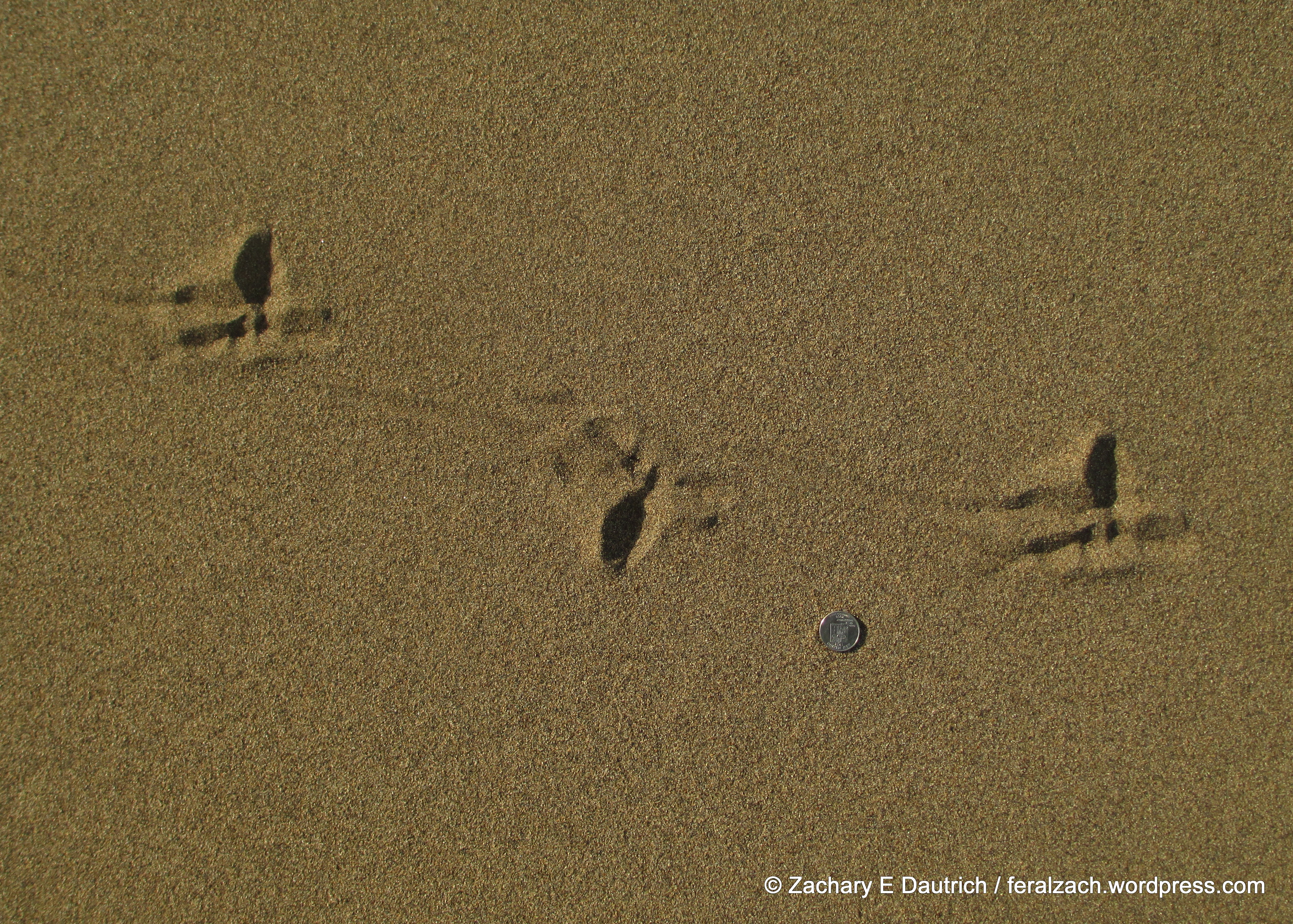
great-horned Owl tracks

a beautiful black-tailed mule Deer trail

Sanderling trail (?) … though I’m open to other interpretations … and some faint deer Mice, Frog and insect trails – this was found in the lagoon sand dunes, far from the surf

more Sanderling (?) tracks

another (!) great-horned Owl trail in the sand dunes!

one of my favorites to see live (but seldom a dependable sight), there were plenty of north american river Otter tracks around
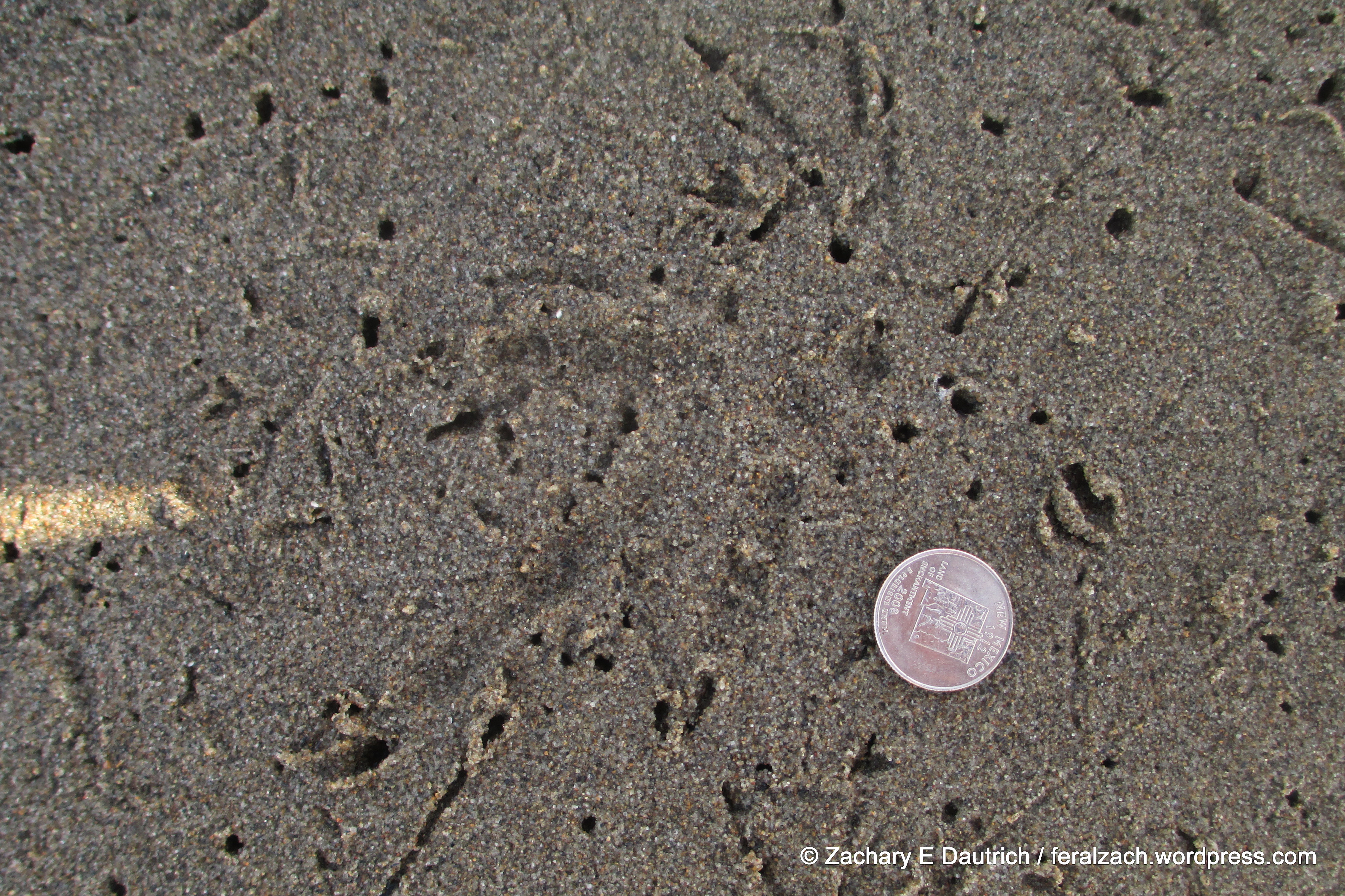
the turkey Vultures are always hanging around for a meal, and this (faint) track (among smaller shore bird tracks) showed that they are quick to come in on the remains of shore birds who are predated at the lagoon by a varied cast of opportunists …

Bobcat tracks in sediment / algae

Bobcat trail in sediment / algae

Bobcat tracks (nice shot of front and rear) – based on the size and the shape, we decided it was likely a male
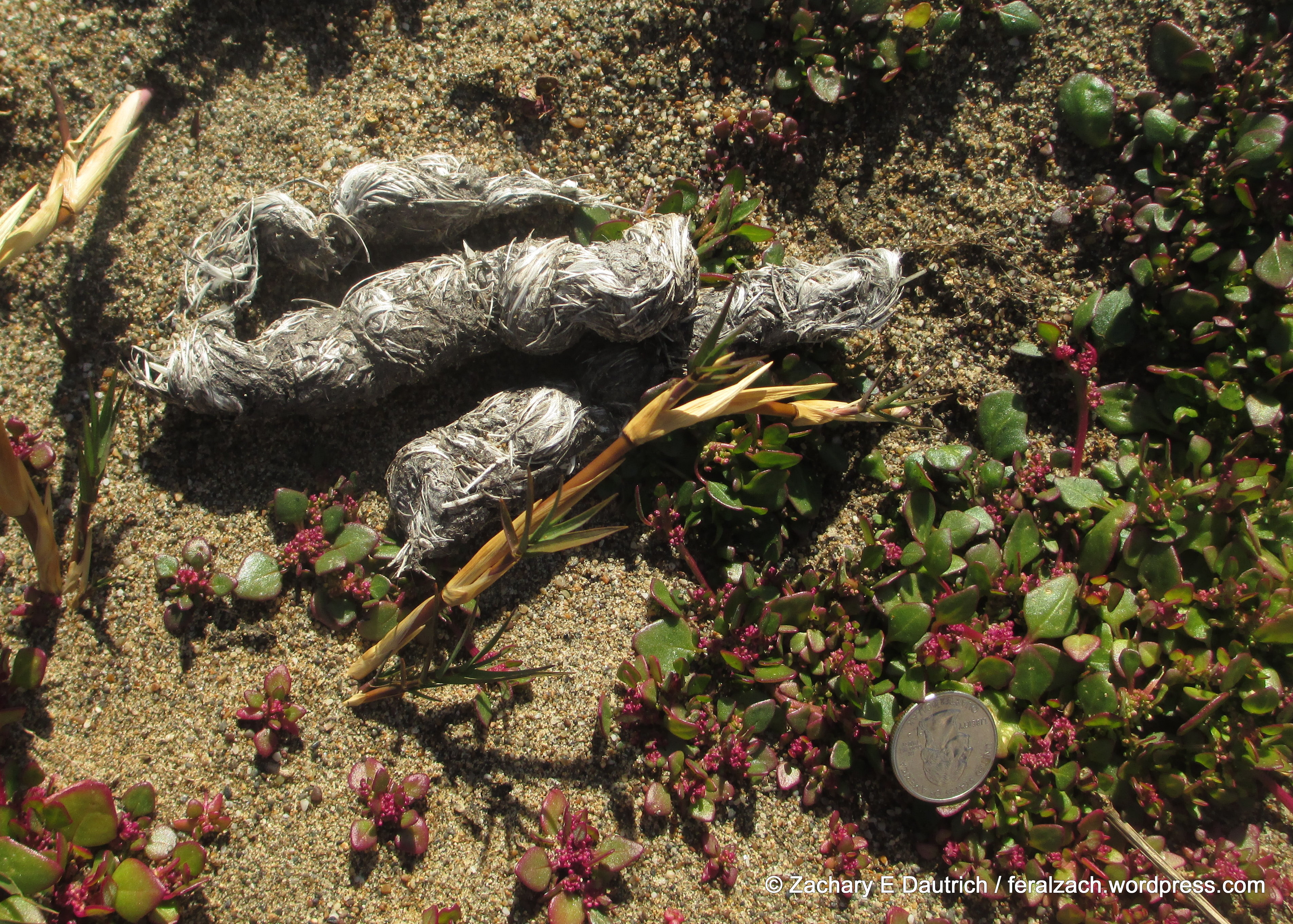
likely a Bobcat scat – it contained almost purely feathers!

Osprey – one of the NINE raptor species that we were treated to seeing on this day (Osprey, northern Harrier, white-tailed Kite, Kestrel, peregrine Falcon, turkey Vulture, Red-tailed hawk, Ferruginous hawk, and golden Eagle!). My friends also saw a Cooper’s hawk as they were driving out.

Red-tailed hawk on dunes

these snowy Plovers, a highly endangered species, were using human tracks in the sand as wind breaks from the increasing gusts coming in from the ocean – it was pretty adorable
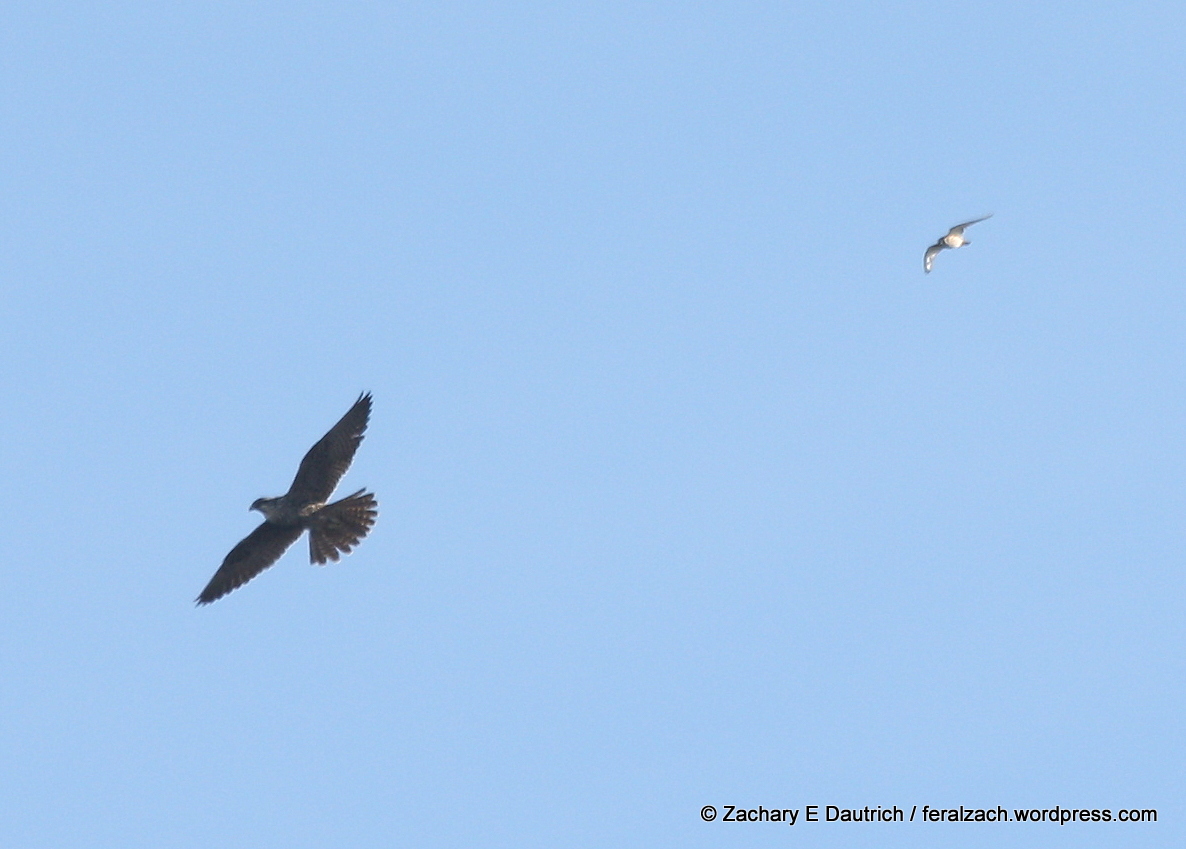
this peregrine Falcon was not welcome company for the Kestrel who was attempting to escort it out of the area
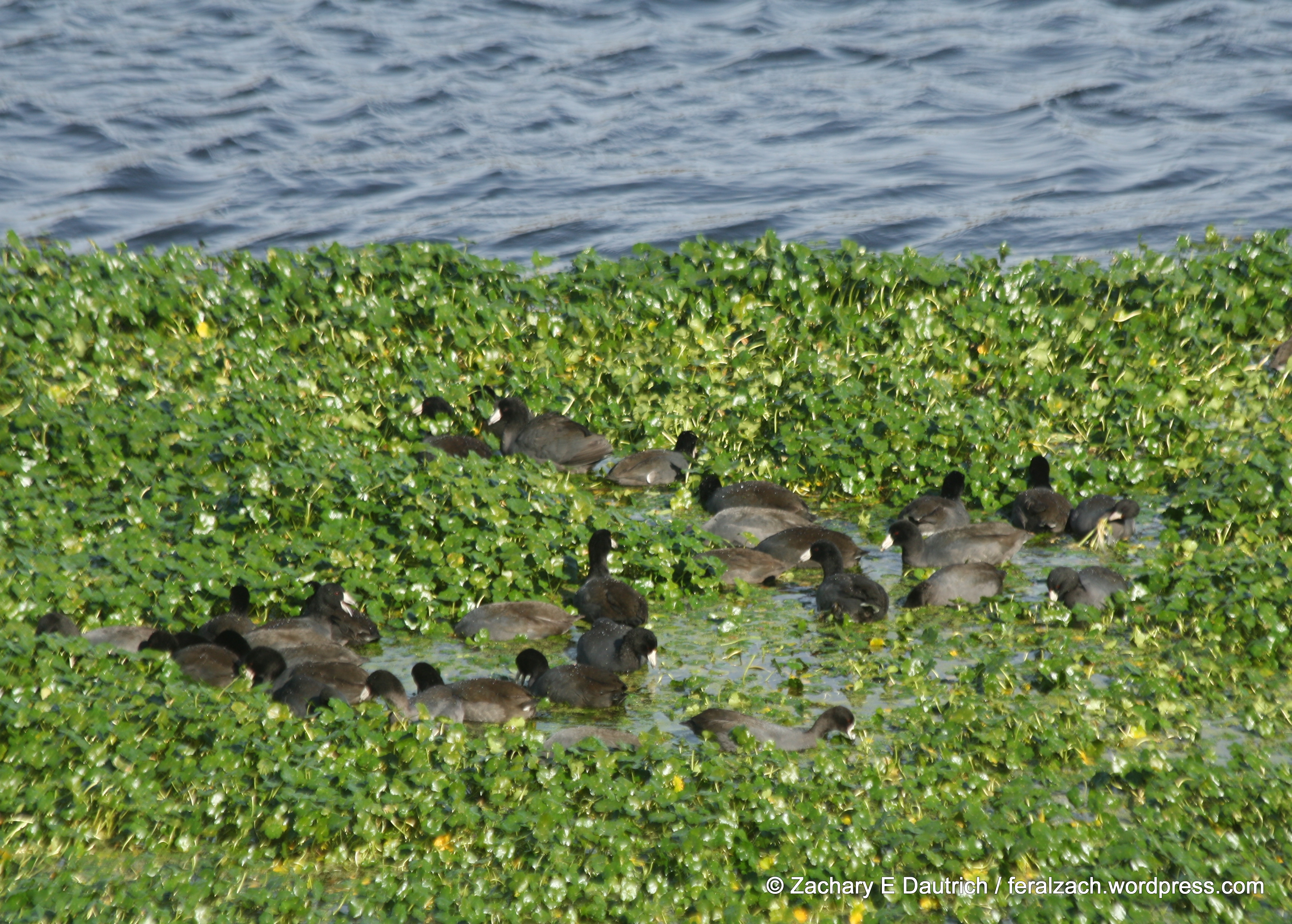
the “mud hen,” or Coot – top of the menu for many predators at this time of year here. when the Otters come by, they move to the shore and band together, waiting for them to pass

for reasons still not understood (by me), the Ravens were harassing the Red-tailed hawks as usual. perhaps it is for fun or to prove social status … fun, being something that the Ravens seem to incorporate into their lives all the time, evidenced by their frolicking in the air lifts caused by the oncoming winds into the dunes. seeing them play in the air is like watching Otters in the water, the energy is simply fun!

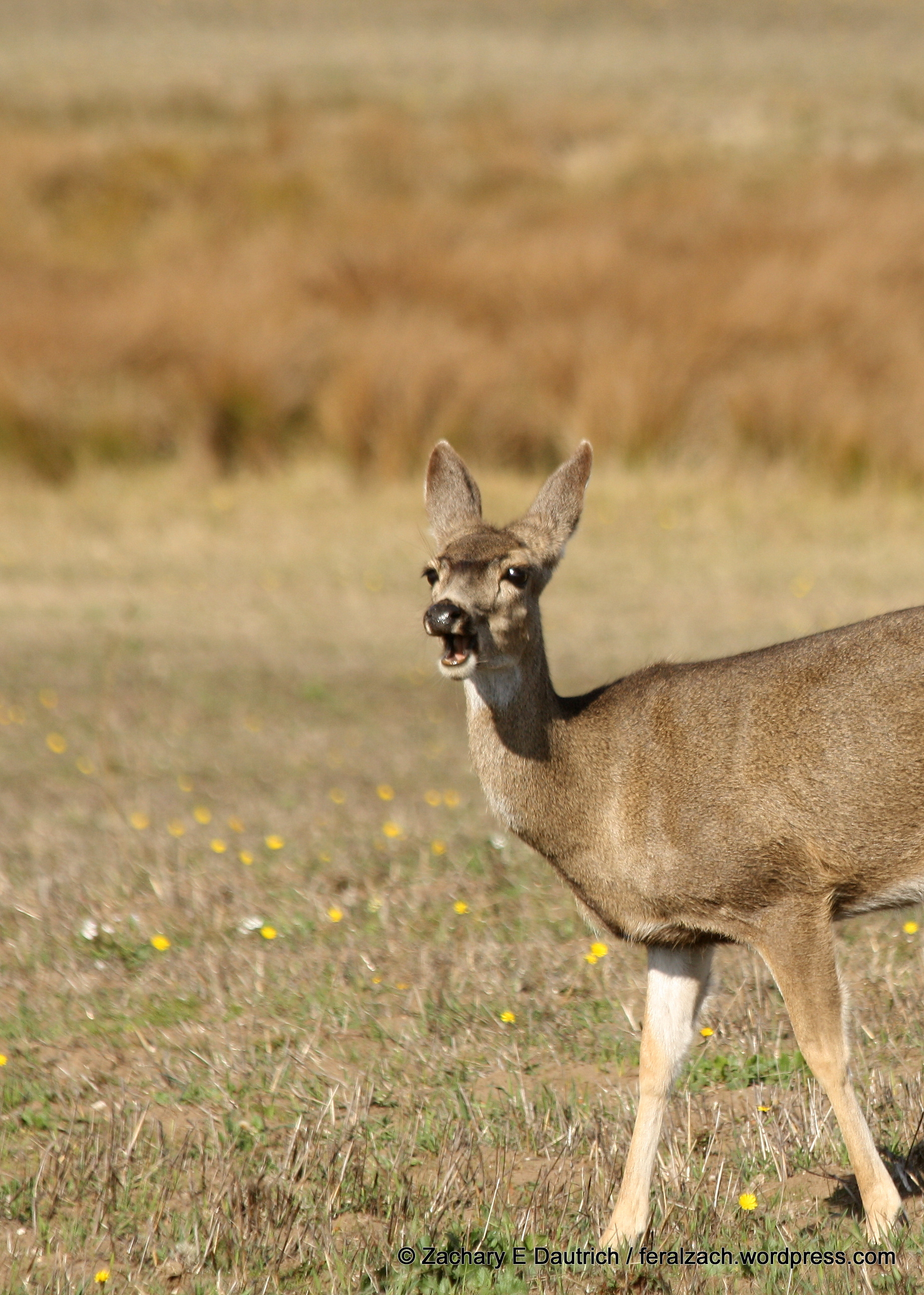
lots of black-tailed mule Deer around in the fields, where we also saw lots of Badger sign

Coyote tracks

a cool shot of some black-tailed mule Deer tracks in the sand (with some two different bird tracks on the right of the frame)
the only animal signs that I might have expected to see and didn’t on this day were the grey fox and jack rabbit. grey Fox sign isn’t often seen right in this area, but jack Rabbit is. curious.
what a great day out at Point Reyes National Seashore, this place is such a gift – may it be protected for all this diversity of life to thrive, always.
zd
teaser
There are too many photos and stories from yesterday to rush this tale, which I don’t have time at the moment to honor properly – but here are a few teaser photos until I do. Honestly, books could be written about what is found in any few square feet of space in places like Abbott’s Lagoon. The richness and density and variety of life in this area, along with many friendly substrates that record so much of it to see afterward, is just such a gift.

The above picture is of a Great-Horned Owl landing spot in sand – you can see where it landed, and in the foreground is the imprint of its wing feathers in the sand. You can also see the trail of it walking away, out of the frame to the top left of the picture … a trail of about 15 feet, where it took to the air again.

Black-Tailed Mule Deer Buck
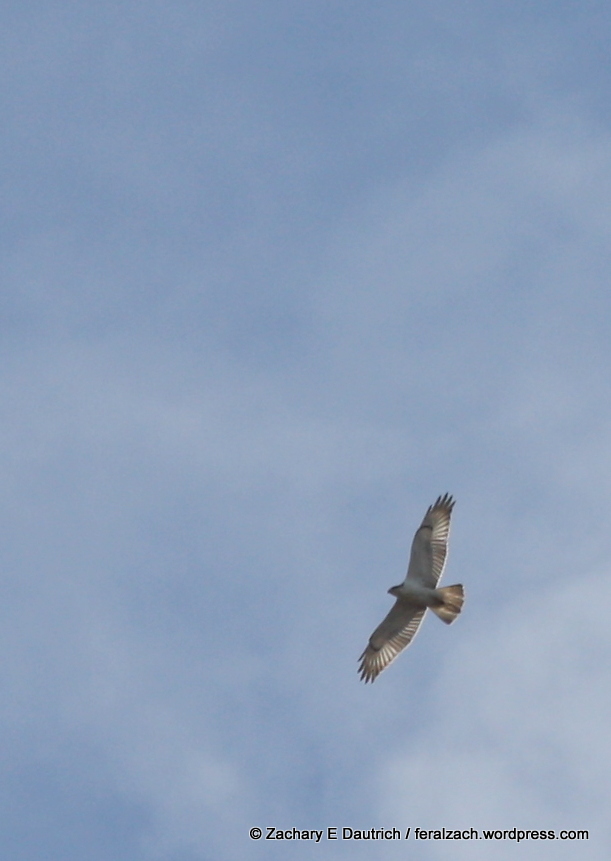
Ferruginous Hawk
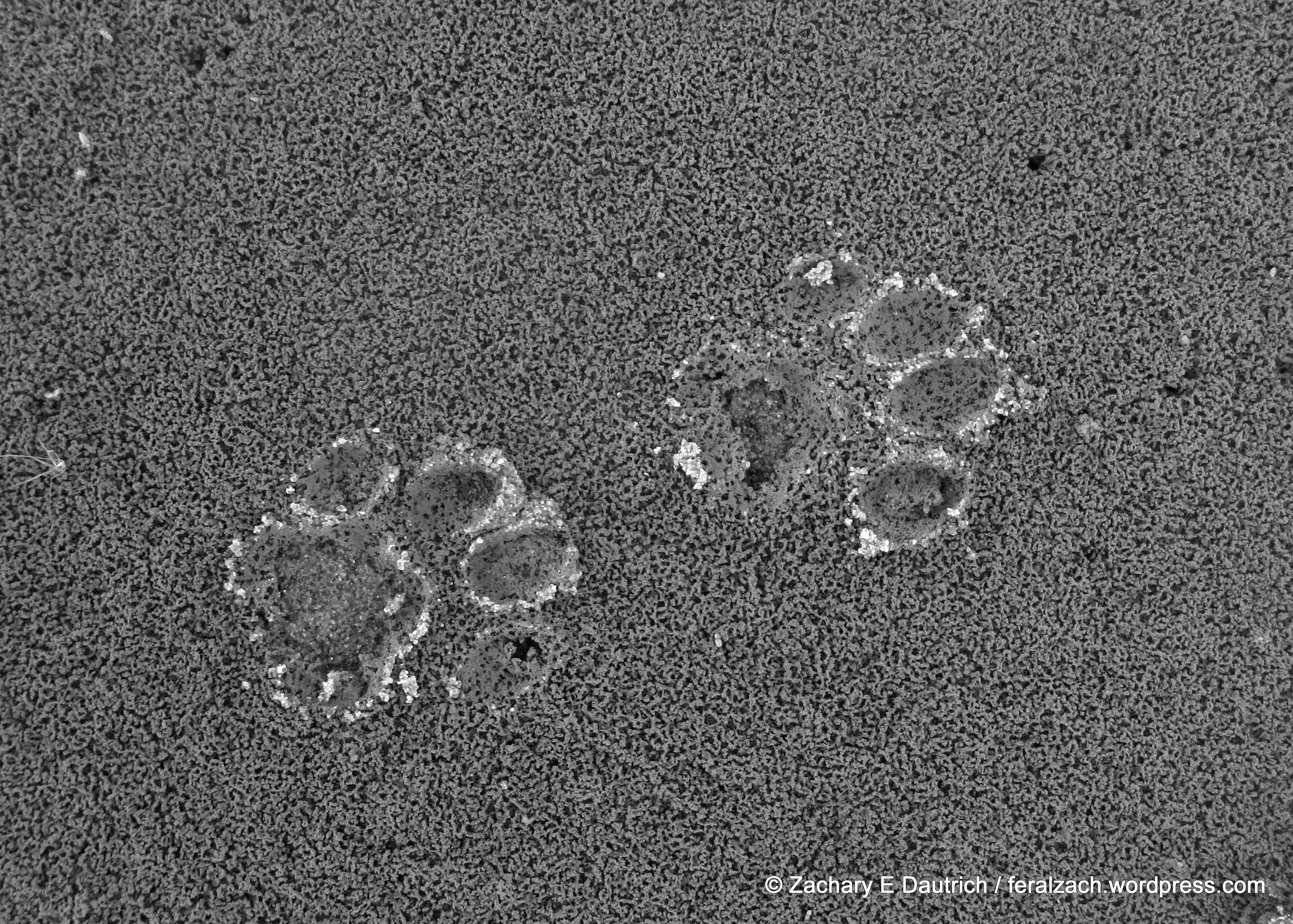
Bobcat tracks in algae/sediment
another otter day …
… in this odder month.
A few coyotes too on this beautiful day on the coast with sunshine and little wind with highs in the 60’s.
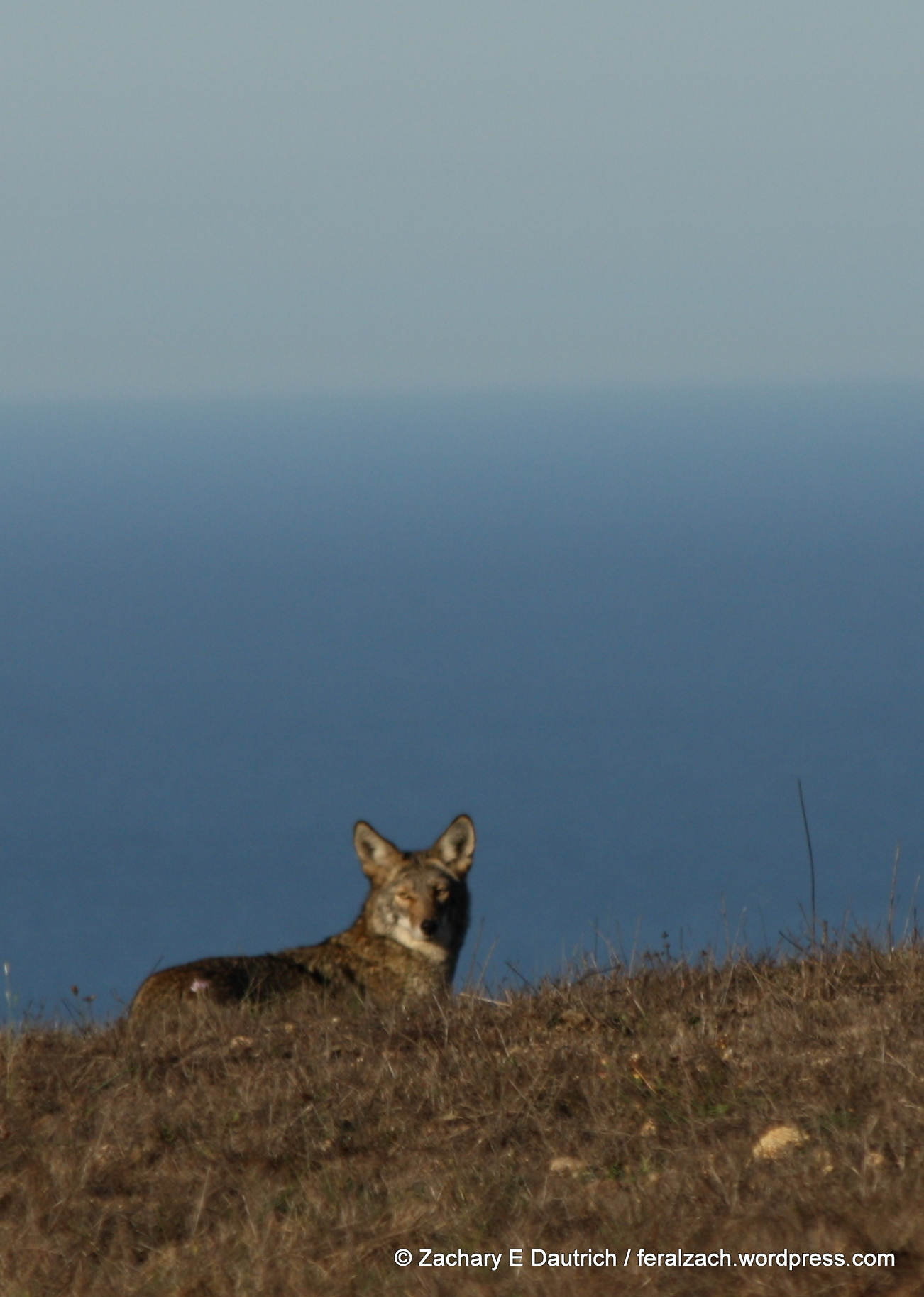
coyote and the Pacific
This otter, one of the five “regulars” at the lagoon, was chowing on a large bass. A few of them caught some large bass as a small number of wary coots looked on from the edge of the water (they are also on the menu). Usually we just see their sign on the banks, but lately I’ve been getting a show.

north american river otter

north american river otter

north american river otter
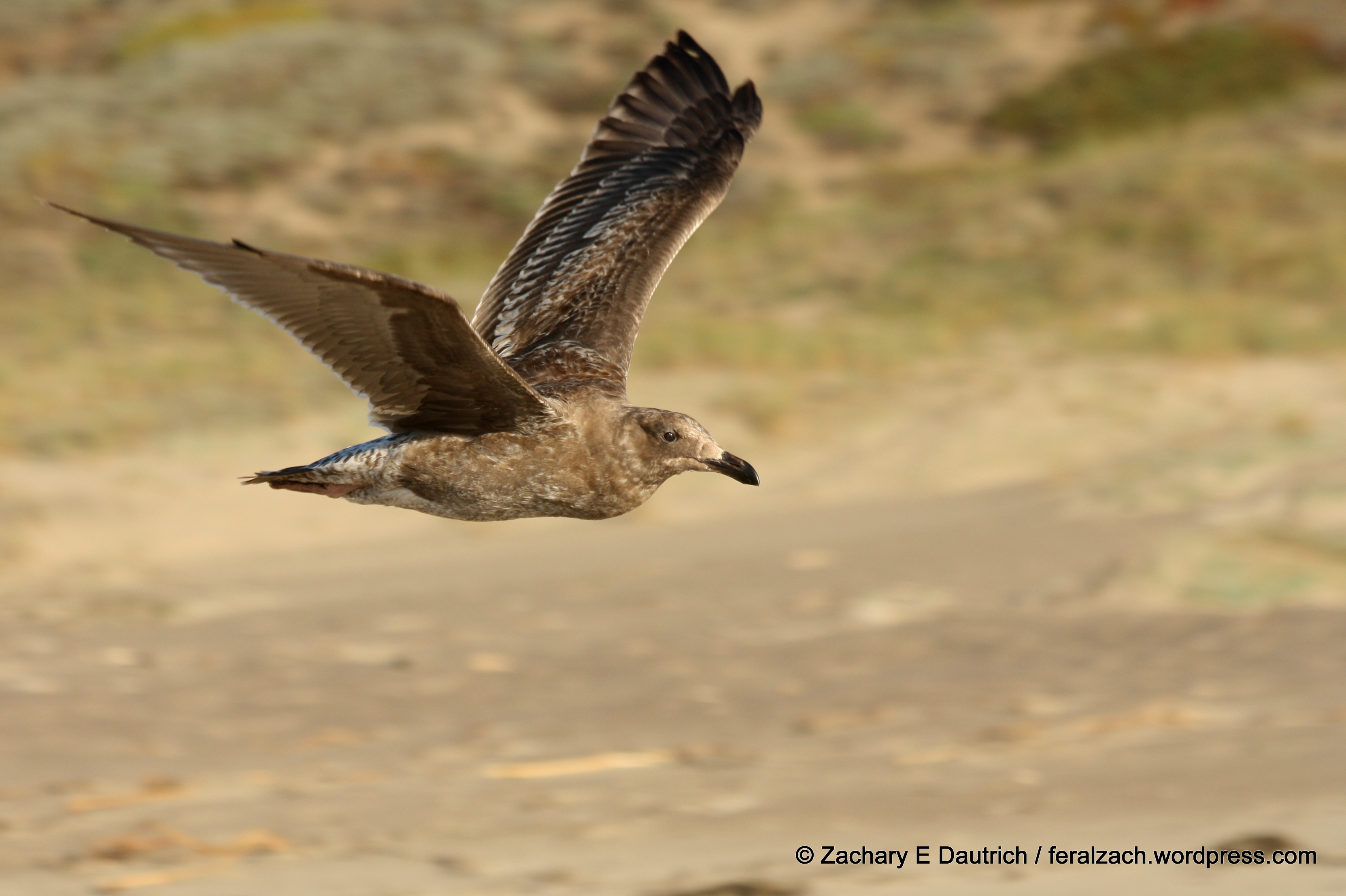
juvenile gull

harbor seal in the surf
I spotted a raft of sea lions heading south in the water at a fast clip – they were taking turns breaching a few hundred yards off shore, often totally coming out of the water. It seemed they were feeding, as opposed to avoiding a large shark (also a possibility, as this area is in the “red triangle” aka great-white shark breeding grounds).

breaching sea lion
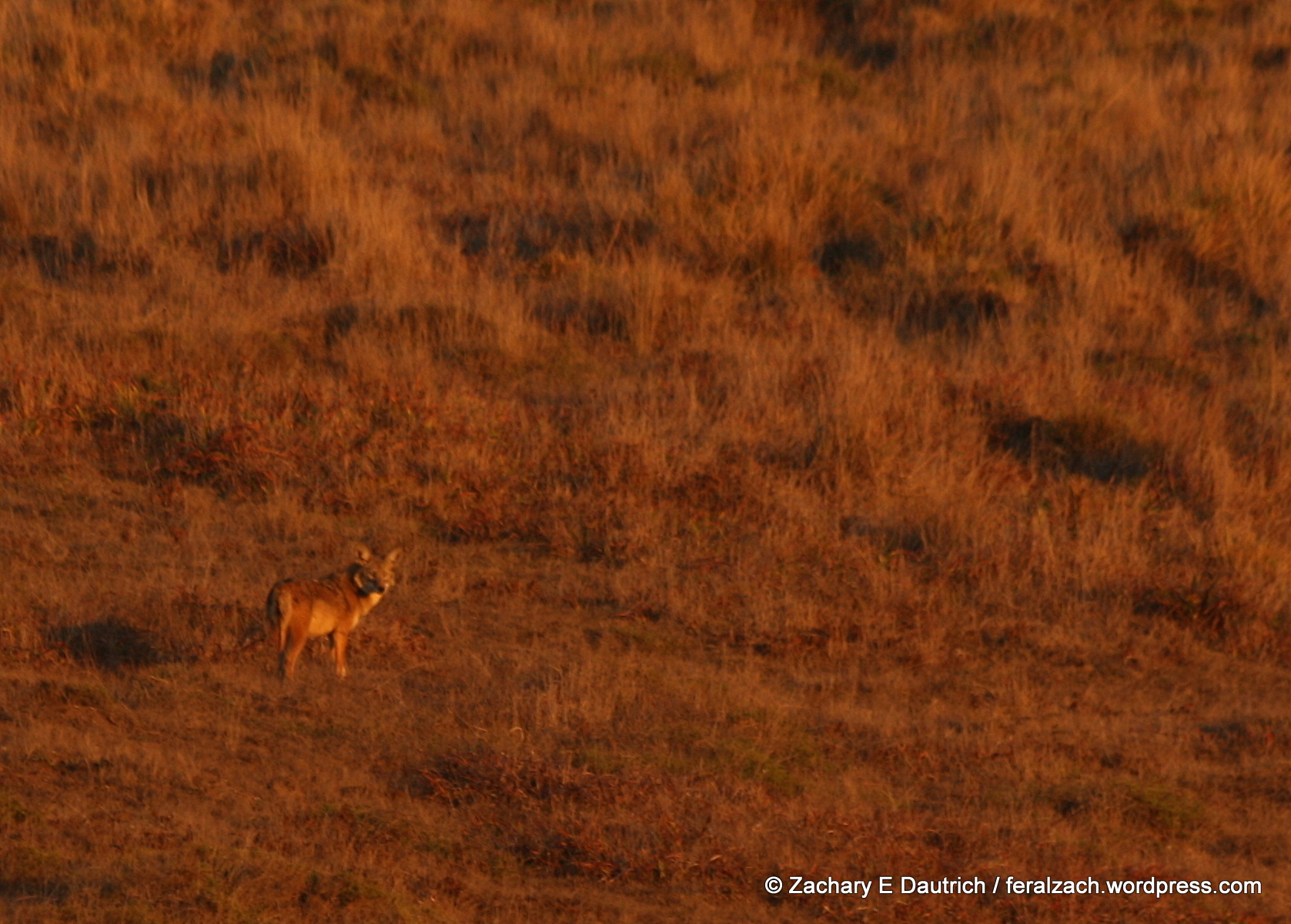
sunset coyote
western spotted skunk
The rare spotted skunk made itself know a number of times one day a few weeks ago out at Point Reyes National Seashore … sadly one of them was road kill. But, it offered a chance to really check out it’s feet (which, consequently, I paid for by having a smelly hand for three days). They are smaller than the striped skunk, but equally as smelly. Very cute though.
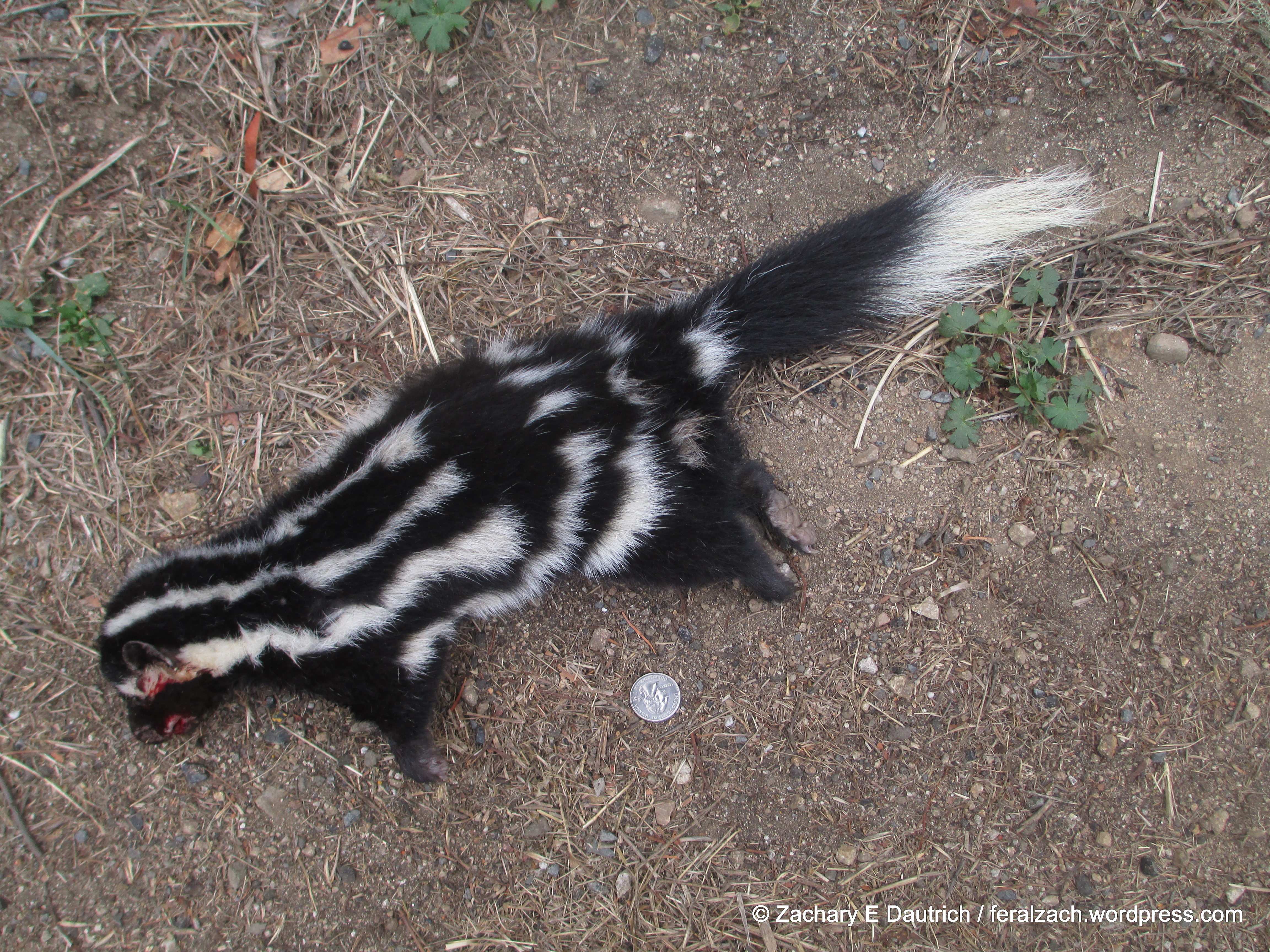
spotted skunk

spotted skunk rear left foot

spotted skunk front feet
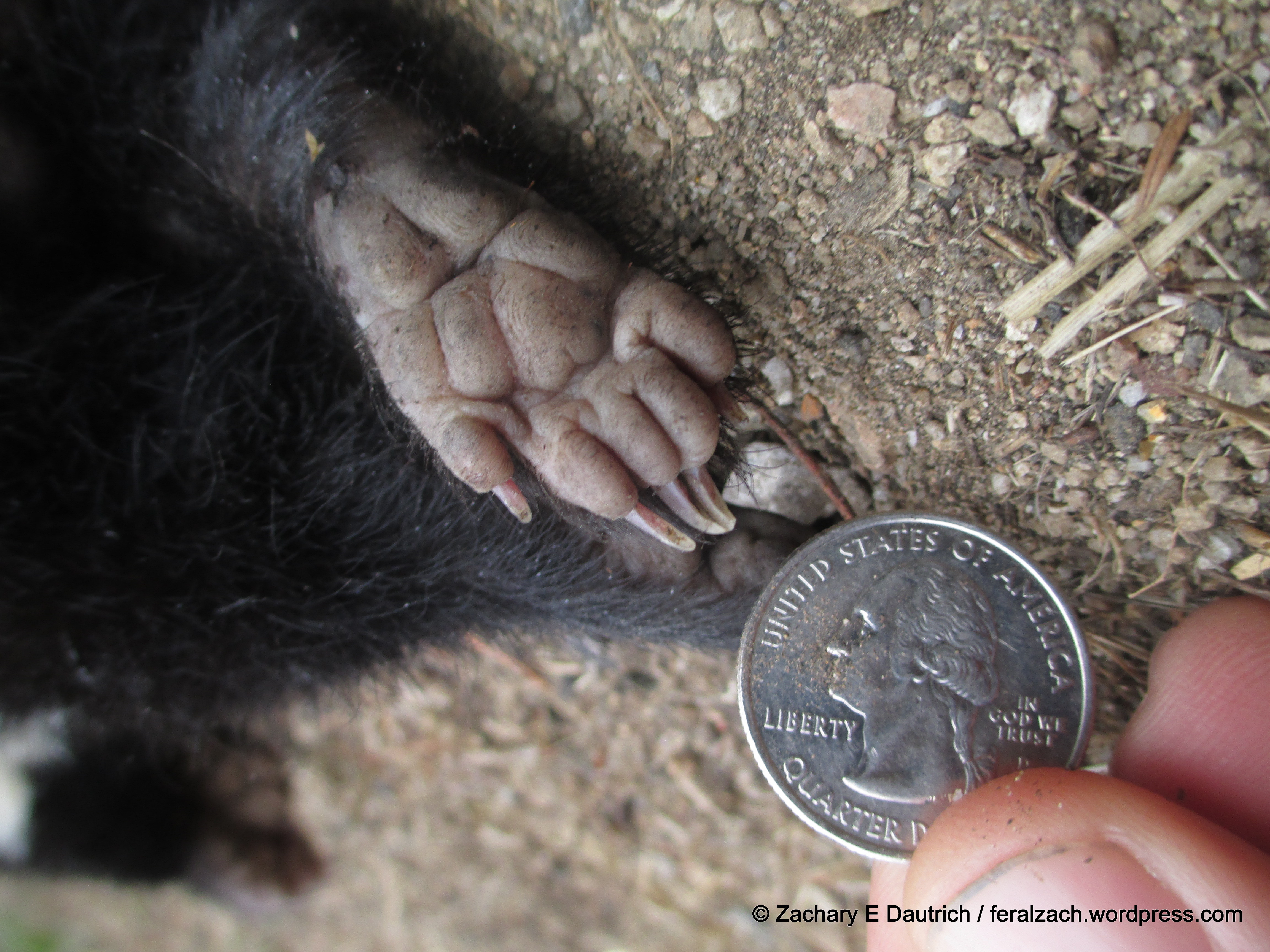
spotted skunk rear right foot

spotted skunk trail

spotted skunk trail
Abbotts Lagoon Oct 2013
An otter day. And an otter moment. In a very odd month.
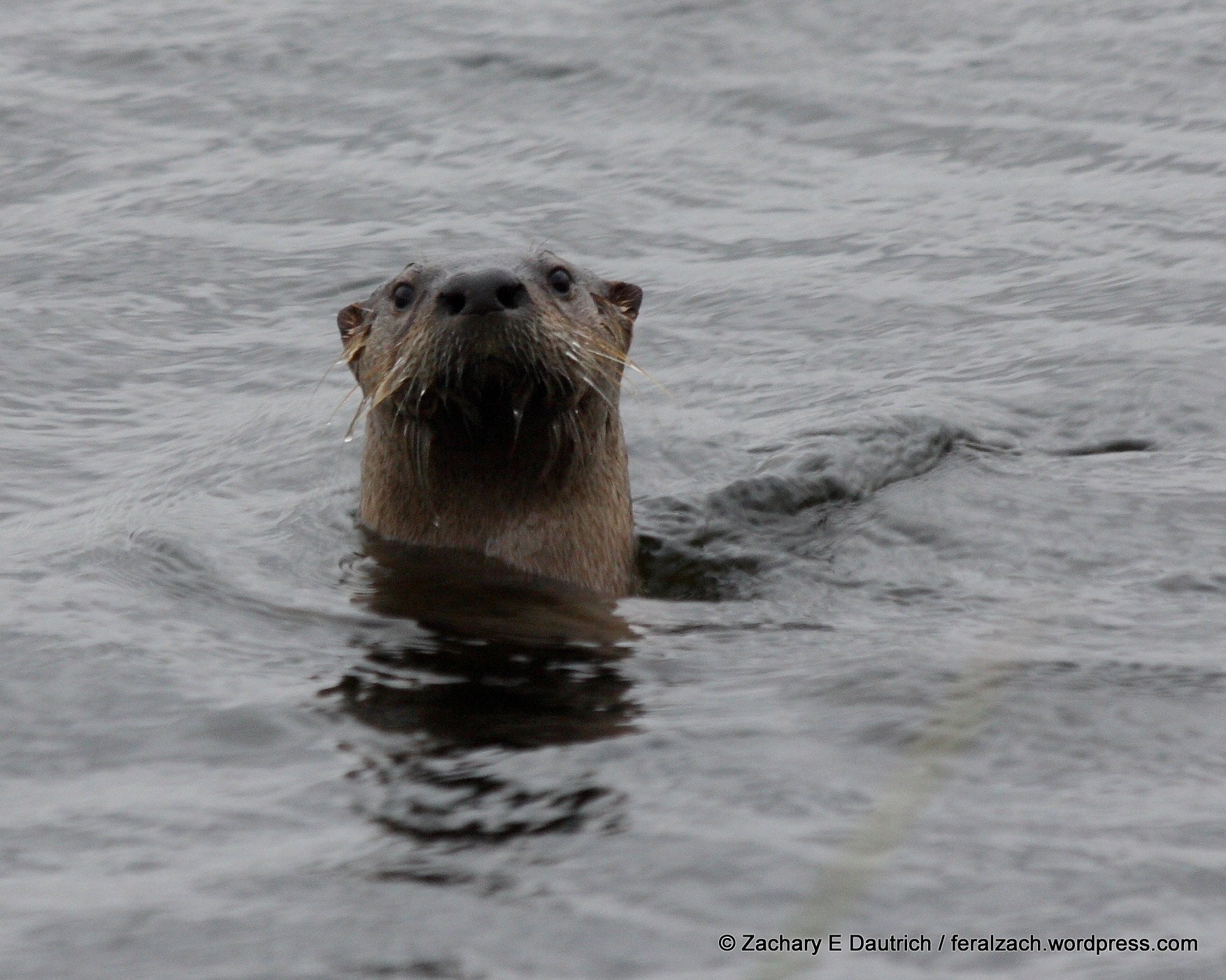
north american river otter
It was this one’s turn to use Nature’s all natural giant sand dune litter box.

north american river otter
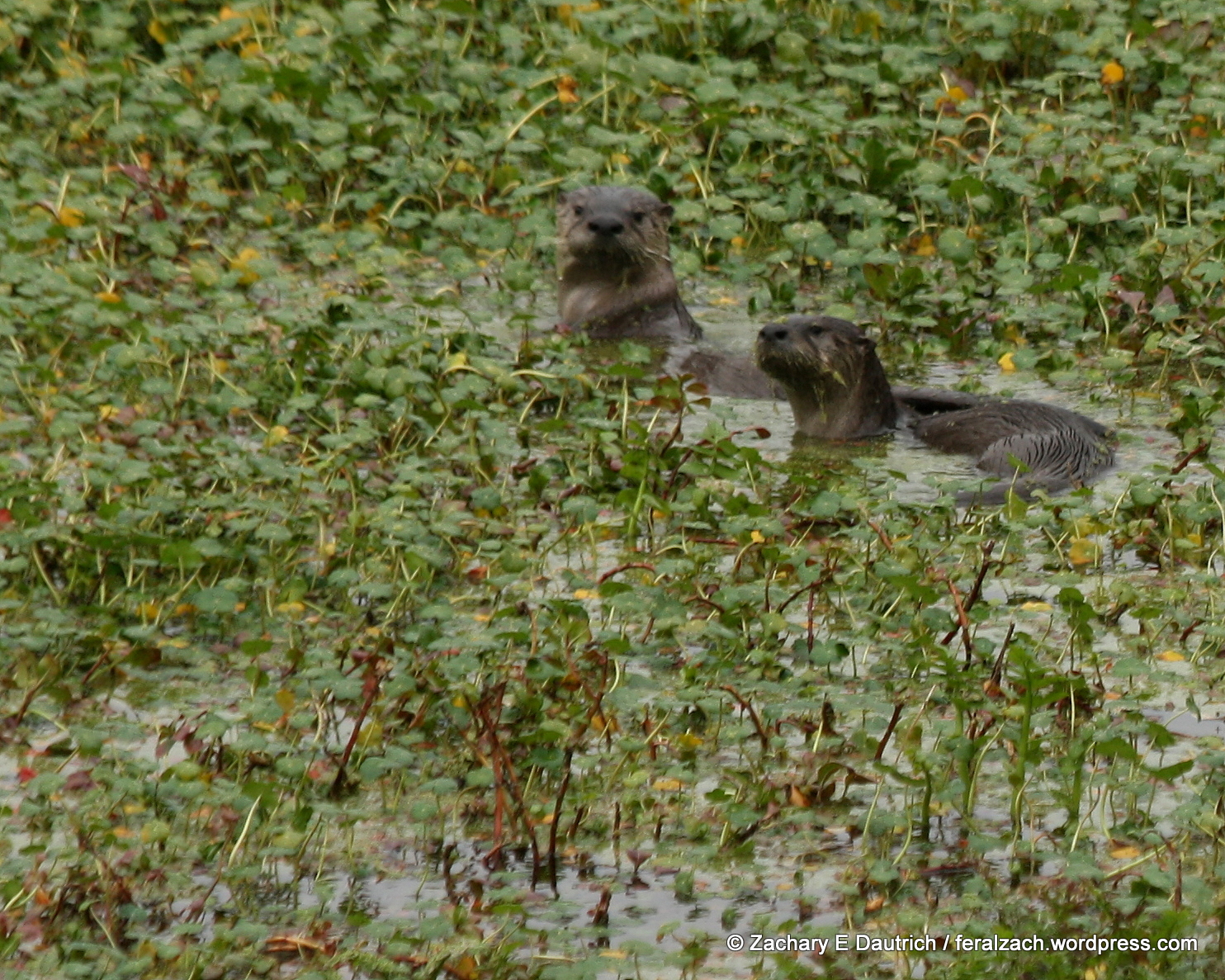
north american river otters

a ferruginous hawk
This fella was really into the rut. The doe, not so much …

black-tailed mule deer buck and doe
He was catching some serious air, hot in pursuit.

black-tailed mule deer buck
None of us did so well in our pursuits this month, it would seem …
Abbotts Lagoon Sept 2013
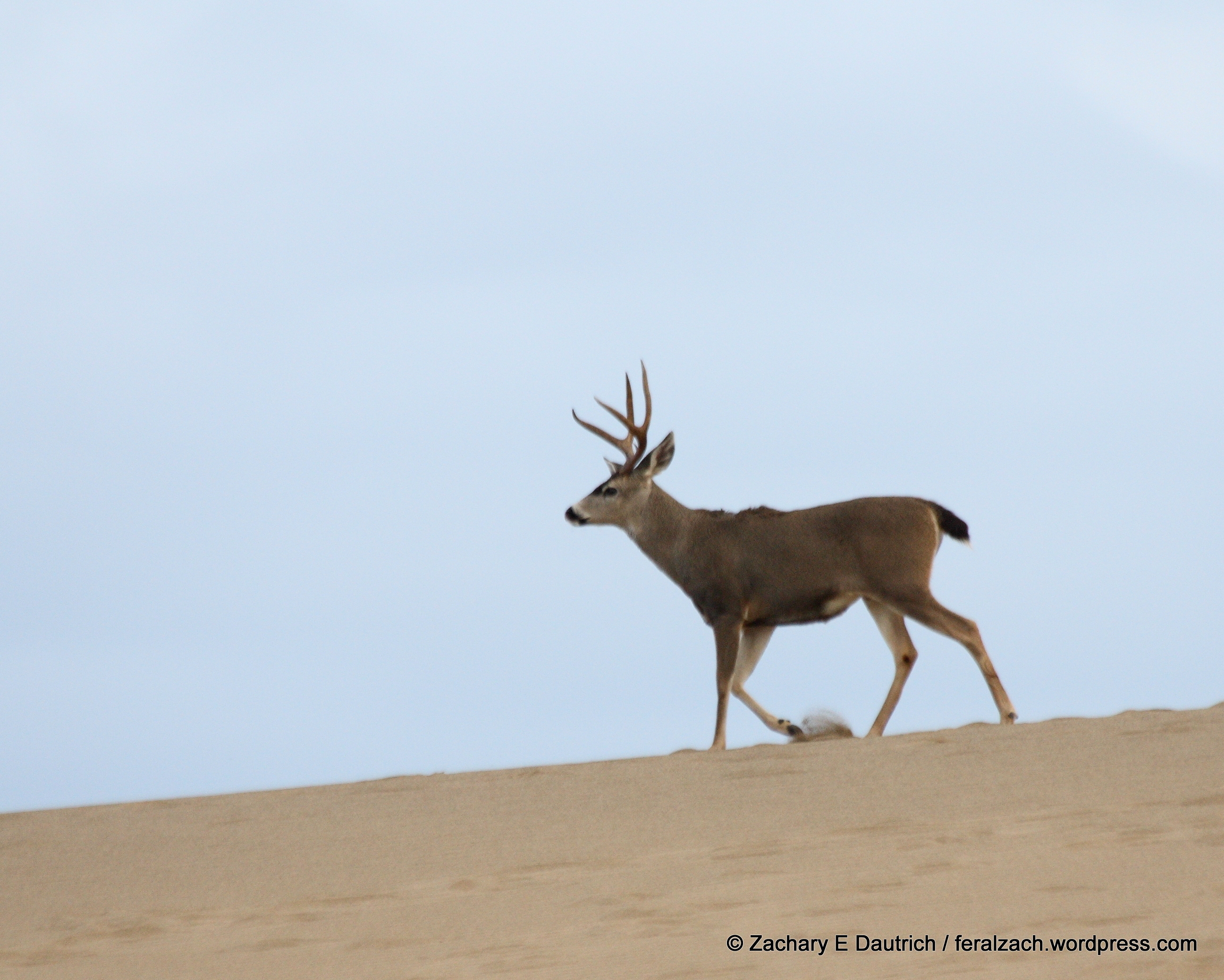
black-tailed mule deer buck

Morro shoulderband snail

Morro shoulderband snail and trail

receded lagoon bed

black-tailed mule deer ma and fawn

beautiful dune grasses

muskrat

red-tailed hawk

juvenile peregrine falcon

north american river otter tracks
magical merlin
This fella was busy eating on a perch this morning, plagued by yellow jackets trying to get some of his breakfast – and finally chased off by a female kestrel after eating the last morsels. What a great sighting, with really good views and light!

merlin / Laguna de Santa Rosa CA

merline / Laguna de Santa Rosa CA
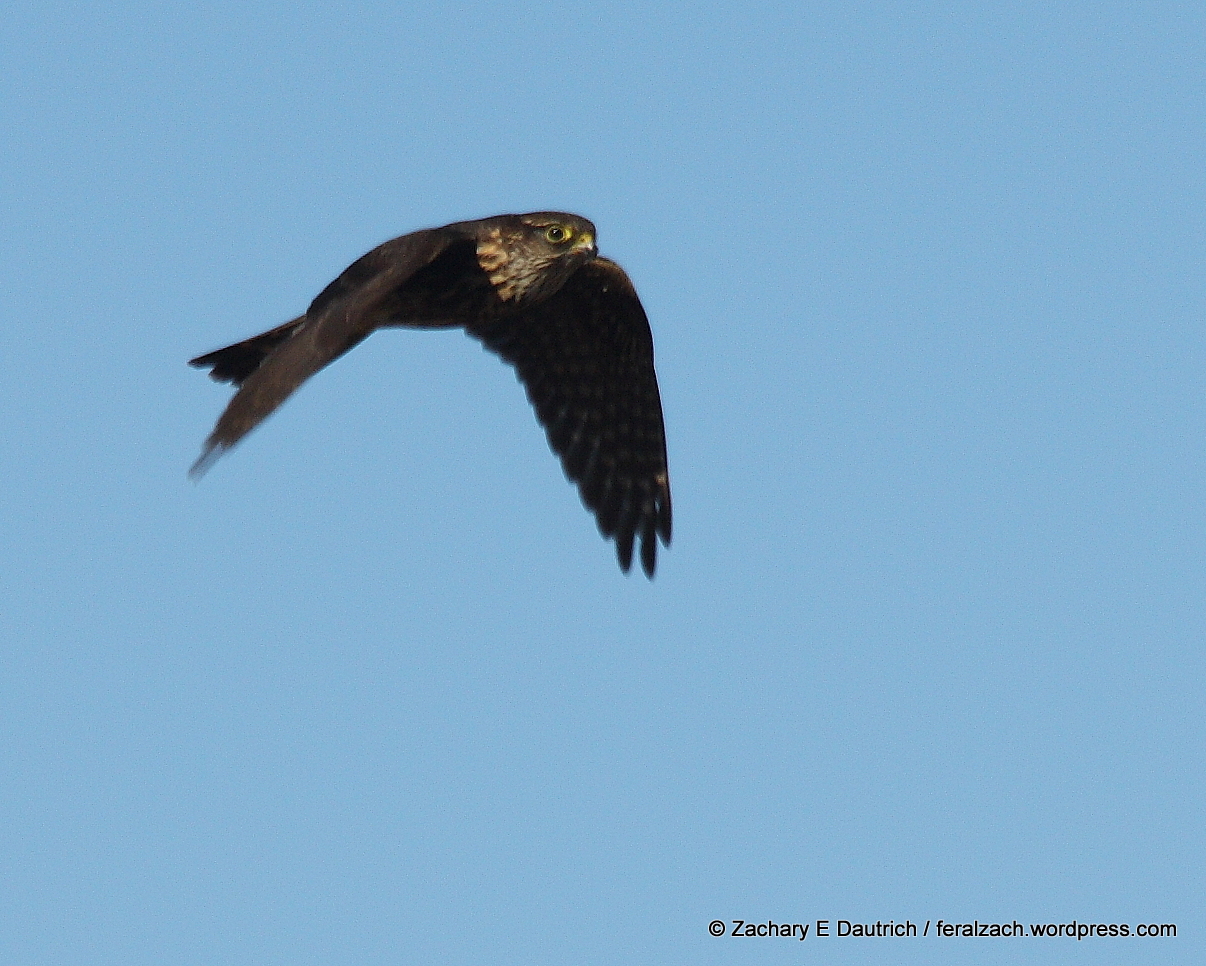
merlin / Laguna de Santa Rosa CA
I’m guessing that this a male based on the blue-grey feathers on its back and upper wing coverts, the bit of rufous coloring on its chest and also because it was quite a bit smaller than the female kestrel that chased it off its perch. Females are larger and tend to have more of a brown coloring on the upperparts and lack any rufous wash.
neighborhood gopher control
This lady works the day shift, a great-horned owl works the night shift. I feel bad for those gophers.

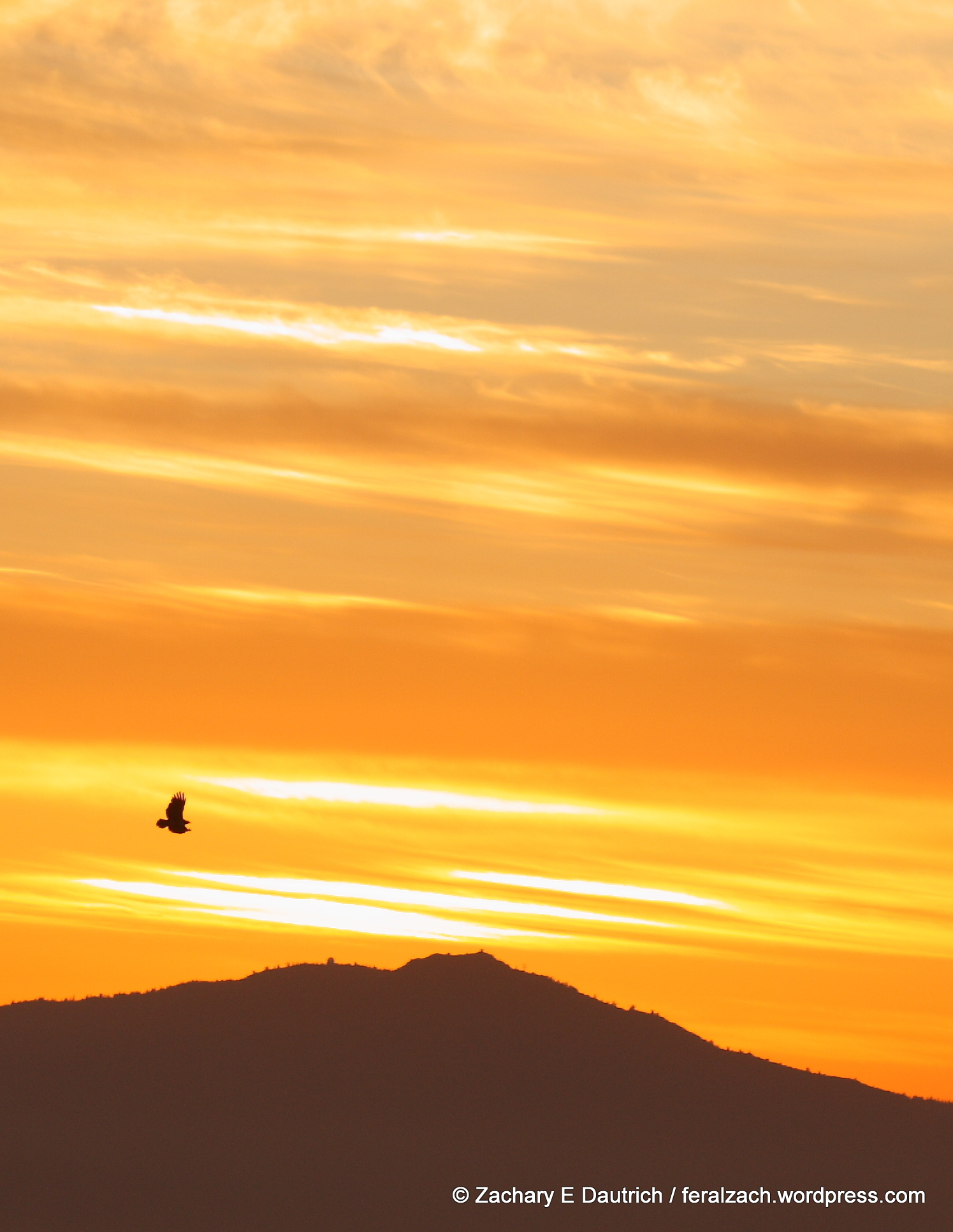
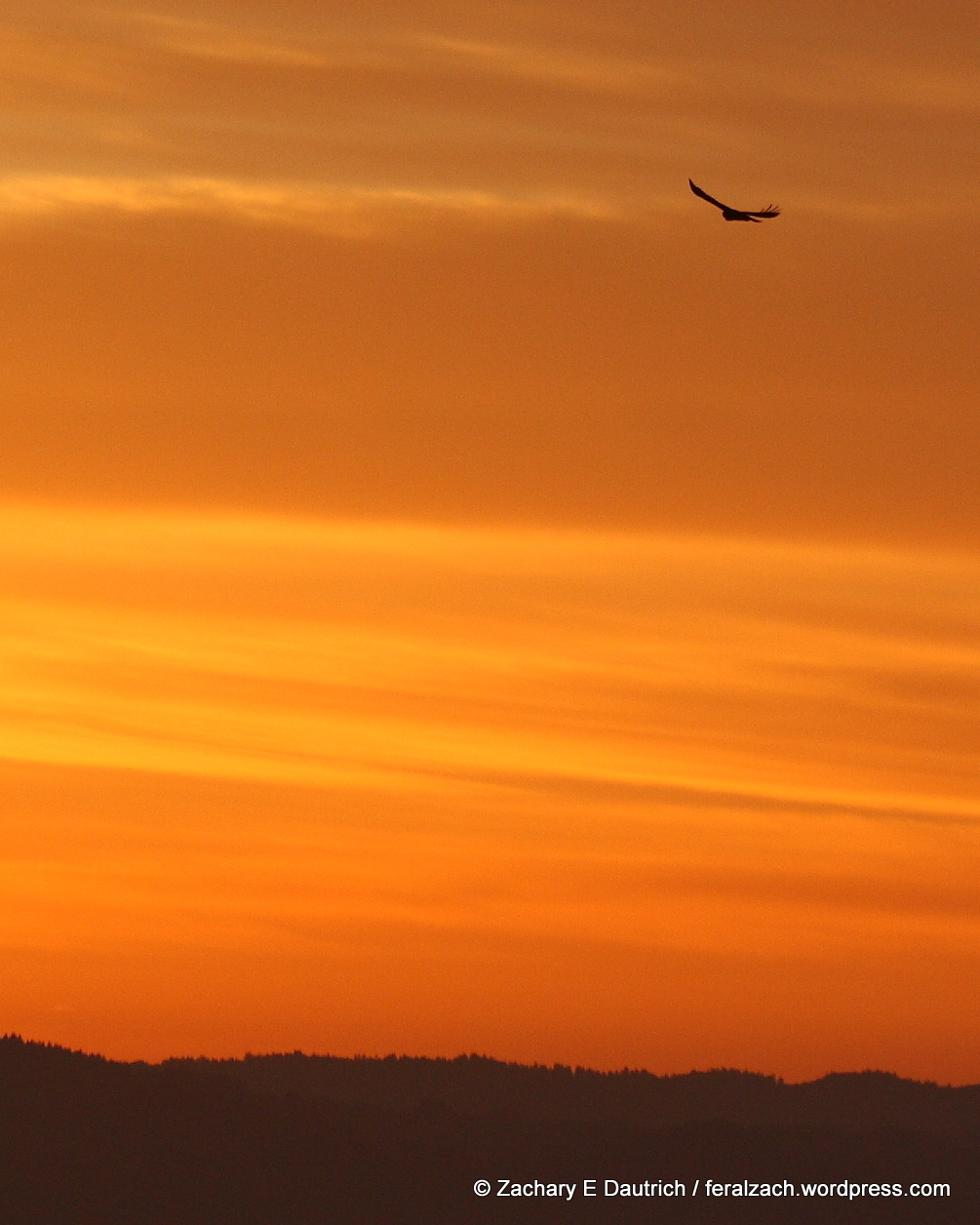
red-tailed hawk / Richmond, CA

owls about

female burrowing owl / Cesar Chavez Park Berkeley, CA
The burrowing owls have returned to Cesar Chavez park in Berkeley again this year. According to Audubon docents/researchers that were onsite the other evening, this first one arrived about a week and a half ago – earlier than usual. The females migrate from Idaho and surrounding areas to escape the harsh winters … males migrate shorter distances, presumably to be able to return to their territories faster in the spring to defend them. Last year they said there were six total that over-wintered in the park.
I’ve been seeing and hearing lots of great-horned owls lately as well, always breathtaking to see these giants glide silently out of the trees. They remind of cats with wings, the way they stare at you with their intense eyes.
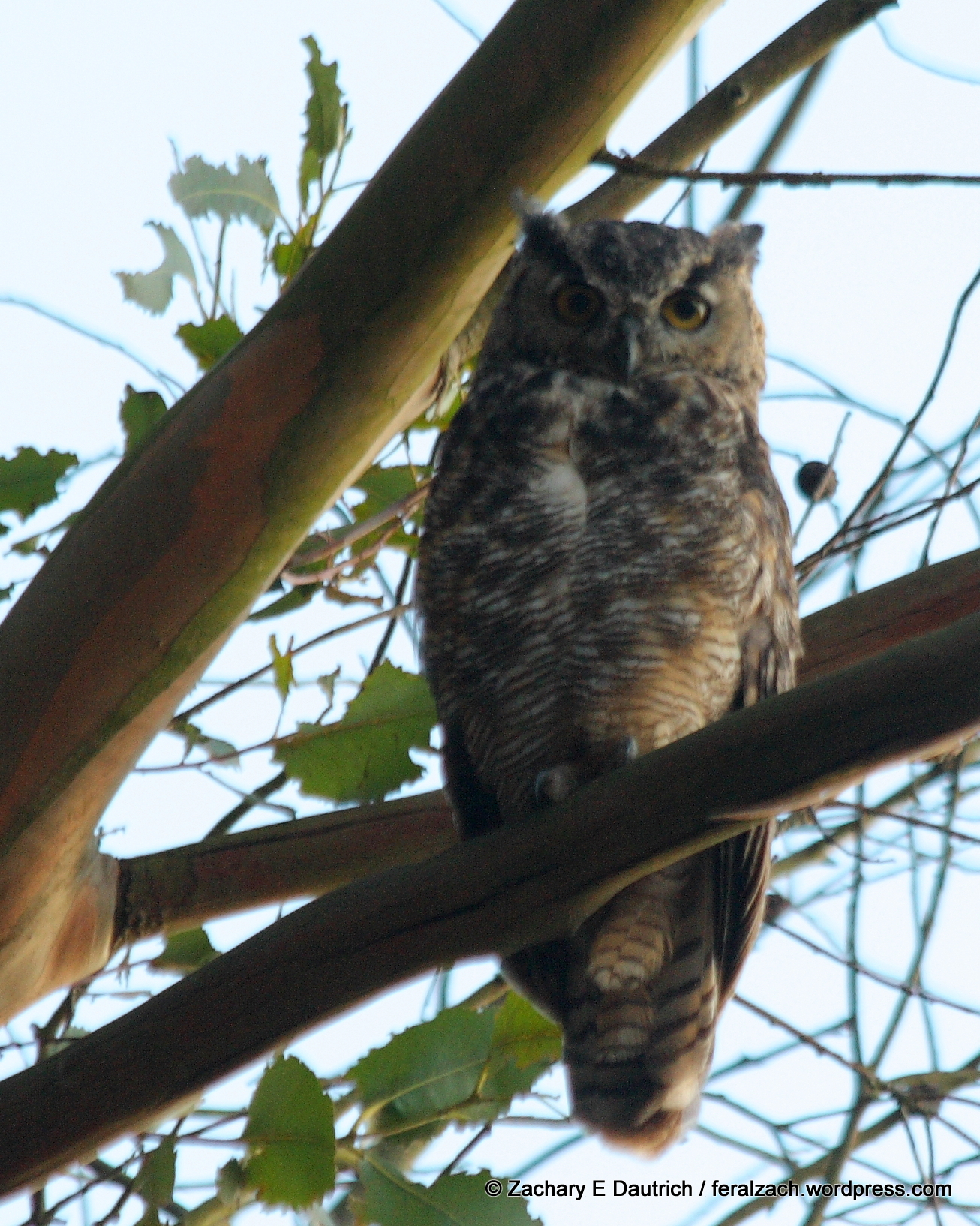
great-horned owl / Wildcat Canyon Regional Park El Cerrito, CA
petroglyphs in my backyard [+ new species of human ID’d!]

petroglyph rock IN MY YARD(?!)
I’m always fascinated to see evidence of people from the past – to hold an arrow head in your hand is a direct connection to the person who made it, a physical and energetic connection to another time. We tend to think of these past times and people as having occupied a space that is very removed from our present reality, and in some ways that is true. It’s hard for our minds to grasp this, as to many of us the early 1900’s seems as long ago as when the pharaohs ruled Egypt (OK maybe that’s a bit of an exaggeration, but maybe not – both are just abstractions in our minds if we haven’t lived it). But when you consider the brief amount of time that each of our lives is here in this incarnation, it’s possible to feel how close we actually are to our ancestors despite our mind’s perception.
And of course this is especially true when we see direct evidence of our primitive past living out in our congress and politicians today!
[Perhaps there actually is another species of human that survived to present day, and merits a new branch on our family tree – hiding in plain site, somewhere between Neanderthals and Cro Magnon man – he/she looks like modern day humans and has survived in our midst despite retaining the brain size and primitive behaviors of long gone primate species … I hereby propose the addition of “Homo politico ineffectus!!!”]
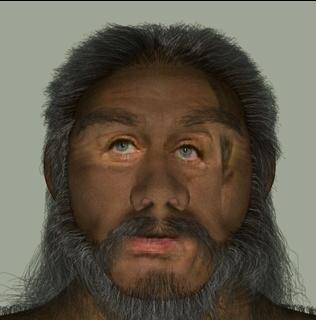
Homo politico ineffectus
(photo meld courtesy of Smithsonian’s MEanderthal app – evidently the MEanderthal app is considered critical and not subject to government shutdown)
Enough of that though, I am getting off topic.
The other day a woman was combing through the neighborhood where I live looking for ancient petroglyphs – rock art. That’s right, looking for rock art in the metropolitan area of the East Bay of San Francisco. Evidently petroglyph sites have been found all along coastal California and into Oregon that are attributed to people who lived here anywhere from 8000 to 3000 year BP (Before Present)! Amazing when it is thought that humans only occupied this land at most 12,000 years BP. It is suspected that these are the predecessors (and possible ancestors) to the Native People who live here now and have been living here for many centuries prior to contact with Europeans. This woman was excited to reveal that one of the rocks in our yard very likely holds some of this ancient art.

Pecked Curvilinear Nucleated shapes (PCN’s)
What prompted her search, besides a peculiar calling and possibly that she already did her annual tree burl assessment for the area, is the fact that there is a site not far from where I live (approx 1/2 mile) that is a park, and within that park a playground was built around some rocks. Turns out those rocks hold a large number of petroglyphs. Fortunately someone finally realized the significance of the markings on those rocks and now they are protected (Canyon Trail Park in El Cerrito). This is one of less than a dozen sites that has been found though, so it is remarkable. But all throughout the neighborhoods of the East Bay are many rocks that protrude out of the earth into people’s yards – some as big as passenger vans or larger. Many palettes for the prehistoric-artist.
According to research and analysis regarding this topic (which is scant, at best), a type of rock art was all the rage in those times composed of shapes now called “pecked curvilinear nucleated” petroglyphs (PCN’s). They generally consist of a circle inscribed in the rock, which then allows the center to stand out in relief. Sometimes there are variations to this theme, and sometimes they are accompanied by cupules (small cups ground into the rock). Not only that, they have almost always been found carved on blue/green chlorite schist rock and often near a water source. The chlorite schist only occurs in fault zone areas, so it is found in isolated regions especially in California.
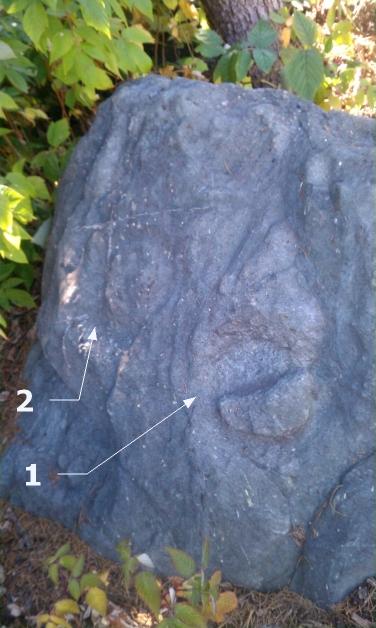
close-up of PCN’s

close-up of PCN
Who carved these? And why? And when? Evidently those exact details are a bit of a mystery, but it is theorized that they are related to fertility or weather rituals by the people I mentioned above, sometime between 8000 and 3000 BP (though not to be confused with some petroglyphs created later, in the same areas, by Pomo People for fertility rites – or mortar stones for grinding acorns by other various Native Peoples – see pictures below).
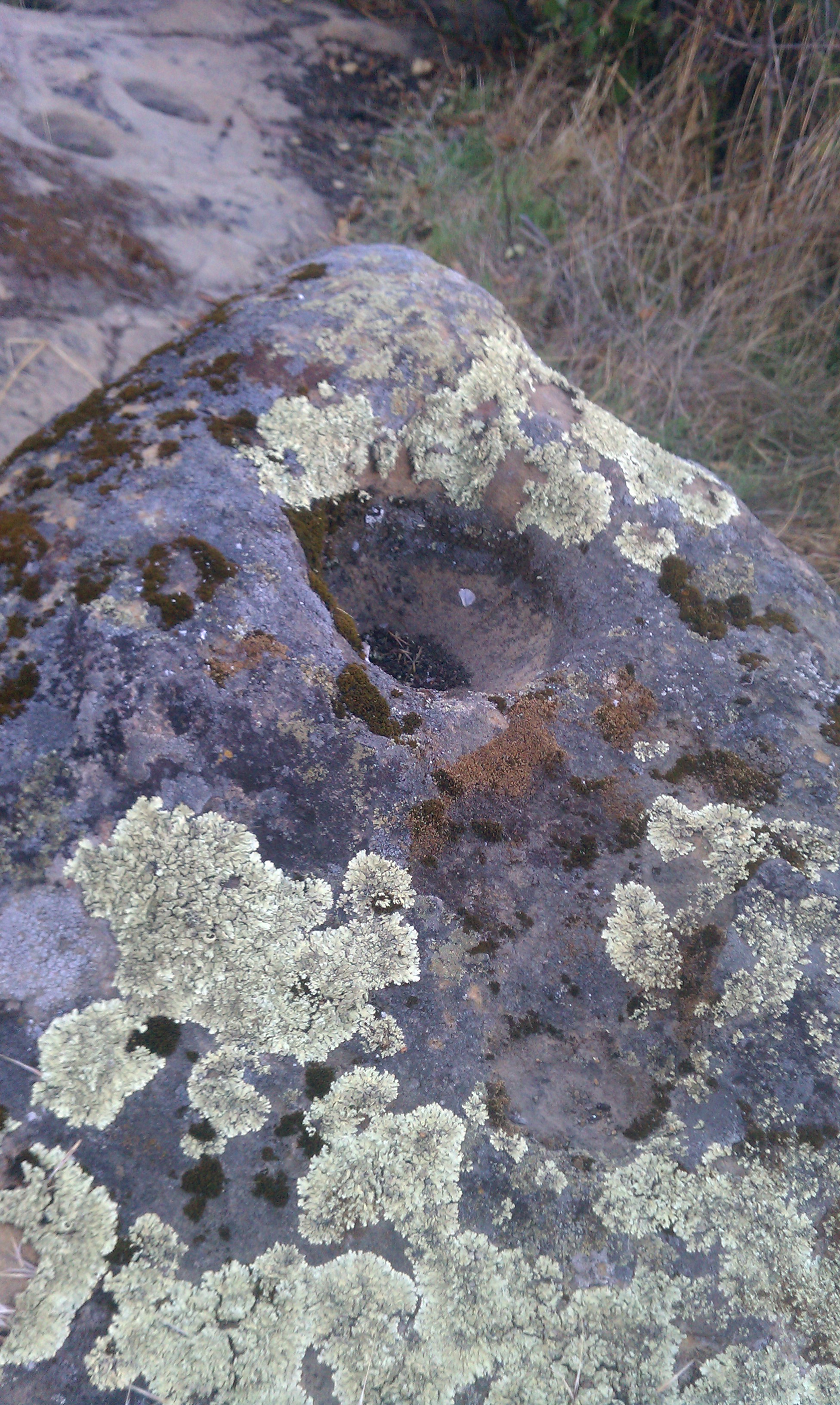
mortar rock hole (hole diameter approx 8″) / Solano County

mortar rock with multiple mortar holes / Solano County
Really an amazing treasure to be living by such a piece of history – it will be exciting to see if anyone analyzes the rock further (and if there are more petroglyphs buried under ground level).
Another site that is open for viewing to the public in addition to Canyon Trail Park in El Cerrito is Ring Mountain in Marin County. There are other sites, but many of them are on private land or are not publicized.
Luckily for all of you, I have decided to open a roadside museum to display this new find in my yard – look for me in full steam punk regalia with a bullhorn, standing on a soapbox by what will appear to the observer to be a modified child’s lemonade stand. I’ll also be selling my special tonics that are guaranteed to cure all.
===================
References (and for more information) check out these links:
1) Cultural Markings on the Landscape: The PCN Pecked Curvilinear Nucleated Tradition in the Northern Coastal Ranges of California – Dissertation by Donna Lee Gillette http://www.escholarship.org/uc/item/1nh3898b#page-4
2) American Rock Art Research Association website http://www.arara.org/
3) Canyon Trail Park petroglyphs – http://www.arara.org/documents/LP-30-1.pdf
4) CA petroglyphs – http://www.arara.org/Background_RockArt_Calif.pdf
shared posts – remote cam pics of eagle killing a deer
I don’t often link to other posts, but this one I had to share. What an amazing photo capture, and evidence of the incredible predatory power of the golden eagle. I’ve seen (disturbing) videos of falconers setting their golden eagles on foxes and small wolves in the Far East (further East than New Jersey), but this is equally as impressive.
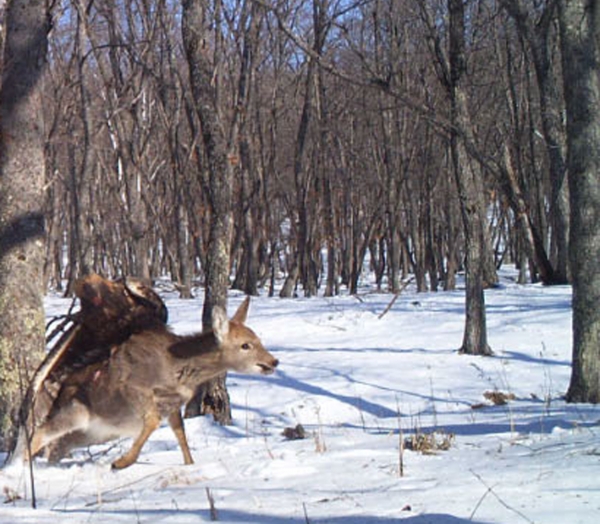
(Photo: Linda Kerley, Zoological Society of London/Wildlife Conservation Fund)
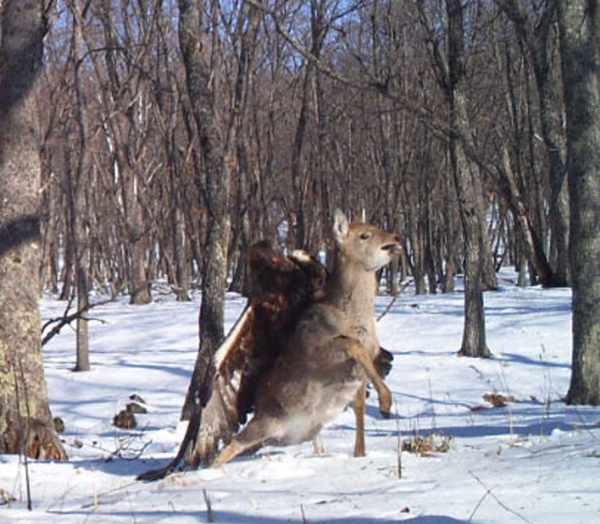
(Photo: Linda Kerley, Zoological Society of London/Wildlife Conservation Fund)
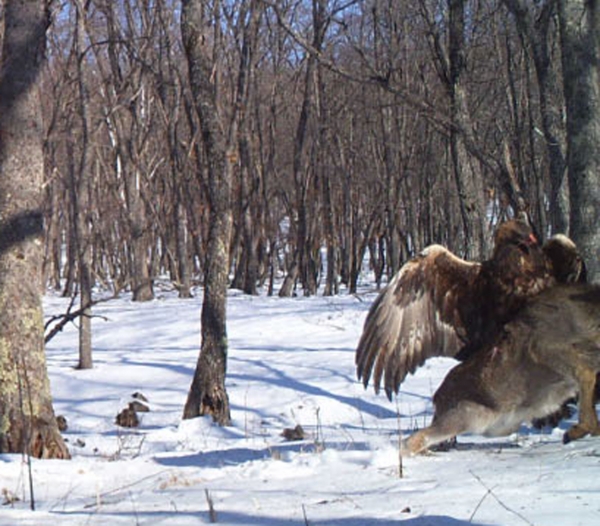
(Photo: Linda Kerley, Zoological Society of London/Wildlife Conservation Fund)
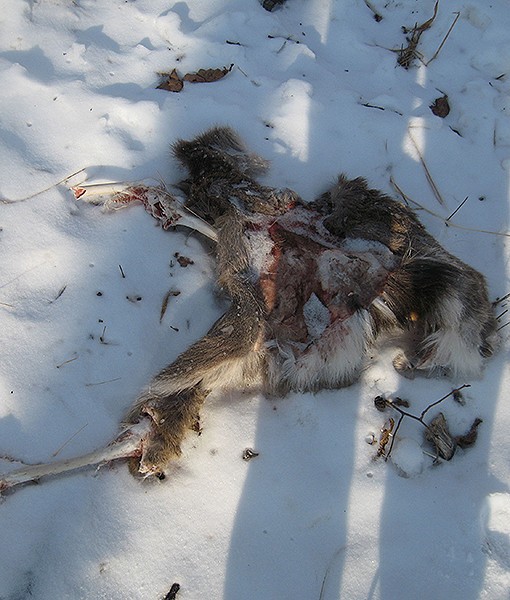
(Photo: Linda Kerley, Zoological Society of London/Wildlife Conservation Fund)
For more information on this, check out this blog post:
There is evidence that at one time there were eagles large enough to kill humans, and they may have only died out 500 years ago in certain parts of the world.
“I tease my neighbor because she worries about red-tailed hawks carrying off her small dog, but the truth is that not so long ago, eagles would have carried off our small children. One of the most famous hominid fossils is the skull of a 3-year-old child found in Taung, South Africa. The Taung child was a member of the Australopithecus africanus species, which lived in Africa from about three million to two million years ago. The skull has holes neatly punched into its eye sockets; they were made by the talons of a large bird akin to an African crowned eagle. The skull was found among other bones under what has been interpreted as a nest. More recently, great piles of roughly five-million-year-old fossil monkey skulls, many of them with talon holes, were discovered in Angola under what appear to have been four separate eagle nests.” – Rob Dunn
And see this regarding Haast’s Eagle from New Zealand, which was large enough to prey on small humans and only died out around 1600 AD …
http://news.nationalgeographic.com/news/2006/09/060905-eagle-human_2.html
Is it any wonder these creatures inspire such awe?
hayward regional shoreline
happy equinox! the rains have come!!
The rains came down rather heavy today, for September – the first rains we’ve seen in months. It was wonderful. In the aftermath, the puffy cumulus clouds floated by as all life came out of their short rain hibernation.

juvenile Anatum peregrine falcon

juvenile Anatum peregrine falcon

snowy egret

great egret with dinner
grand canyon expedition
Rafting down a river is a fun adventure unto itself … to do it in the bottom of the Grand Canyon is an experience not rivaled by much of anything. And to do it with my dad as part of the expedition (who proclaimed many years ago that he “is not a camper”) made it priceless.
We went down the river with an company called Western River Outfitters, and they were absolutely great. They provided rafts and (amazing) guides as well as gear and food. As phenomenal as it was, it was still a bit agonizing for me not to be able to explore everything that called to me on my own timetable – though I’d probably still be there if that was the case. A person could spend lifetimes exploring it – I guess I’ll have to return (I always seem to say that about places like this – my bucket list only seems to grow as I attempt to cross things off it).

grand indeed
Temperatures were “warm” – which is to be expected when you’re in the desert in August. We actually all wet our beds to keep cool! Meaning I carried a bed sheet to the river and soaked it in the cold water (approx 55 deg F) to sleep on it to stay cool (it was still above 90 deg F one night as we were going to sleep after dark). Despite the intense heat and lack of rainfall, the riparian area along the river provides habitat for a lot of wildlife, for whom this place is literally an oasis. I was constantly searching for sign of the ringtail (a relative of the raccoon), which evidently can be found along the banks – unfortunately I never spotted one or any conclusive sign (though there were a few scats that looked like they could have been from a ringtail’s rear).
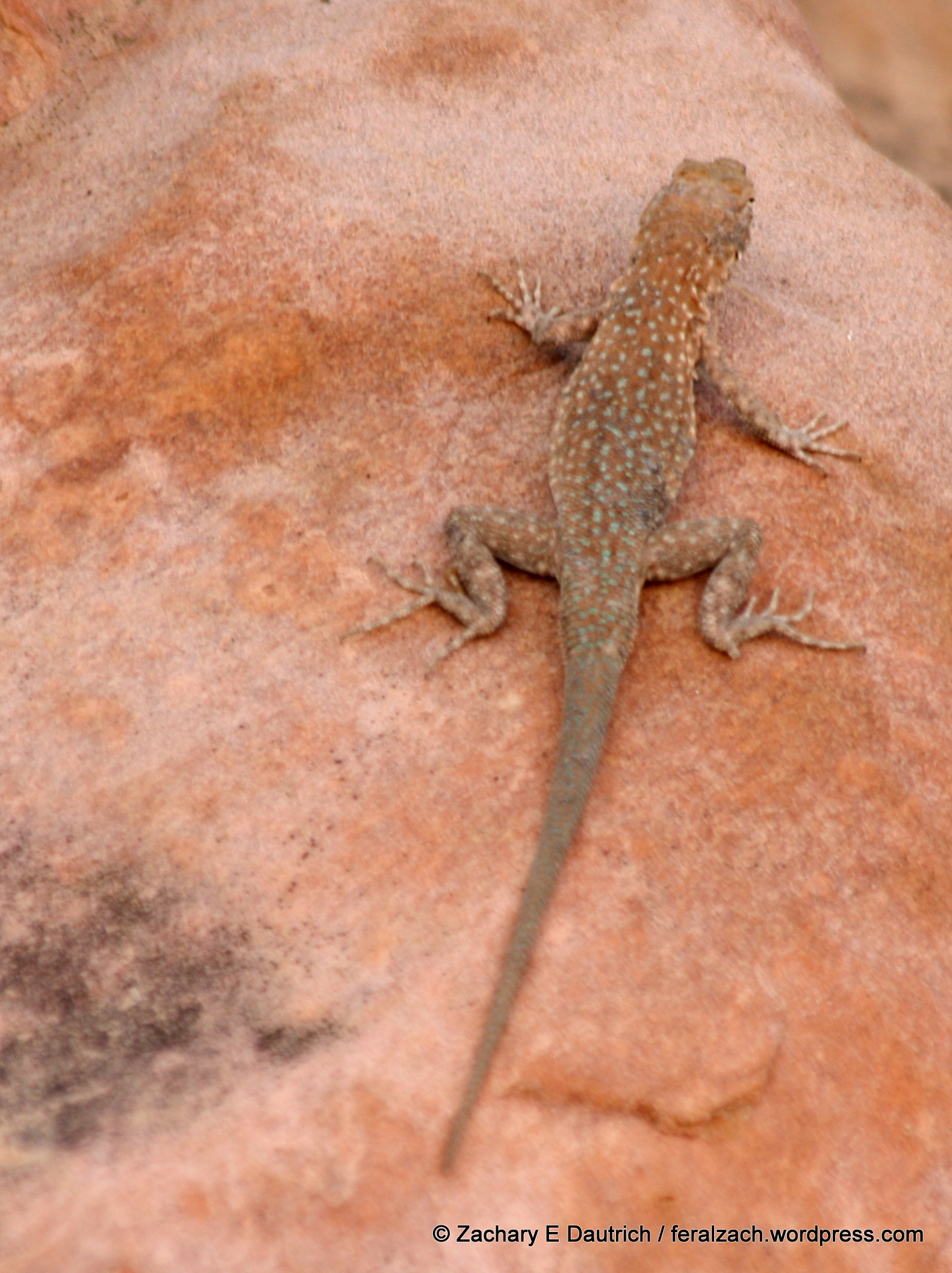
desert side-blotched lizard

desert bighorn sheep (male)

cicada shell
What was really noticeable to me were the variety of rocks that are exposed in the canyon. It is a geologist’s dream. Walking down a wash that fed into the main canyon on one of my little side excursions, I was aware of the large number of different rocks that were strewn around and mixed together, something I don’t often see. Usually the geology of a place is fairly uniform, or composed of a small constituent of rock types. Here, the river and erosion have teamed up to expose rocks that span two billion years. BILLION! There are some time gaps that are unaccounted for in this geological record, which are individually referred to as an “unconformity” – now a new nickname for me from my pops, after one of them called “the Great Unconformity.” Probably fits! Sounds like a magician of mediocre skill.
As the sides of the exposed cliffs erode away, pieces of the ages fall and co-mingle at the bottom. The oldest rock is called Vishnu Schist and it starts to become visible towards the bottom of the canyon – it is beautiful. To touch something that old and be in its presence is profound, especially while floating on a calm section of river in the silent heat of midday in the canyon. Just as when standing in an ancient forest of redwoods or giant sequoia trees, time seems to slow down and your perspective shifts. It’s bearing witness to immensity, it’s very definition in both time and space.
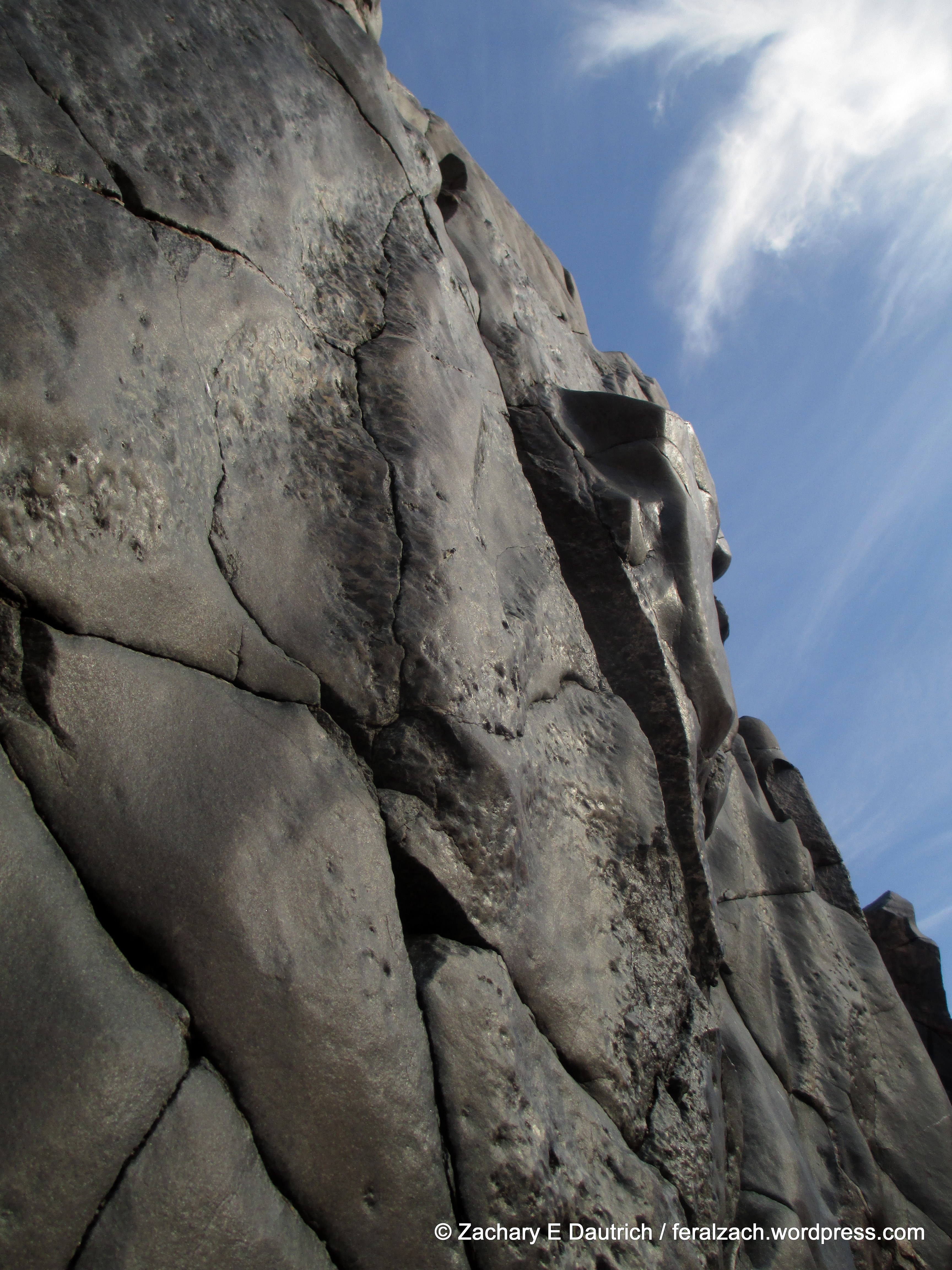
vishnu schist – 2 billion year old rock!!!

traverstine rock formation by Pumpkin Springs
Just as we were about to rendezvous with a boat at Lake Meade at the conclusion of our rafting trip, we stopped for a quick “pee break” along the banks of the river. As I jumped off the raft, my eyes were immediately devouring the “spoor extravaganza” that was before me – it was literally a tracking workshop laid out in the muddy river silt bank! First, desert bighorn tracks. Then raven. And great-horned owl. And some other large raptor. Beaver. And more. I clicked away to capture some of them, but literally had to jump on board the raft as it cast off just minutes later. It was torturous to pull away from this canvas full of tracks! I did manage to catch a few of them on cam.

beaver tracks

beaver track

great-horned owl tracks
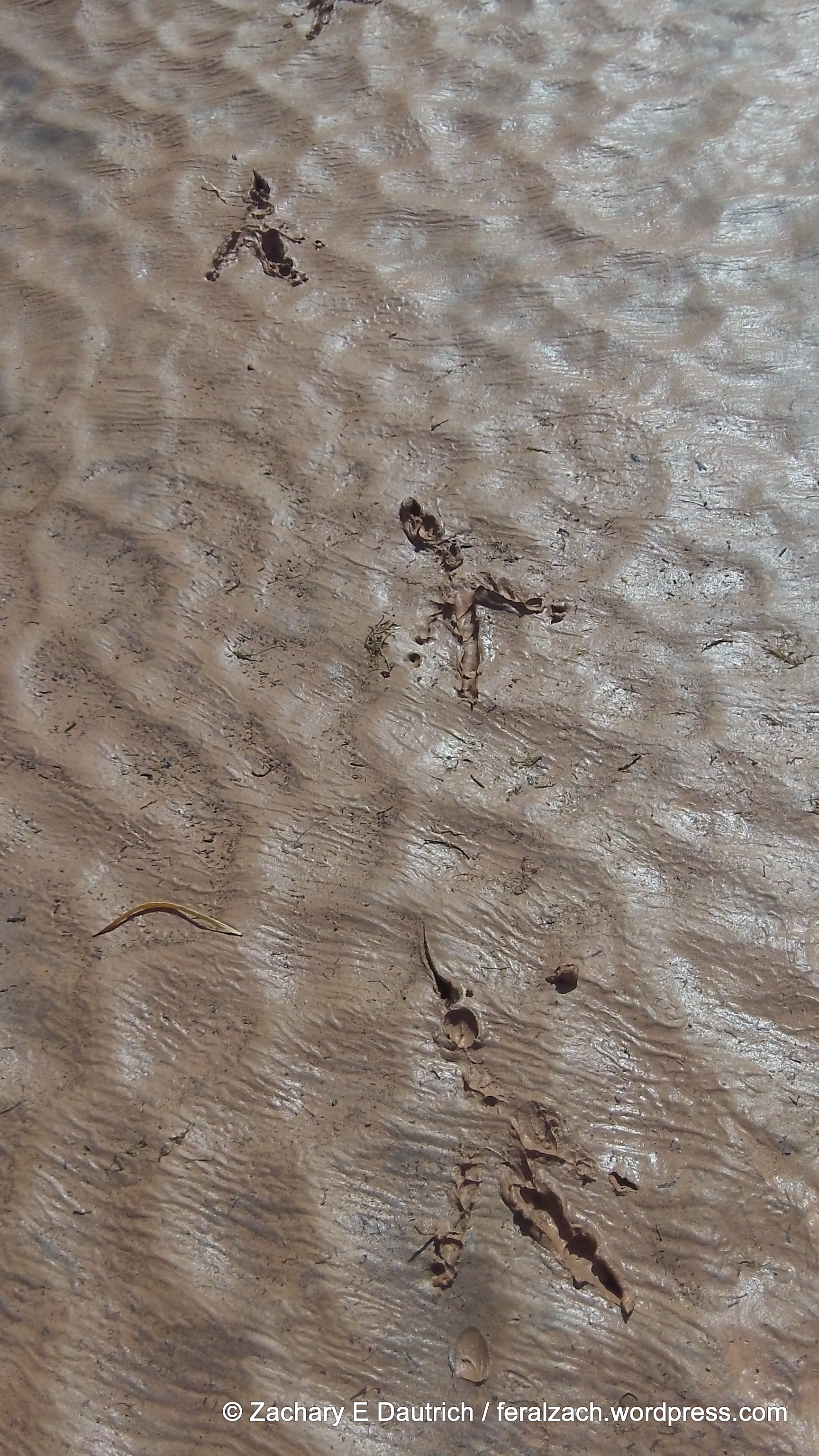
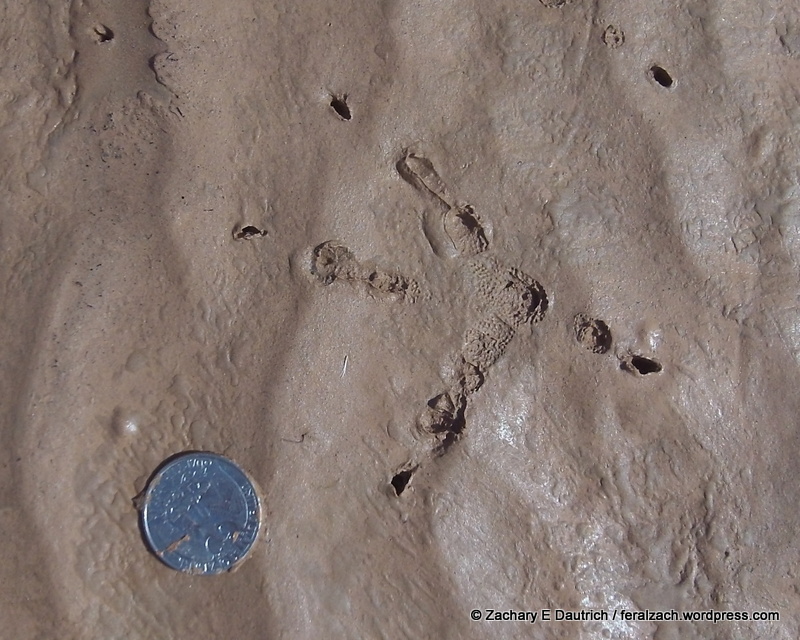
large raptor tracks
The canyon itself has an amazing history, both before and after people of European descent found it. (White) Man’s desire to explore and conquer as attempted within these canyon walls is recorded in stories that vary from comedic to chaotic (and deadly), and several groups of native people still call this place home. It’s truly grand in all aspects of the word.

fruit of the brown-spined prickly-pear cactus (cut open)
great-horned owl track
A really nice great-horned owl track in muddy river silt by the Colorado River in the Grand Canyon!
falcons on the loose
The three fledglings from the nest north of San Francisco were raising hell this past weekend, playing in the sky and going after each other and basically anything that moved in the air. First I heard them, then found them initially pestering a white-tailed kite – soon after they were after a turkey vulture. It was a foggy and overcast day with terrible light for good photographs, but I was thrilled when the birds posed right above me …
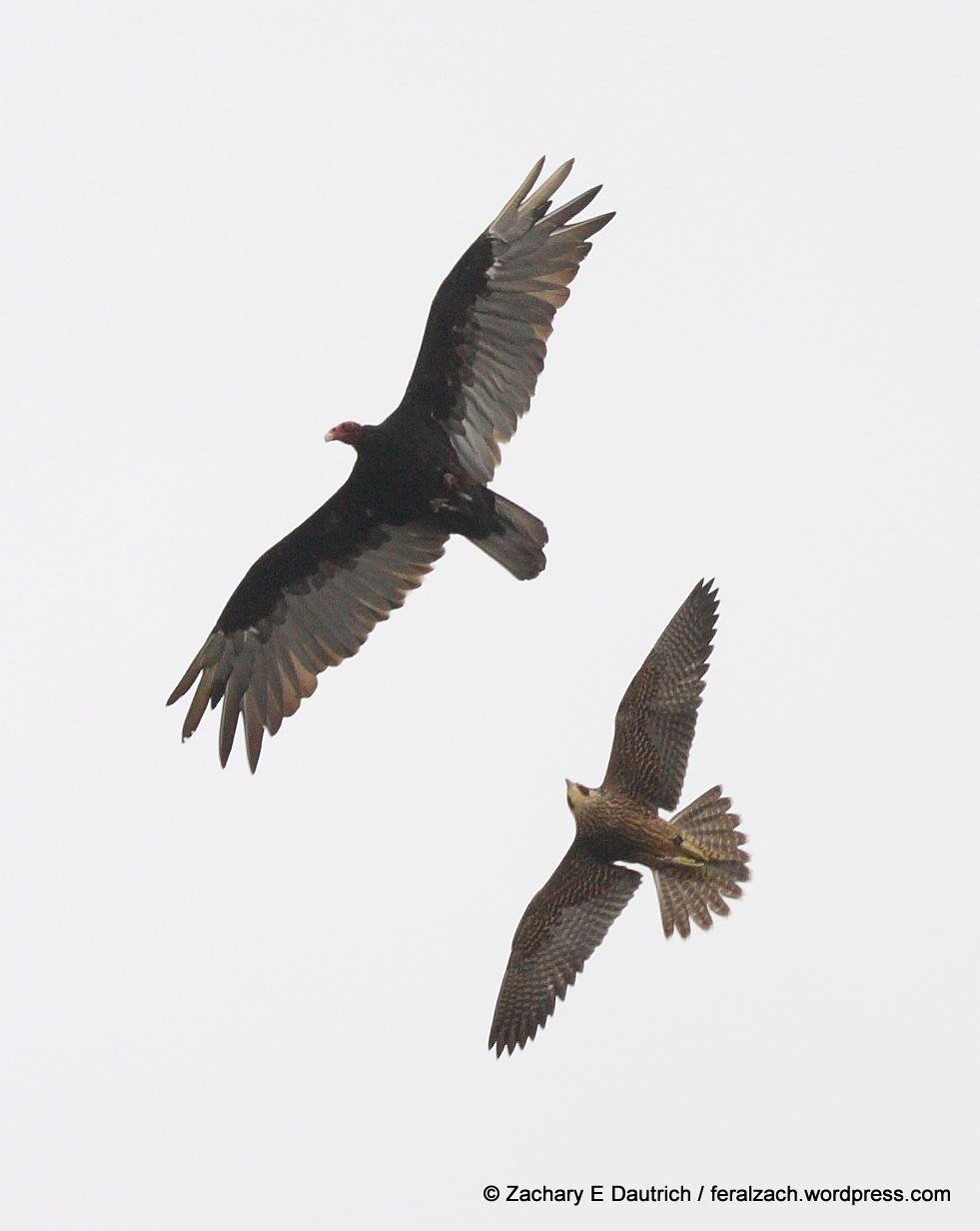
It’s amazing to see just how big the falcon is in comparison – I’m guessing it is one of the juvenile females. For anyone concerned, the turkey vulture escaped with just some ruffled feathers.


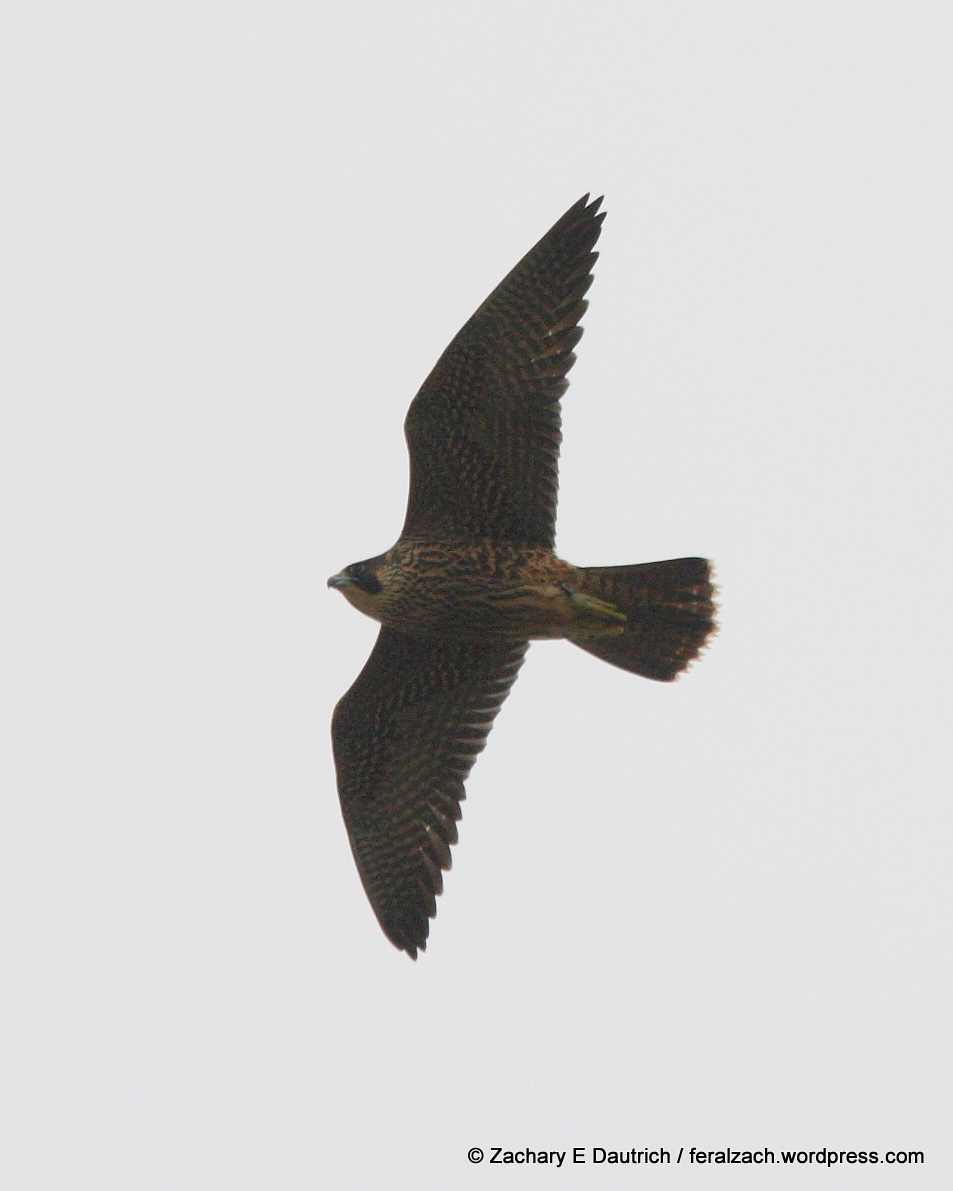
It was such a fun time to see them frolicking in the sky and playing – what a life!
skimmer
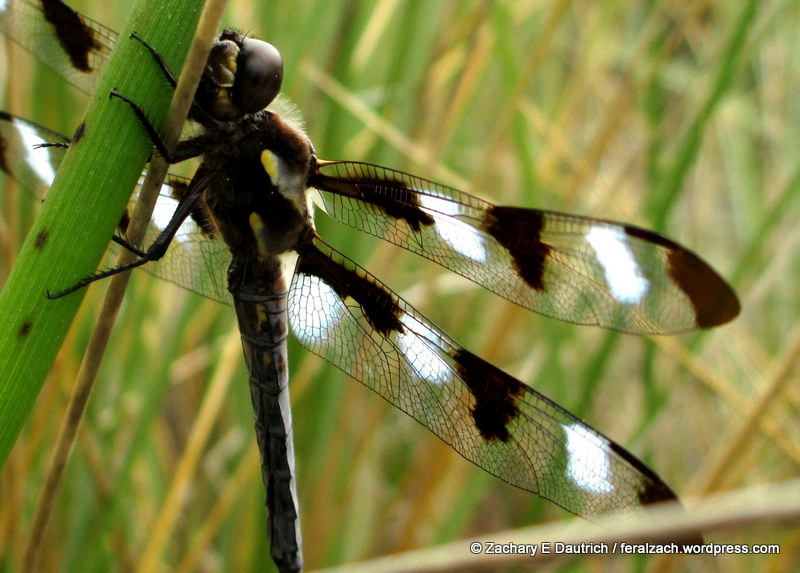
twelve-spotted skimmer / Libellula pulchella / Bodega Bay, CA
passersby in the night

raccoon and gray fox tracks in mud silt

gray fox track in mud silt
Both tracks look like front left for each animal, which is pretty cool. Amazing detail in the fox track, you can see the hair impressions in the mud silt – also, it’s not often that the claws register (gray foxes have semi-retractable claws and are able to climb trees).
 feralzach