
Northern saw-whet owl
This little fella (lady?) was confused by all the commotion beneath its roosting tree today at Tilden Regional Park … as evidence by the disapproving “scowl” caught in the second pic below.
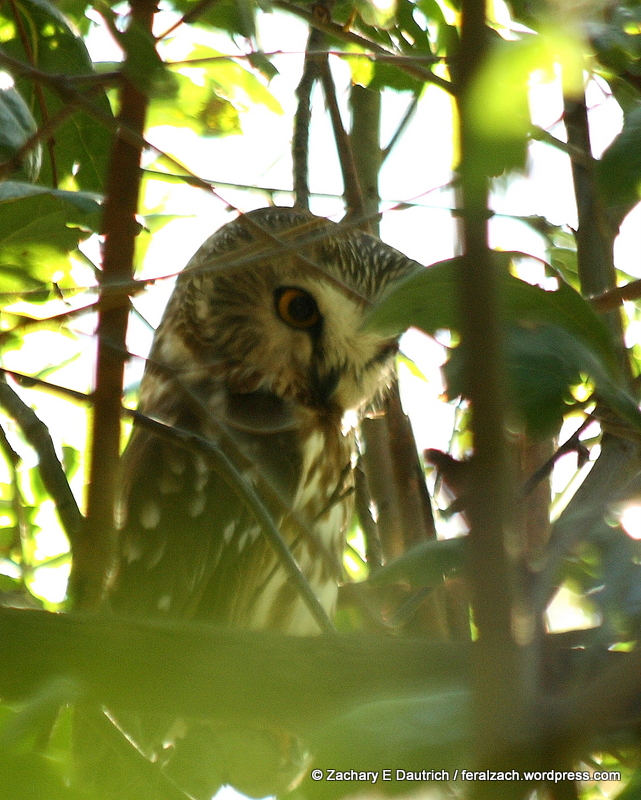
saw-whet owl
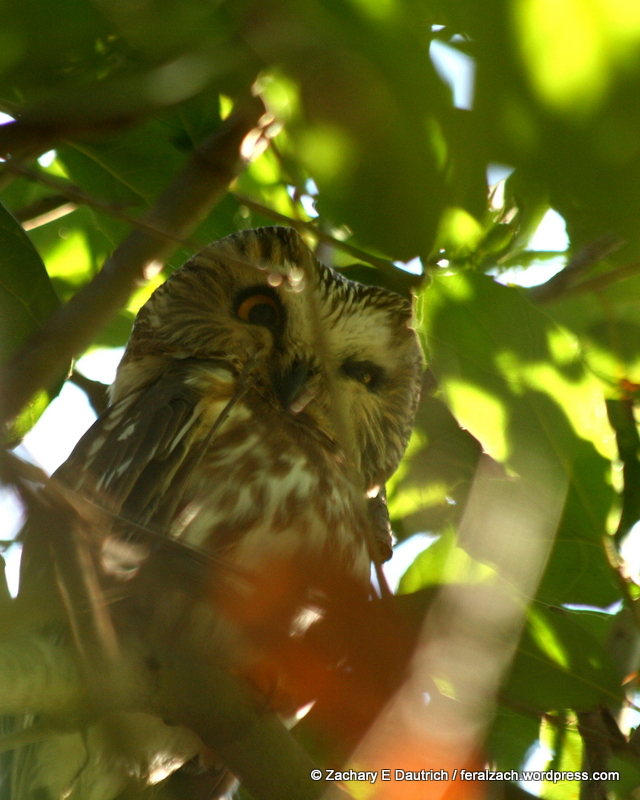
saw-whet owl
Ok, maybe it wasn’t a scowl. Just a sleepy bird.
Many thanks to Anthony Fisher of East Bay Regional Parks who led us on this adventure!
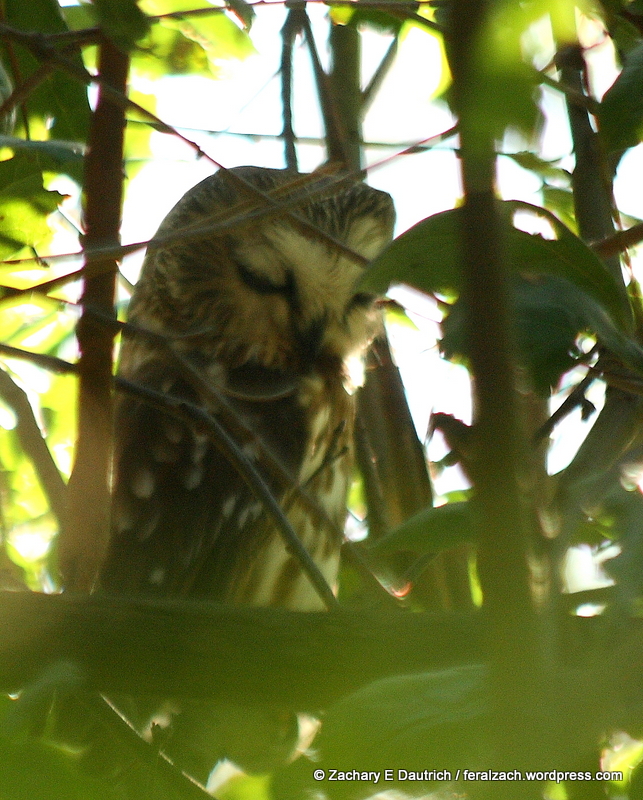
saw-whet owl
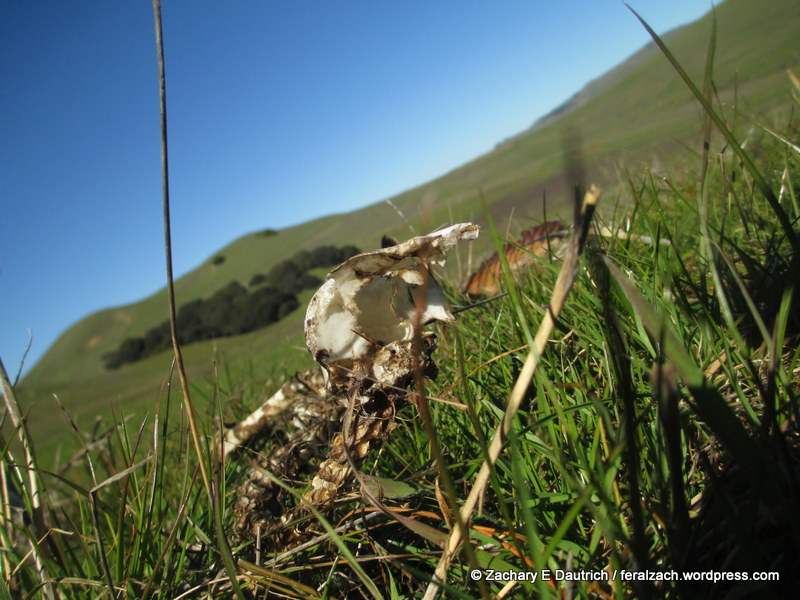
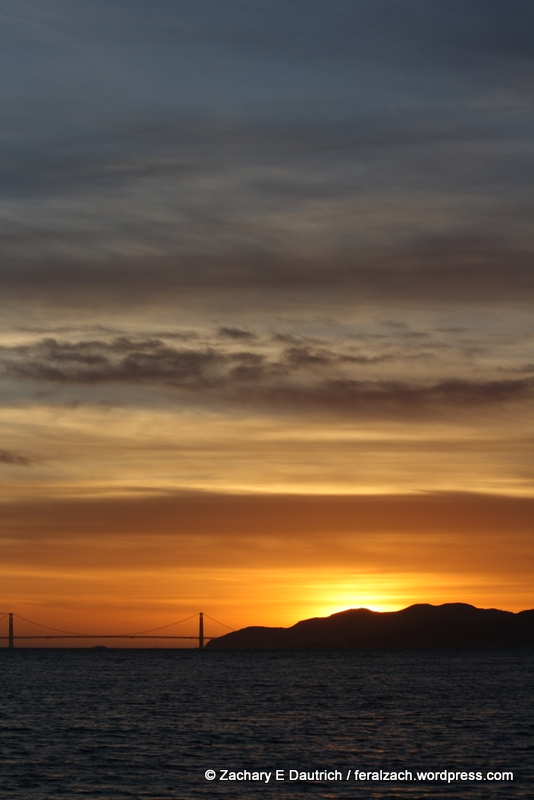
beasts of the Bay

burrowing owl / Cesar Chavez Park Berkeley, CA

red-shouldered hawk and willows / East Shore State Park Berkeley, CA

peakin coyote / Wildcat Canyon Berkeley, CA
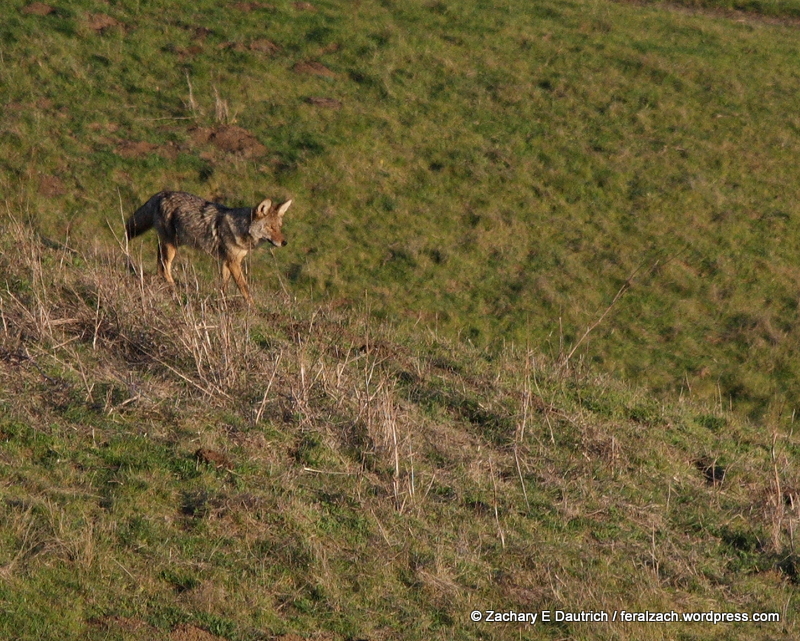
coyote / Wildcat Canyon Berkeley, CA

coyote / Wildcat Canyon Berkeley, CA
Point Reyes tracking day
Ahh, where to begin. This post has taken me a long time to get up because one day of tracking can yield volumes of stories and tales!
Our day at Abbott’s Lagoon a few weeks ago began with a morning of warm sunshine, after a few days of very cold temperatures and rain – as we started out towards the sand dunes near the beach we saw quite a few black-tailed mule deer in groups of over ten individuals. There was a herd of males of all different ages in an adjacent field, their antlers varying from sprouts to full racks. They seemed to be frolicking in the warm sun, play sparring and hopping around each other like fawns on a beautiful spring day. What really caught our eyes though was another group of deer to our north … one of them was standing guard to the west and not even our presence took this doe’s attention off something towards the eastern lagoon. Her behavior queued us in to another presence that warranted her attention more than humans. It had to be a predator.
As her group grazed, she seemed to be doing some tracking of her own. We decided to see what it was that garnered such focused attention, and we moved quietly across the chaparral to investigate. As we moved west, the look-out deer finally broke her sentry post and they all moved on to the east. We didn’t see what had attracted her attention, so we started to investigate the area where the deer were grazing to see what was for breakfast. As we moved west through the brush though, our efforts were rewarded as the hard ground gave way to add a character to the story by yielding a single clue … a fresh bobcat track in some soil upturned by a gopher!
We were able to trail it for a distance, the fresh tracks sometimes not visible at all, occasionally popping out for us to see in some loose soil after losing the trail for 20 feet at a time. With great reluctance after trailing the cat for 500 yards, we abandoned our search to see the maker of the tracks to continue on our journey towards the dunes. I would be rewarded later though …
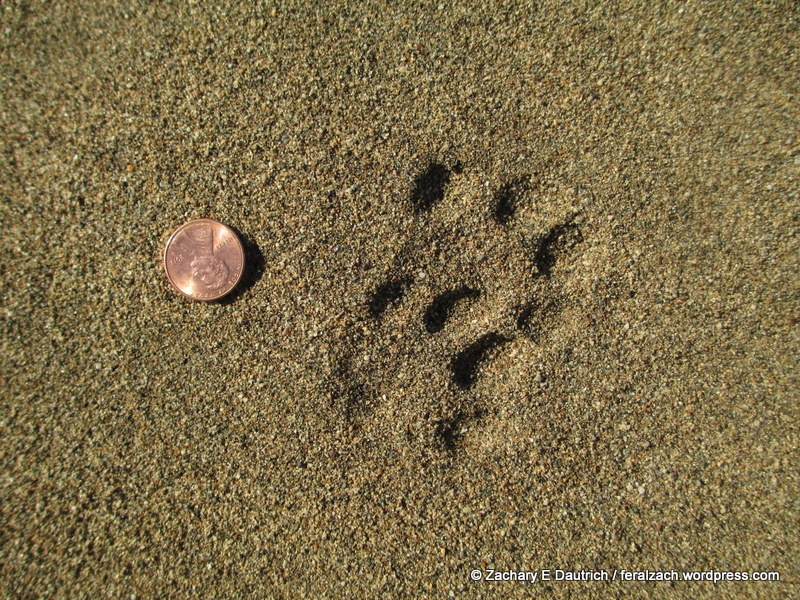
bobcat tracks
Once at the sand dunes, we saw an explosion of activity that indicated many animals were eager to be out after so many days of cold and/or rain. Another bobcat made some nice trails, along with black-tailed mule deer, river otters, coyotes, gray fox, great-blue herons, ravens, deer mice, beetles, brush rabbits, skunks, opossum, raccoon, and more. There was a lot of skunk sign, and we postulated that they were very active after a short period of torpor (similar to hibernation) that left them hungry and in search of mates. Deer mouse sign was also everywhere, their small tracks making trails all over the dunes.

raven tracks

river otter scat and tracks
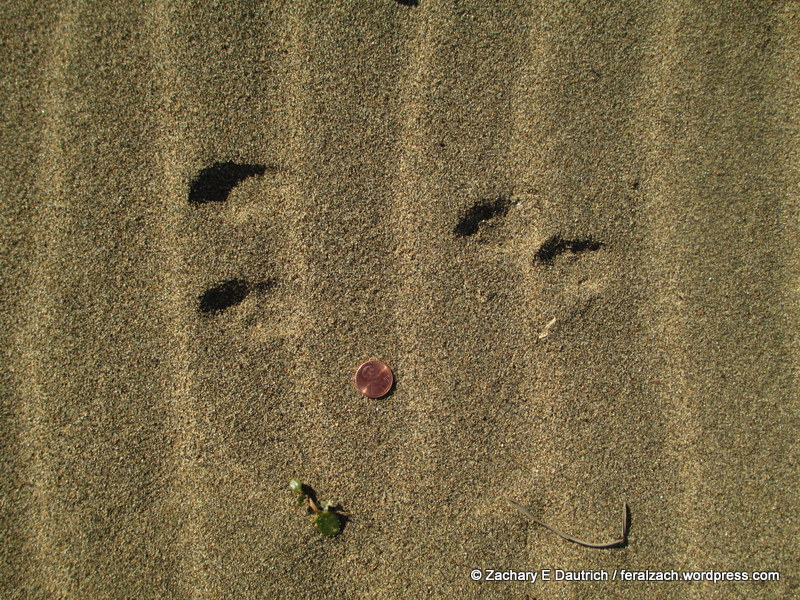
brush rabbit tracks
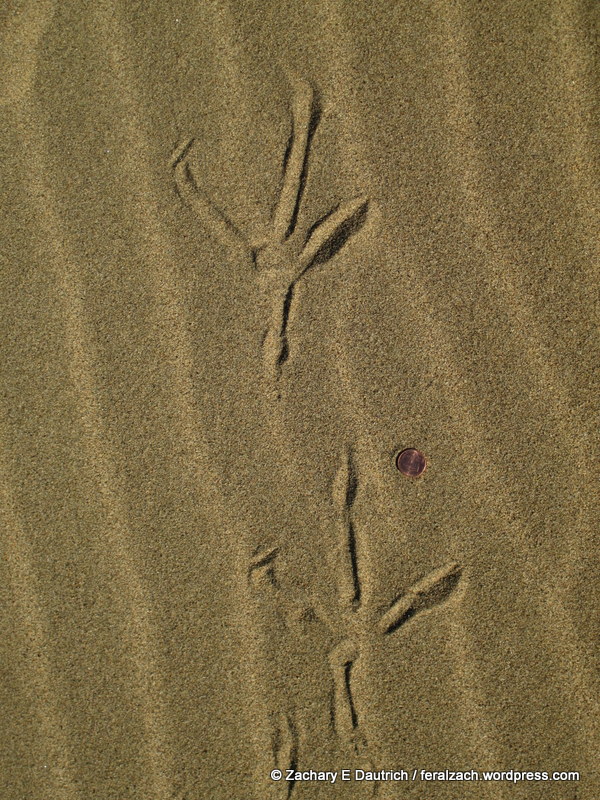
great-blue heron tracks

striped skunk trail

striped skunk tracks

Virginia opossum tracks

bounding mouse tracks
The evidence of another saga soon played out on the sand dunes before me – a bobcat trail that showed what I determined to be a recently captured brush rabbit. The trail had drag marks that extended under the cat for 30 yards to a spot where it did tight circles as it either made the final kill or adjusted the prey in its jaws, then sat for a bit. The trail went on then for 20 yards up into some dune grasses where there were bits of rabbit fur and presumably the cat ate its meal.

bobcat trail with drag marks
bobcat tracks

bobcat sit spot
This particular area usually is thick with coyote sign, and seldom have we seen gray fox sign here – but this day showed evidence of at least one fox that had traveled with purpose around the whole area. The tracks are dainty next to the many coyote tracks, and I was excited to see find the trail.
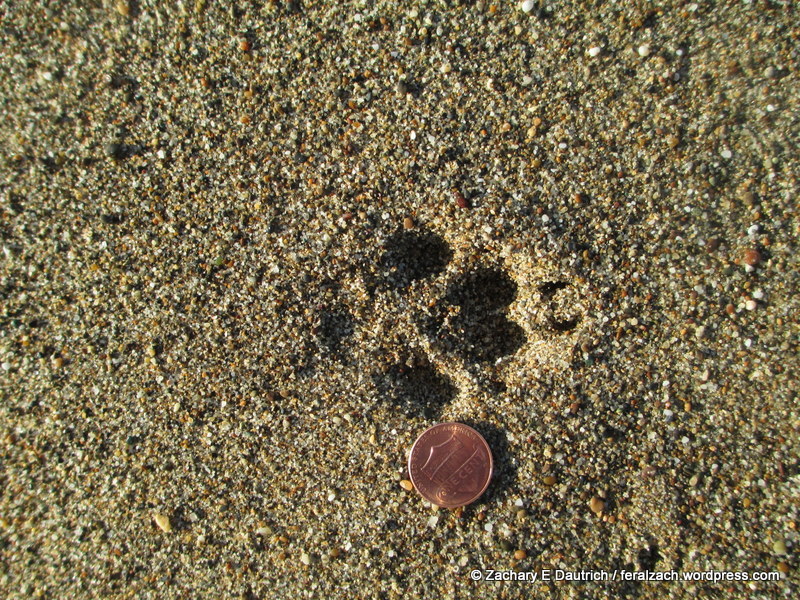
gray fox track
I trailed one of them for half a mile down the beach, its tracks following the vegetation line at the edge of the beach, at one point going down into the surf area where the water washed away its paw prints at the last high tide before it veered back up to continue on its journey north towards Kehoe Beach (where their sign is much more prevalent according to others familiar with the area). It was a very purposeful gait, seldom stopping to investigate the ocean flotsam along the shore. What spurred this fox on an unhurried yet purposeful journey on the beach? The search for a mate? A territorial scouting mission? Food? It will be interesting to see if there is more sign in the future or if the foxes will remain more north towards Kehoe beach after this.

gray fox tracks
At one point as I backtracked one of the bobcats, I was excited to catch sight of an American bittern hunting in the floating vegetation on the edge of the east lagoon. Among the live animals I saw this day were great-blue herons, ravens, gulls, two snowy plovers (a very endangered species), red-tailed hawks, white-tailed kites, northern harriers, turkey vultures, yellow-rumped warblers, black-tailed mule deer, a peregrine falcon and …
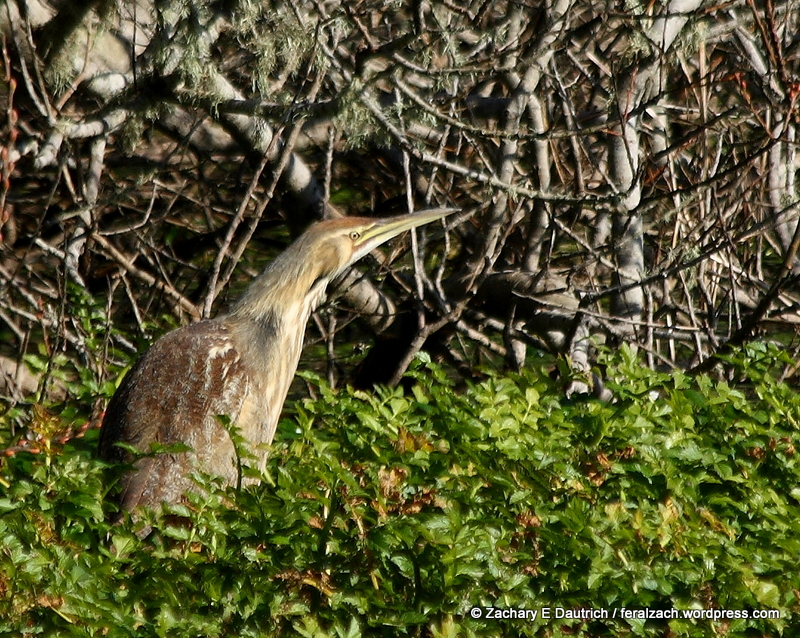
American bittern
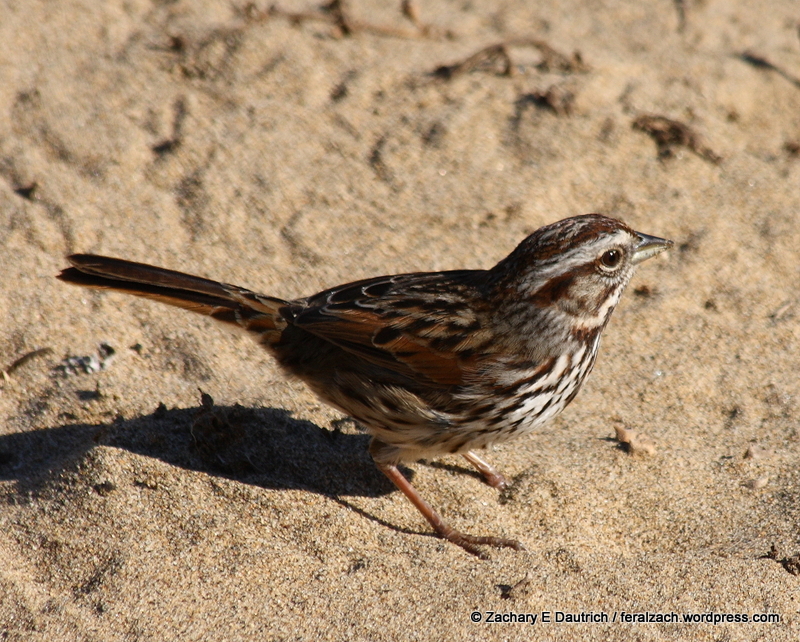
song sparrow

great-blue heron

marsh wren

snowy plover

snowy plover
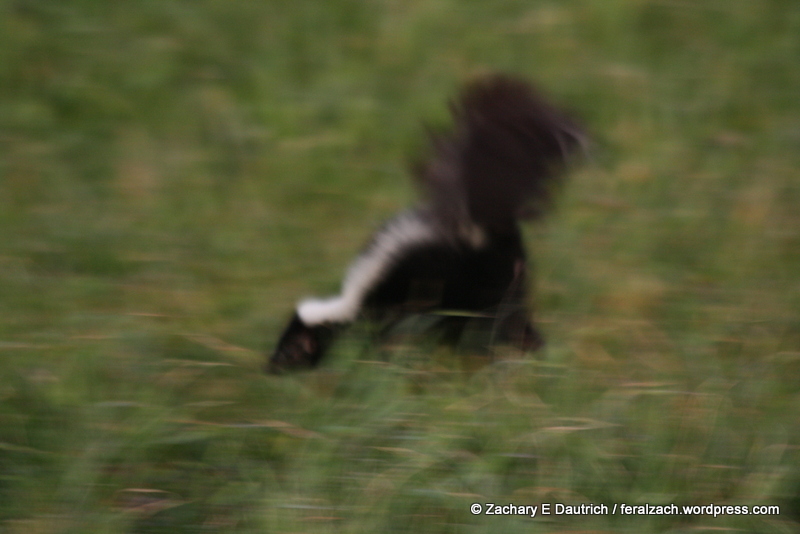
striped skunk

coyote
… a bobcat!

bobcat
Good stuff.
The dunes are ever-shifting, they can be an amazing palette for animal tracks or the tracks of the wind, giving a brief glimpse at the stories played out in the hours before. But the winds eventually wipe the slate clean like words fading on a page, as the dunes make their own tracks across the landscape.

wind design in sand by dune grass

cattails buried in sand dune
rough day
Rough-legged, that is.
Hawk.
Last Saturday I helped lead a raptor tour at Lynch Canyon for Solano County Land Trust with Larry Broderick of West County Hawk Watch … and I don’t think anyone was disappointed. Two rough-legged hawks made an appearance along with the many resident red-tailed hawks, white-tailed kites, kestrels, northern harriers, red-shouldered hawks, turkey vultures, and a pair of golden eagles. We also had two peregrine falcons soar over us. Good day. Rough-legged hawks breed in the Arctic and it is uncommon to see them this far south, though this year there seem to be more of them than usual during the winter here in the Bay Area.
Check out some of the other tours that Larry Broderick leads at the Sonoma Land Trust and Solano Land Trust websites – he is the raptor magnet and always fun to tour with.
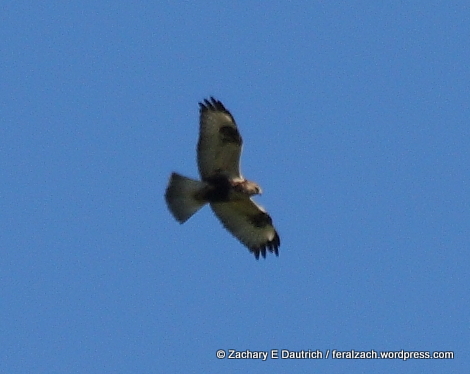
rough-legged hawk
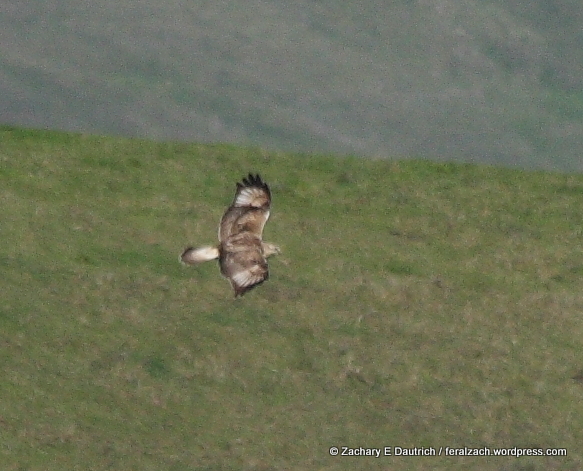
rough-legged hawk
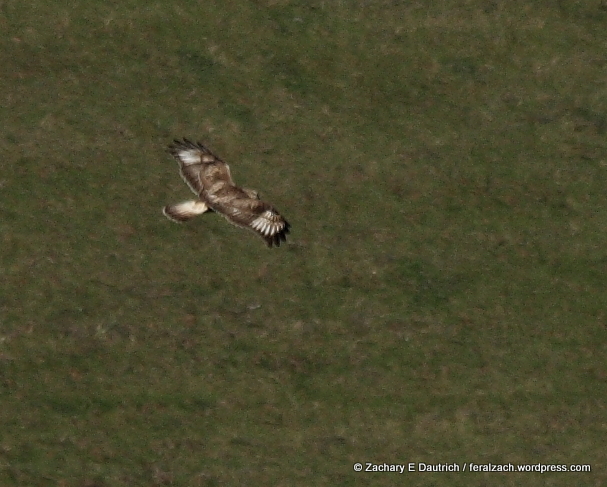
rough-legged hawk
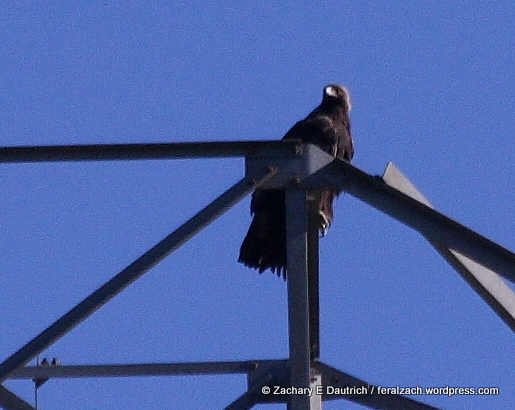
golden eagle
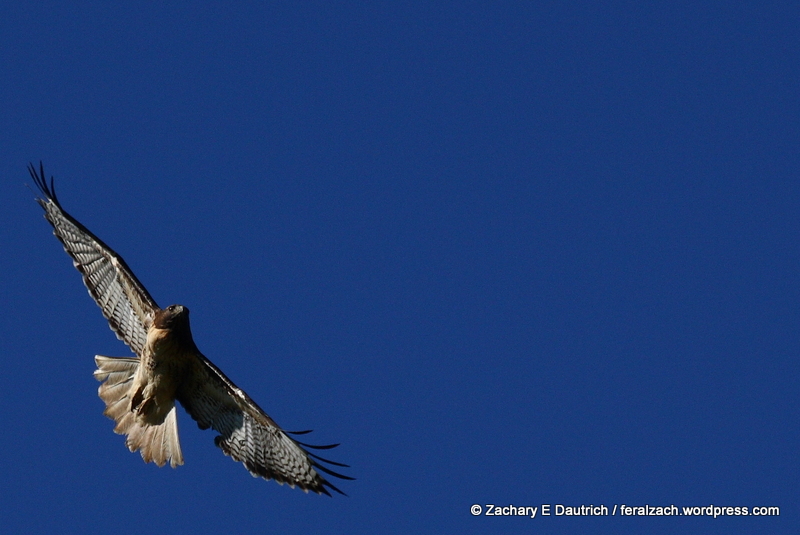
red-tailed hawk
Albany mudflats opsrey – a Canon lens comparison
I was spoiled the other day while observing peregrine falcons (besides the fact that I was observing peregrine falcons!) – a fellow East Bay photographer, George Suennen, let me borrow his “more advanced” (aka more expensive) lens setup for a couple of shots (Canon EF 300mm f/2.8L IS II USM Telephoto Lens with a 2x teleconverter). I REALLY REALLY don’t want to like this piece of equipment, but … WOW. Very gracious of him to offer for me to use it, I’m not sure if I thank him or curse him for putting that thing in my hands!!
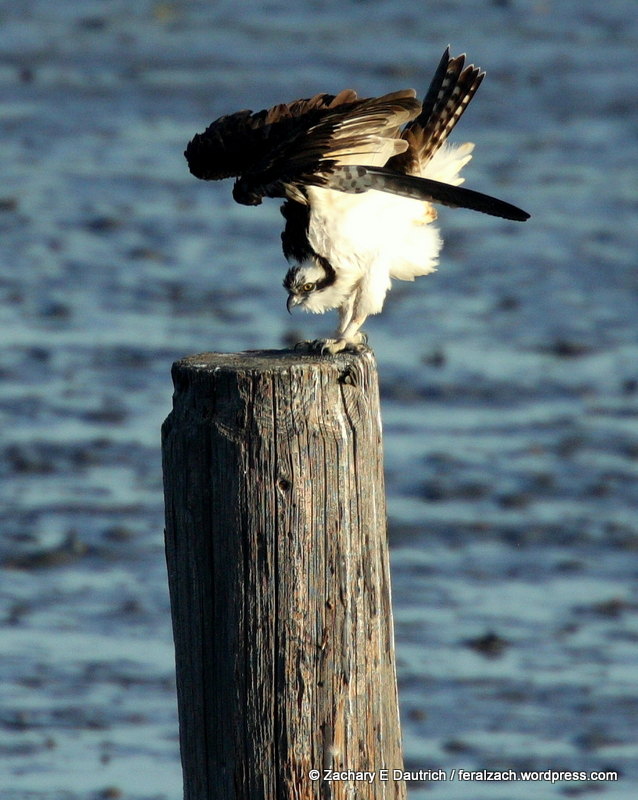
oprey / Albany mudflats CA
Right now I typically shoot with a different Canon 300mm lens – the Canon EF 70-300mm f/4-5.6 IS USM (but I DON’T have a 2x teleconverter attached – which brings the L-series lens setup to an equivalent of 600mm!). To understand the difference in lenses, a visual comparison is in order of course. Both images below are cropped close to 100% but no other post-processing has been applied (sharpening, contrast/brightness adjustment, etc). The same camera body was used. The difference between the lens setups is very evident.
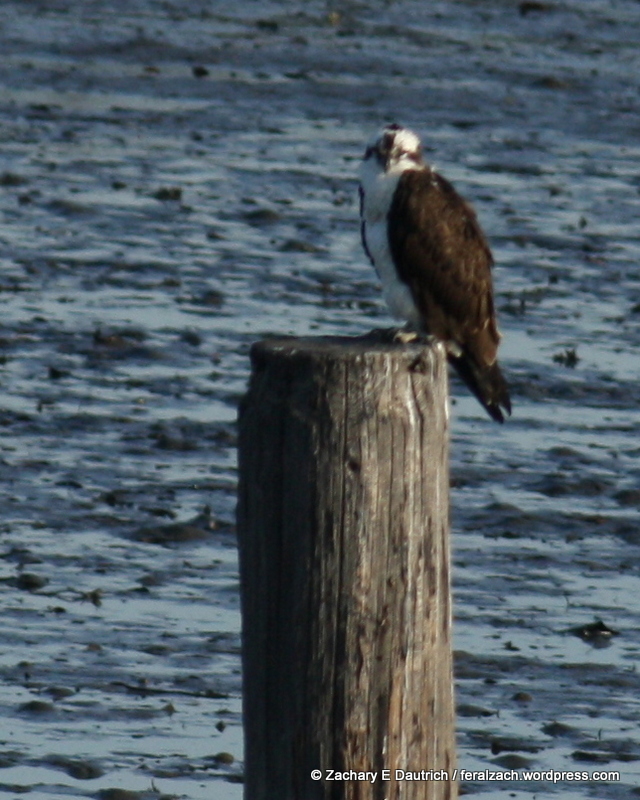 Canon 70-300mm zoom lens |
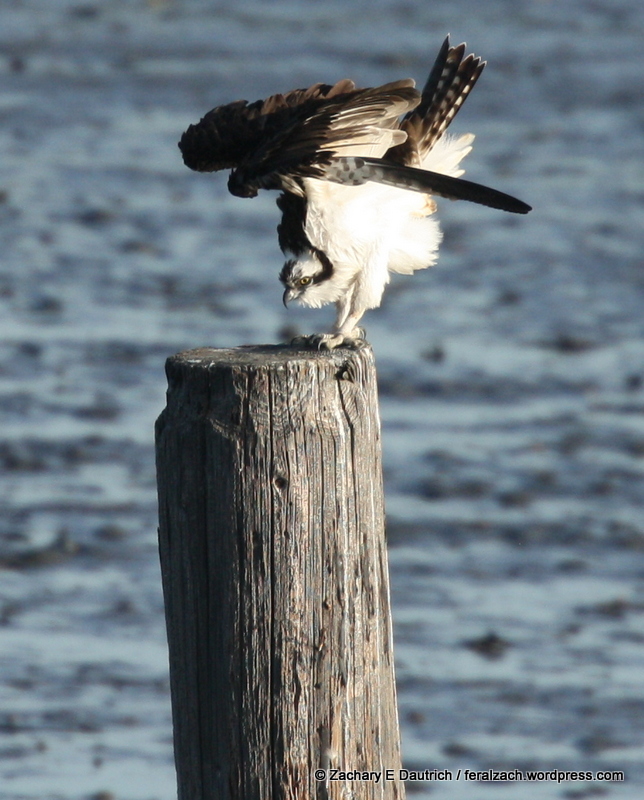 Canon L-series 300mm fixed lens w/ 2x teleconverter |
Are the results worth 14x the amount of money more? I suppose that’s an individual choice. It’s certainly understandable why this lens is rated one of the best in the Canon lineup, and a standard for many sports and wildlife photographers. Until I make the jump, I’ll have to continue to get close to subjects without disturbing them to get clear shots … which is a large part of the fun – and helps to force me to really get the most out of my equipment and techniques.
goatsucker!!!!
No, I didn’t find El Chupacabra – THE Goatsucker.
Yet.
However, my visit to Briones Regional Park a couple of days ago (see here for the blog entry) reminded me of my last visit a couple of months ago during which I saw a Goatsucker at close range and after dark.
That’s right, a Goatsucker.
And it makes perfect sense, because after darkness falls is when they come out.
I was walking back to my jeep well after dark on a moonless night, with no light, on a trail that wound back and forth over some open grazing land on the edge of a forest of oaks and bay laurel trees, descending sharply at times on its way back to the parking area. My eyes were adjusted well enough to see the outline of the trail before me, but other than the stars in the sky and some distant city lights, that was the extent of my vision. But the lack of sight, often our primary sense as we move through the world, necessitates that the other senses step it up a notch. Sounds, and the changing feel of cool moist air or warmer drier air on my skin help determine the terrain around me, and an internal “feeling” of the landscape, or inner vision, takes over. It’s a magical time to be out. And this particular night did not disappoint.
Suddenly a small fluttery form came towards my head in the night, and for a moment I thought it was a bat. But as my eyes focused on it, I saw that it circled quickly around me then flew down to the ground to become “invisible” on the path in front of me. It wasn’t a bat. I paused and stood completely still, using peripheral vision to sense movement if it flew up again as I grasped in my pocket for a small LED flashlight. Again after a few seconds, I saw the small form flutter up just a foot from my head then back down to a spot on the trail.
I turned my light on and shielded the lens so the light wouldn’t scare the creature, and it was then that I realized it was a Goatsucker!
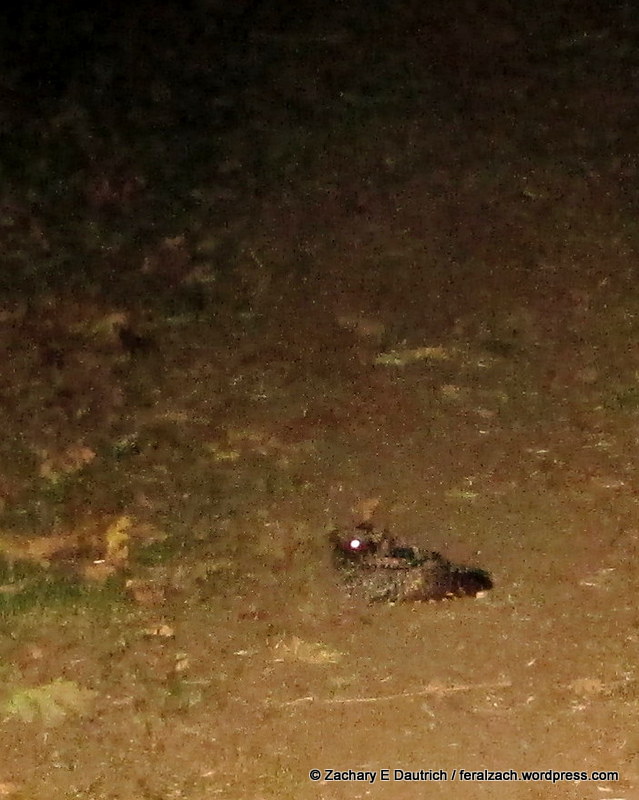
common poorwill
The Goatsuckers, or Caprimulgidae Family of birds, are composed of birds also know as nighthawks and nightjars. On the East Coast one of these birds is called the whip-poor-will, and it makes a unique sound that is often heard after dark in wooded areas where they live. But they are very seldom seen because they are nocturnal and extremely well camouflaged. Here on the West Coast we primarily have a close relative of the whip-poor-will (once considered the same species), called the common poorwill. These nocturnal birds are a strange-looking group, and their camouflage is absolutely amazing.
My pictures aren’t so clear, my point and shoot camera – the first thing I grabbed – had some trouble focusing on such a small target in almost complete darkness. Do a web search for images of the common poorwill and one can see clearer pictures showing how unique in appearance they are.
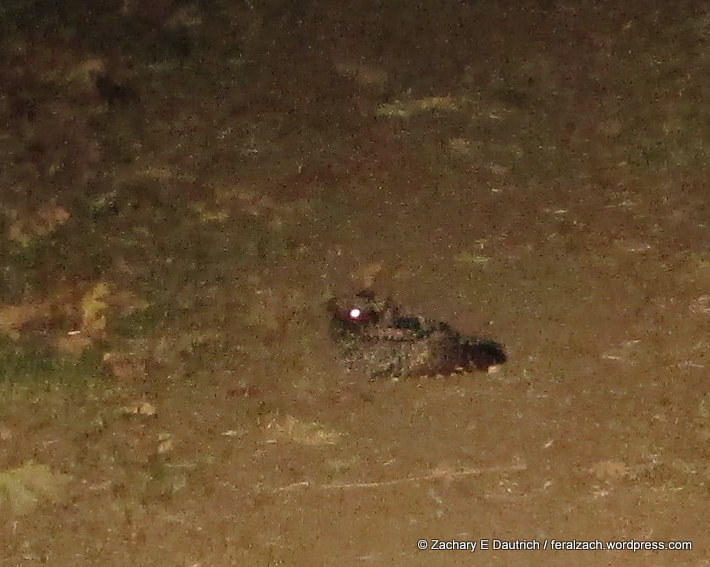
common poorwill (cropped and zoomed)
Interestingly, this bird is observed to be the only known bird that “hibernates” – or more accurately, goes into a torpor – slowing its metabolism and reducing its body temperature as if in a deep sleep during some of the winter months. According to some online resources, the Hopi called this little bird “The Sleeping One” in their language.
I was able to watch this little creature continue hunting small insects for about five minutes in the area around me. It was a continuous cycle of lifting off from the ground, where it lay motionless and virtually undetectable, to flitting up in the air about 6 feet off the ground to capture insects, quickly descending back to a new landing point nearby. Slowly it hopped this way and that, repeating the process over and over, until finally I lost sight of it.
A great ending to my wanders that day.
white-tailed kite

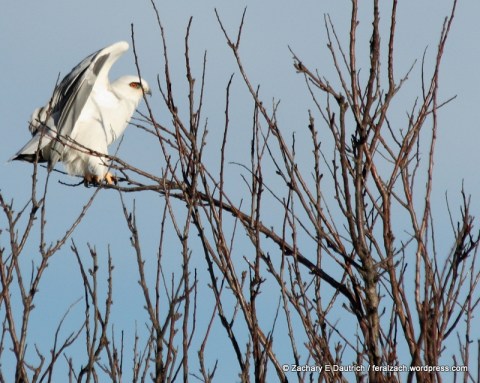

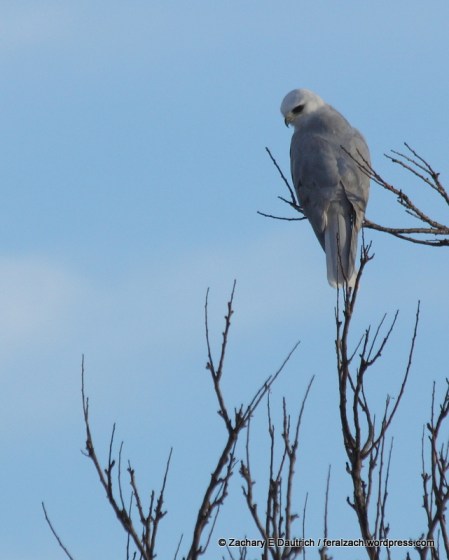
white-tailed kite / Elanus leucurus
Berkeley, CA
There’s something other-worldly about these birds … an ethereal white body like an angel combined with coal-rimmed eyes of deep shining red, they float and dance in the air like a flower petal caught in the wind moving from one invisible island to the next. To get so close to one perched was exciting.
los vaqueros reservoir
I haven’t been lucky enough to see a jaguar in the wild yet, but I did see this fella (lady?) last Thursday at Los Vaqueros Reservoir in Contra Costa County just after sunset.
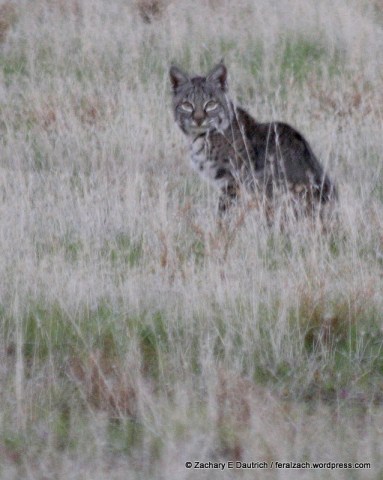
bobcat
Hiding just out of sight was this little one, probably trying to avoid being a bobcat breakfast.
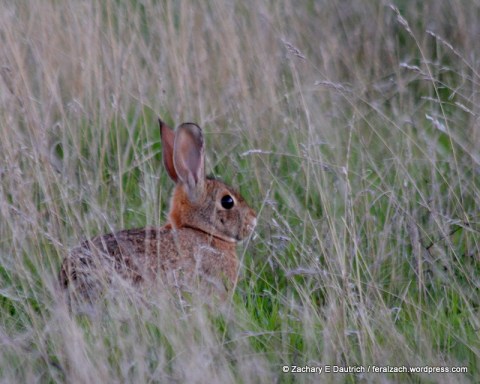
brush rabbit
It is a surreal landscape here – large mountainous hills that grow out of the flat grassy planes East of Mount Diablo, south of the Sacramento-San Joaquin river delta. It is almost completely devoid of trees, other than a small riparian area at the dam outlet, but once atop any of the peaks that surround the reservoir, there must be thousands of giant wind turbines in sight. It’s staggering the number of turbines in view, for as far as the eye can see in some directions, over land that has been cleared for grazing.

out in “nature” – Los Vaqueros Reservoir and a small portion of the visible wind turbines
Ironically, this general area has the highest concentration of nesting golden eagles in the world. It is home to many raptor and bird species, and has also been shown to be a main migration route for birds in the Autumn and Spring. It probably goes without saying that wind turbines and soaring birds don’t go well together (not for the birds, certainly). The mortality rate of golden eagles in this region is high due to collisions with the wind turbine blades, and is probably under-reported.
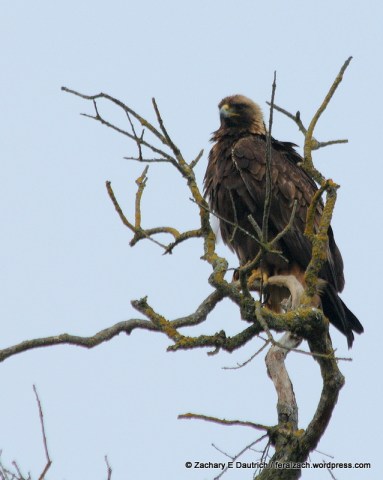
golden eagle / Mount Diablo Nov 2011
It’s hard to determine visually where the wind farms end or if they are part of different farms – to the north is the Shiloh Wind Power Plant, and to the south is Altamont Pass Wind Farm (of notorious history, for its vastly negative impact on raptor and other bird species). They are two of the four largest wind farms in CA. I’m not sure who owns the ones pictured above, I suspect it’s part of the Altamont Pass Wind Farm. The picture below shows a view to the north from above the reservoir – if you look closely you can see a LARGE number of turbines stretching across the horizon. I suspect these are part of Shiloh Wind Power Plant. It’s hard to differentiate where they start or end though because the turbines seem to be concentrated densely there to the north, then they sporadically run from that point far to the north all along the eastern edge of the Diablo range, then southeast towards Altamont Pass and out of sight.
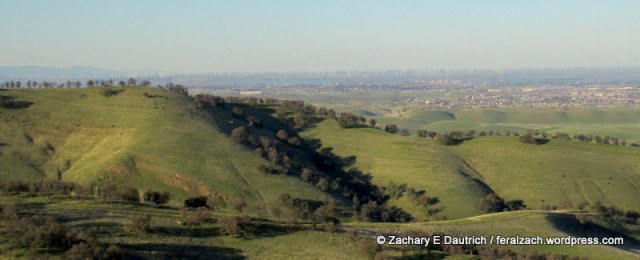
distant wind turbines
Despite the jarring visual impact, these turbines are “green energy” and certainly have a lot of benefits over other energy production techniques. They are part of the compromise that we currently must make in our effort to satisfy energy demands while still attempting to minimize our impact on the environment – both to the creatures who live there now, and in a global capacity long term. No easy answers. No black and white.
Every day the sun rises though, and the cycle of life continues. Coyote doesn’t care so much about politics.
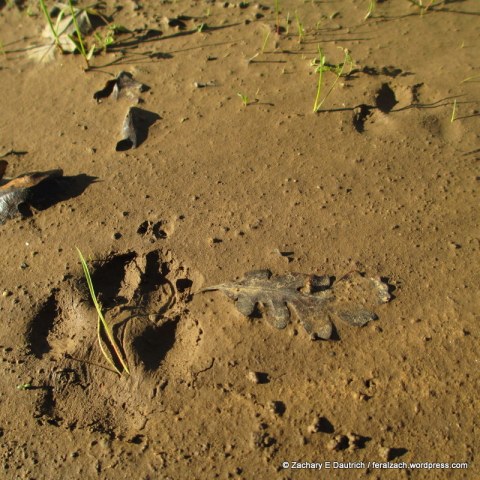
coyote tracks
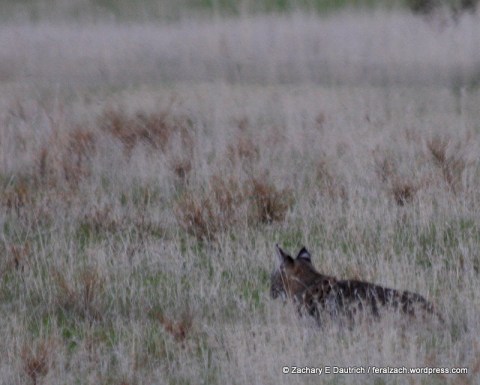
a hunting bobcat after sunset
free!!
Haya was released successfully on Monday, it was quite a day.
Good luck Haya!!!
Haya 1
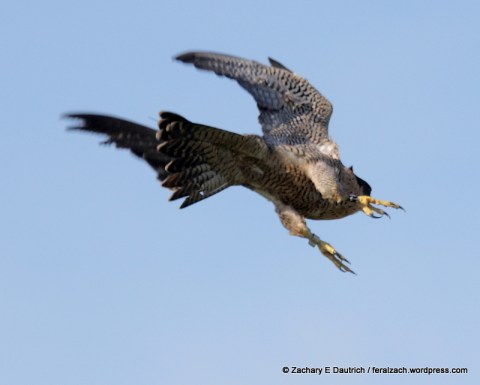
the toss to freedom!
Haya 2
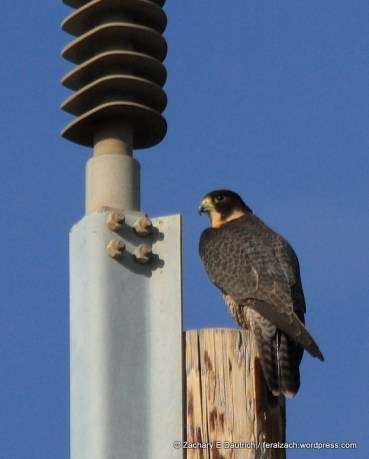
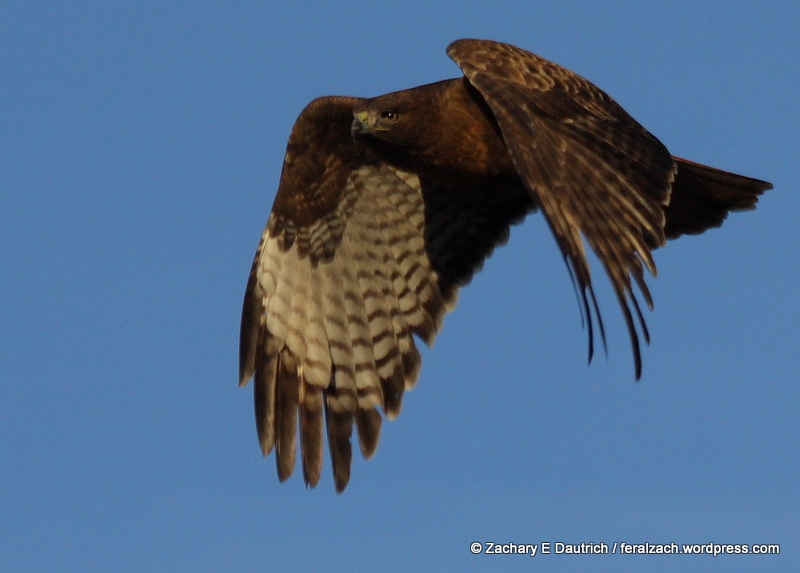
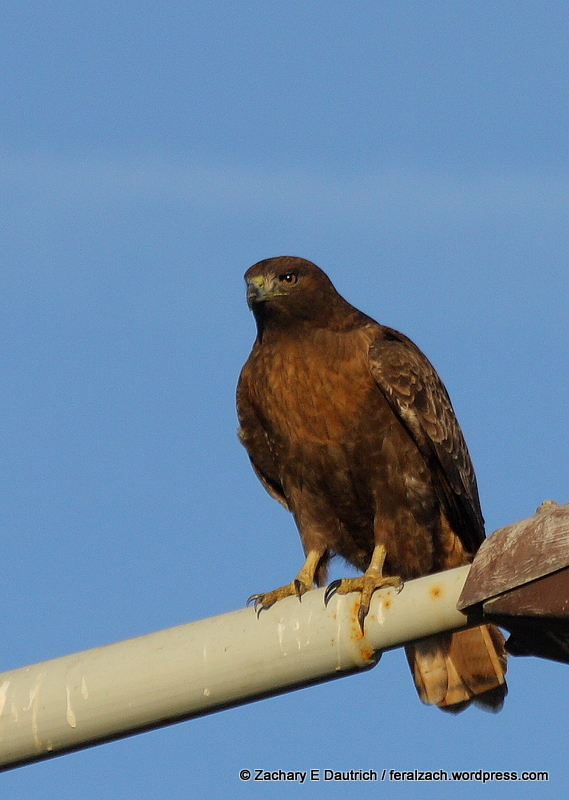
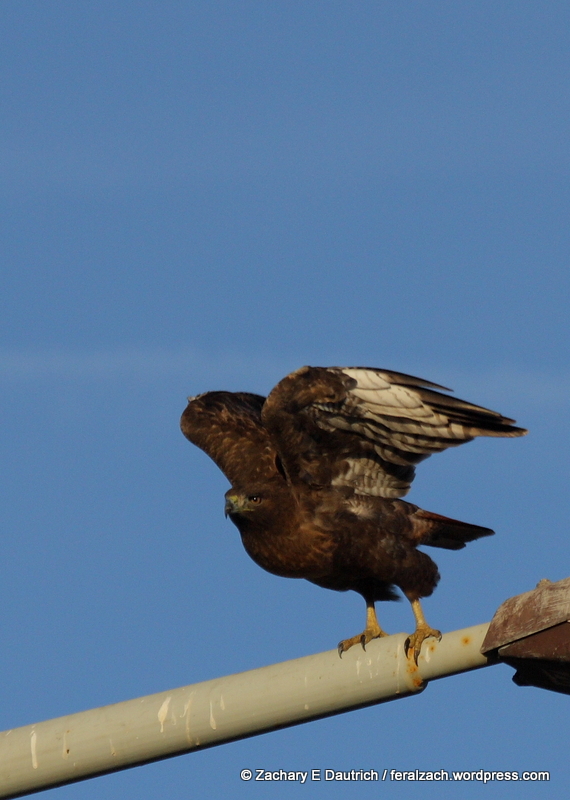
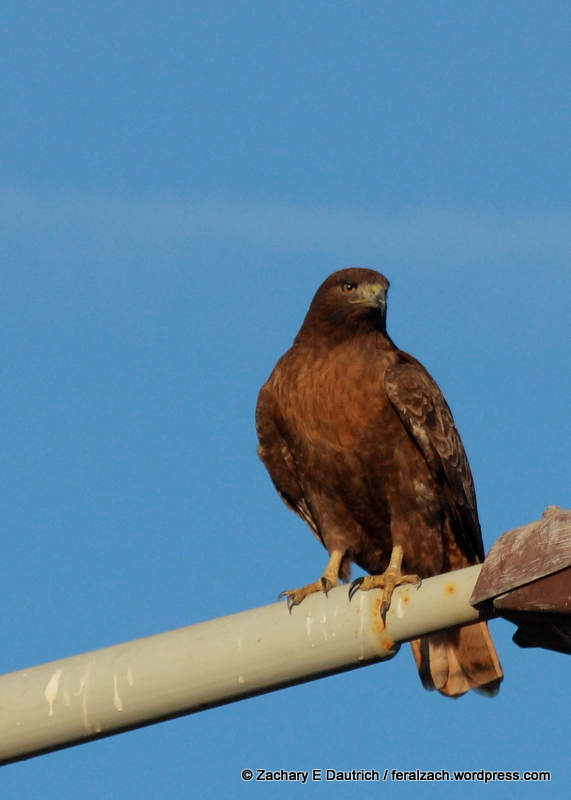
dark morph extravaganza
Lot’s o dark morphs lately! Delicious.
The rains have passed and the light was perfect for a few more shots of the intermediate/dark morph in Berkeley …
slimy things love rain
Ah!! The rains are here in abundance, and everything on the land rejoices!
The snails, slugs and salamanders have come out.
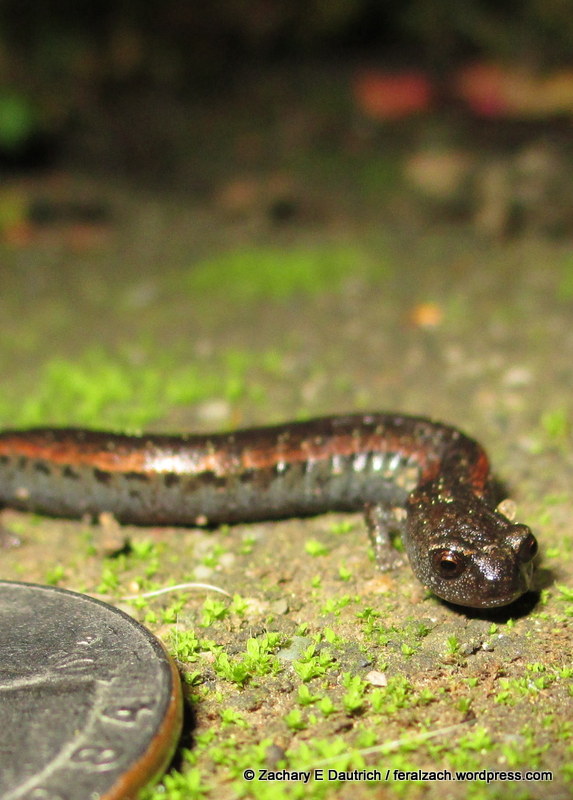
California slender salamander / Alameda County CA
(yes, that is a quarter next to this tiny being)
The California slender salamander is from 7-13 cm in total length. They breath exclusively through their skin! Because of this, it’s always a good idea to handle them minimally (or not at all) – also, some species of salamanders actually have strong neurotoxin that if ingested can kill a human (California Newt). The California newt secretes tetrodotoxin, which is 100 times more potent than cyanide!
I must admit they’re kind of cute. They have muppet-like four-toed feet on those tiny little legs, and do more slithering than walking.

California slender salamander / Alameda County CA
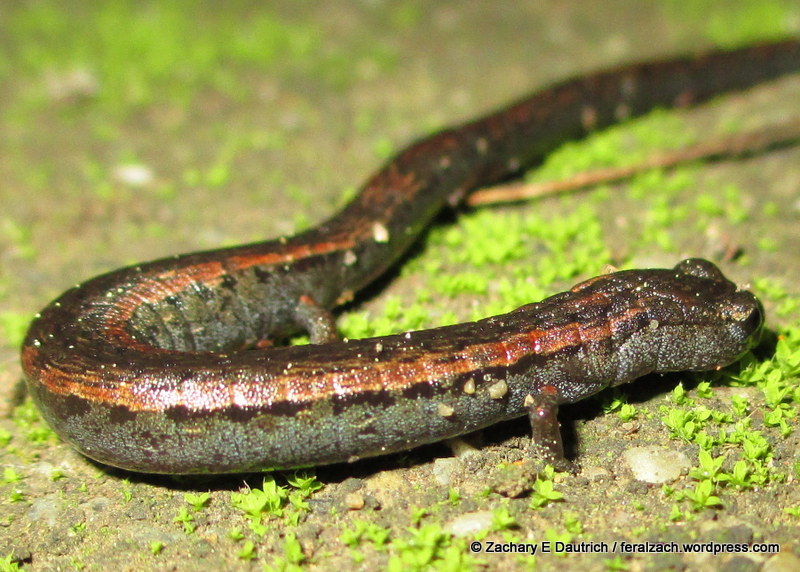
California slender salamander / Alameda County CA
This small garden snail has a shell that looks like it is made of pure gold.


A slug on a budding flower was doing its thing – the yard at night is magical after the rains!

day of the dark morphs
We saw a dark morph ferruginous hawk in Sonoma County the other week (!!), it’s been hanging around with a light morph ferruginous hawk in an area that also has at least one dark morph red-tailed hawk (probably the one that I photographed and posted here from last year). A rare treat in Sonoma County to see ferruginous hawks of any plumage – the largest hawk native to the United States.
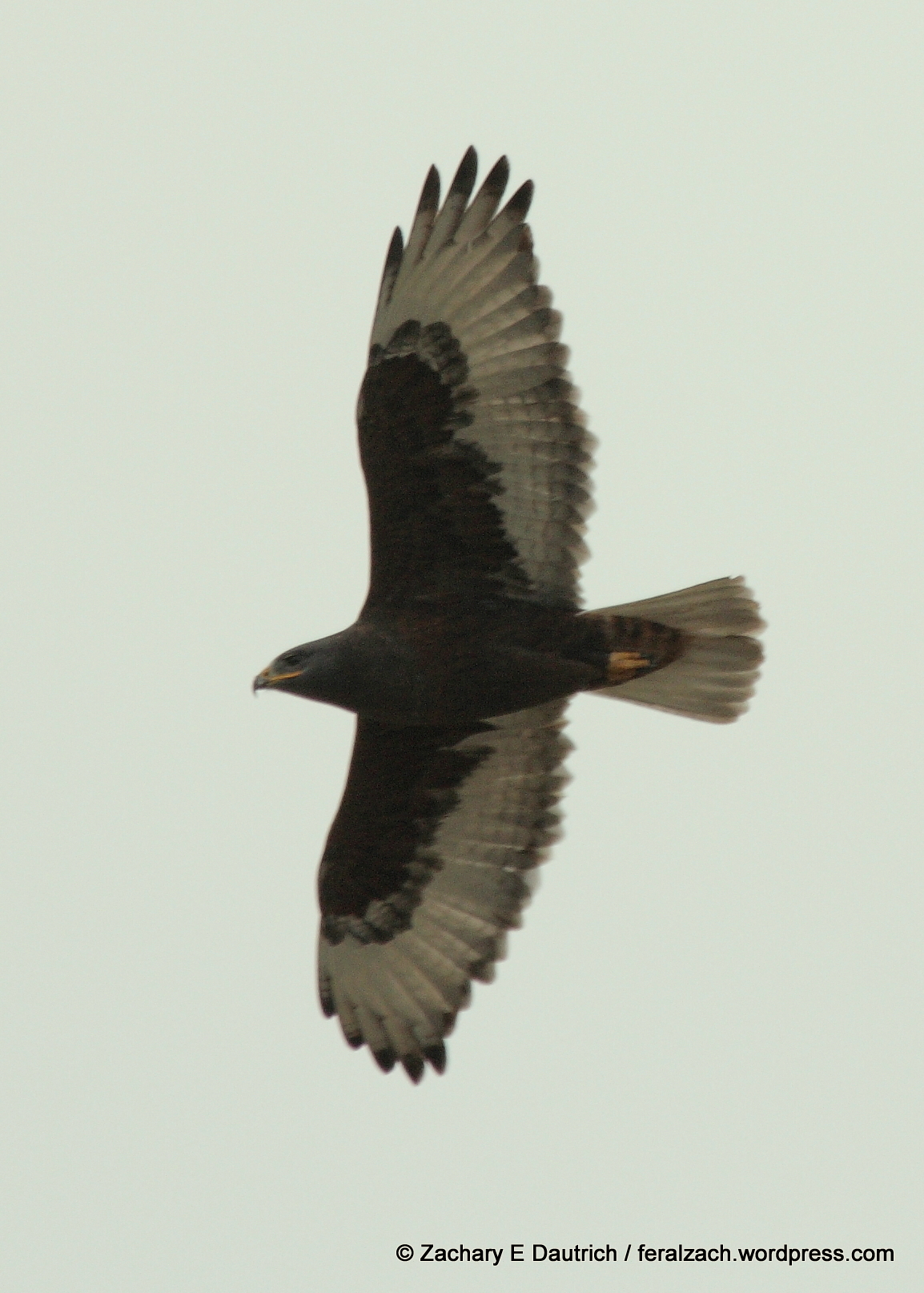
dark morph ferruginous hawk / Sonoma County CA
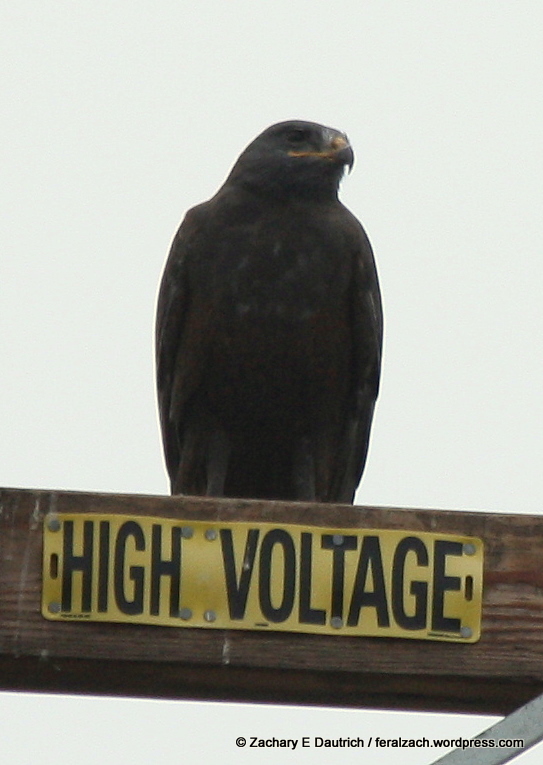
dark morph ferruginous hawk / Sonoma County CA
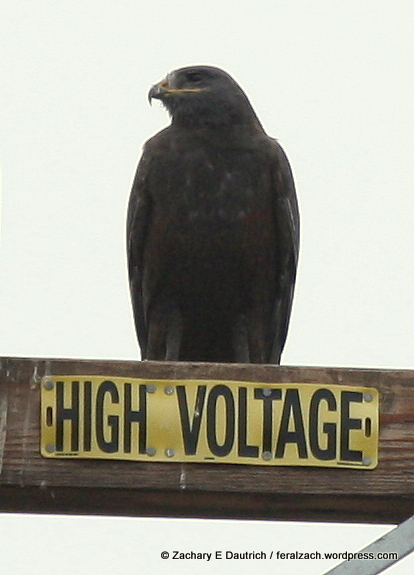
dark morph ferruginous hawk / Sonoma County CA
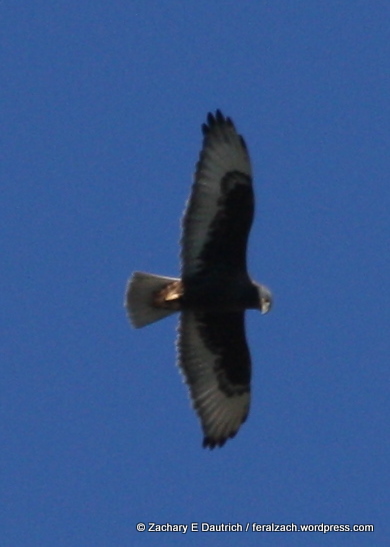
dark morph ferruginous hawk / Sonoma County CA
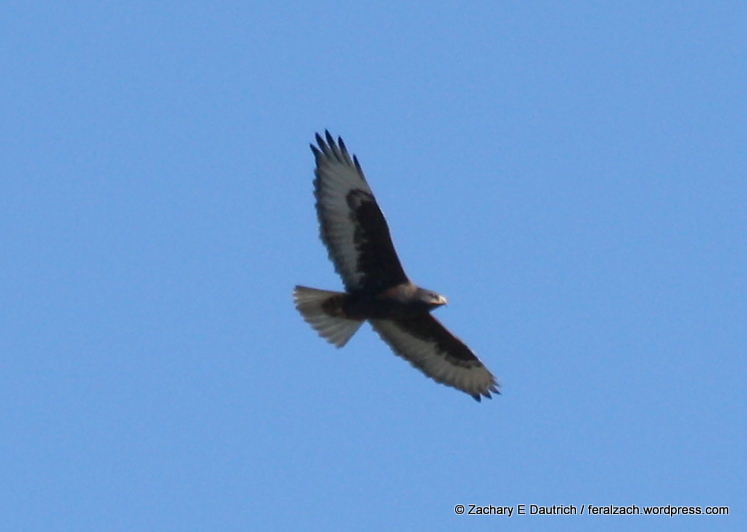
dark morph ferruginous hawk / Sonoma County CA
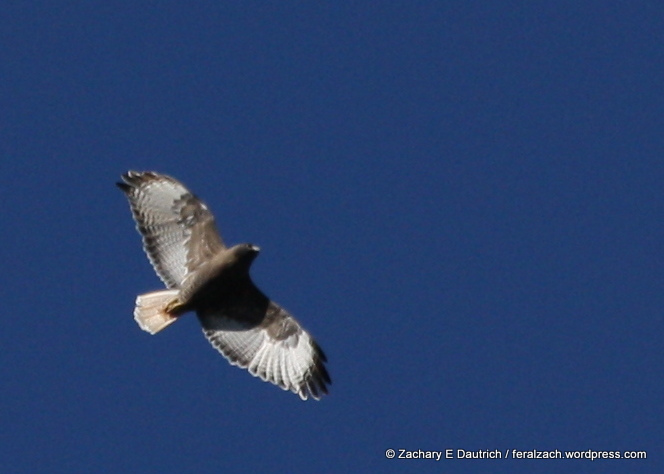
dark morph red-tailed hawk / Sonoma County CA
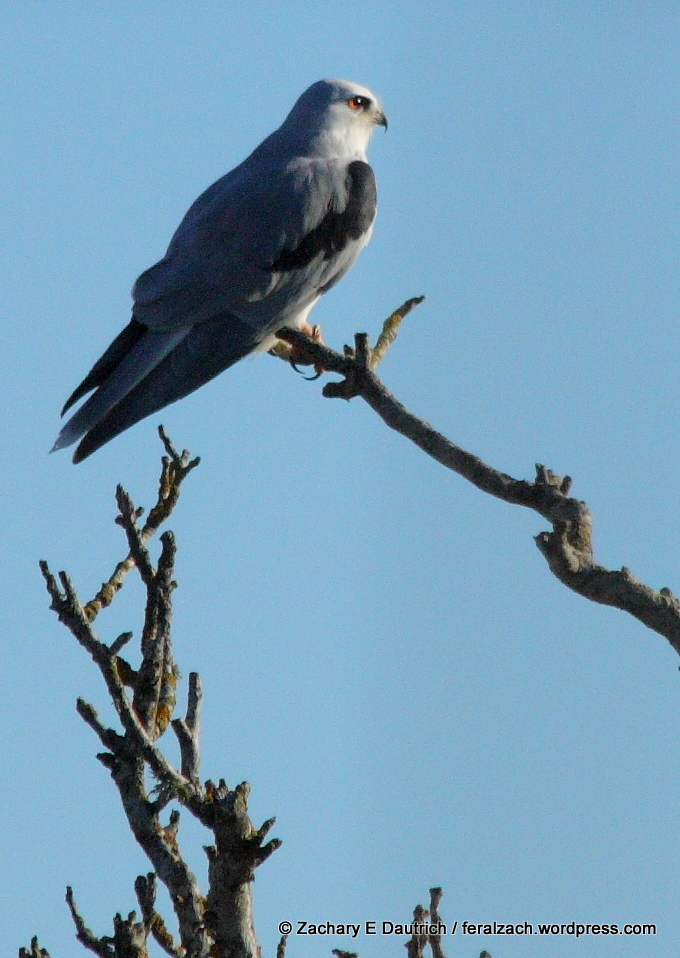
white-tailed kite / Sonoma County CA
back in the skies!

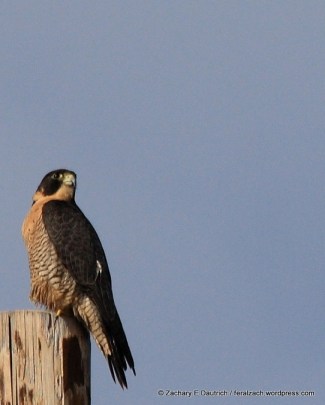
Happy news for our falcon friend from Oakland that was shot along with two of her fledglings a little over a year ago (see link and link) – she is scheduled to be released back into the skies! Whatever destiny is hers to follow, it will be on her own wings and flying free. Good luck Haya! Many many thanks to all the people who worked so hard to make her release possible.
From the Lindsay Wildlife Museum’s Facebook page (link):
“After spending a year and a half in care and going through three surgeries, a bone infection, countless radiographs and anesthesia, broken feathers and falconry training, it is with great pride that we announce that Haya has been evaluated
and will be released! We are hoping to release her in the next couple of weeks. Be sure to sign up for our release program for an opportunity to see her return to the wild!http://wildlife-museum.org/hospital/releasesThis has been a long and incredible journey for this falcon as well as for those caring for her. We would like to extend our deepest gratitude to all of you who have been following her progress. Without your constant support we would not be able to help animals like Haya return to their wild lives.”
Her one surviving offspring, a huge female falcon named Marina, is unable to be released and will spend the rest of her life in captivity (and I seem to recall that she is being used as a surrogate mother for captive breeding ).
I took this picture the evening before she was shot – she was feisty as ever, yelling at some of the bridge workers (for whom she had developed a distaste, since they had escorted bird banders weeks prior up to her nest to band her fledglings – she always recognized their uniforms and was proactive in “defending” her nest area after that intrusion).

Haya May 31, 2012
autumn elk
Autumn is my favorite time of year, and I’m always excited by the usual harbingers of Fall … pumpkins, raptor and bird migration, amazing light, crisp electric air, foliage color changes, bay nuts, and an instinct deep within me that drives me to figure out what ridiculous costume I’ll wear for Halloween.
There is also the call of the rutting bull elks, if you’re lucky enough to be close to some – a sound that reminds me of whale calls penetrating the surface of the water and echoing across the landscape. I love to see and hear them, especially at this time of year, when the bulls have their “harems” of cows protectively corralled close to them. If one tries to stray too far, the bull will herd her back. And if another male comes too close, a fight can ensue.
They make their bellowing, haunting calls often, seemingly to advertise their virility to the females and their dominance over other bulls -with the occasional chirping siren-like responses from the females, and other males calling back to defend their own space and ladies. It’s all about the ladies at this time of year.
On Sunday we visited the herds at Tomales Point to immerse ourselves in this Autumn rite, and though initially we were disappointed by the thick fog that enveloped just the very tip of the peninsula where the elk live, it turned out to be a good thing. Fog is one of the natural states of this area, and the landscape comes alive when it is foggy. Not only that, the fog allowed us to get closer to the elk than we would have been able to otherwise, creating a smoke screen for us as we approached from downwind to find a nice rock outcropping overlooking two small herds. And, as an added bonus, most of the two-leggeds depart with the fog!
Ironically, the best pictures I got were when we were leaving in our vehicle as a herd was milling about near the exit road. Vehicles can be the best blinds … and they’re mobile!
Oh, and the fog made a stunning scene for pictures.
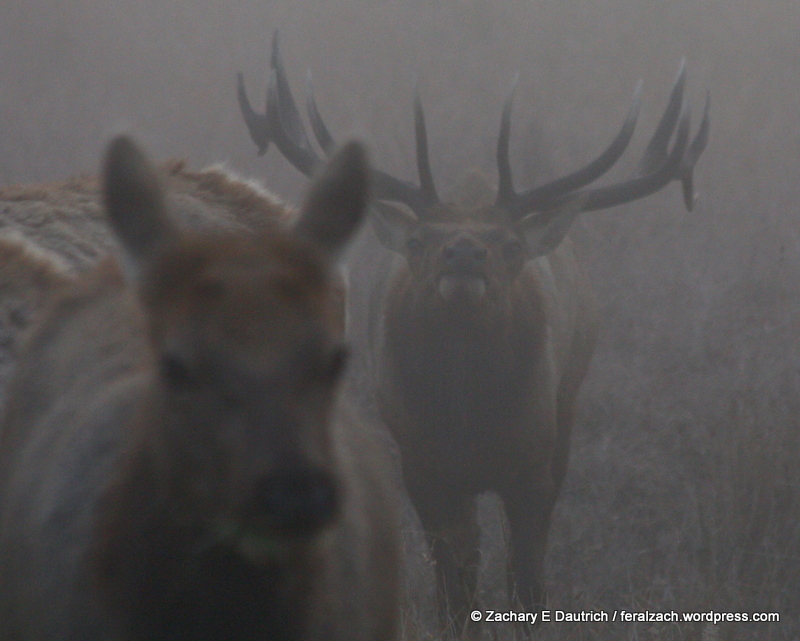
elk 01 / Tomales Point, Point Reyes Nat Seashore CA
I caught this one mid-bellow!!!!!!!!! The sight and sound was incredible.
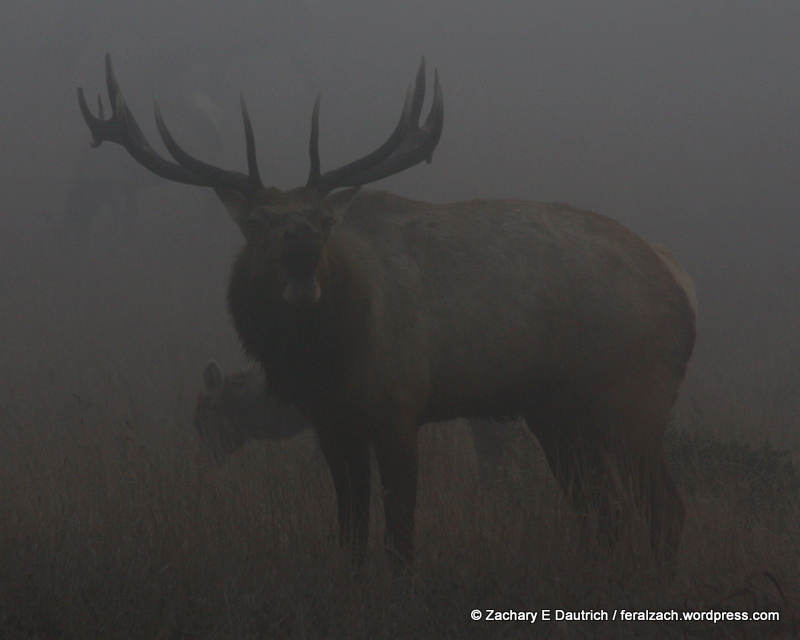
bull elk calling!!
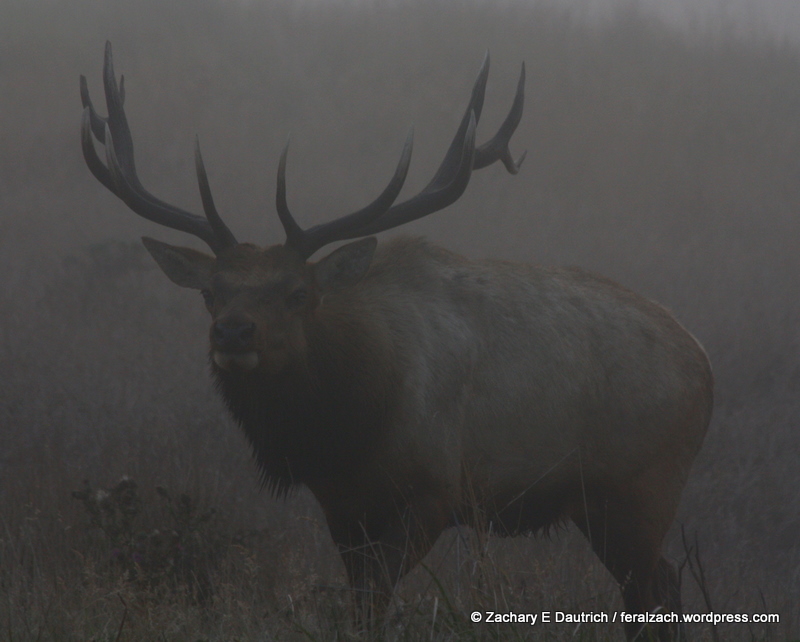
bull elk 02
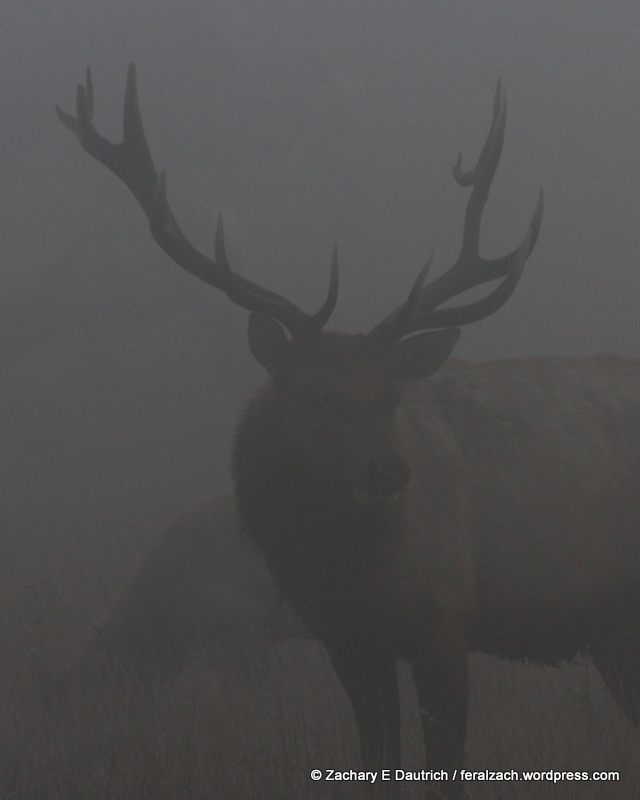
bull elk 03
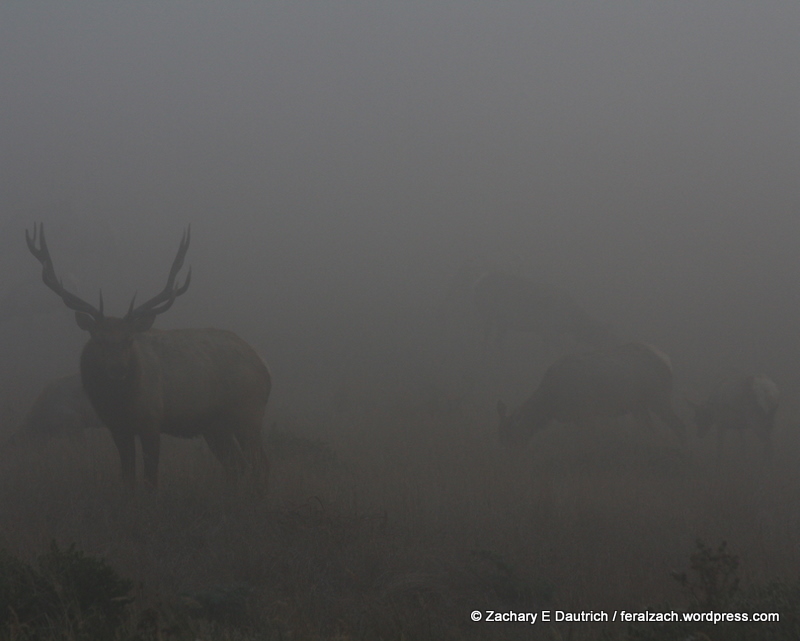
elk 02
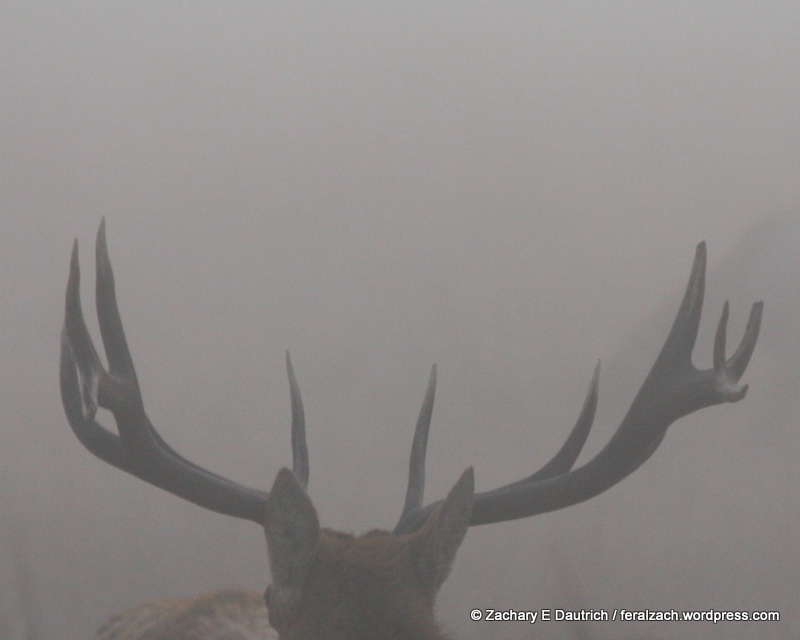
bull elk antlers
As we were leaving the Point Reyes area, heading East back towards the big city, we saw a great-horned owl perched on top of a utility pole, just a shadow highlighted by the twilight. We stopped to watch it, and suddenly we heard the unmistakable sound of a begging juvenile great-horned owl very close by. Within a minute or two, it had flown up to land on the utility wires, begging intensely for its breakfast. After shredding its prey, the adult jumped over next to the juvenile and handed it over. Oddly, the young one didn’t stop begging, it just perched on the wire with the food in its talons. The only time it paused was when I mimicked its begging call, at which point it would look at me for a few moments, then return to begging. Must have been a spoiled young one … it does live in Marin County, after all.
🙂
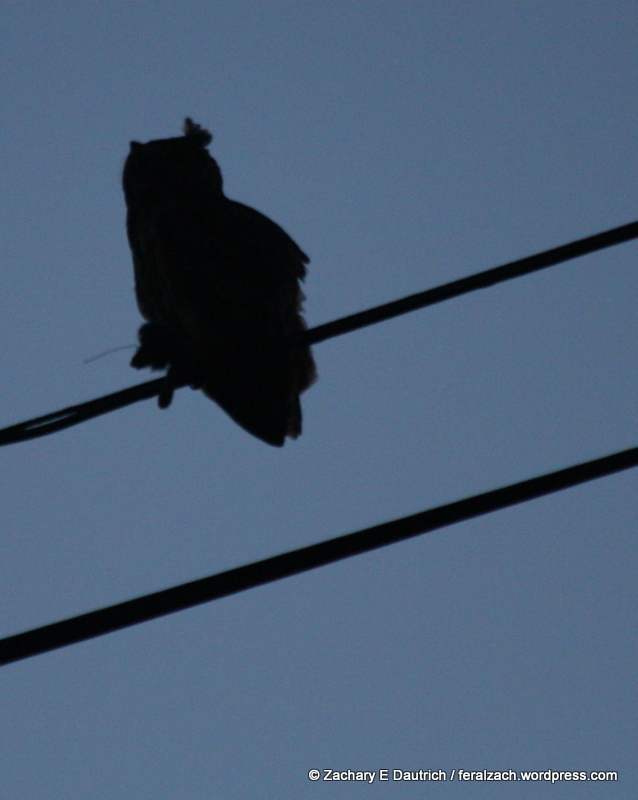
juvenile great-horned owl with prey
partial leucistic red-tailed hawk
(the following picture was added after the original post)
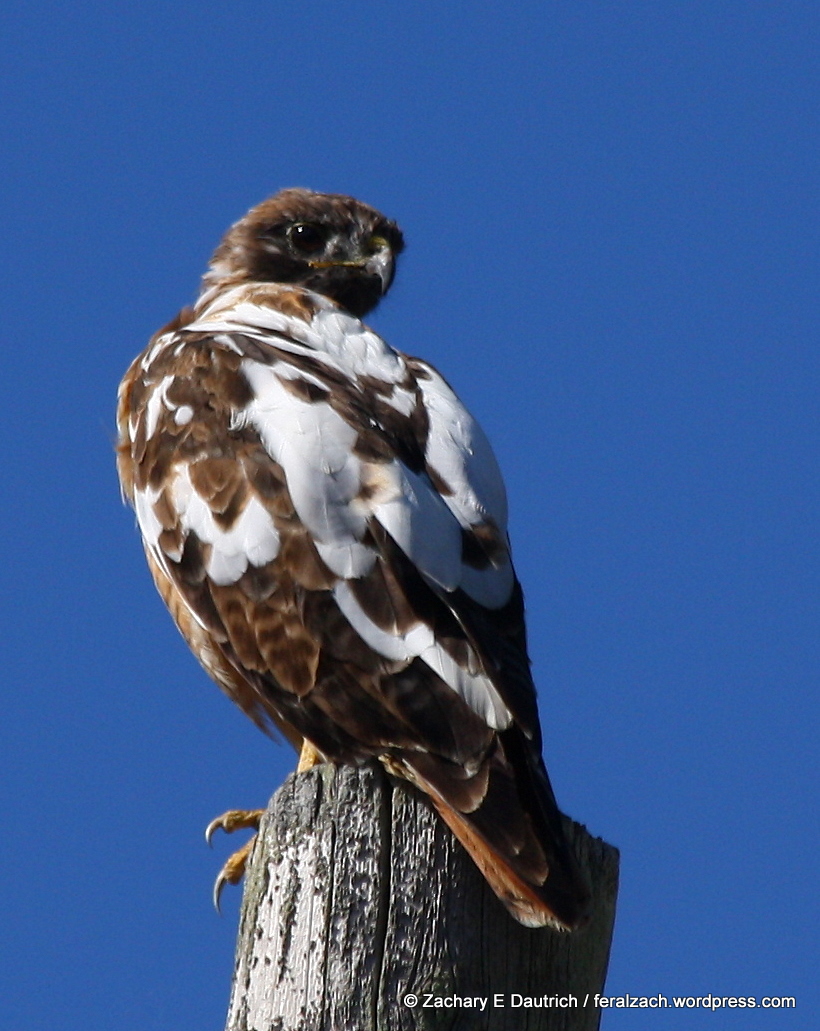
partial leucistic red-tailed hawk
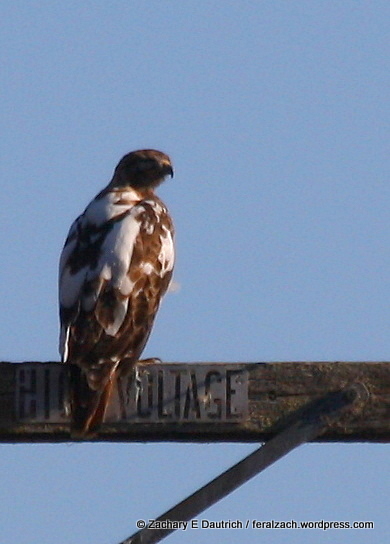
partial leucistic red-tailed hawk 01 / Sonoma County CA
Thanks to a tip from Larry “the raptor magnet” Broderick of West County Hawk Watch, I was able to see another amazing bird yesterday. Leucism is a recessive gene defect that affects the pigment cells’ development in some parts or an entire animal, causing either the whole animal or some of its feathers, fur, hair or skin to be white. It’s similar to (but different than) albinism, which only affects the melanin pigment cells. The effect can be really cool to see, as it is in this red-tailed hawk that I photographed in Sonoma County yesterday.
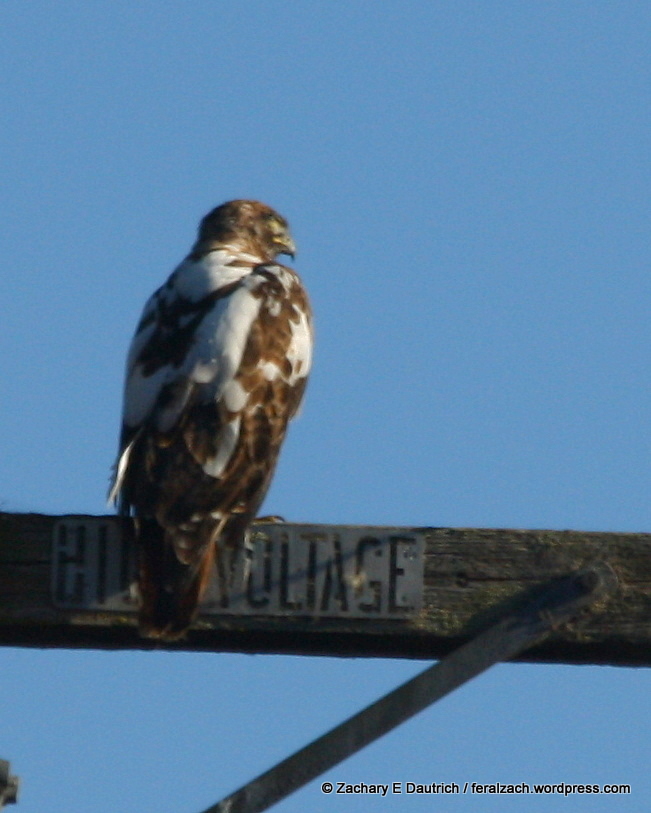
partial leucistic red-tailed hawk 02 / Sonoma County CA
Viewing the bird from the front or from underneath, it’s difficult to tell that it has different plumage than a typical red-tailed hawk, though on close inspection of it flying from underneath, you can see a couple of flight feathers that are all white. From a rear or top-down view while flying, it is obvious (and not easy to photograph!! I forgot to bring my jet pack yesterday).
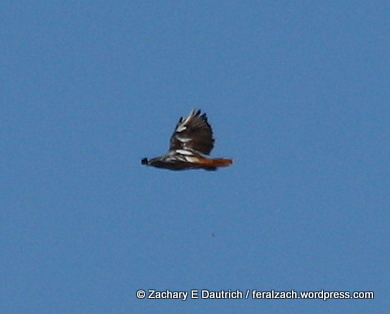
partial leucistic red-tailed hawk 03 / Sonoma County CA
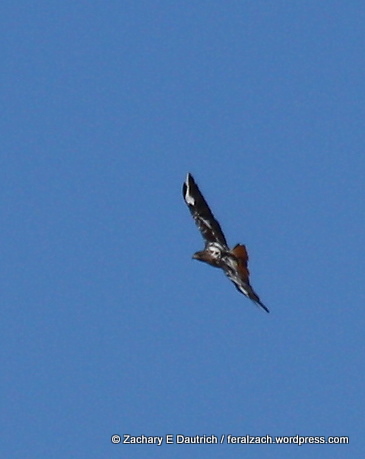
partially leucistic red-tailed hawk 04 / Sonoma County CA
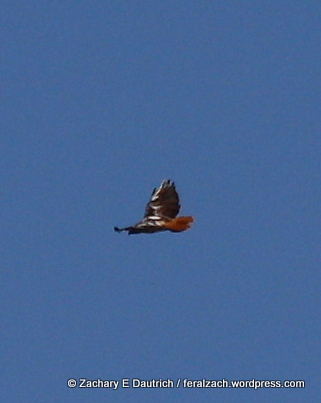
partially leucistic red-tailed hawk 05 / Sonoma County CA
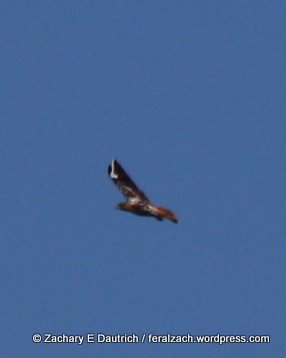
partially leucistic red-tailed hawk 06 / Sonoma County CA
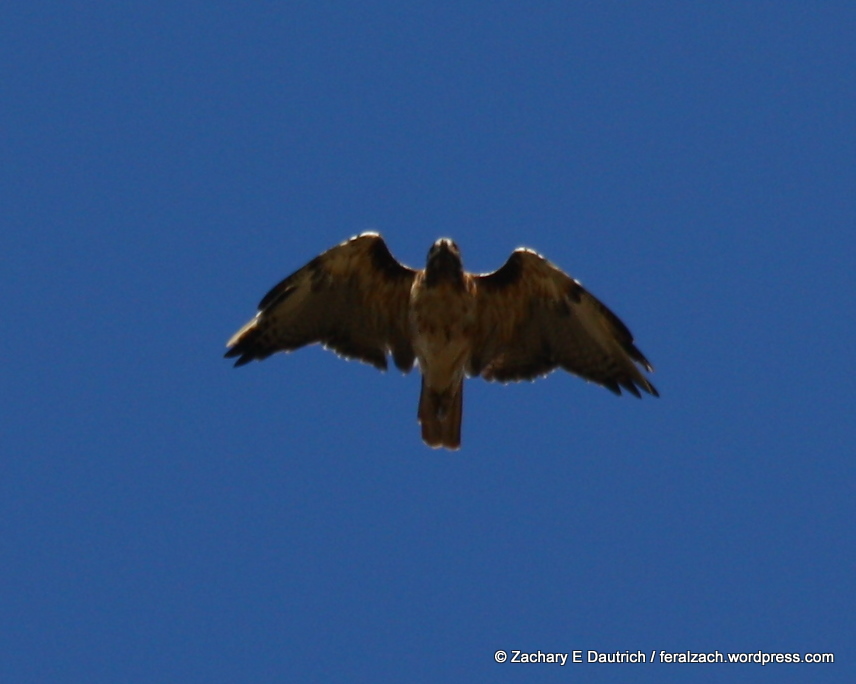
partially leucistic red-tailed hawk 07 / Sonoma County CA
A bald eagle that I photographed last winter also has leucism, and it was striking. See those posts with pictures again here.
Another local raptor expert, George Eade, photographed an almost completely white red-tailed hawk here in the Bay Area a few years ago, his pictures can be seen here. The bird and the pictures are absolutely amazing.
Swainson’s hawk … on the coast?
Yes. It was. I know all of you are flabbergasted.
Actually, it was my first (conscious) sighting of a Swainson’s hawk. During the winter they migrate to South America, around April they are found in the Central Valley of CA. I was surprised to see one so close to the coast, it was quite a treat in addition to the beauty of Pt Reyes.
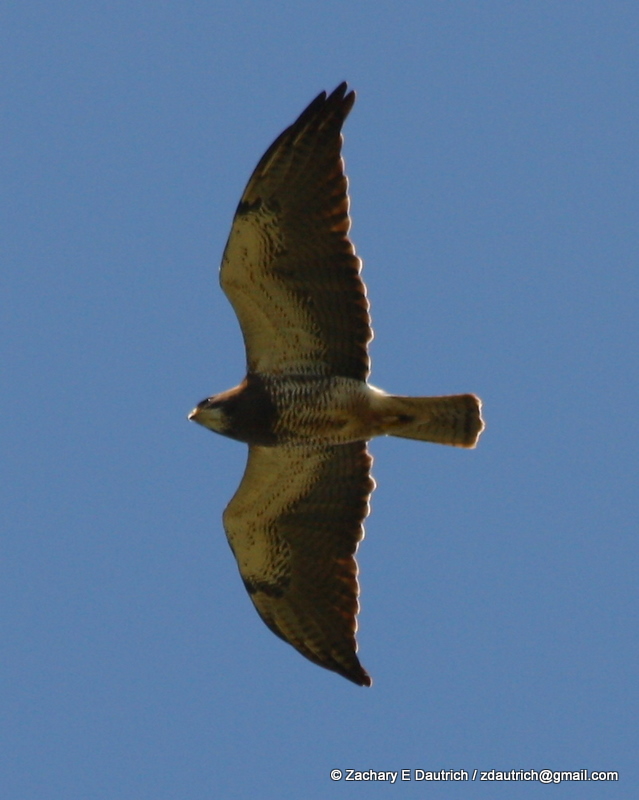
swainson’s hawk 01 / Pt Reyes NS CA
 feralzach