
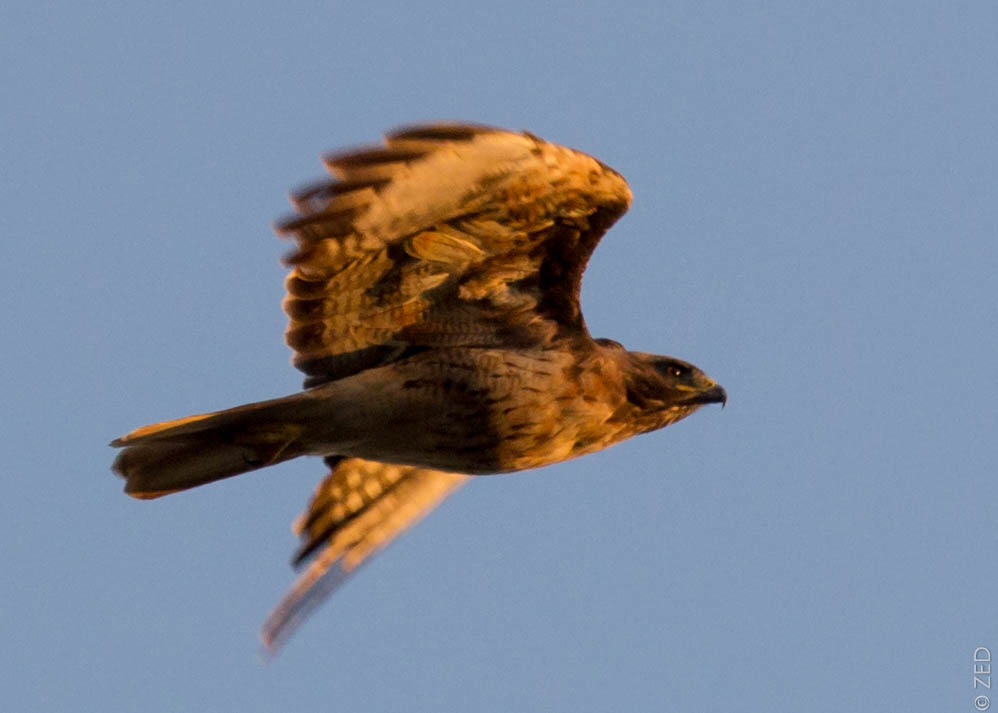
2015 Oct 13 – backyard Cooper’s hawk
 juvenile Cooper’s hawk / Contra Costa County CA (aka my backyard)


2015 Nov 04 – bobcats, hauntings and happy Samhain
It was a tough day for our track and sign study, due to very high winds on the coasts of Mendocino and Sonoma counties that scoured the pages of our sand clear – but luckily the animals seemed to accommodate us by showing themselves in person.
 BOBCAT / Sonoma County CA
 bobcat / Lynx rufus
This Bobcat showed itself just outside the “Mirkwood of Sonoma County” – seriously, best analogy I can provide for this area. I can’t even begin to describe in words the experience that I had last night, nearby to where this photo was taken, at what turned out to be a “haunted” house that I stayed in, unintentionally. Very, very, strange happenings. Yes, I wrote “haunted house.”
 Enter ye who dare … into Sonoma County’s “Mirkwood”!!!!!
It was extremely weird and uncomfortable. But perfect for the season, I suppose.
Happy Samhain and Halloween to all, this is the week of the celebration of the coming of the dark time of year, when the days are short and the nights are long … and when the veil between the living and the dead is slight! November 7th is officially the “cross-quarter” day, equi-distant between the Autumn Equinox and the Winter Solstice – though it is officially celebrated on Nov 1st.
 bobcat / Lynx rufus
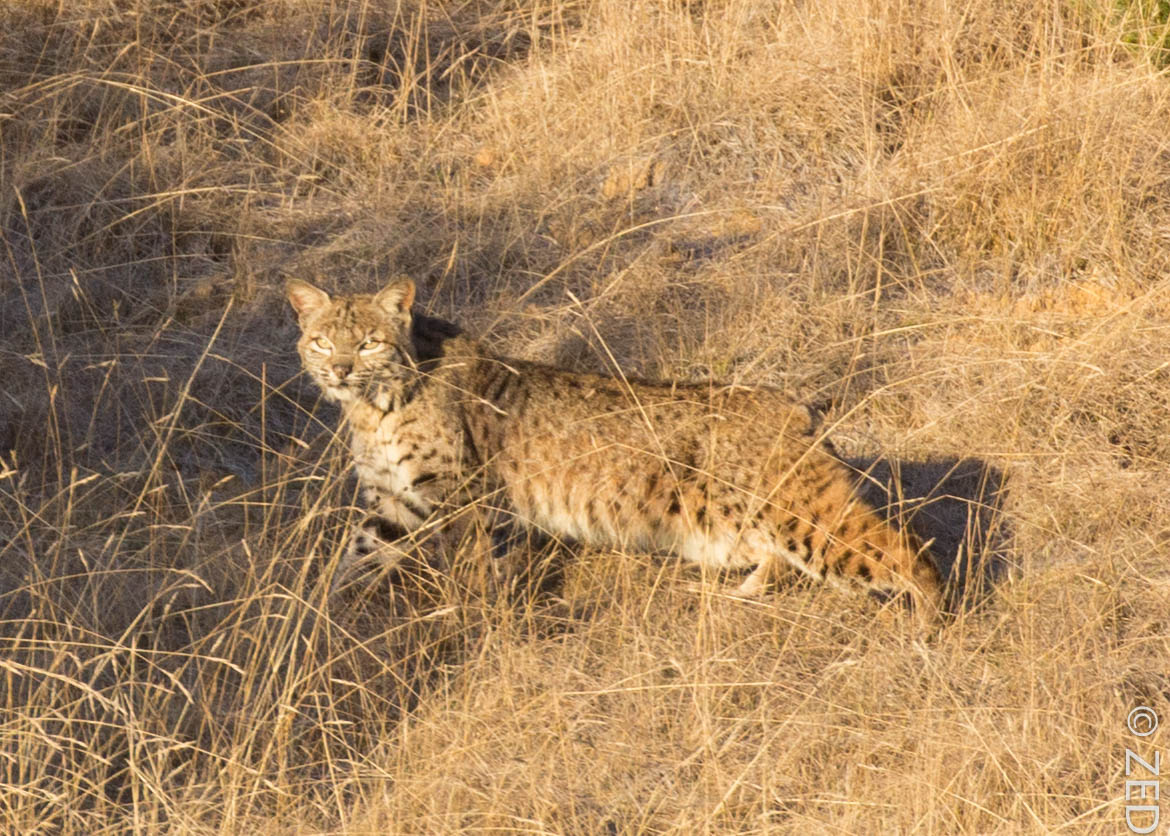 bobcat / Lynx rufus
Beautiful animal!
2015 Nov 04 – red crossbills

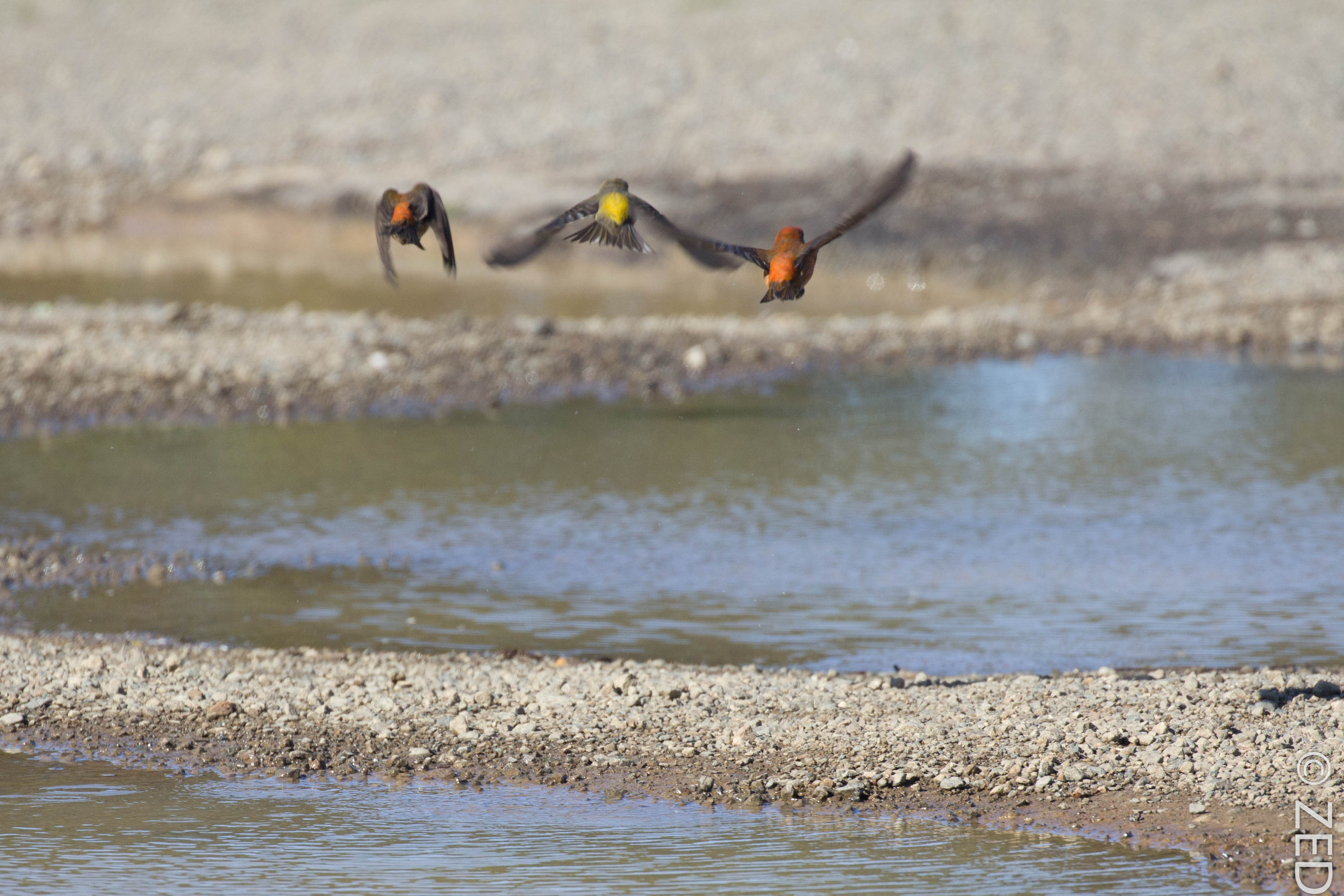
a flock of red crossbills made an appearance on the southern border of Mendocino County in CA on this day – interesting to see the way the flock moved, very distinctive.
colors – amazing.
a rare visitor here …

females are yellow and the males are red – the flock was composed of about 30 birds, slightly more males than females.
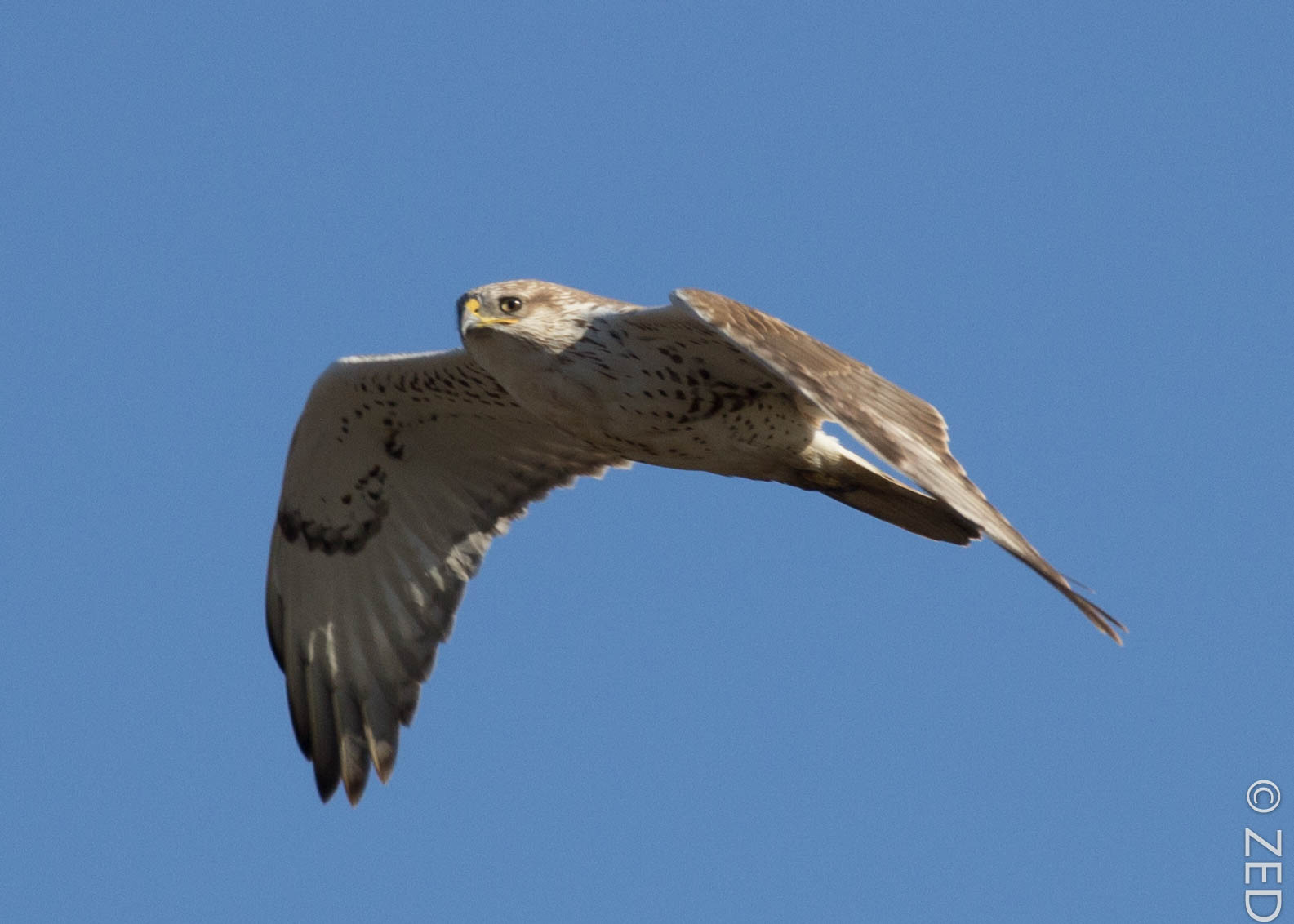
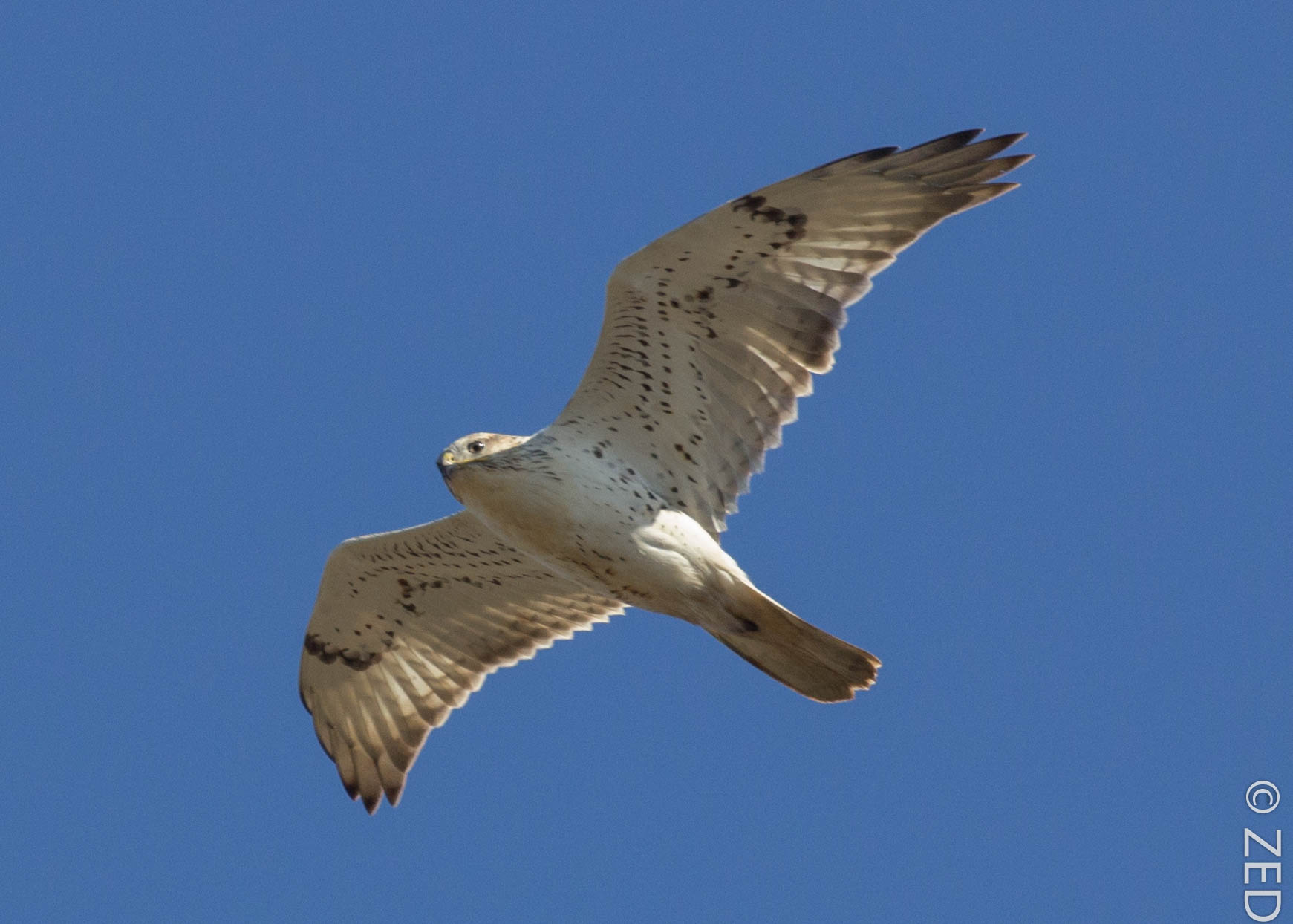
2015 Nov 04 – ferruginous hawks have arrived!

These pictures are dedicated to LB and West County Hawk Watch – much love and respect for your passion, dedication, mentoring, generosity, trust and expertise. One of the first FEHA’s that I ever saw was with Larry, and to this day, every time I see one, I think of you my friend.
These birds have arrived to take up residence for the winter from their summer breeding grounds in the plains, and I am always excited to see them – largest of our native hawks.
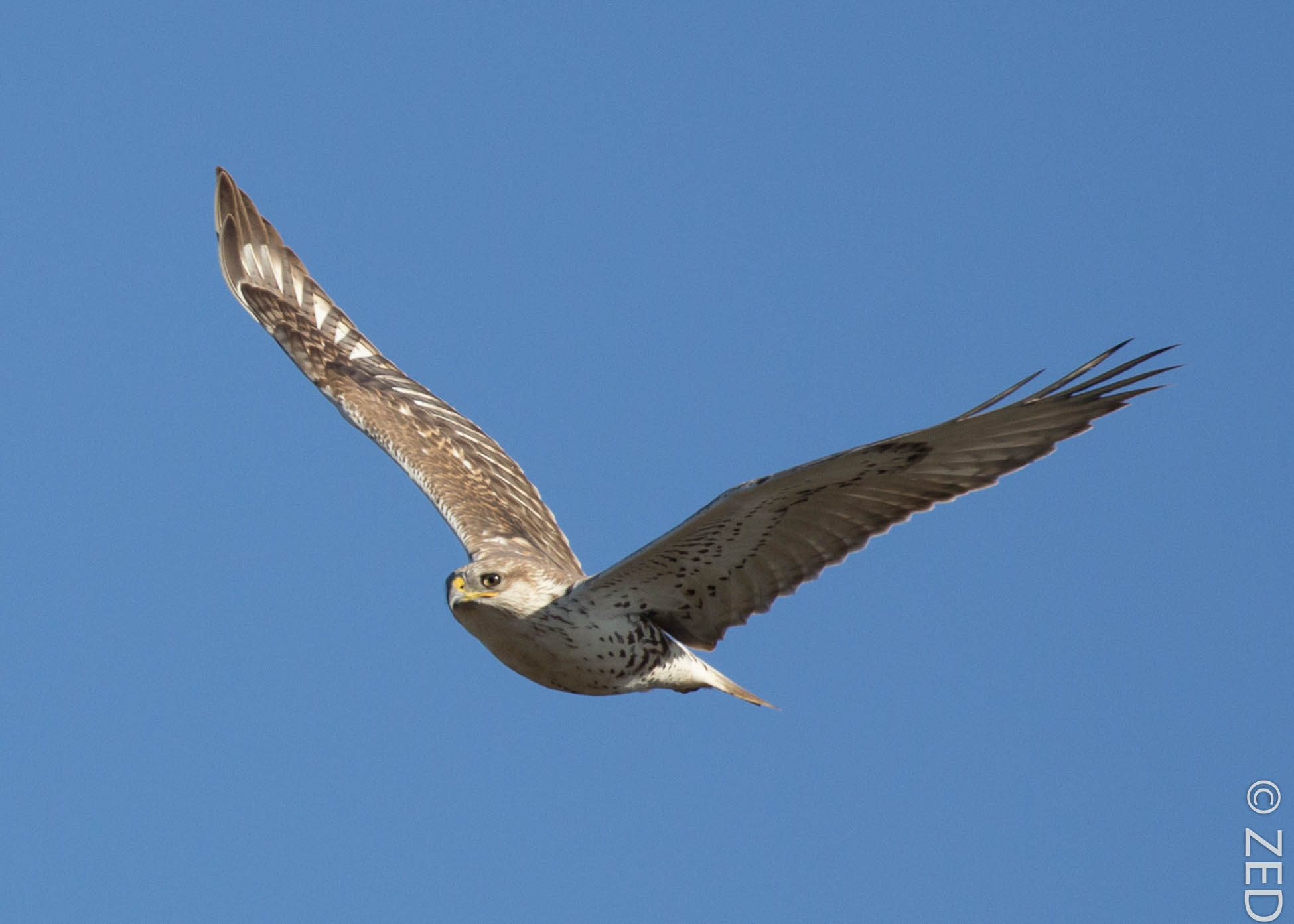 juvenile Ferruginous Hawk(s) / Mendocino County CA
2015 Oct 28 – It’s that time …
The owls are back in their autumn cycle, starting to claim their territories.
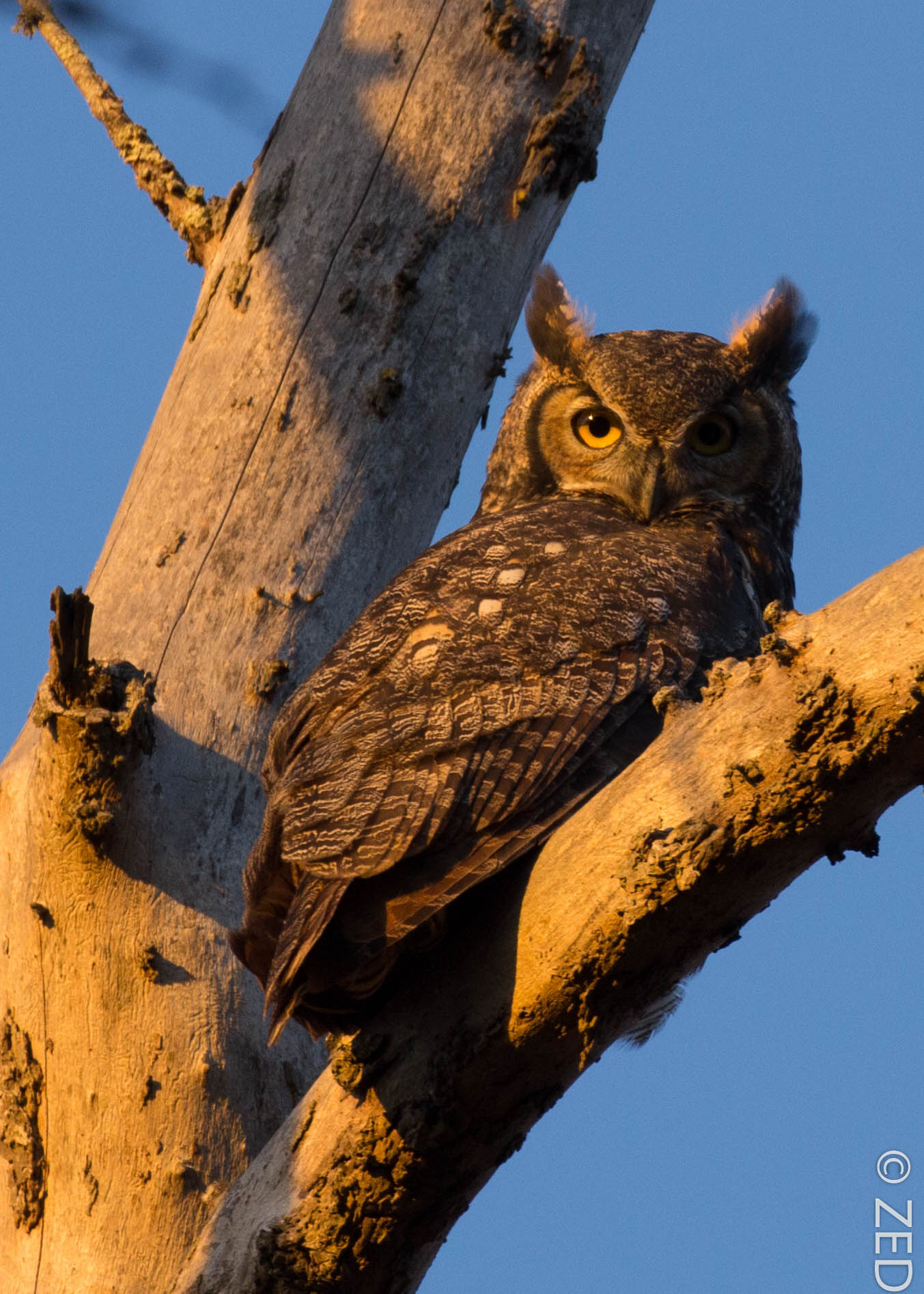 GREAT-horned Owl / Wildcat Canyon Regional Park , East Bay CA
glacier skies
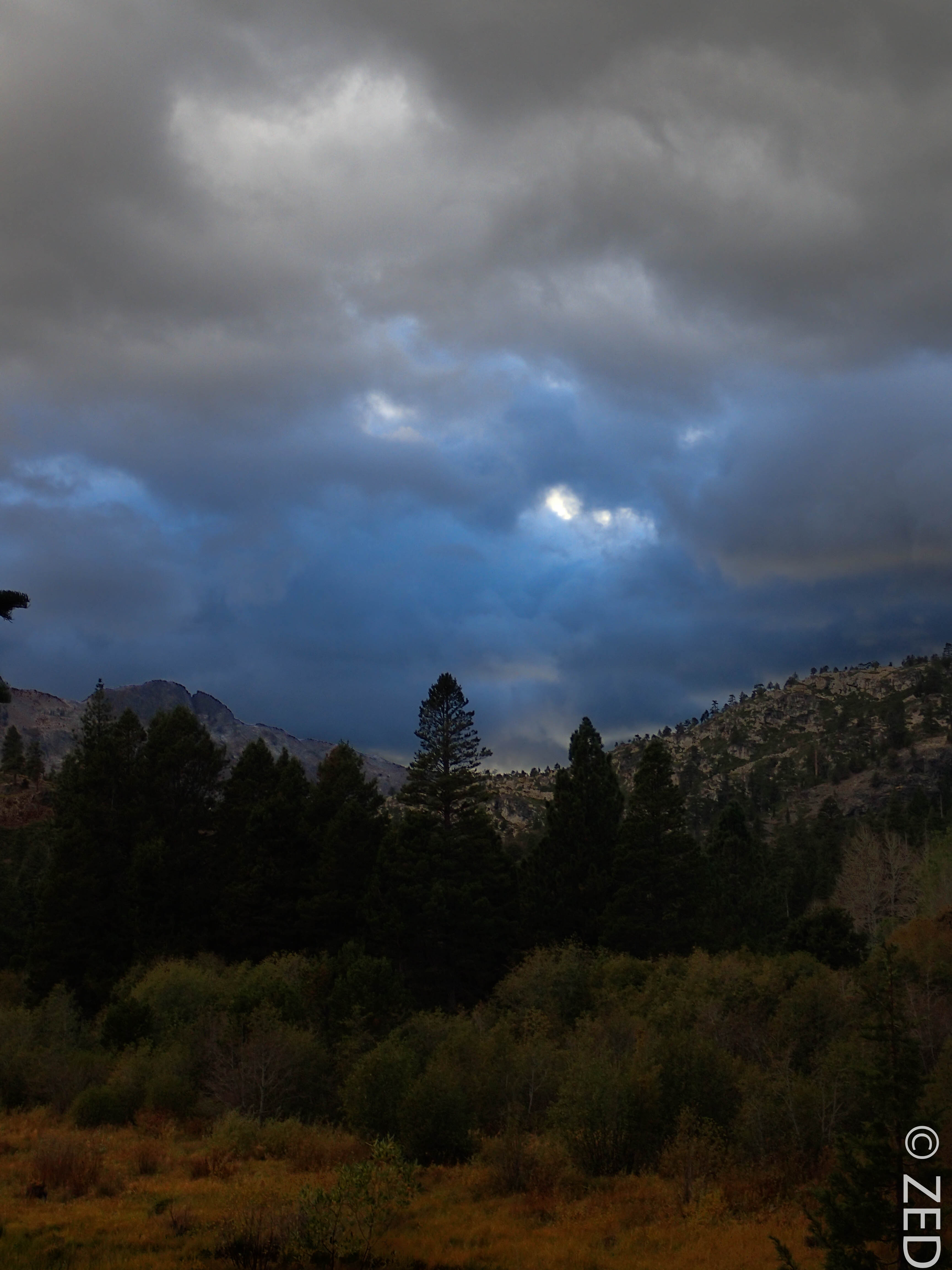 the skies near Fallen Leaf Lake – the clouds took on a glacial color / Lake Tahoe area CA
tree lovers
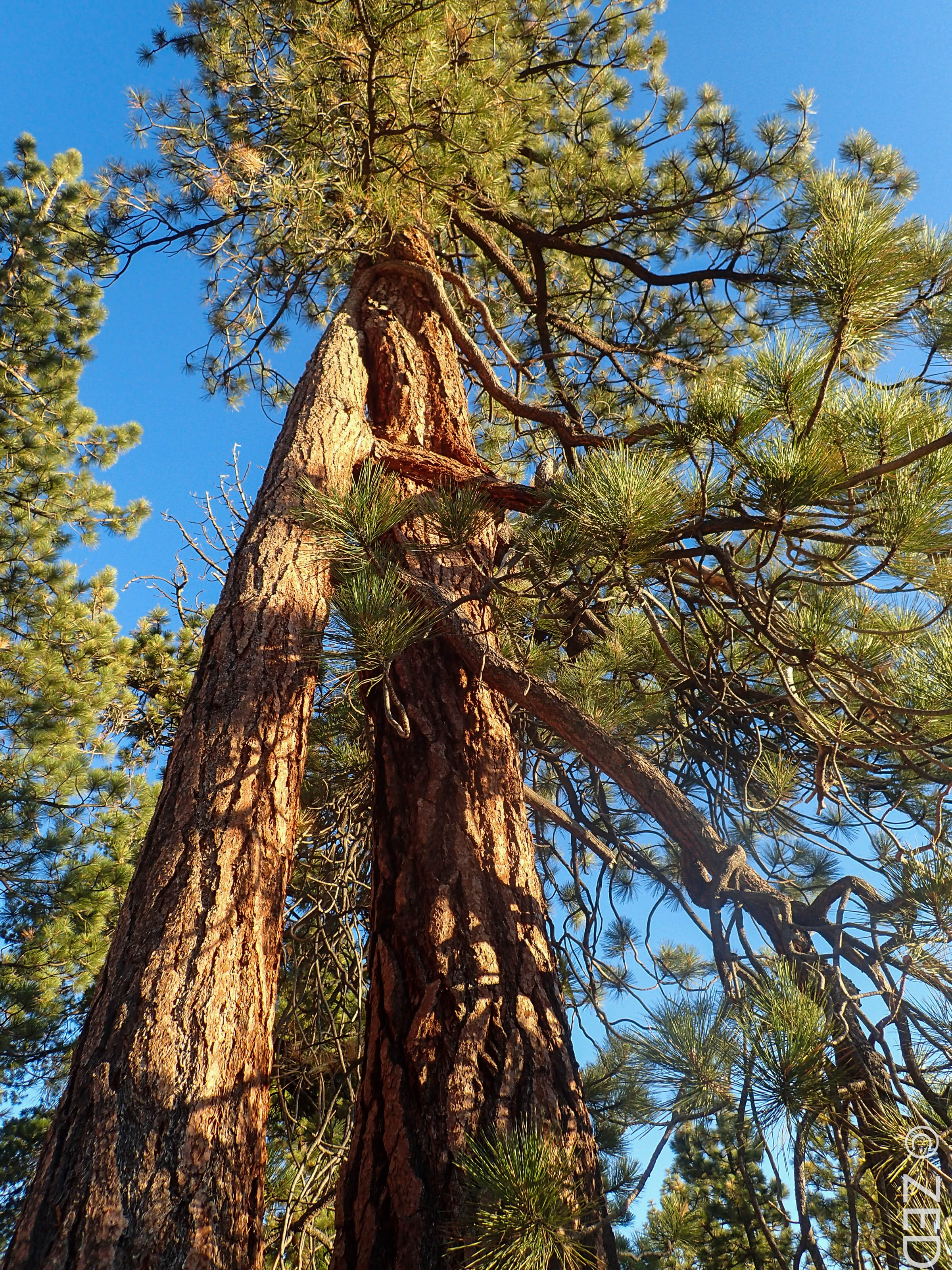
these two pine trees have grown together into a “hug” – it was really fascinating to see (and pretty darn adorable)
Jefferey Pines / Lake Tahoe NV
2015 Oct 11 – the voles are back! (and a tropical kingbird)

We are seeing quite a bit of vole sign once again in the Bay Area, which is a good for most animals around here, except of course for the voles, really – they are one of the top items on the menu for many many animals. It’s interesting that they’ve rebounded right now in the worst part of the drought here in California. We noticed a severe drop in their numbers about two or three years ago (which is a normal part of their cycle), but it’s a good sign that they’ve returned. Now we just need some water.
These small rodents that resemble mice move mostly above ground, and they tend to create “runs” as they utilize the same pathways over and over. These runs create little tunnels in the grass and sometimes recessed runways in the ground.
 a “vole’s-eye view” of a vole tunnel in the grass / Sonoma County CA
 overhead view of vole grass tunnel or “run” (on right), clear area on left has vole scats
 vole scats

re-purposed gopher hole – voles have excavated this old gopher hole to use as shelter
There seems to be a very marked decrease in the frequency of raptor sightings the last two years in this area, by my observation – and though it’s difficult to determine why this might be, certainly the vole population crash coupled with the severe drought must be a one-two punch that all predators on the landscape are experiencing.
Bring on the rains, el Nino!!!
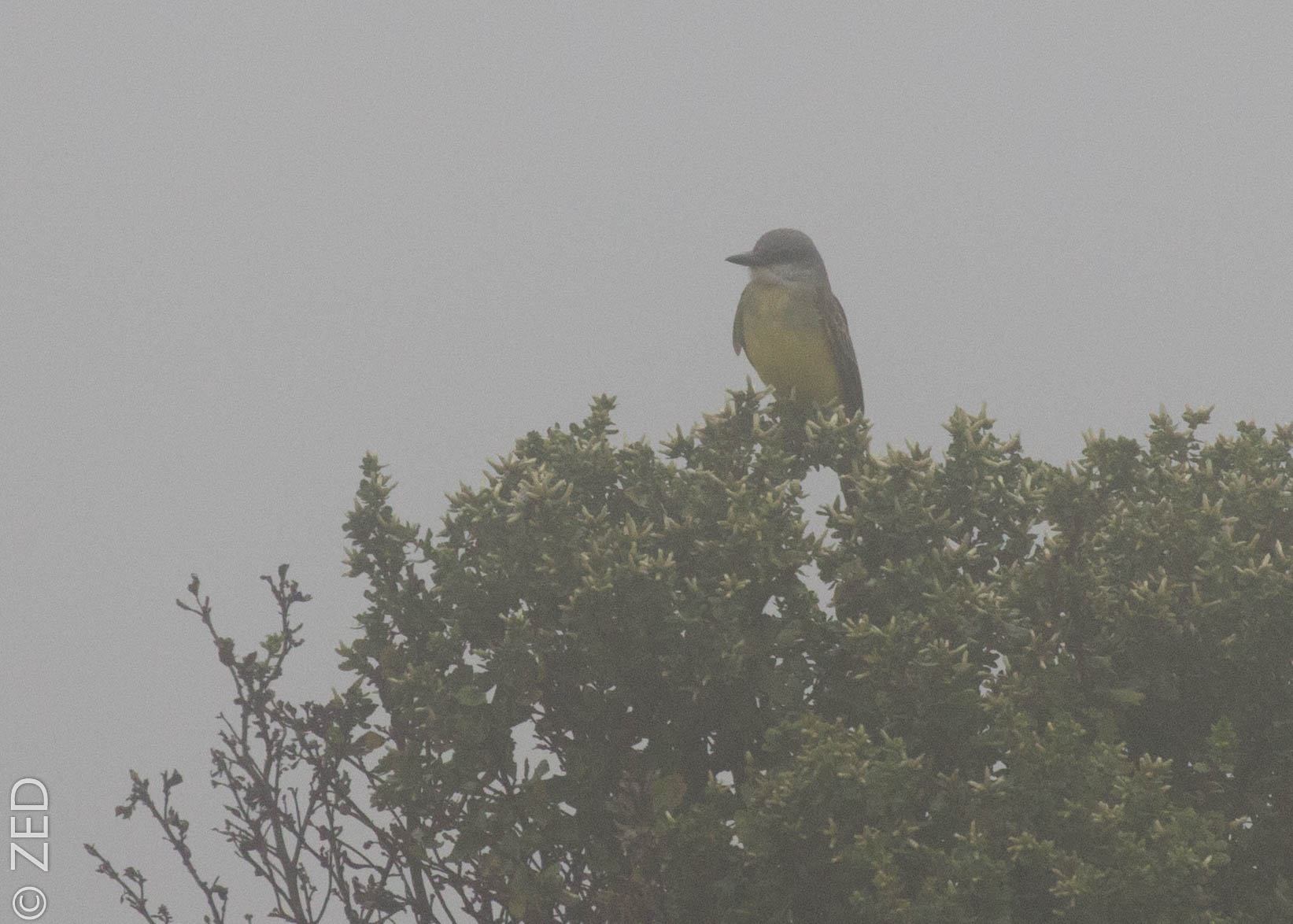
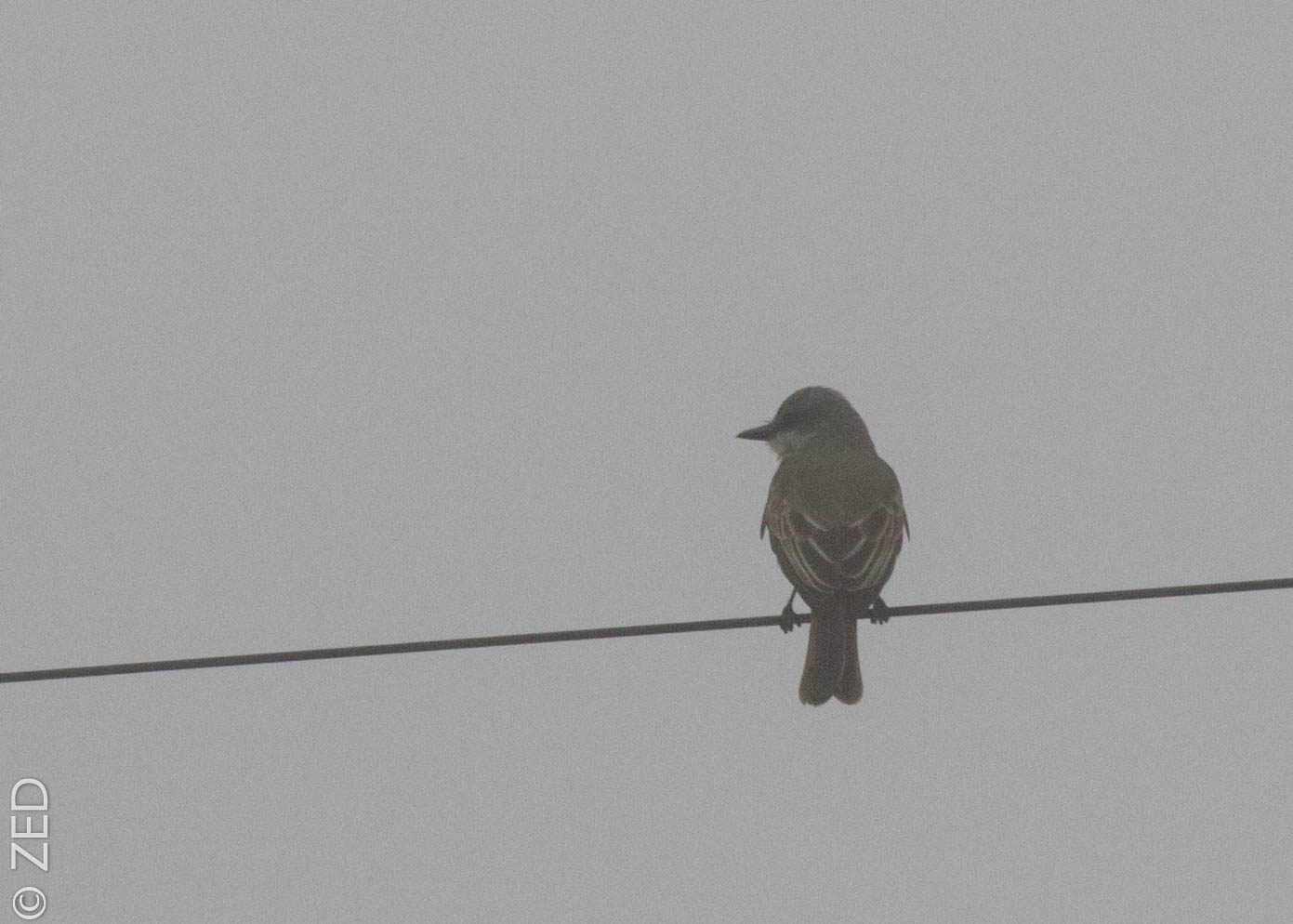
We also saw a Tropical Kingbird today, which is a very rare visitor to this area (a type of flycatcher). The pictures were taken through a lot of fog, but we had good views of the bird hunting and perched for five minutes at least. Our friend Moss made the ID, based on the notched tail (differentiating it from a Western Kingbird). Nice sighting!
2015 Oct 11 golden eagle, dark morph red-tail, and vultures
I was driving down a road in Sonoma County today and noticed a large kettle of turkey vultures flying above an agricultural area – probably numbering almost 40 birds! It was somewhat unusual, and certainly not something I’ve seen yet this year. I pulled over to take another look, knowing that often golden eagles will “hitch” a ride along with a group of vultures. As I was counting the vultures, boom!
Eagle!
 Golden Eagle in a kettle of Turkey Vultures / Sonoma County CA
I followed the kettle, which conveniently for me also was following the road in my direction! I made a number of stops as I followed it, and during my final stop the Eagle was kind enough to turn around and do a fly-over for me.
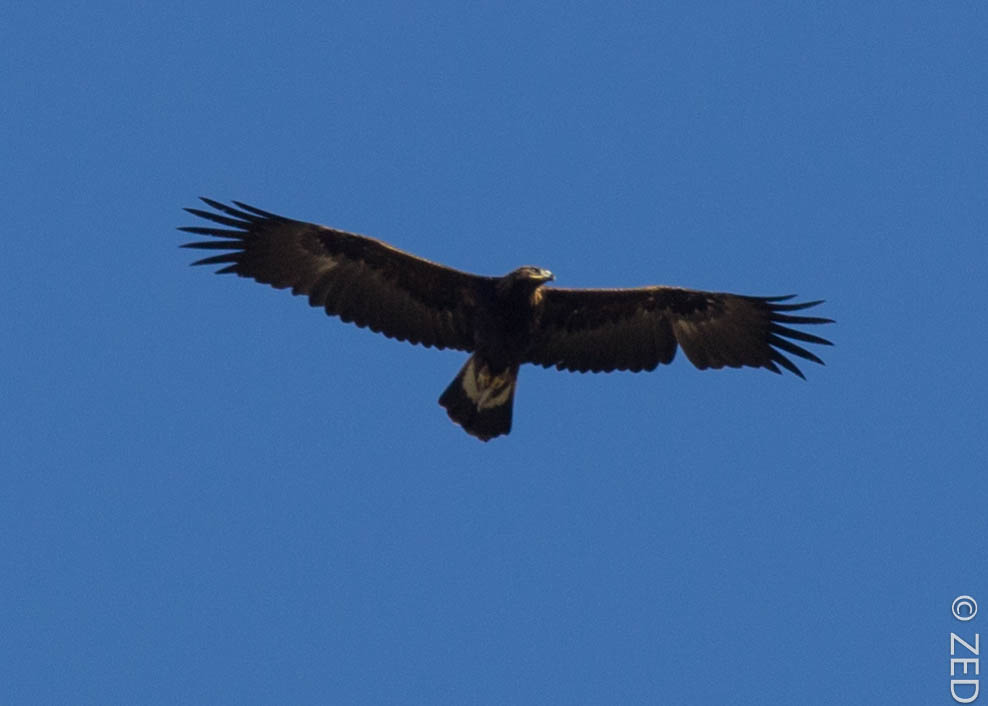 juvenile Golden Eagle / Sonoma County CA
Such a beautiful bird – as I observed it I noticed that it lacked any under-wing white patches, but its uniform feather coloring and uniform-length flight feathers indicated that it was probably a first-year hatch bird. It appears it has lost one of its left secondary feathers, which initially made me think perhaps it was older and undergoing a molt, but I still think this bird is a hatch year bird (meaning it hatched this spring).
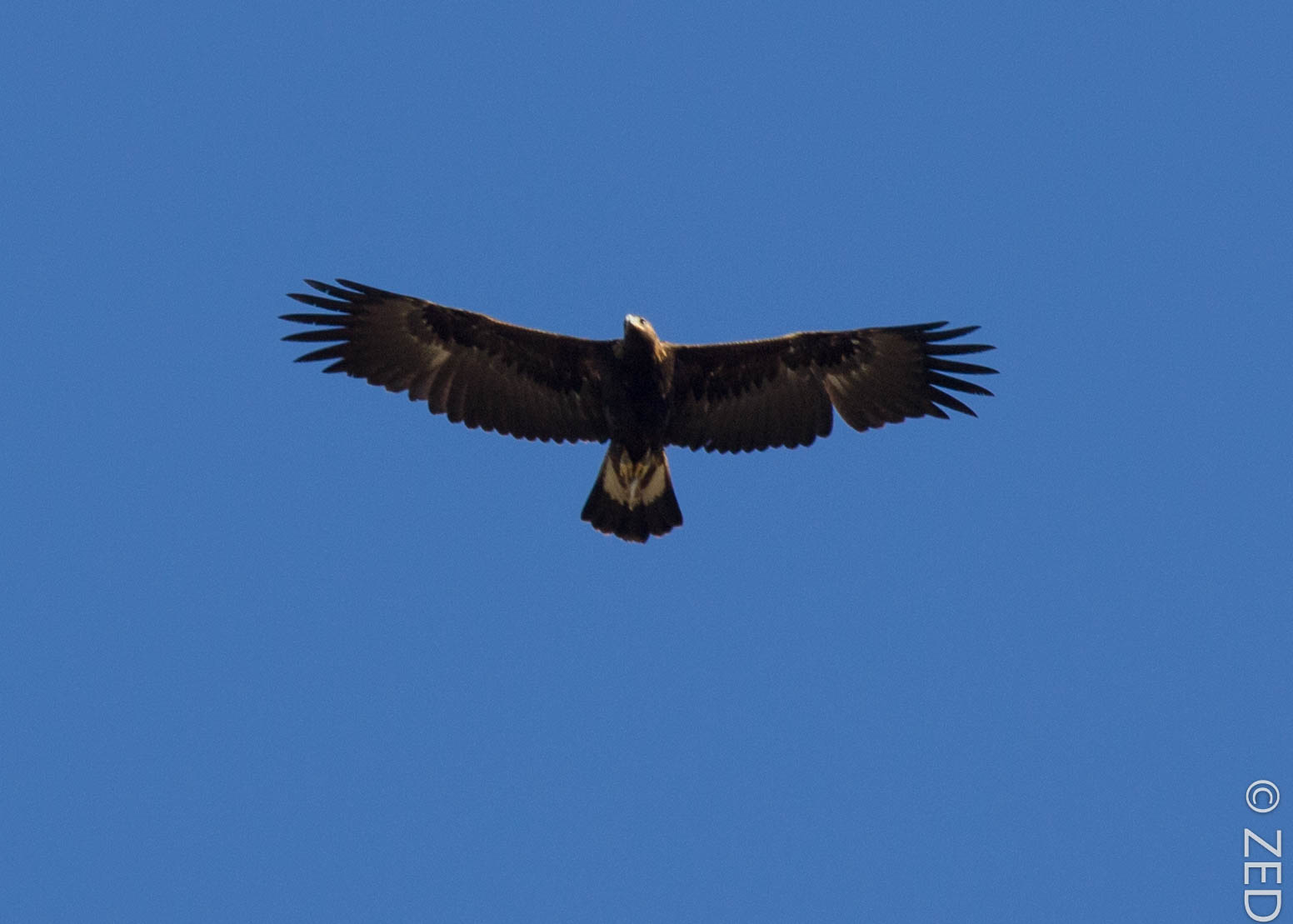
As it glided back past me and rejoined the group of vultures, a dark morph Red-Tailed Hawk took exception to its presence and launched after the Eagle from its perch among a grove of eucalyptus trees, screaming loudly as it flapped quickly towards the larger bird …
 vocalizing adult dark morph Red-Tailed Hawk / Sonoma County CA
 adult dark morph Red-Tailed Hawk / Sonoma County CA
The Red-Tail launched into the kettle and did a few dives at the Eagle, but they were half-hearted attempts – more bark than bite. The kettle of vultures, with the Eagle still flying in it, slowly floated away from the Red-Tail’s territory as it retreated back to a perch in the trees.
Here in the West, especially towards the coast it seems, we have more frequent occurrence of “dark morph” Red-Tails (they have a very diverse variety of feather patterns and tones), and often I’ve seen people mistake these birds for Eagles. To the untrained eye, this is totally understandable. But when you see the two together, there is little doubt about the ID. Golden Eagles are quite a bit larger, have distinctly different plumage when observed closely, different wing shapes, and different shapes/silhouettes when viewed from below. Turkey Vultures are only slightly smaller than Eagles, and both can hold their wings in a slight dihedral shape when soaring – to the naked eye they can appear very similar – but upon viewing them with binoculars, they also have very different silhouettes and feather colors, and an experienced observer can distinguish the two from each other even without binoculars.
 “bird on a mission” – adult dark morph Red-Tailed Hawk / Sonoma County CA
 nice comparison of a Turkey Vulture (left) and a juvenile (but full-size) Golden Eagle (right) /Sonoma County CA
It was really fun to see all the Vultures, the Eagle and the dark Red-Tail on this beautiful NorCal “summer” day.
 juvenile Golden Eagle / Sonoma County CA
2015 Oct 07 – hawk hill merlin, ravens and red-tails
beautiful day up on hawk hill, filled with friends, hazy blue skies, and a good number of migrating birds and butterflies.
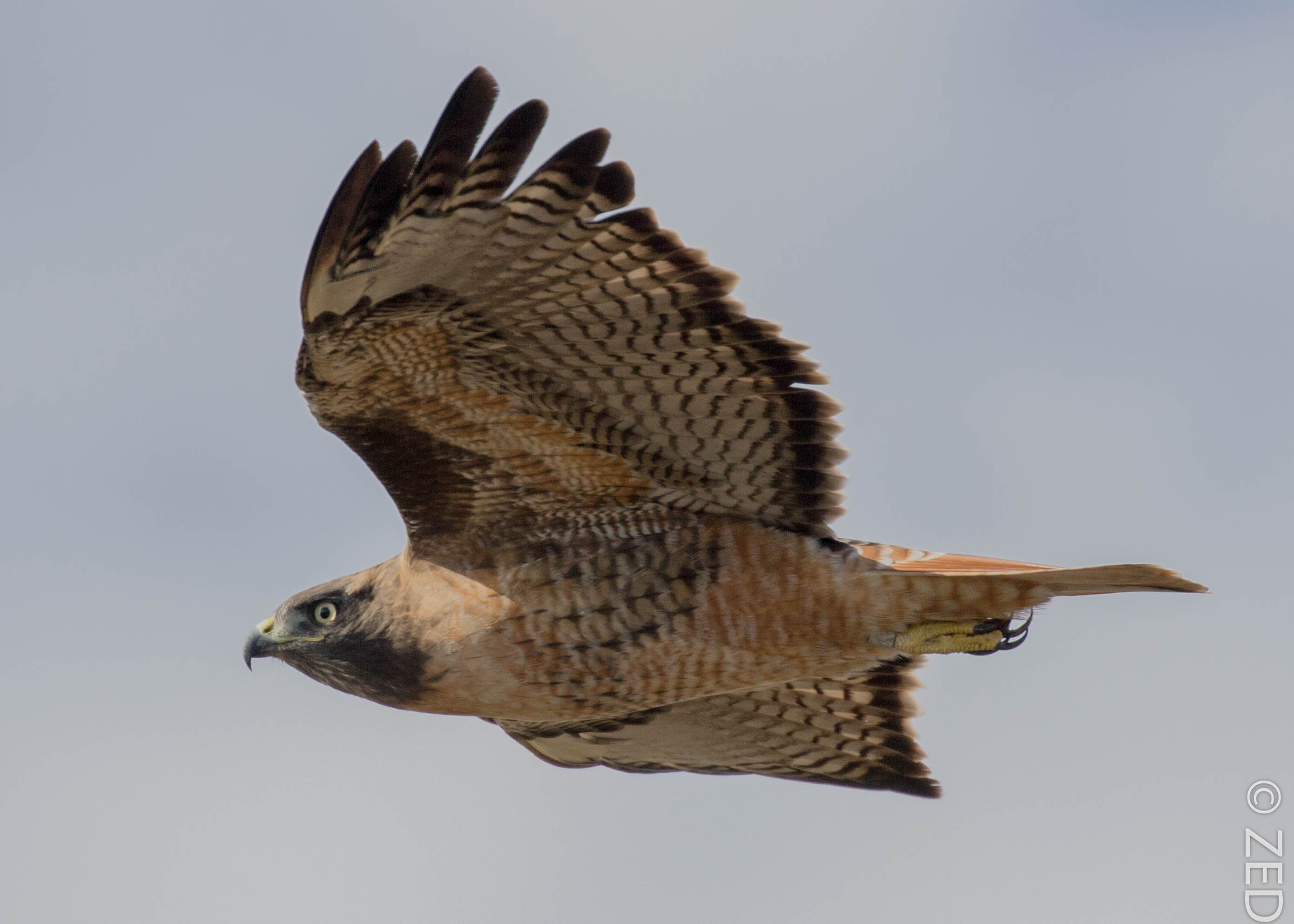 RED-TAILED HAWK / hawk hill, marin county ca
as i arrived there we had a great look at a merlin that flew not too far overhead (a merlin is a type of small falcon, larger than a kestrel but smaller than a peregrine falcon) – it appeared to be a juvenile. they are fairly uncommon here in the bay area, but they pass through during migration time from their breeding grounds to the north – and in the time of short days we get a boost in the population as some choose to spend the winter here.
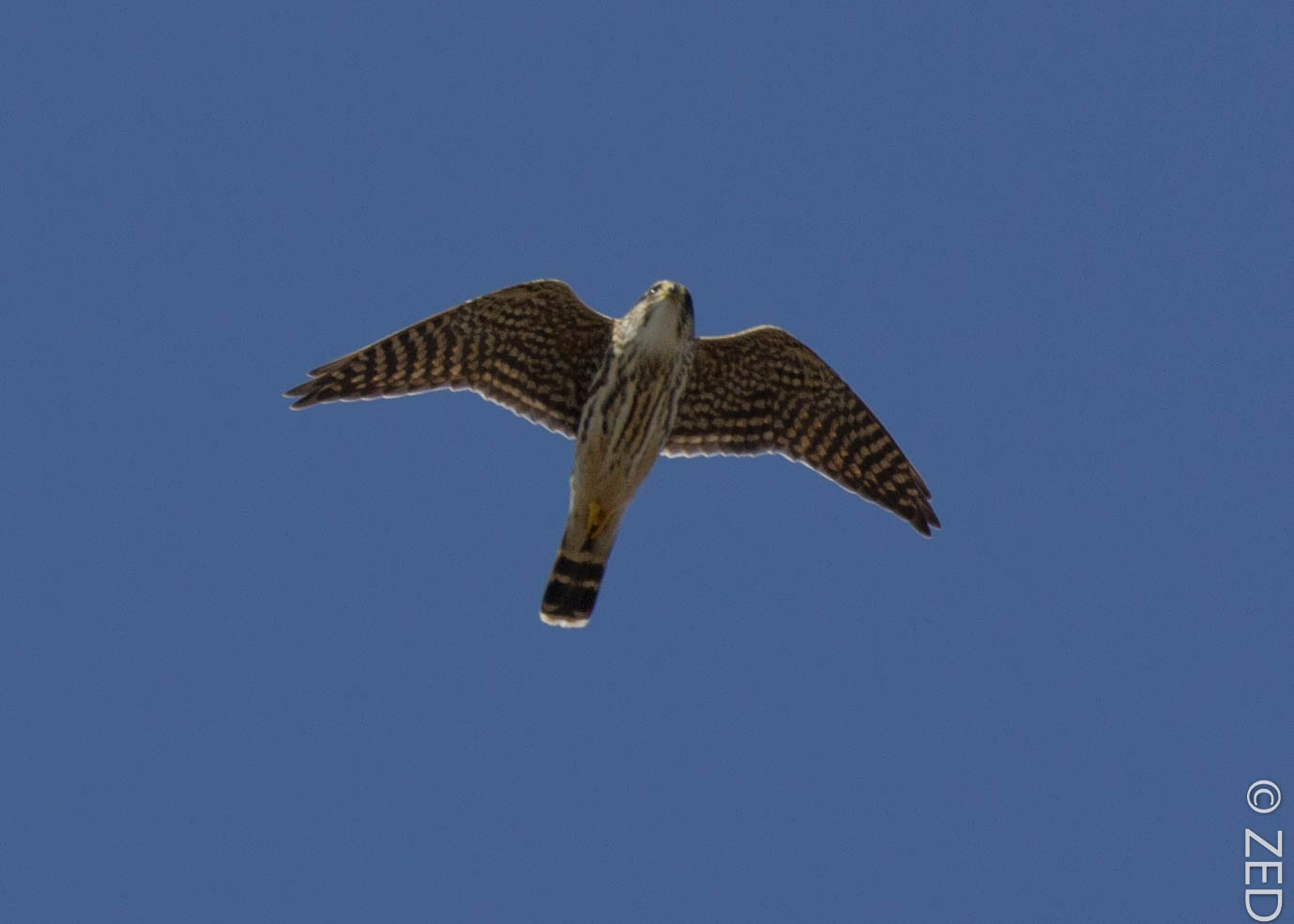 MERLIN / hawk hill, marin county ca
the humans congregated on top of the hill with their scopes and binos, calling out every moving bird within a couple of miles. it’s a rather bizarre experience, to see all these people perched on the high hill for hours at a time every day for three months of the year, but wonderful that so many committed volunteers take their time to do this. as everyone was focused afar, two resident ravens, a male and female pair, landed very close by to watch the watchers.
 RAVENS with golden gate in background / hawk hill, marin county ca
 RAVENS with golden gate in background / hawk hill, marin county ca
we chuckled as we realized that i was watching the birds, who were watching the other people, who were watching the other birds! these two hung around for quite a while, intrigued by the activity of the people (and likely looking for some dropped food as well). occasionally they would come very close to each other, making quiet croaking noises as one of them would groom the other’s face area. it was so endearing. and at such close quarters, in the bright sun, i could really see the intelligence in their eyes. amazing, beautiful animals.
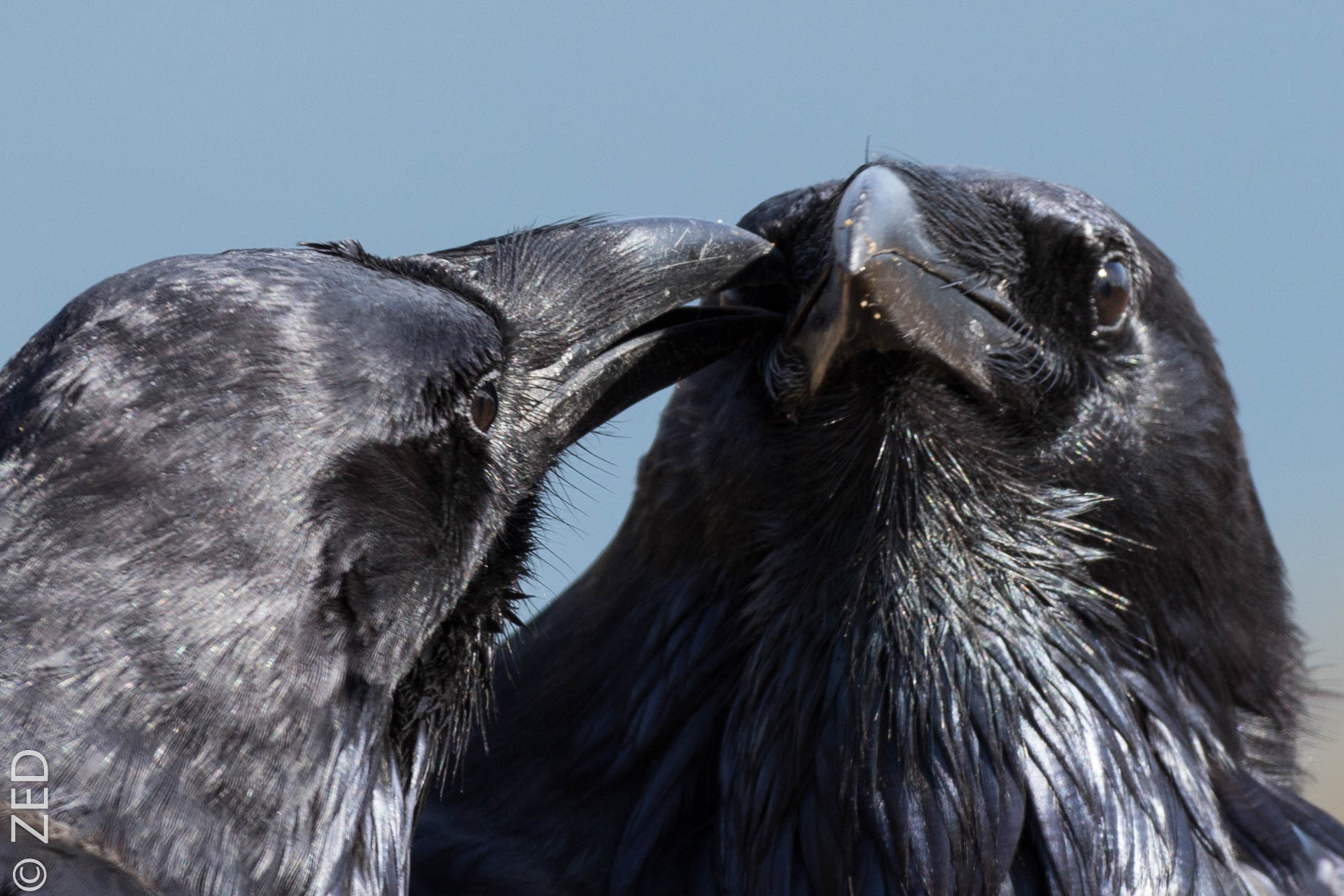 RAVENS grooming – or perhaps a literal “peck on the cheek?”
 RAVENS / hawk hill, marin county ca
 RAVEN / hawk hill, marin county ca
we saw a lot of accipiters today, as expected, but were also treated to a number of ferruginous hawks, several merlins, and some late-in-the-day peregrines. after most people had packed up for the day and i was leaving the hill, a red-tail floated overhead to hunt the area and allowed for some really fun pictures …
 RED-TAILED HAWK / hawk hill, marin county ca
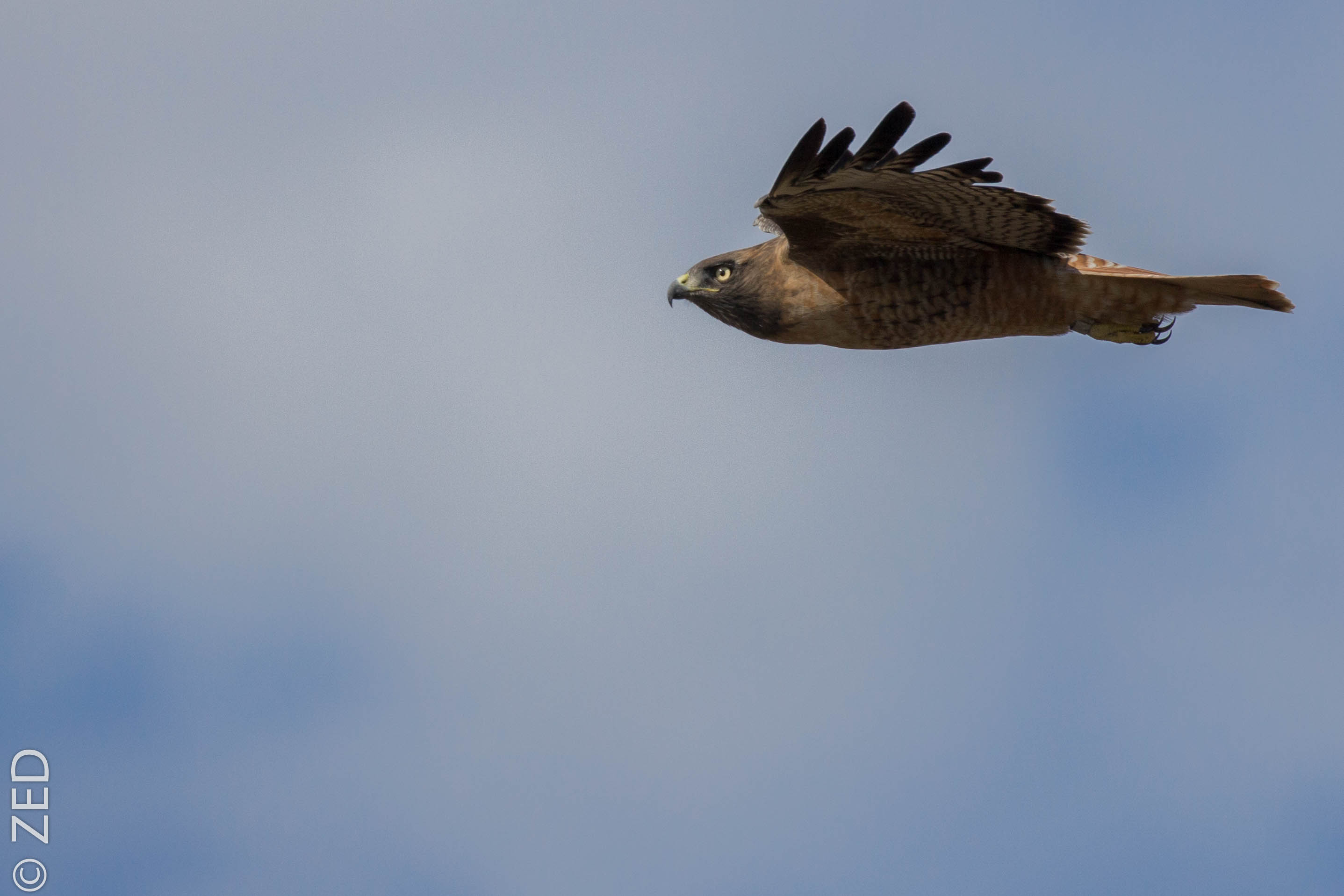 RED-TAILED HAWK / hawk hill, marin county ca
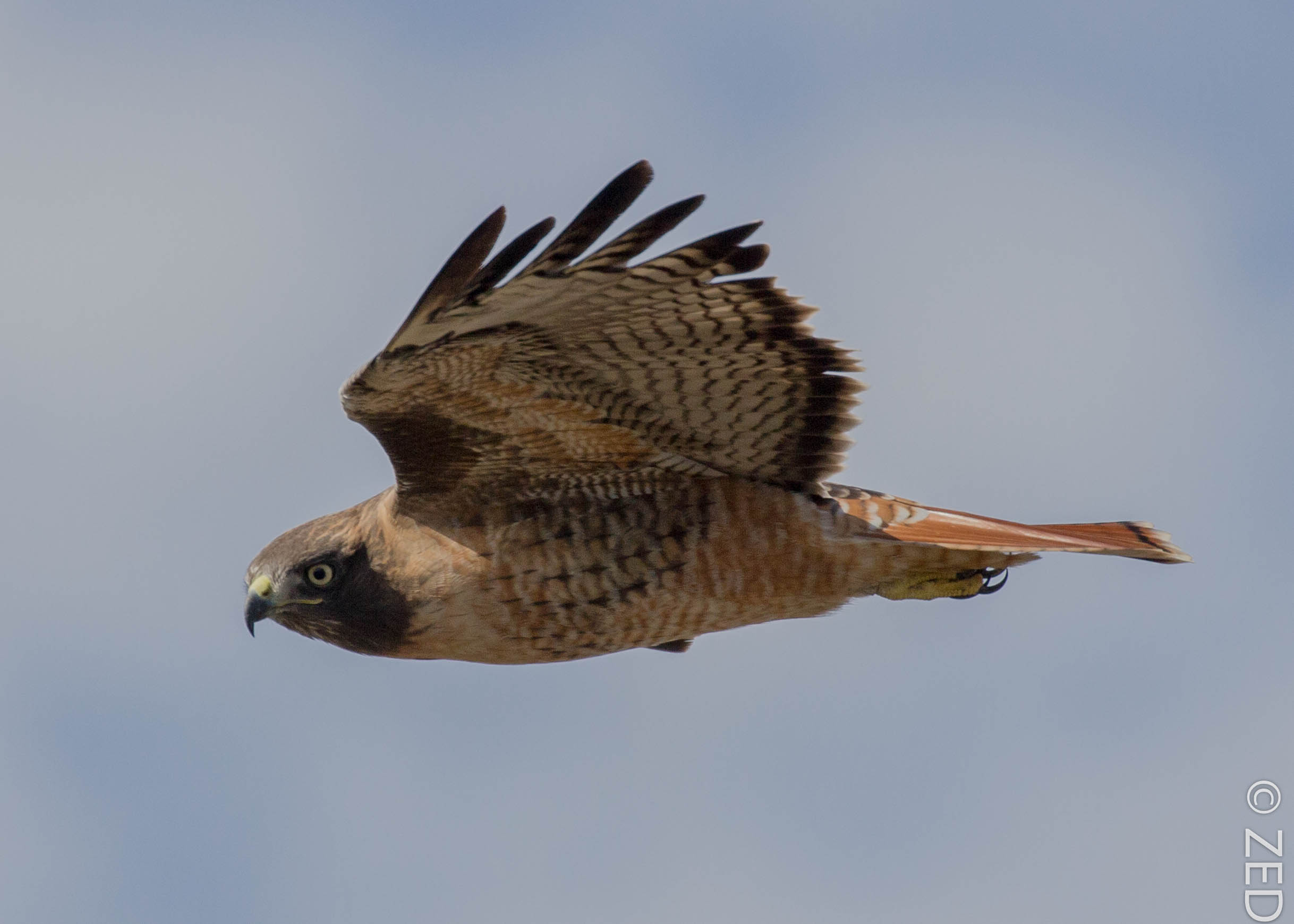 RED-TAILED HAWK / hawk hill, marin county ca
the colors on this bird are amazing, and for an adult it has a very light eye (iris). so beautiful. thank you, my good friend!
as always happens when one packs up to leave, birds start showing themselves and tempting you to stay. as i started down the trail, one last juvenile northern harrier tried to keep me on the hill.
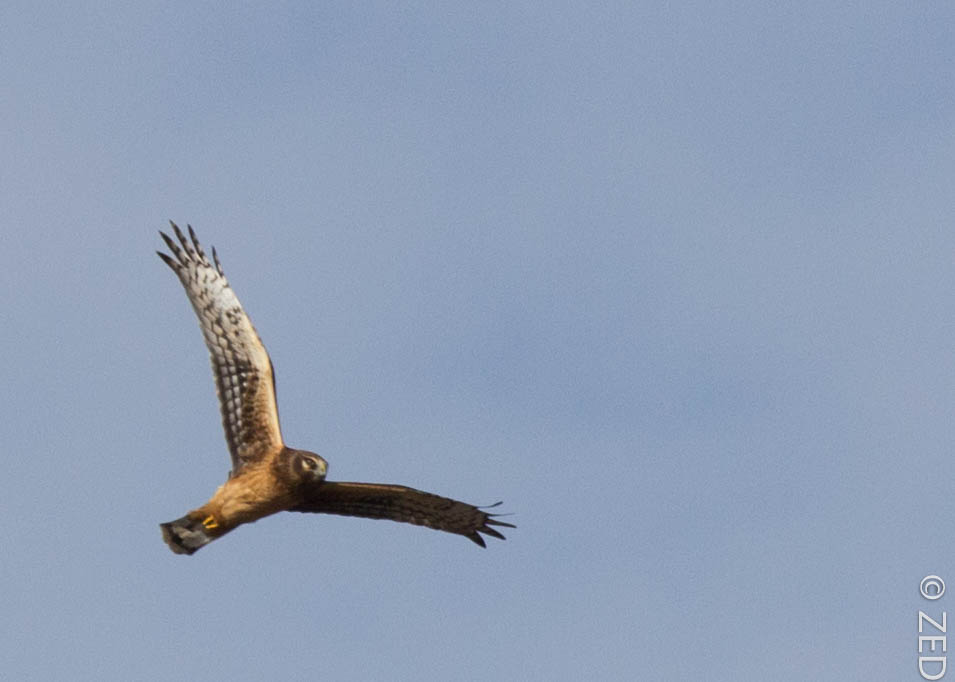 juvenile NORTHERN HARRIER (aka MARSH HAWK) / hawk hill, marin county ca
20150927 eclipse of the full harvest moon
Alright, I’m launching into it …
… I am tired of hearing about the “super moon.”
The fact is, the the moon is sometimes a bit closer and sometimes a bit further from us on Earth when it’s full, but to the human eye, it’s generally imperceptible! It’s sad to me that when the media describes the majesty of the natural world, that is around us EVERY DAY AND NIGHT, they feel the need to add superlatives just so people take a second from their day to pay attention to it. That speaks volumes about our culture as a whole, actually, not just the media. I am happy, however, to see people out and trying to see it this evening. That is a positive aspect to the media’s strange “super moon” PR blitz the last few years.
Though I must say sometimes I feel like the person who knew the band before they were famous, but now everyone is going to the show because they were “discovered” and it’s the cool thing to do – and it’s so crowded I can only sit in the back of the venue and there’s a bunch of drunk people singing along, spilling beer on everything, and generally ruining the experience. I can totally understand why artists get depressed when their art is embraced by larger masses who don’t appreciate it for what it is, but rather because it makes them part of a social scene etc.
[that comment was also partially prompted by a shot that I framed tonight after hiking to a somewhat remote area to photograph the rising eclipsed full moon, where I spend a lot of time and it’s typically just me out there with the owls and the coyotes – but tonight, just as the moon appeared, some people on the top of a distant peak that was serving as the foreground for the photo turned on extremely bright headlamps as I was about to take the shots- ha! ah jeez].
So “big media,” you can stick your “super moon” where the sun don’t shine (wait, what? yeah!), and I’ll go ahead and enjoy the Moon however She comes. Guess what? The moon is full every 28 days or so – and it is always a spectacular sight. And in between? Also spectacular. Crescent new moon – half moon – whatever. They are all super in my eyes.
Whew. Ok, sorry, I’m done.
These shots below were taken while the moon was still fully eclipsed, not long after it finally rose above the clouds that obscured its initial rise …
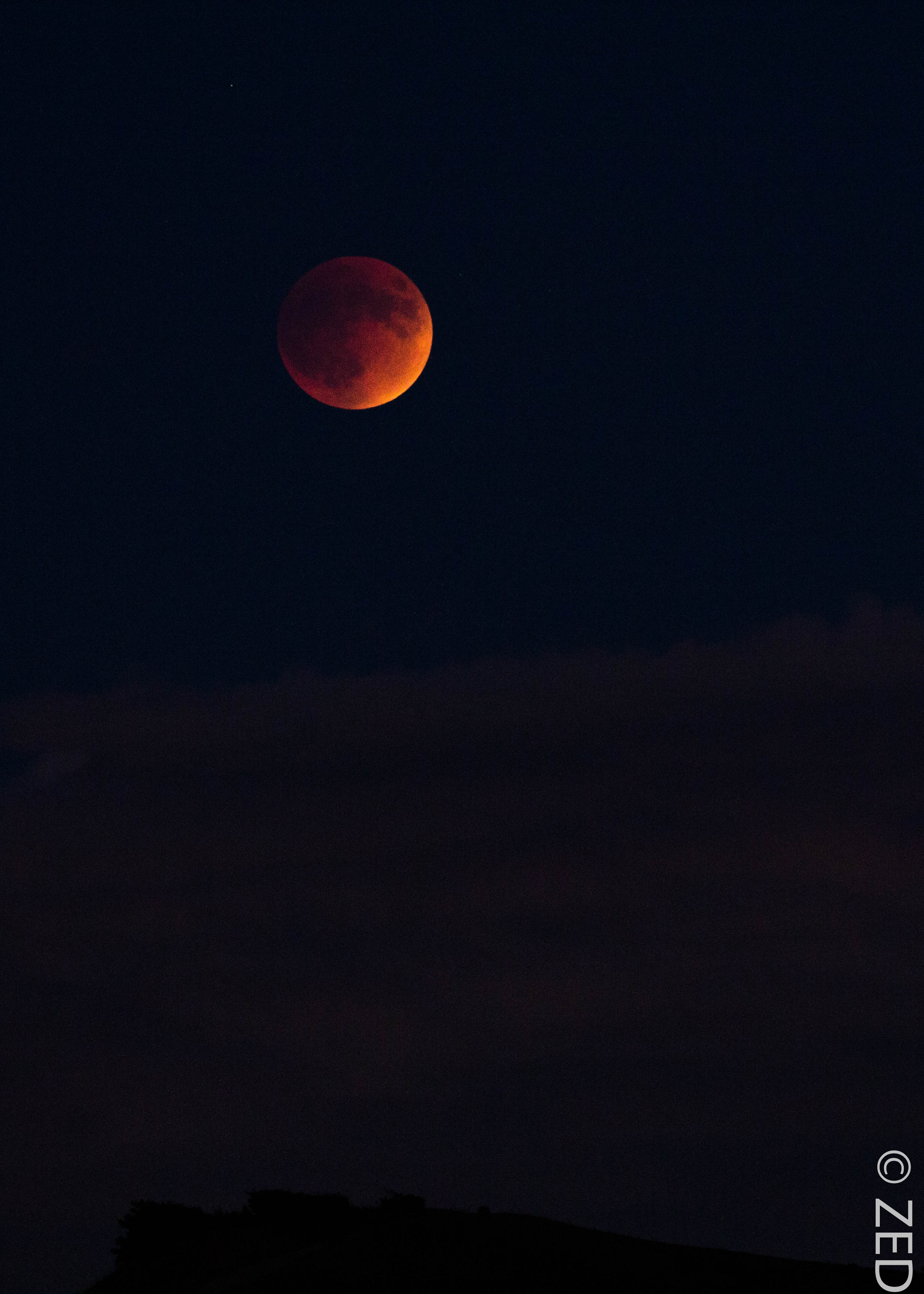

An eclipsed moon is always an eerie yet beautiful sight, and it always feels like my eyes are “thirsty” for light when I view it. It’s a strange sensation. There comes a sense of relief when that first light reappears on the edge of the moon as it moves out of totality.


20150913 salmon creek wander

Beautiful day out by Salmon Creek in Sonoma County – a bit of sun before the marine layer rolled in thick like a fluffy down comforter over the beaches and dunes. Lots of red and gray fox track and sign, even more striped skunk track and sign. Almost no new rabbit sign. I’m beginning to think that perhaps the area is like an animal beach-condo timeshare – evidently the skunks have it this time of year and the rabbits are vacationing elsewhere.
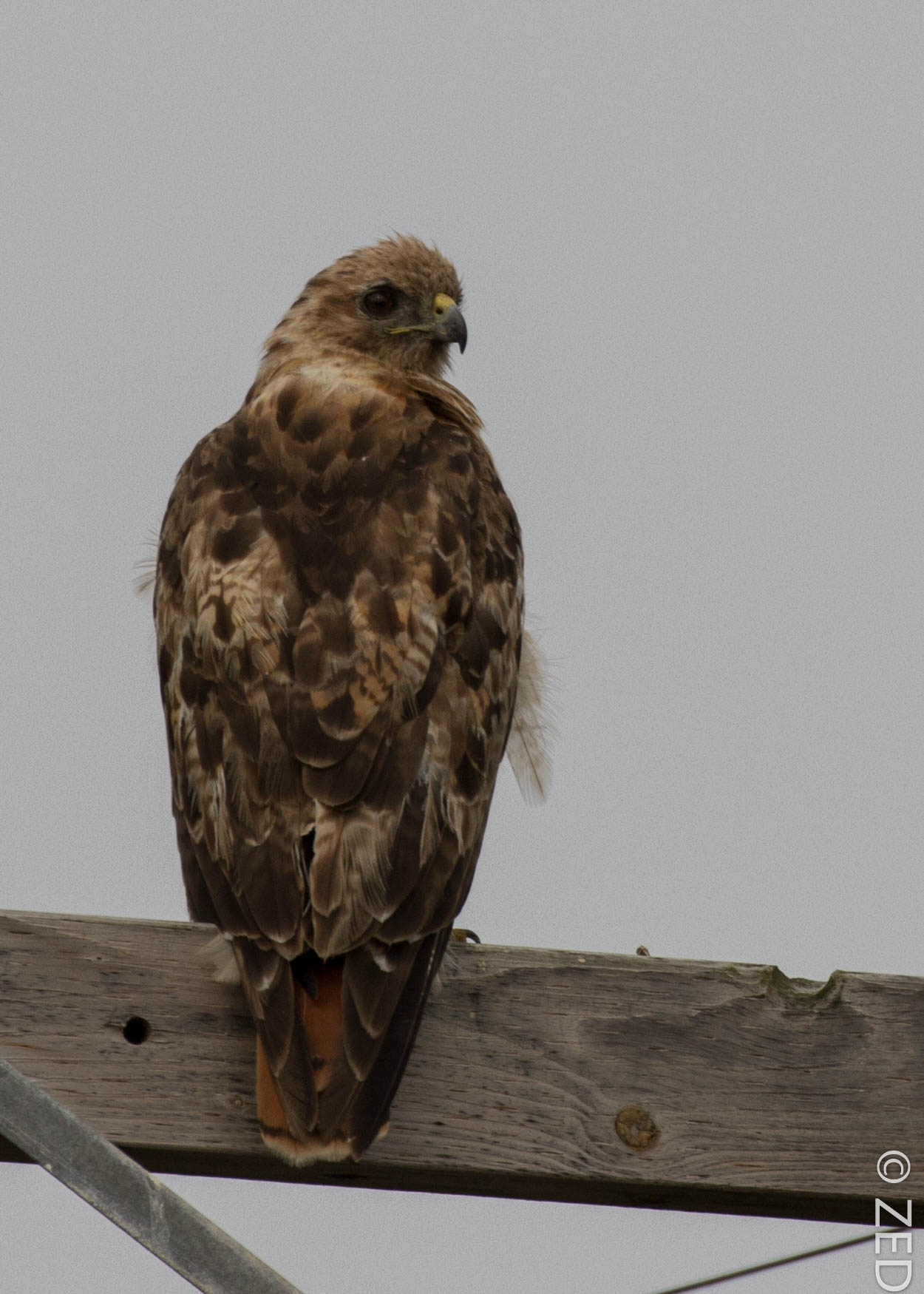
This red-tailed hawk has some really interesting plumage, it reminds me of a bird I saw once in the high desert in Washington. You can see there is tan mixed in with the brown and white on the back, and its head and especially neck feathers are really light. Beautiful bird, very striking.
This osprey and I were able to see eye-to-eye today on composing this photo. Much appreciated! Their eyes are HUGE compared to the rest of their head.

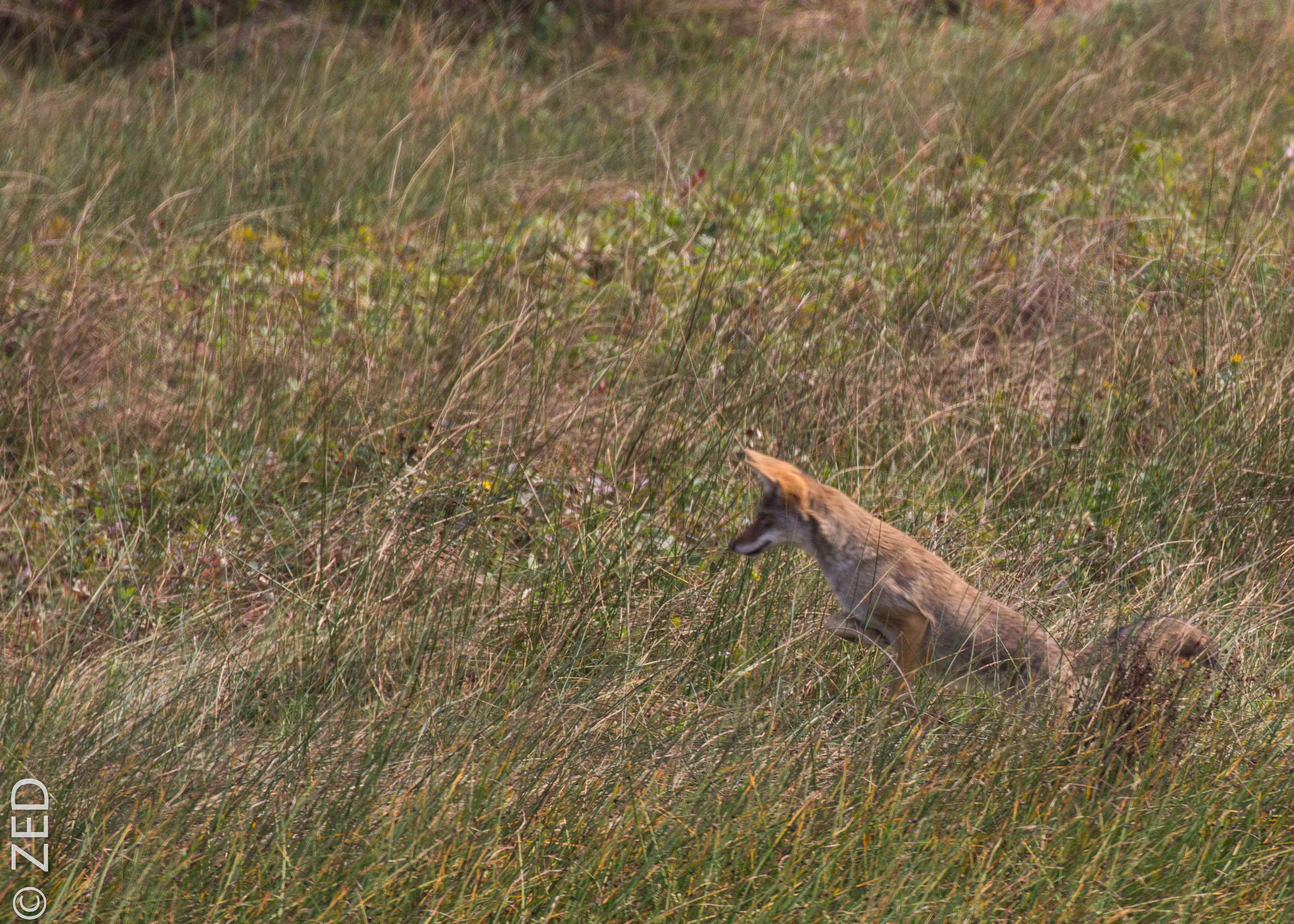
We watched a coyote hunting from across the creek for quite some time, it seemed to be stalking through the high grass, occasionally stopping to dig or pounce. Sometimes it would get really excited and stand with its ears facing the ground, while its tail whirled around like a helicopter blade behind it! It made a short trip to the waters edge, but all the water fowl were already tuned-in to its presence. A doe and two fawns watched it with interest from within 50 feet – the coyote didn’t even give them a look. Rodents and insects seemed to be on the menu today. So fun to watch this guy hunt!
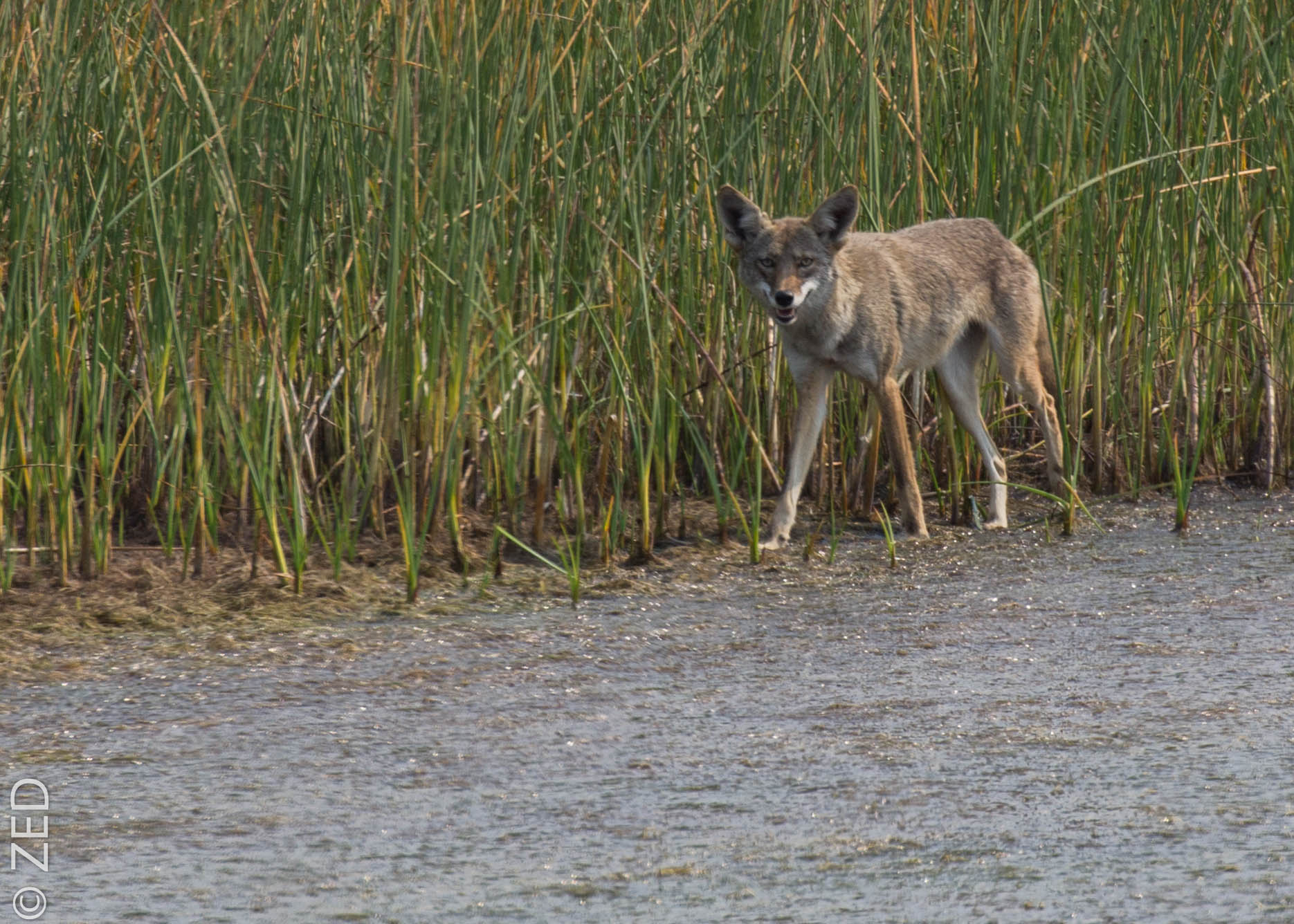

The pounce!

We had quite a few nice red fox trails to study today, this is a good example of a classic red fox track (front foot on the bottom). The diagnostic “bar” in the metacarpal pad of the front foot is very evident in this track – it’s not always clear, but if it is it can be one helpful sign (of many) to differentiate red fox tracks from coyote tracks.

I didn’t get a picture, but we observed what we believed to be two or three pomarine jaegers (a type of flying sea bird) offshore attacking some elegant terns out at an area where many birds were feeding. It was my first sighting of this species, and evidently it’s uncommon to see them from shore (usually they are seen from boats further out to sea). There were quite a few dead murres along the beach, these are also ocean-going birds, but curiously they come onshore almost exclusively to die. Often people see these birds on the beach and try to save them, not realizing that they are already doomed. Many a kind-hearted person has been confused and heart-broken trying to help these birds. I photographed one last year down towards Moss Landing near Monterey. They look a bit like penguins when they are sitting or moving out of the water.
Down on the beach there was a large flock of marbled godwits feeding in the surf line, using their long beaks to probe in the sand for crustaceans – occasionally they would flush and fly down the beach all together.
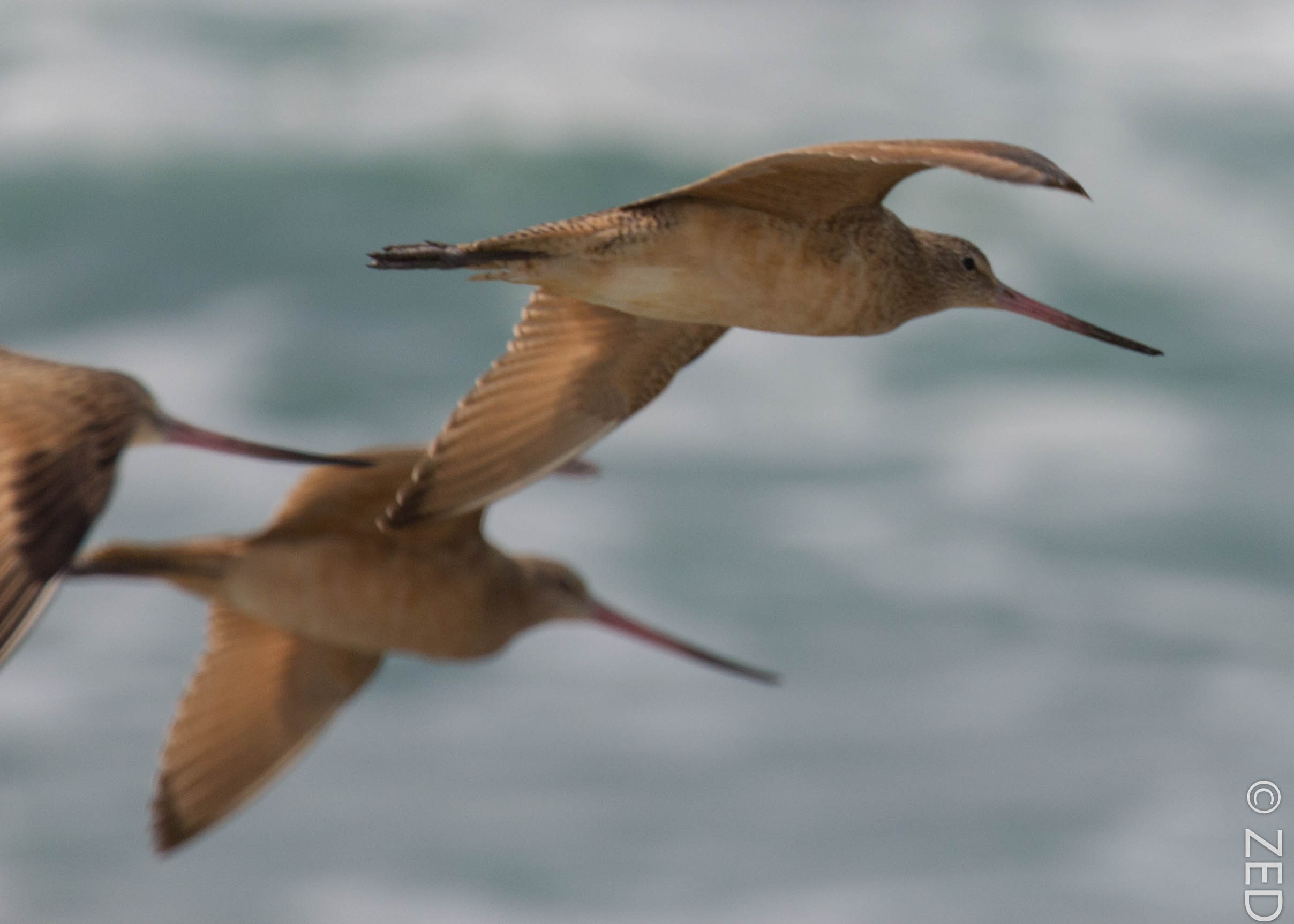
Great day out on the coast, very thankful to live close by to such natural beauty.
20150907 owl pics


great-horned owl / Contra Costa County CA (East Bay Regional Parks)

Tonight I gifted with another evening watching the sunset with Lady Owl (of the “bottom of the hill” pair) – another exquisite early autumn night.
20150906 observations of the season
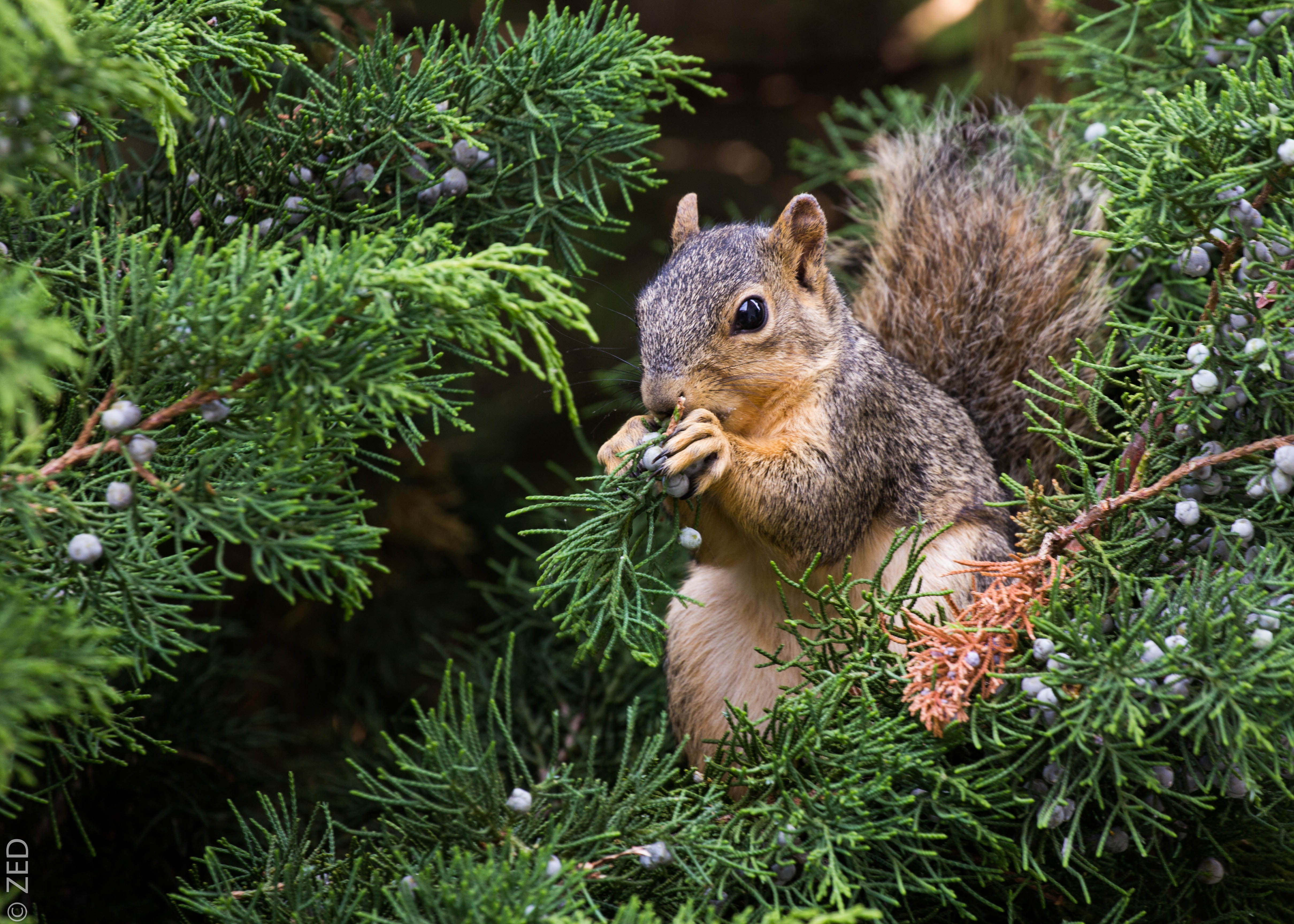
One of my favorite times of year – things are shifting! The patterns are changing all over, some more subtle than others. I’m hearing and seeing new birds as they pass through on their way south, and the resident birds and animals are starting to shift their patterns as well. Fox squirrels seem to be everywhere I turn, busy running and gathering. The mornings are sunny and there’s a slight crispness in the air starting to build, almost a bit electric. The light has a softness to it, despite the heat that today was above 90 deg F in the immediate Bay Area. Not easy weather, to, um, weather, for a landscape already parched with drought. Even the winds have gone elsewhere, allowing a degree of peace to settle over the stressed landscape. Sitting still I can hear bugs crawling through the leaves, and the occasional falling leaf even makes a sound as it falls through the dry undergrowth to join its crunchy fallen partners on the ground, who are now having the chance to use their voice – while not drowned out by Wind – to announce Coyote or Deer moving nearby. So fun!
 fox squirrel chowing on juniper berries
Things are incredibly dry here – you can read about it all over in the news, worst drought in over a century and possibly since settlers have been keeping records here. But, to really understand it all one needs to do is to go out to FEEL it and see it yourself. Springs and creeks are dry. The evergreen trees, such as the live oaks, are even losing some of their leaves (which I understand is a drought response tactic to minimize moisture loss). Many of the under story leaves and any leaves not at the top of the tree or on the exteriors have fallen away, to varying degrees, depending on the location of the trees. I’m able to see wood rat nests high up in canopies that were very difficult to see before. Even the California buckeyes, who are some of the first obvious beacons of autumn since they lose their leaves before most other deciduous trees, have been bare for weeks in some locations. Redwoods and cedars are looking wilted and brown. Even the non-native eucalytpus trees look scraggly. A fine dust encapsulates many of the leaves, and the hillsides are painted brown with wilted grasses.
I’m happy to report that I’m doing my best to help conserve water – infrequent showers, I don’t clean my bathroom, and I occasionally drink distilled beverages instead of water (the distillation process releases water back into the atmosphere – that’s science). Little gestures, they add up.
One benefit of the trees being thinned out (if one wants to be a “glass half-full type of person” – though a water analogy is probably not appropriate here), is that there aren’t many places for a large bird to hide. Until about two weeks ago, I was seeing with some regularity a family of Cooper’s hawks hanging in one particular area. I thought it was interesting that they were all still together this late in the season – the migration has begun for many birds already. The first day that I saw them, about three weeks ago, two juveniles suddenly appeared indiscreetly in the branches 20 feet above my head, crashing around either chasing each other or chasing potential prey (a bird). They finally settled into the interior live oaks next to me, and soon were joined by an adult. A few days later, I saw the same trio in a nearby tree near sunset. I don’t know much about these hawks’ chick-rearing patterns, but I couldn’t help but wonder if these hawks stay around parents longer than some other raptor species to learn from them. It could be a late nest, but it seems extremely late if so. Cooper’s hawks (and sharp-shinned hawks, their mini look-alikes) often tandem hunt in pairs, one flushing birds as the other wake hunts and catches them. Could it be that this is a learned behavior?
Of course I must mention the owls.
 great-horned owl

This gal has been very visible the last few nights in her “typical” spot, though it’s been a number of months since I’ve seen her with regularity. The male and the female do not seem to be together much this time of year, and I am convinced the male is roosting in a grove of trees about 1/2 mile away from the spot the females frequents, an area that seems to be their core area during mating season. She let me watch her as she was waking up two nights ago, doing some preening and stretching, then she hit “snooze” for a bit after she placed a hex on someone or something evidently right behind me …


This photo was interesting, I wish I could have gotten both birds in focus – do you see it?
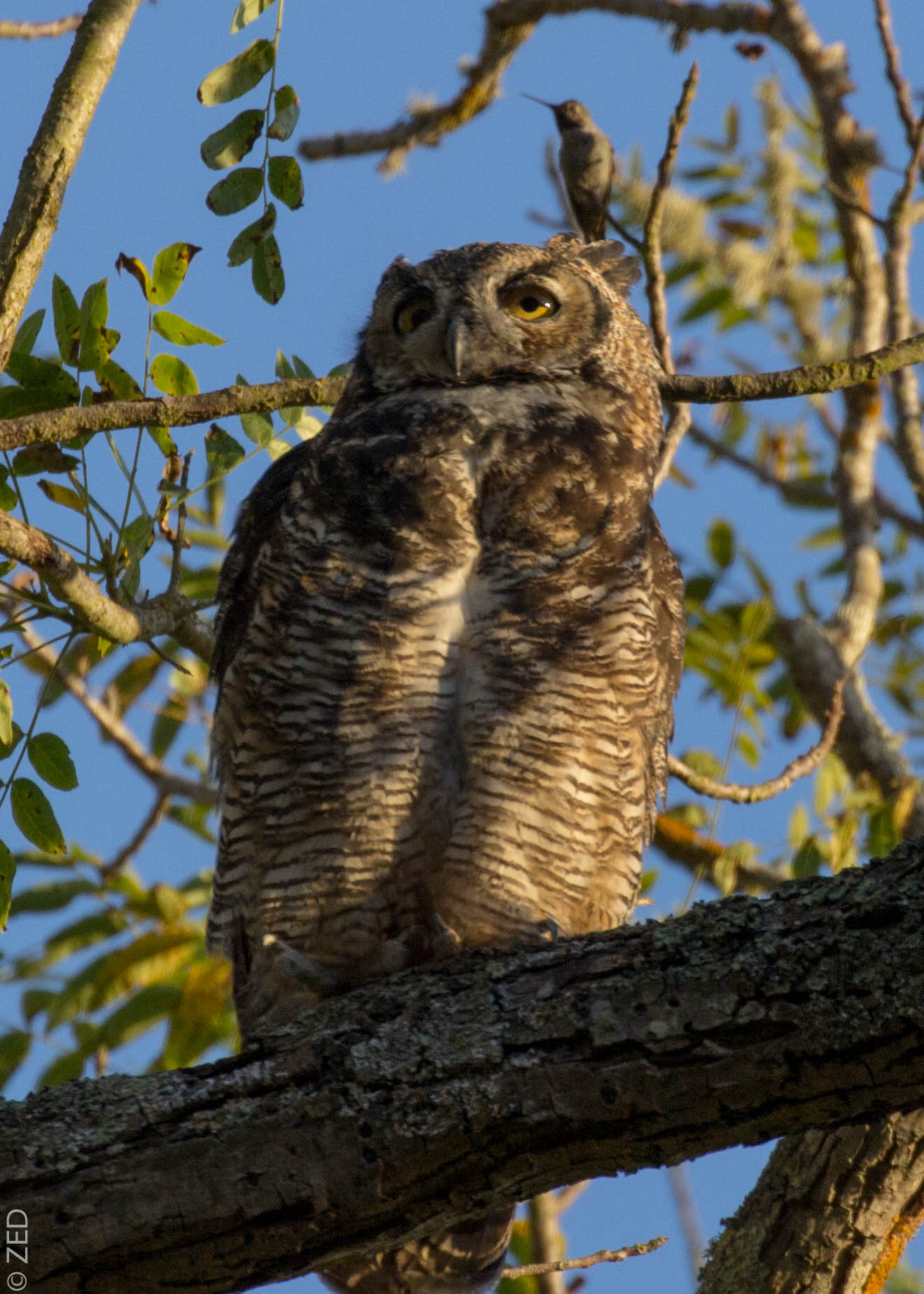
Hummingbird came in to scold the owl! It hung around for a minute or so, just behind the owl.

The next night, I wandered without my camera but was excited to get to spend some time with the female owl again. After she flew off to look for breakfast, I followed her out a path under the fading light of the sun that had already disappeared behind the mountains to the west. As I was about to crest a hill and descend into a small valley, another raptor caught my eye – juvenile cooper’s hawk! Likely one of the juveniles from the trio described earlier, though I didn’t see any of the others. This young one did some flights through some small oaks attempting to scare up some birds from their night perch, then having failed to get any takers, it landed on an old wood fence post and began to vocalize repeatedly – in what felt to me like frustration and irritation. It’s not easy being a young raptor (many species up to 70% don’t survive their first year). The young one made another attempt, alighted on a high tree nearby, then took off after three flying birds (who were not keen on the company).
As it finally flew off, I heard some coyotes howling just beneath me! I silently walked in that direction – then … crunching! Coming my way! I froze, and sure enough one, then another, then another appeared in the fading light. They didn’t seem to see me (or maybe they just didn’t care), once they all were in line together they trotted with purpose to the south to start their nightly excursions.
Last sounds I heard were the crickets calling as I walked through the “portal,” and the sound of cars from the highway took over the soothing sounds of nature. I’m so grateful for the parks that we have here in the Bay Area, like many of the creatures around, I wouldn’t survive here without them.
2015 august 30 – california CONDOR chick!

Quite a site, quite a sight! A day to remember.

California Condor chick / Ventana Wilderness of Los Padres National Forest near Big Sur, CA
Rites of passage, flights to come. Big day. Big sky. Many thanks.
This is a California Condor chick, almost ready to fledge, at a cliff near Big Sur in the Ventana Wilderness, part of Los Padres National Forest. An incredibly endangered bird, there are less than 500 in the world (of which only about 240 are free-flying and wild, with only about 70 in this area of California) – brought back from a population of just 22 remaining in 1987! Thanks to the incredible dedication and cooperation of many groups, these birds have a second chance.
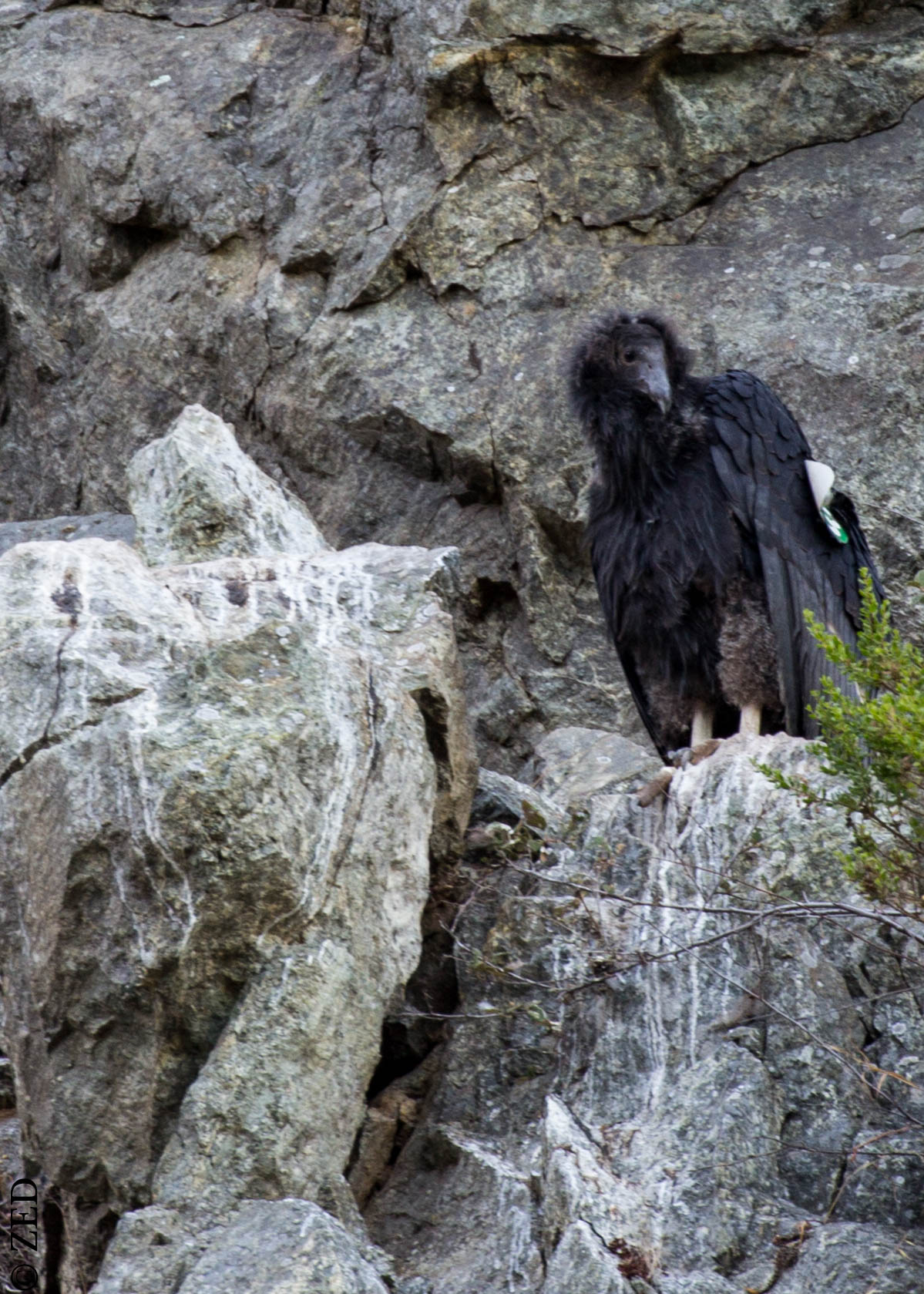
California Condor chick / Ventana Wilderness of Los Padres National Forest near Big Sur, CA
The California Condor adult has a wingspan of almost 10 feet! They have the longest wingspan of any bird in North America, and there are only a few types of birds that weigh more (two types of swans). These birds live 60 years in the wild, and they are very social birds – the young take many months to leave the nest, and once they do they stay around to learn “condor life” from their parents and community for quite a while.
One flying above leaves me breathless, making it easier to hear the sound of the wind flowing through its feathers as it soars close over my head. It doesn’t seem possible that a bird this size can fly, until it leaps off a perch into the sky above the sea cliffs and extends those giant wings. THOSE WINGS! Seeing one flying above the redwood trees and this steep, rugged wilderness, I am instantly transported to another time, a time when things were much bigger and time moved a little bit slower. We could all use a little of that medicine.

California Condor chick / Ventana Wilderness of Los Padres National Forest near Big Sur
These birds are still desperately in need of assistance to survive in the wild, the biggest risks being suitable habitat and having food that isn’t contaminated with lead bullets. Lead poisoning is one of the biggest risks to these birds’ survival, since they feed only on prey that is dead. Hunters and ranchers using non-lead bullets is a huge help, not just to these birds who are scavengers, but to all the scavengers including bears, foxes, coyotes, golden eagles, turkey vultures, bald eagles, jays, mice, and more. Keeping lead and all types of poisons out of the food chain is key to a healthy ecosystem. There are many incredible non-poison predator deterrent systems being developed that are incredibly effective and have minimal impact on the food chain. Check out Project Coyote for more great information about non-lethal predator control – and there are many other resources as well (contact me for more).
To help with the effort to restore condors to the skies, with a donation or just to see some really cool webcams and pictures, check out the Ventana Wildlife Society’s webpage and blog!
Thank you Condors and the rugged Ventana Wilderness for reminding me of what is true.
20150718 hawk and vulture
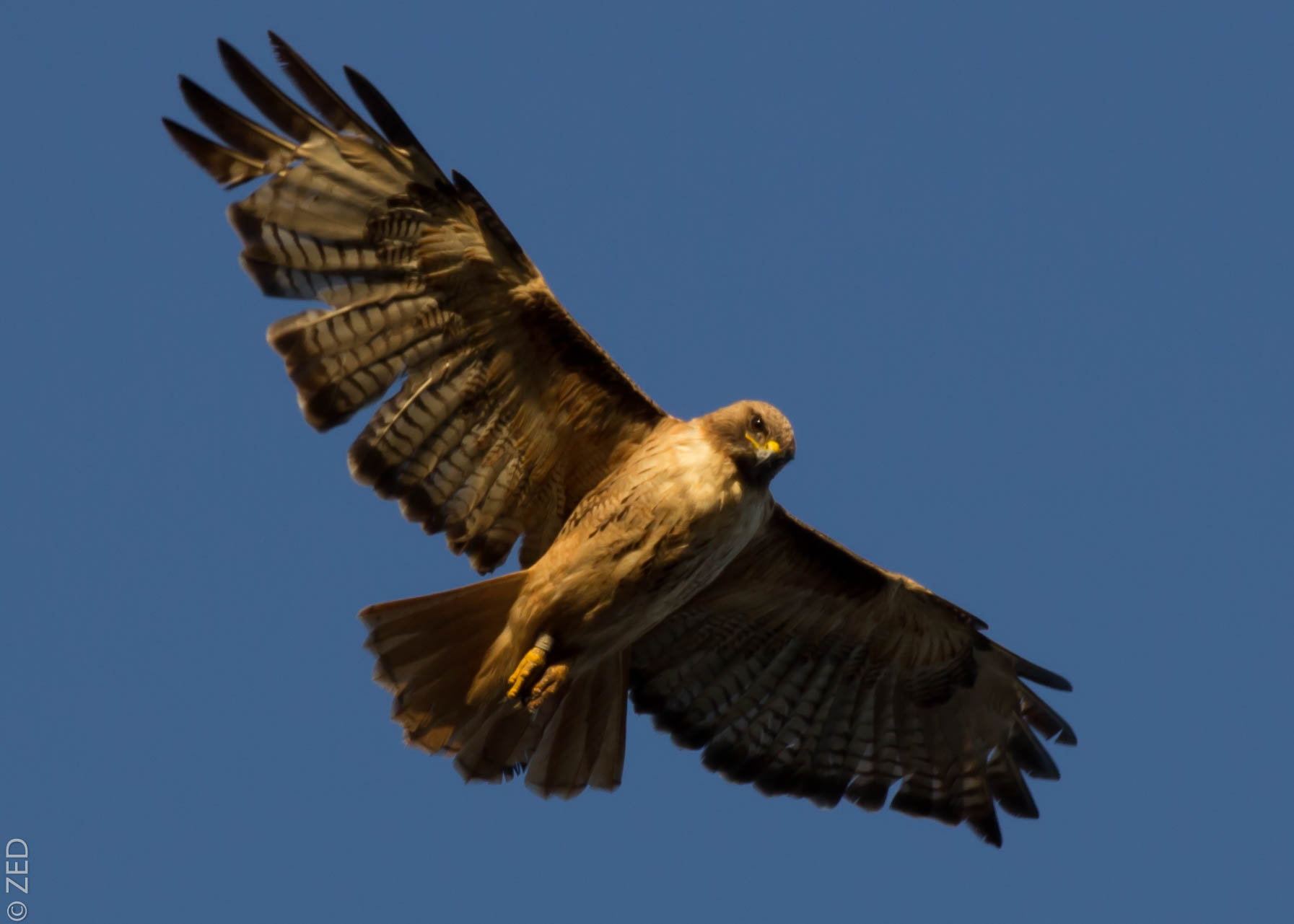
red-tailed hawk / marin headlands CA
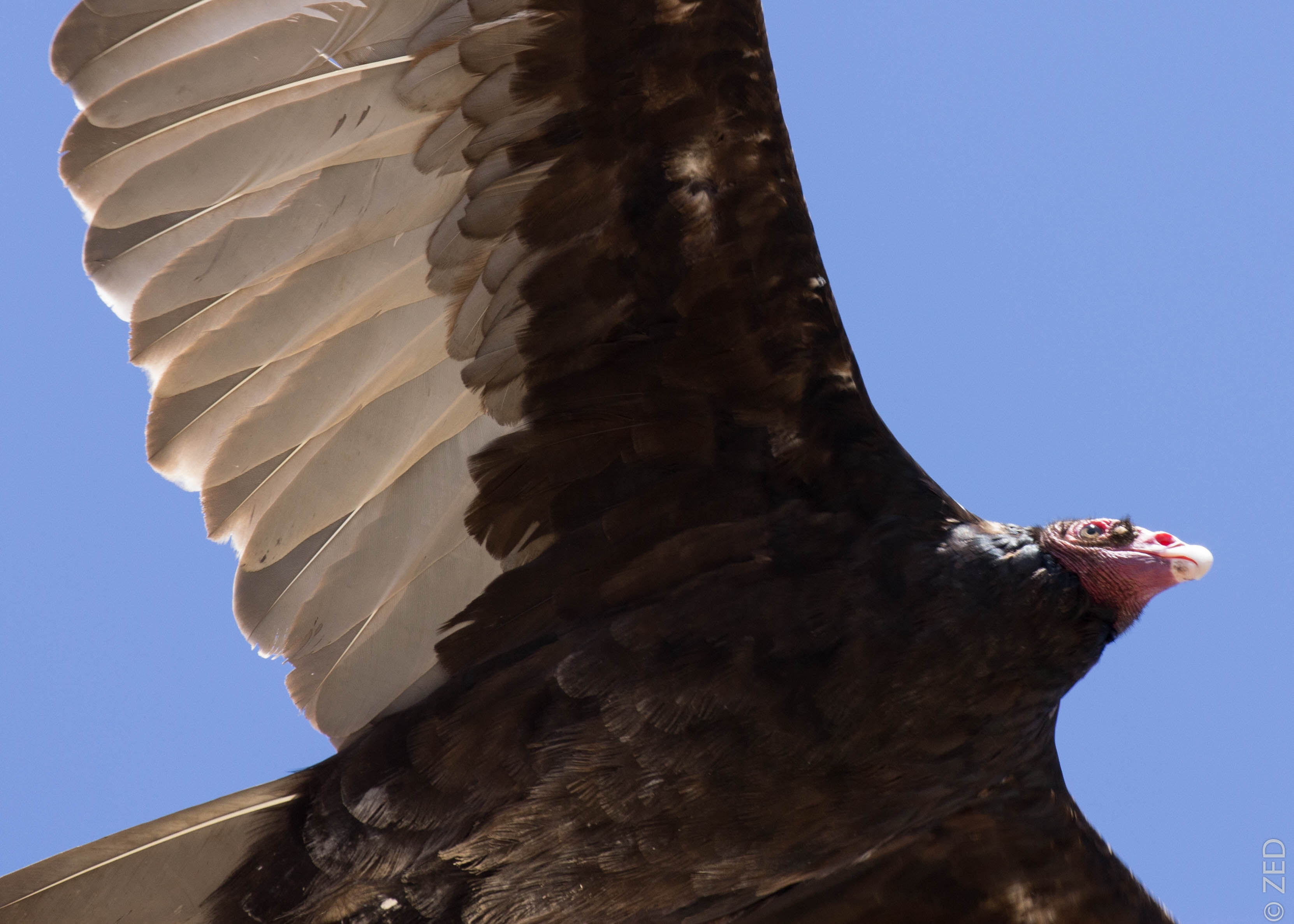
turkey vulture / point reyes national seashore CA
20150711 – finally!! young owls
I had pretty much given up on seeing baby owls in the area I typically roam, despite there being about five pairs that I see with some regularity. I’ve seen some in other areas, all fledged, flying and without any downy white feathers left on them. Tonight during twilight with very little light left in the sky I finally heard that familiar sound – a young owl! I made my way in the direction of its call, and sure enough, there it was – along with a brother or sister nearby. The pictures are rough with so little light, but they allowed me to get very close to them as we looked at each other in wonder.

young great-horned owl

young great-horned owl

young great-horned owl

young great-horned owl
These two still have some of their white downy feathers, but they are able to fly. They are from a nest that is likely on private property right next to the park – I see the parents with some frequency in the park, but this is the first time I’ve seen or heard young owls from any of the three pairs of adult owls that I see most often. This pair also had at least one youngster last year. I’m excited to see them again soon, maybe even with some better light.
20150711 coyotes n crows

adult feeding young crow a goose berry in my backyard
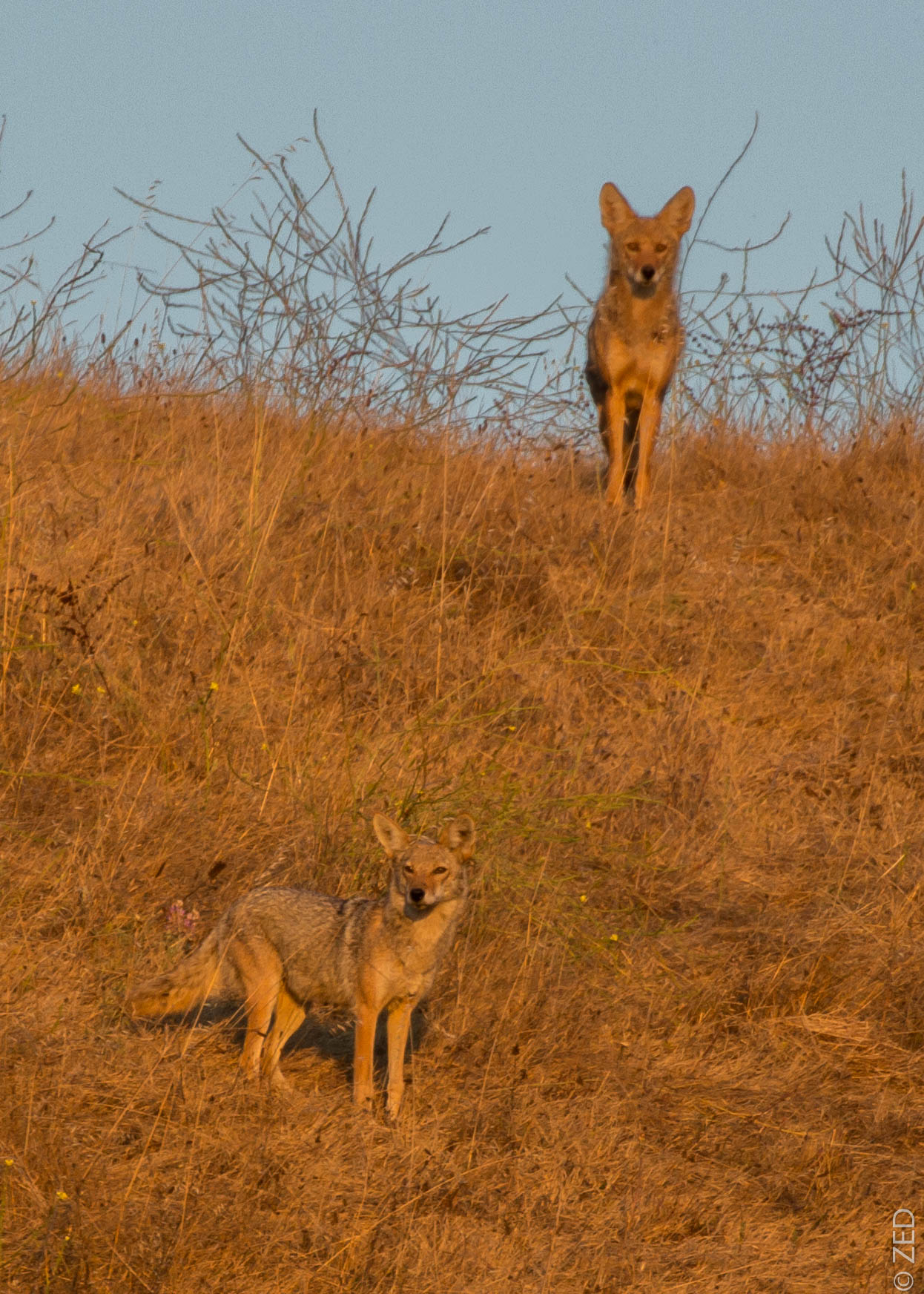
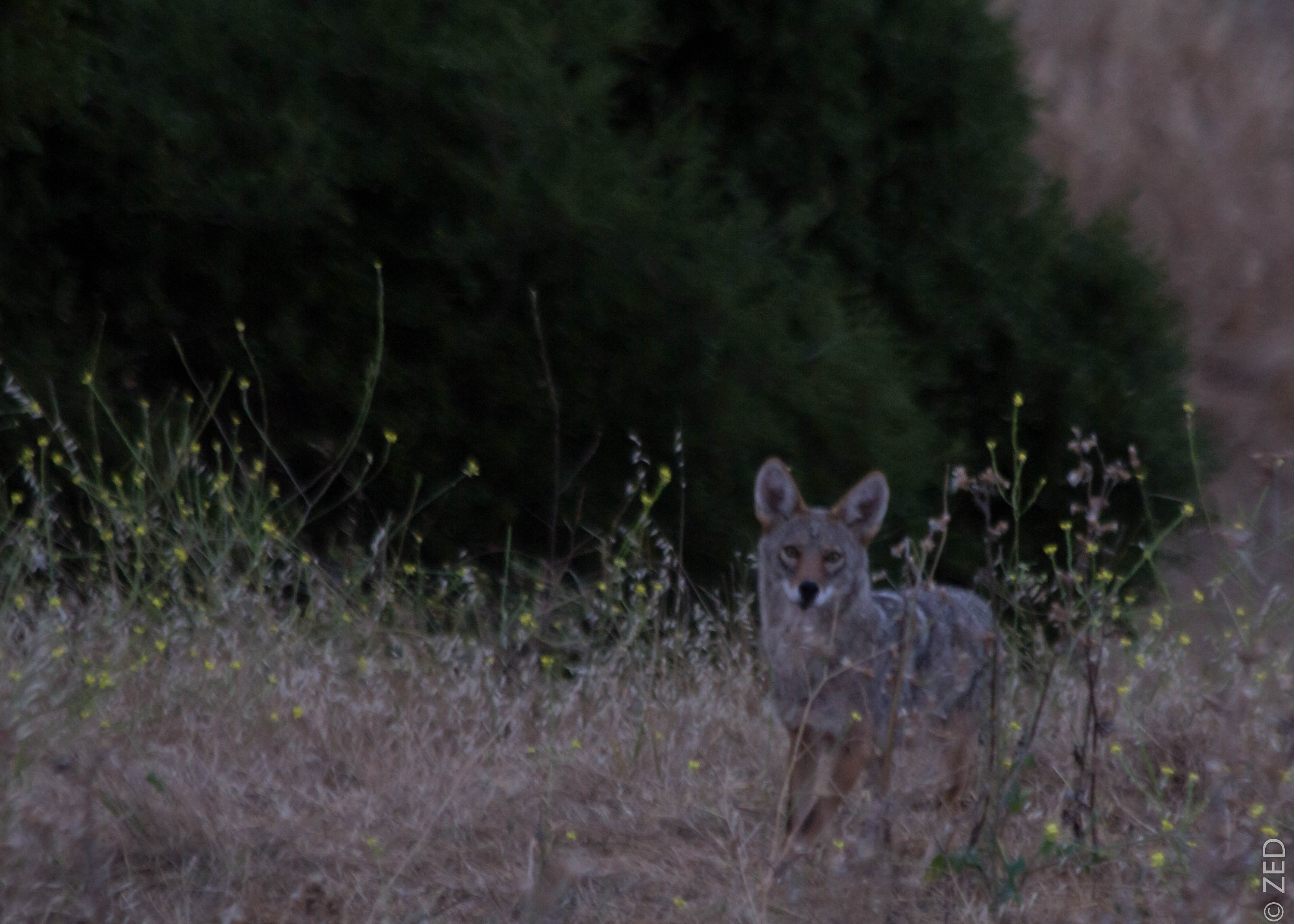
coyotes in an East Bay Regional Park
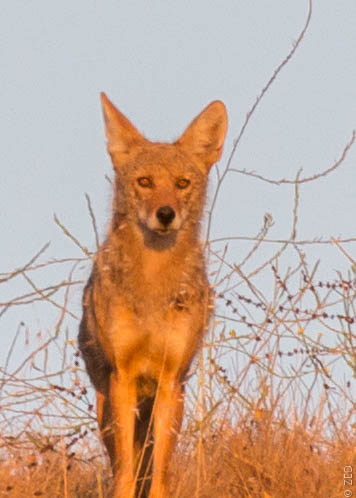
the eyes on the top coyote in the above picture have such a wild intensity in the setting light of the sun, below is an extremely digitally zoomed-in close-up of that coyote. beautiful, wild, and a little bit eerie! i did nothing to enhance its eyes.
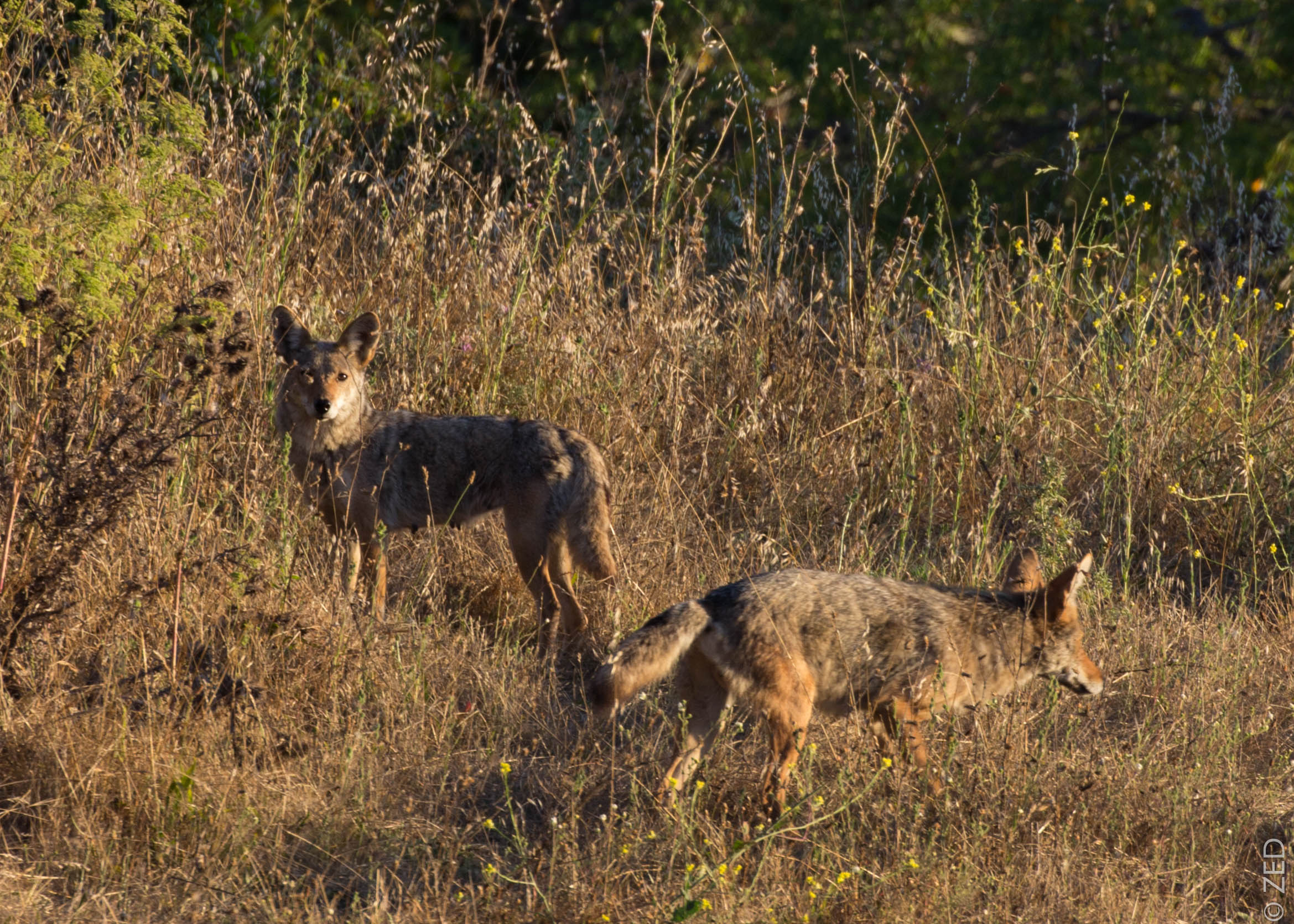
possibly the same pair the previous night:

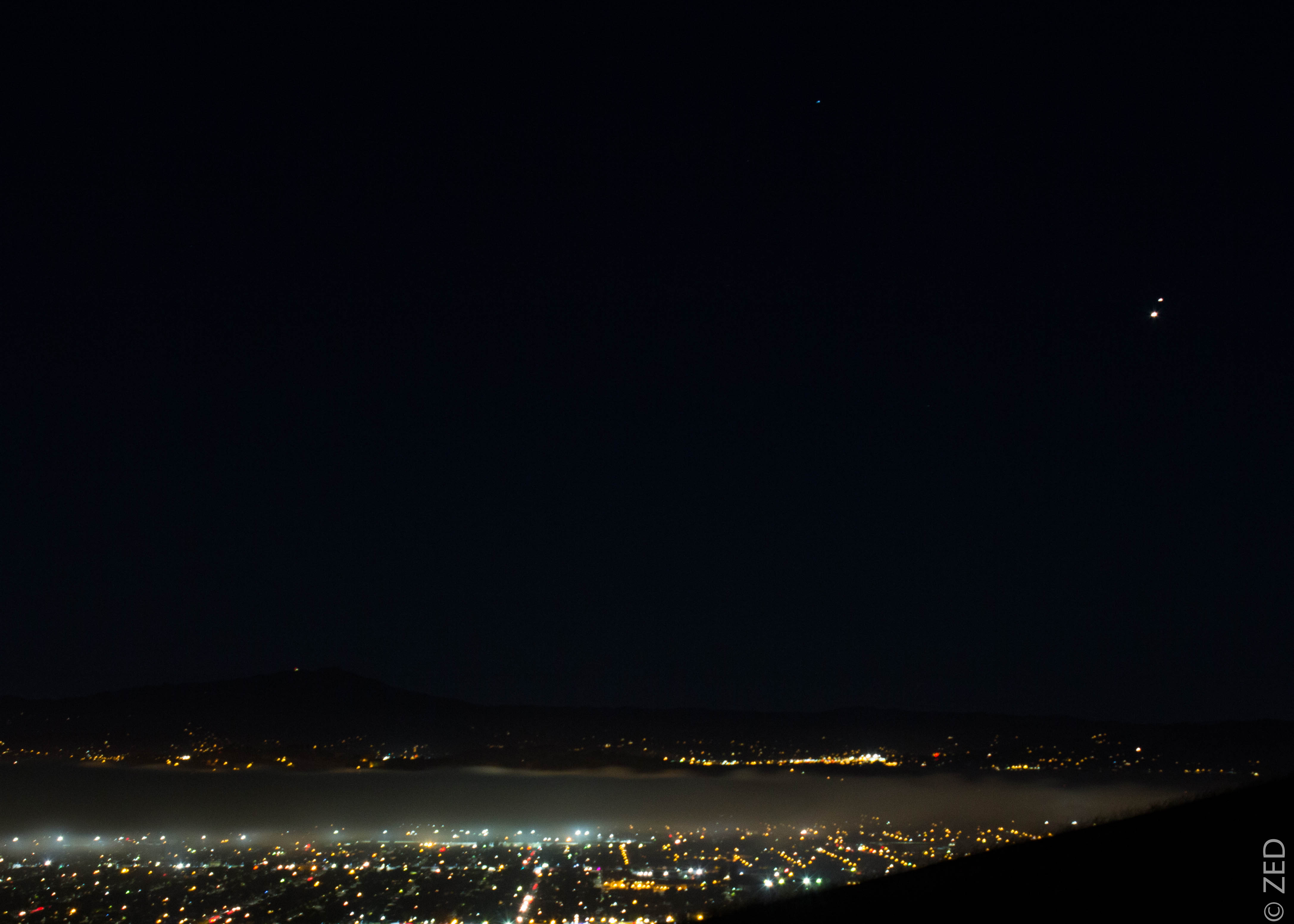
20150630 venus and jupiter conjuction
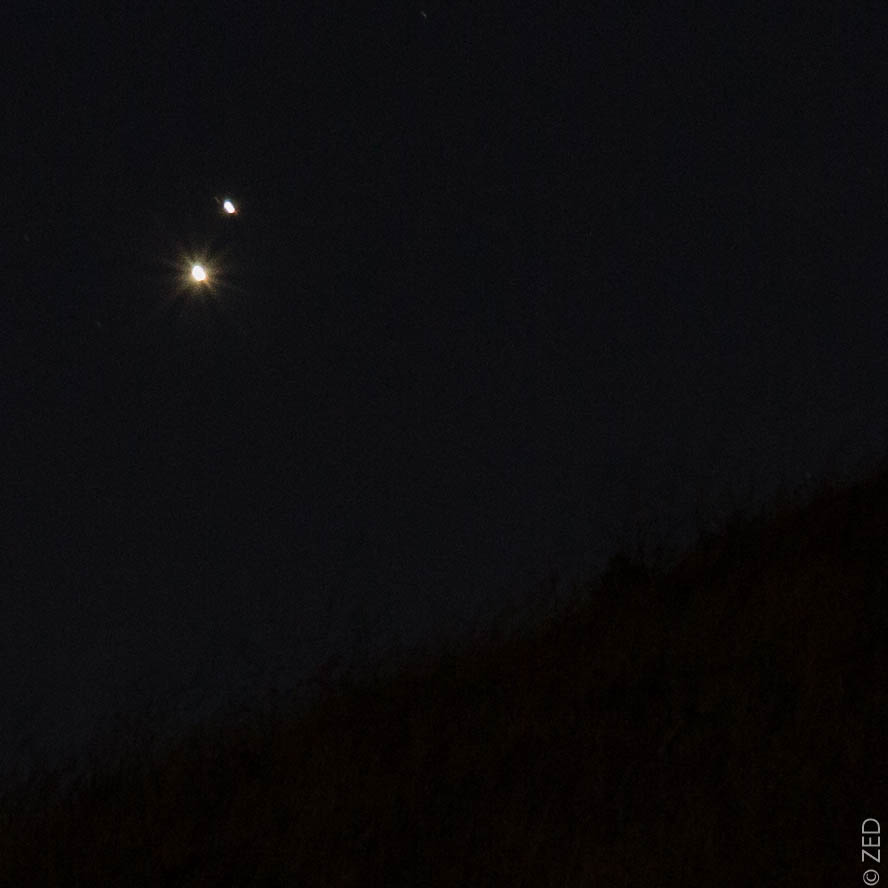
closest appearance
for venus and jupiter this time around the sun
tonight at under 1/2 degree separation from our vantage on earth
the sun set leaving an orange, then pink-tinted sky, with the nearly full moon low in the east

the wind was still and the heat from the day was still rising from the grass-covered hills
the coyotes howled across the valleys as twilight melted away the last light
and the owls at the top of the hill made an appearance together, hooting back and forth
between themselves and sometimes the featherless hooter below
the crickets in the background sang loudly, now that the winds had nothing to say
and as the sky darkened, the lights of the sky and the city glowed
above and below Mount Tamalpais
as the fog crept from the sea into the valleys below it all


 feralzach