adventures in nature

Latest

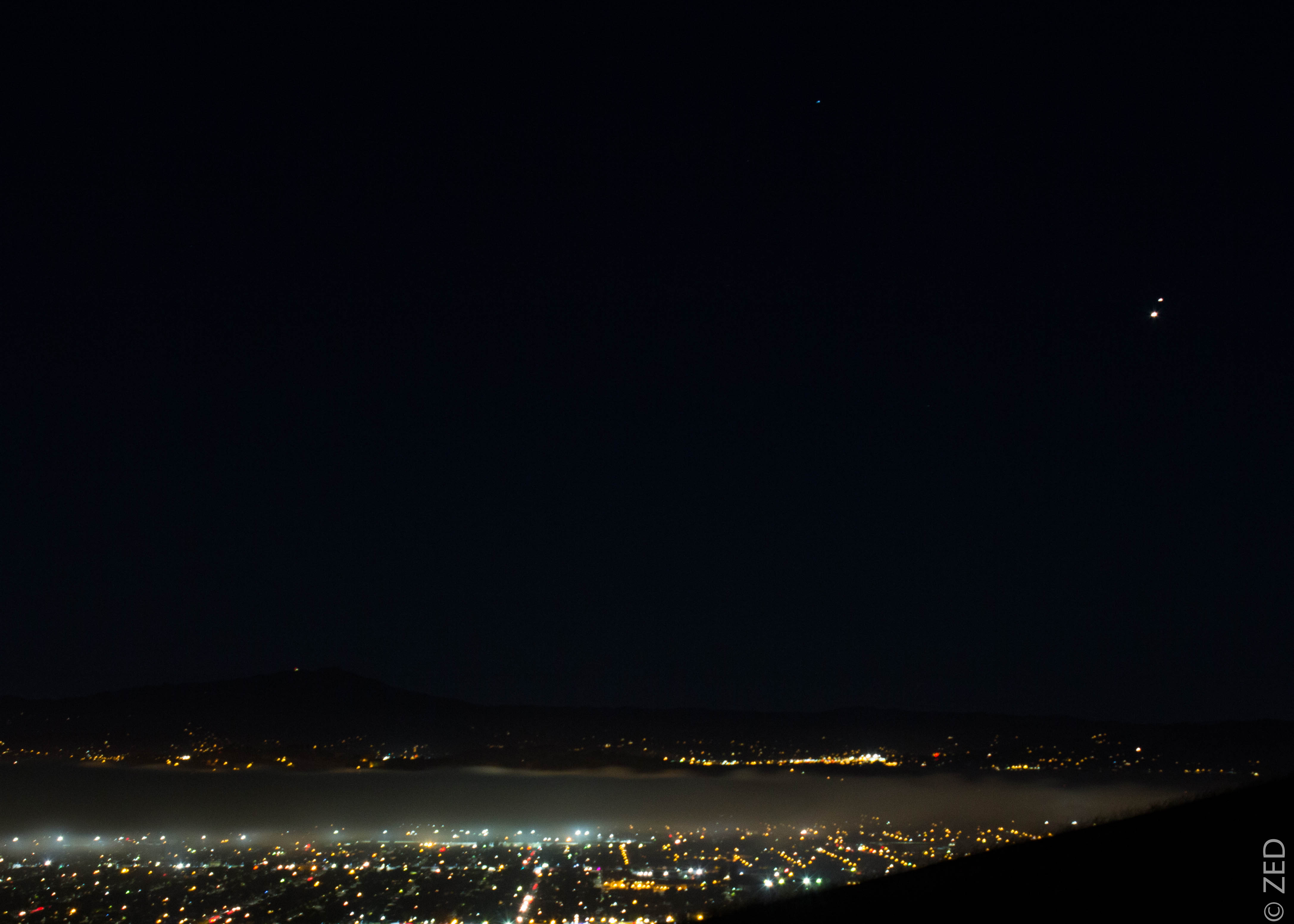
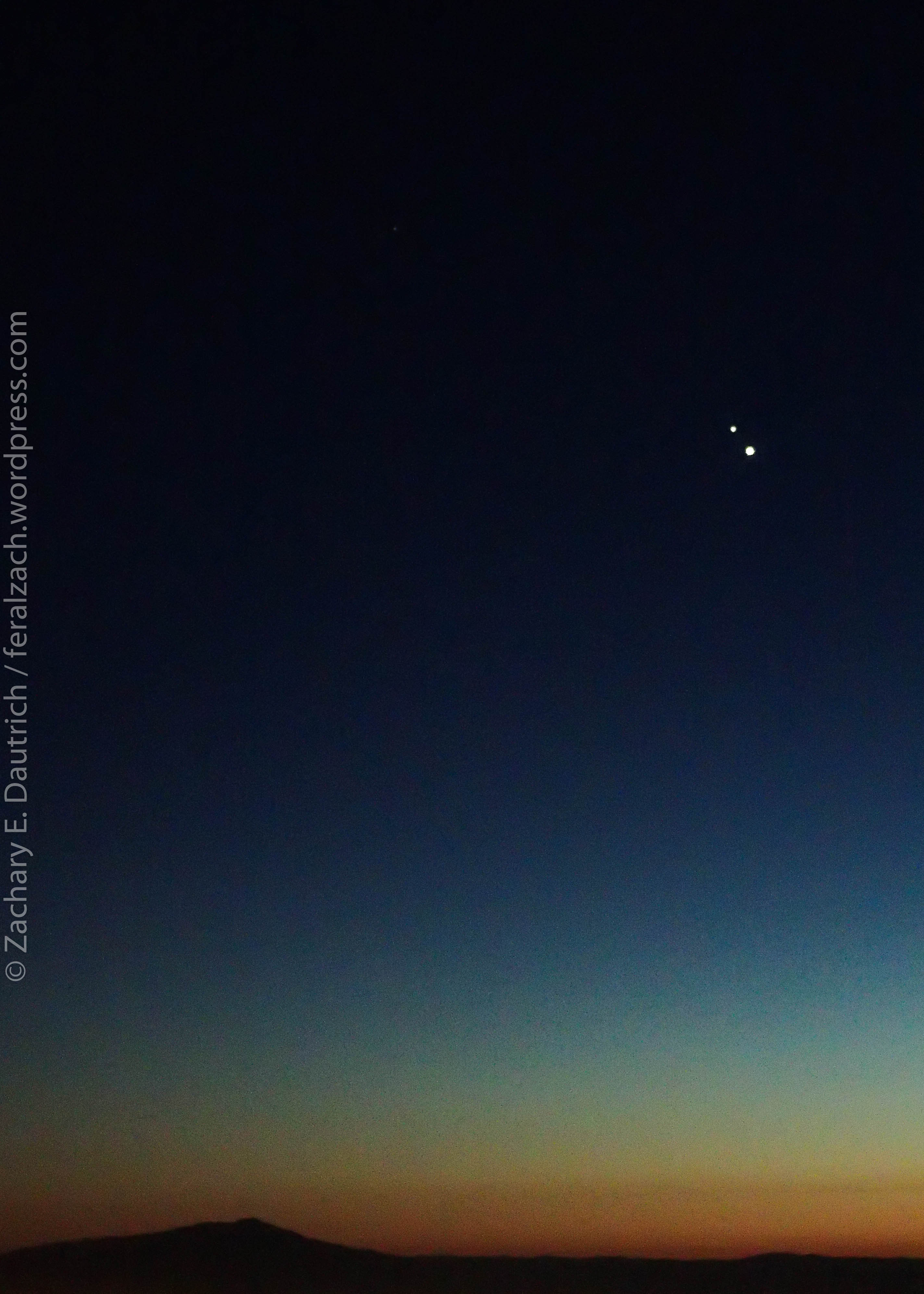
20150630 venus and jupiter conjuction

closest appearance

for venus and jupiter this time around the sun

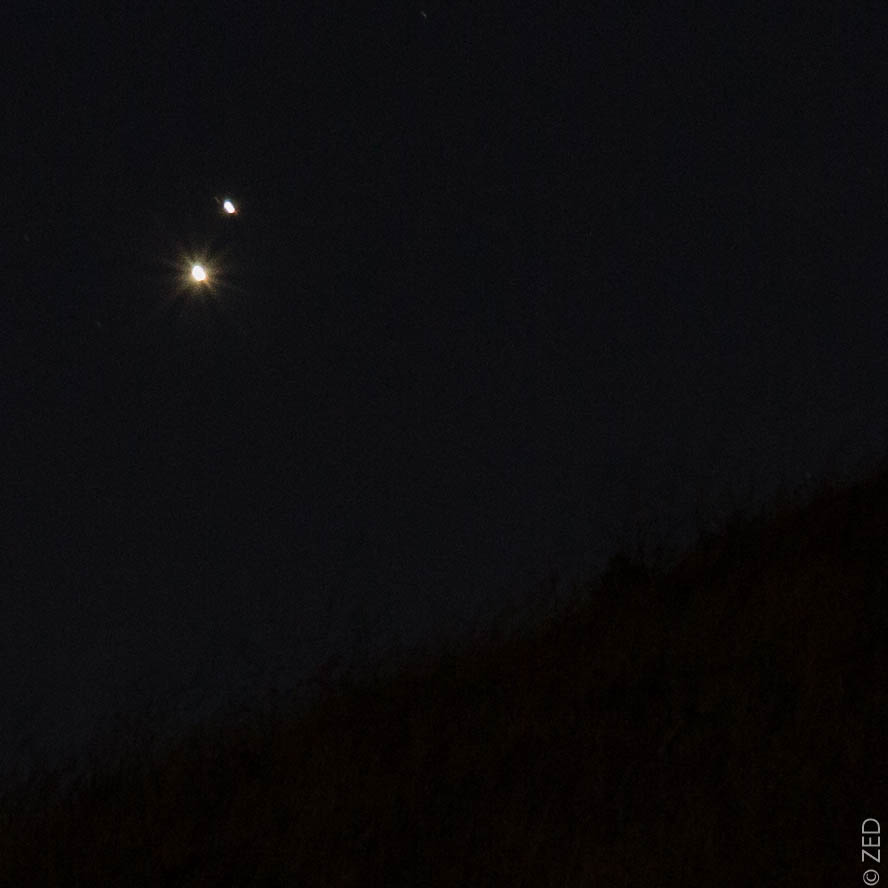
tonight at under 1/2 degree separation from our vantage on earth

the sun set leaving an orange, then pink-tinted sky, with the nearly full moon low in the east

the wind was still and the heat from the day was still rising from the grass-covered hills

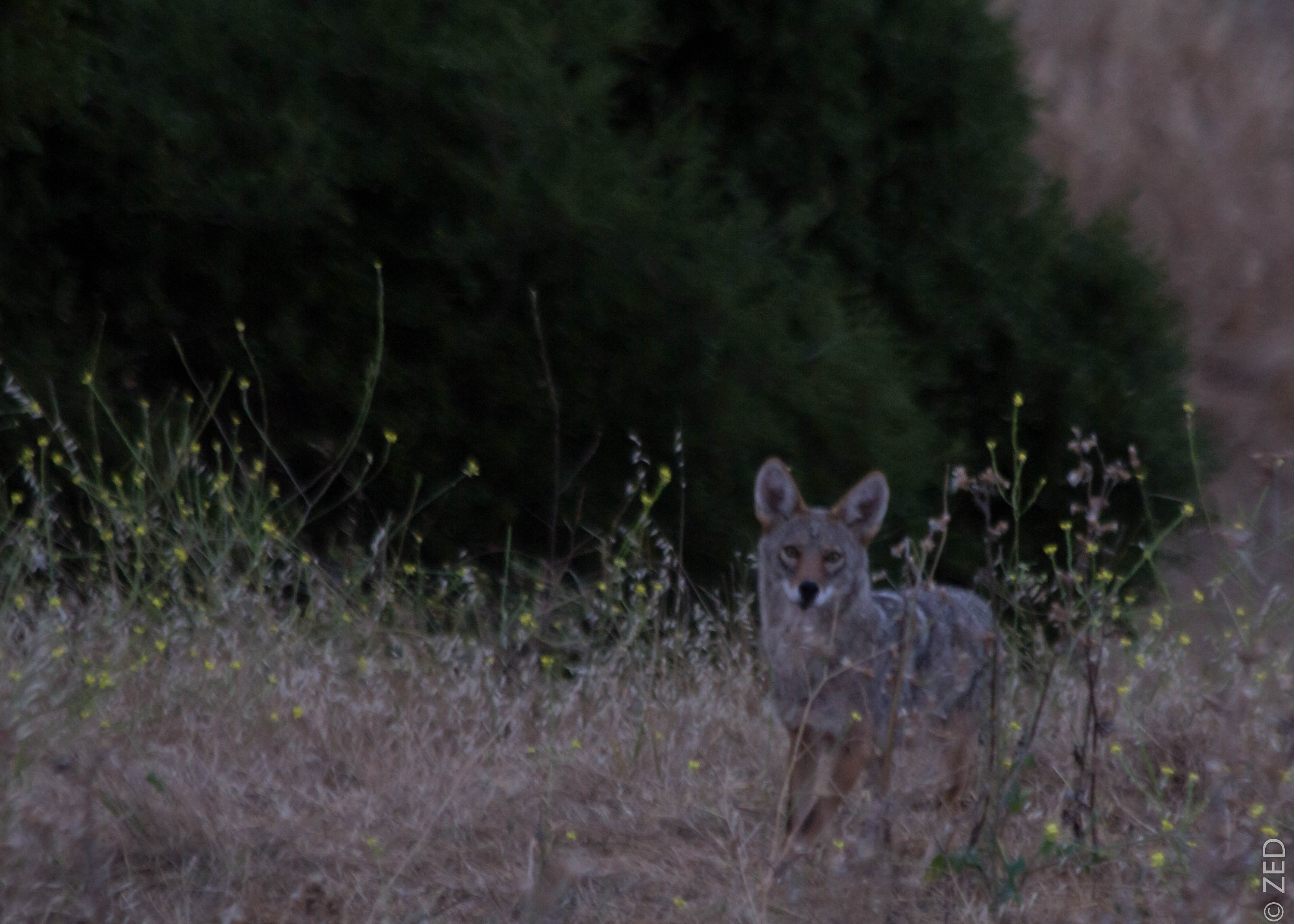
the coyotes howled across the valleys as twilight melted away the last light

IMG_0396 v1-2

and the owls at the top of the hill made an appearance together, hooting back and forth

between themselves and sometimes the featherless hooter below

the crickets in the background sang loudly, now that the winds had nothing to say

and as the sky darkened, the lights of the sky and the city glowed

above and below Mount Tamalpais

as the fog crept from the sea into the valleys below it all

IMG_0421 v1

IMG_0432 v1-2

IMG_0438 v1-2

IMG_0449 v1-2

IMG_0453 v1-2

IMG_0455 v1-2

IMG_0464 v1

20150629 venus and jupiter conjuction one day away

venus and jupiter are now one day away from appearing less than 1 degree apart in the sky looking to the west just after sunset (occurs on tuesday june 30th) – and wednesday is a full moon. tonight just to the right of the moon, just above scorpio (to the south after dusk) is saturn as well. the bright star antares (17th brightest in the sky), part of the scorpio constellation, glows red compared to the other stars – which helps locate the constellation (almost due south after sunset). tomorrow night (june 30) saturn will remain above scorpio but well right of the moon.

the owls were moving around early tonight and very active, and their eyes seem to shine with vigor in the dim evening light. a coyote popped it’s head up on the other side of a young bull this evening, thinking it was unseen, sending the young bull in a run right towards and past me (which was a little intense). a few moments later the coyote’s head popped up again to look at me, as if it was checking in to see how its joke worked out.

good one coyote.

OLYMPUS DIGITAL CAMERA

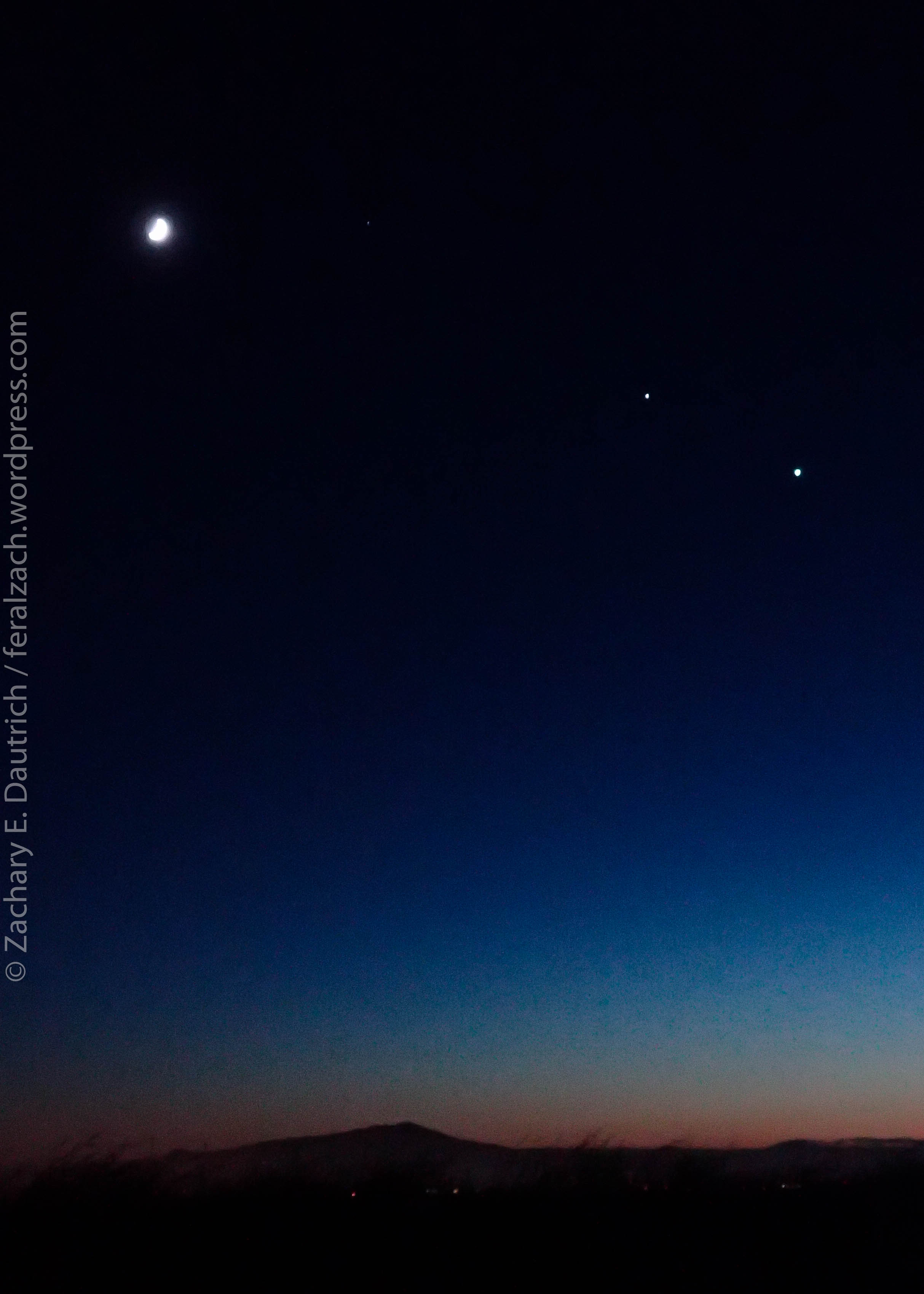
Right to Left:  Mount Tamalpais, Jupiter, and Venus (and a faint Regulus to the left)

20150621 happy summer solstice / moon, venus, and jupiter

happy solstice, longest day of the year! literally, not figuratively – as in my mind i’ve had MUCH longer days this year.

it was a beautiful night up in the hills, soft light, light winds, and the smell of tar weed pervading the air. as darkness crept in the crickets provided a soundtrack to my wander. venus and jupiter grow closer still, and in the pictures below from tonight you can see the moon on the left, the star regulus in the constellation leo faintly visible next to the right, followed by the planets jupiter and venus. the mountain in the distance is mt tamalpais. quite a sight.

one from last night …

20150618 venus, jupiter and waxing moon

The countdown is on for the end of June when Jupiter and Venus come within about 1 degree of each during their conjuction! Look outside after dusk to the West to see them. Venus appears larger and brighter on the right. Not shown in the photo is Regulus, part of the Leo constellation – it can be seen to the left of Jupiter, almost forming a line. The next few nights will provide us with great views with the moon appearing closer to the two planets. Get out and look!

From left to right: Mt Tam, Jupiter, Venus, waxing Moon

2015 June 16 Wildcat raptor update – part ii (the owls)

I’ll admit that at the beginning of this year, I had high hopes of seeing more than one nest of great-horned owls with young. Yet despite monitoring three pairs of these owls at Wildcat Canyon with regularity, and another two pairs on occasion, I have not seen nor heard one fledgling owl. There was a period of time starting in March during which the adults altered their routines from how they acted during mating season, but whether or not they were on eggs is a mystery to me. I know at least one pair did “phase I” of the procreation process! But alas no sign of young. It now appears that they’ve started to alter their routine again, and I’m seeing them with more regularity in their “usual” areas and perches. But no begging young ones that I’ve heard or seen – and they are hard to miss.

During the nesting season, I have a theory that raptors “go through the motions” whether they actually have young or not. This includes different roosts, different patterns of behavior, and also a tendency to be very secretive – until this past week or so, they have not been as willing to be close to me like they had been.

The last few times I’ve been out I’ve noticed one pair of owls hunting in a fashion that I’ve never witnessed before – they are actually kiting like red-tailed hawks in the wind over grasslands! In the strong winds, the owl just extends its wings without flapping to become stationary in the air above the ground, and they are sometimes 50 to 80 feet up in the sky. One difference from the red-tails is that their legs hang down awkwardly, and it’s really funny to see such a majestic animal looking so ungraceful. Typically I see the great-horned owls hunting either from a perch or from the ground. It makes sense in this area where the winds are gusting every evening and the grass is high. Perhaps they’ve adapted their hunting style for the season and the terrain. Really cool to see – if I can witness it again before twilight I would love to get some photos of it.

Another interesting behavior I witnessed tonight was again with my most watched pair (the same that have been kiting) – as I came upon them tonight just after sunset, first one, then the other flew down to the ground onto a cow trail. At first I thought perhaps they were on the trail hunting, but then I realized they were both taking a dust bath within 10 feet of each other! It was difficult to see due to the lack of light and distance (I didn’t want to bother them while they bathed together …), but they were really getting into it. After about five minutes, they finished up and hurried over to see if I could find some tracks.

As I got to the spot and started scouring over the dust with my headlamp, I could see the wind just erasing things before my eyes. I was so bummed! I was able to find one partial track though, which was fun.

OLYMPUS DIGITAL CAMERA

Partial Great-Horned Owl track (difficult to discern)

As I kept looking, suddenly I heard a high pitched squealing just south of me about 30 meters right in the area where one of the owls had flown to perch on top of a coyote bush, and I knew breakfast was served.

It’s been my observation that raptor numbers and activity is much diminished in the last two years here in the greater Bay Area, but especially this year. Likely it is related to the drought, and also probably related to the vole population crash that we first took note of about two years ago. That is pure conjecture and is based purely on observation, but some of my other naturalist friends and trackers have noticed similar patterns supported by lack of actual sightings and reduced numbers of owl pellets in one particular location that usually has at least a few owls. Hopefully the predictions of the El Nino bringing lots of rain this upcoming winter are true! Everyone could use more water – feathered, furred, scaled, crawling, rooted and two-legged.

IMG_0138 v1

2015 June 16 Wildcat raptor update – part i (red-tails)

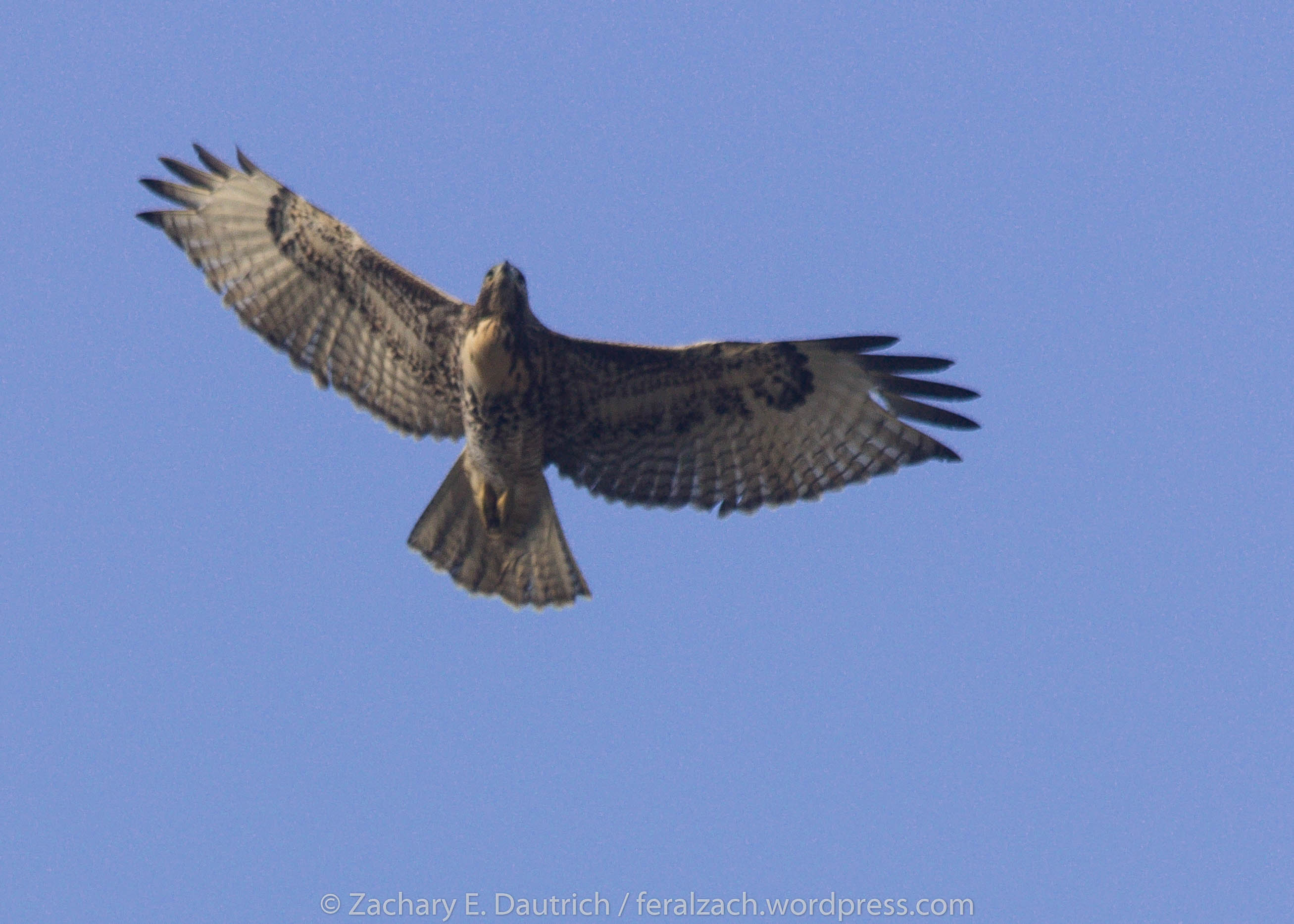
There is nothing quite like seeing young animals play, and it has been such a treat on my sunset/twilight wanders lately to see a pair of fledgling red-tailed hawks in Wildcat Canyon cavorting in the strong winds up in the hills for the past week or two. They are still sometimes unsteady as they soar in the air, and during their landings – wheeling awkwardly in the winds, or alternating repeatedly landing and taking off from a hilltop trying to ride fast moving gusts, like a feathered, bouncing ball. Sometimes their parents were silhouetted in the background above them, unmoving in the strong winds as if hanging from an invisible thread in the sky as they hunted. For the first week or so, every time the two young ones were in the air, they were loudly vocalizing non-stop, as if shouting “holy shit I’m flying, holy shit I’m flying!!!” That’s how it felt, watching their exuberance in the sky.

IMG_0051 v1

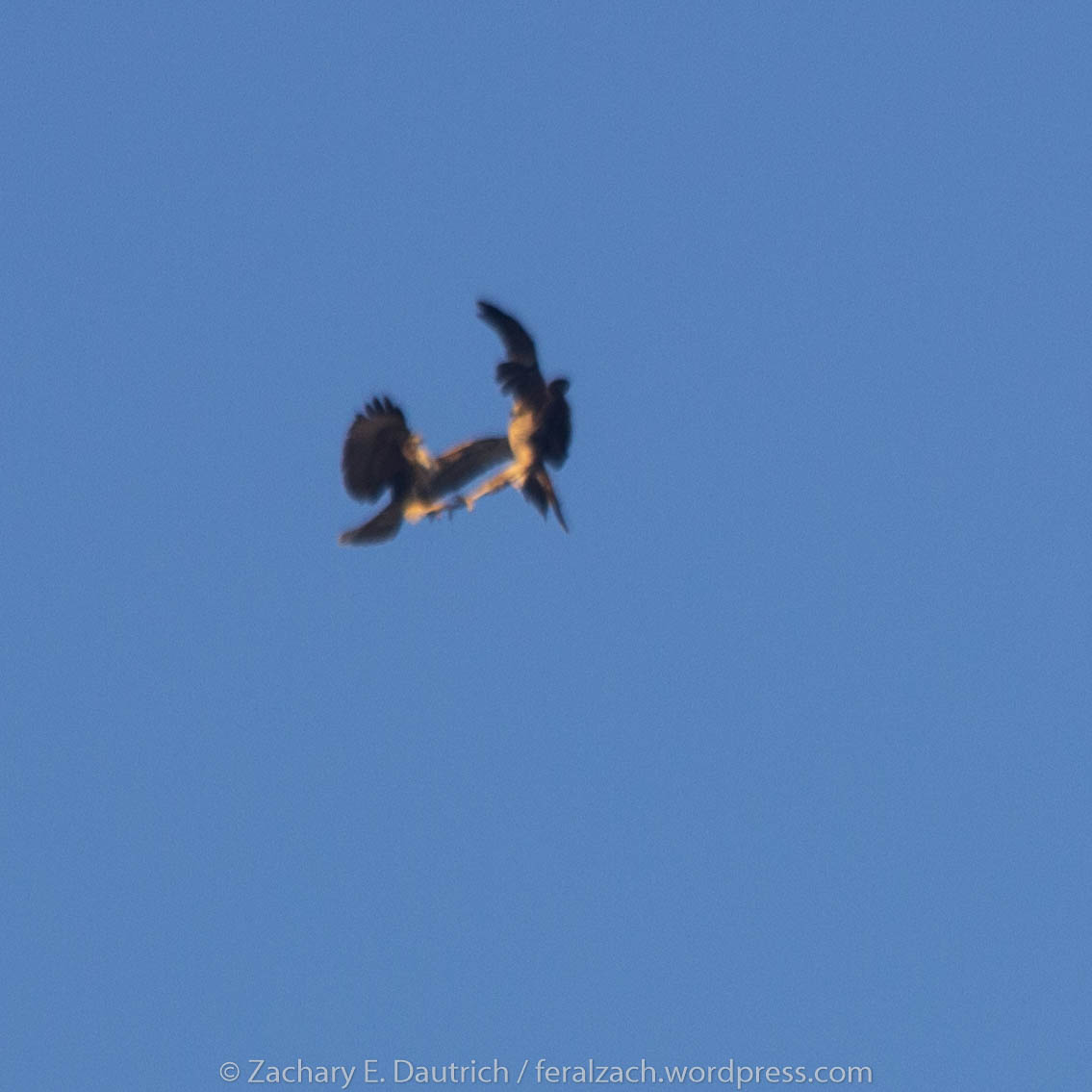
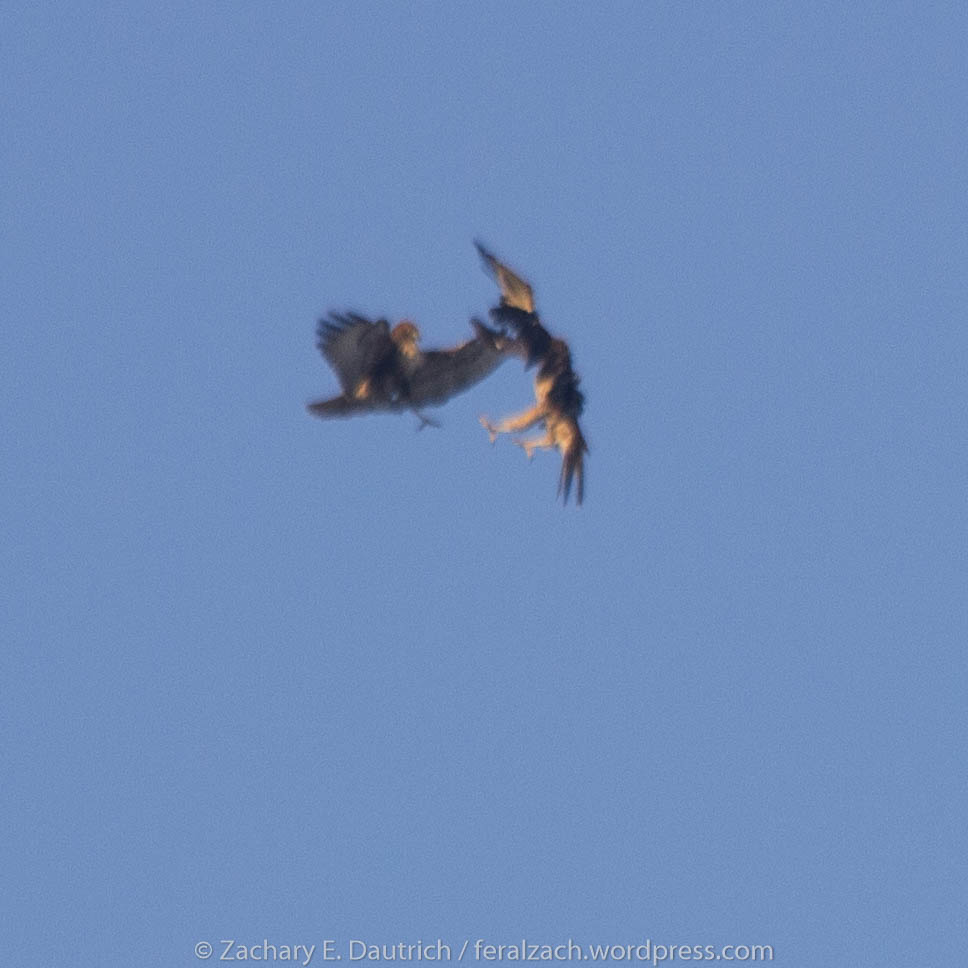
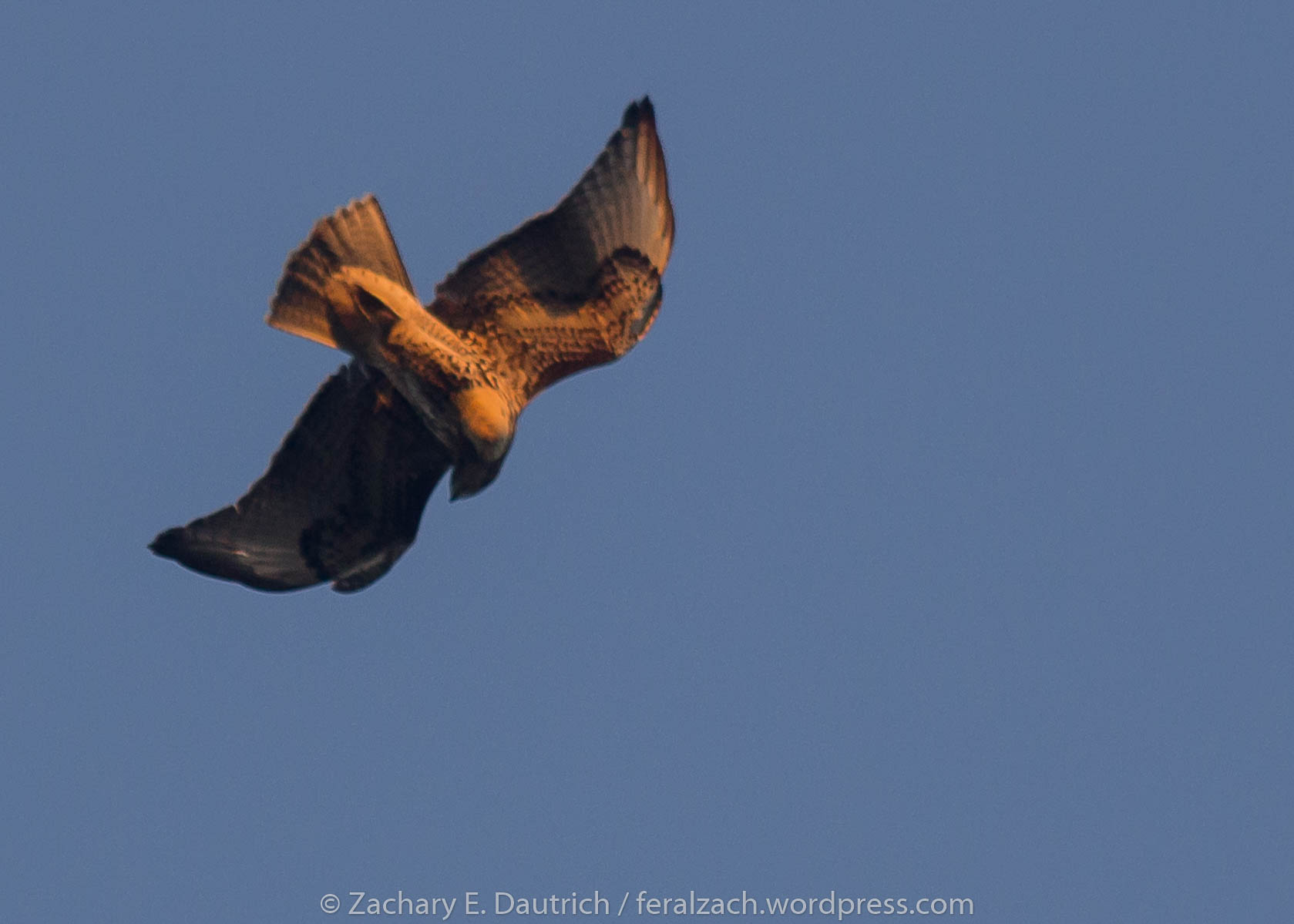
Despite their awkwardness at times, there were other times that they seemed to be quickly mastering flight in the high winds – chasing each other over the hills and around tree tops, stooping and diving on one another, locking talons in the sky, and pushing each other off of perches – even “barrel rolling” in the sky like ravens often due (an acrobatic maneuver during which they flip over on their back for a few moments in the sky). Sometimes I forget that I’m without any wings as I watch them, feeling like at any moment I could jump up and join them. It looks like just about as much fun as any living thing can have.

IMG_0093 v1

IMG_0094 v1

IMG_0081 v1

Hopefully this pair will survive longer than last year’s young – there were three from what were likely this same pair of adults, and none of them survived more than two weeks after fledging. Once night comes, it is the domain of the great-horned owls … and there are a lot of them here. It’s encouraging that they’ve lasted this long, soar on young ones!

IMG_0129 v1

red fox kits! (and the evolving red fox native versus native discussion)

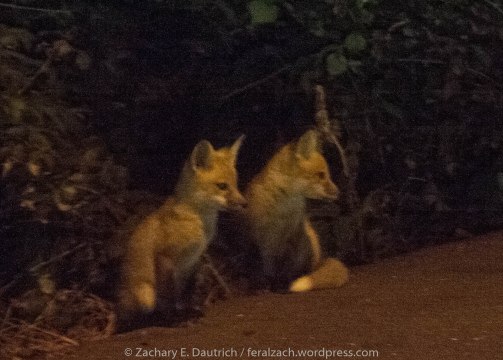
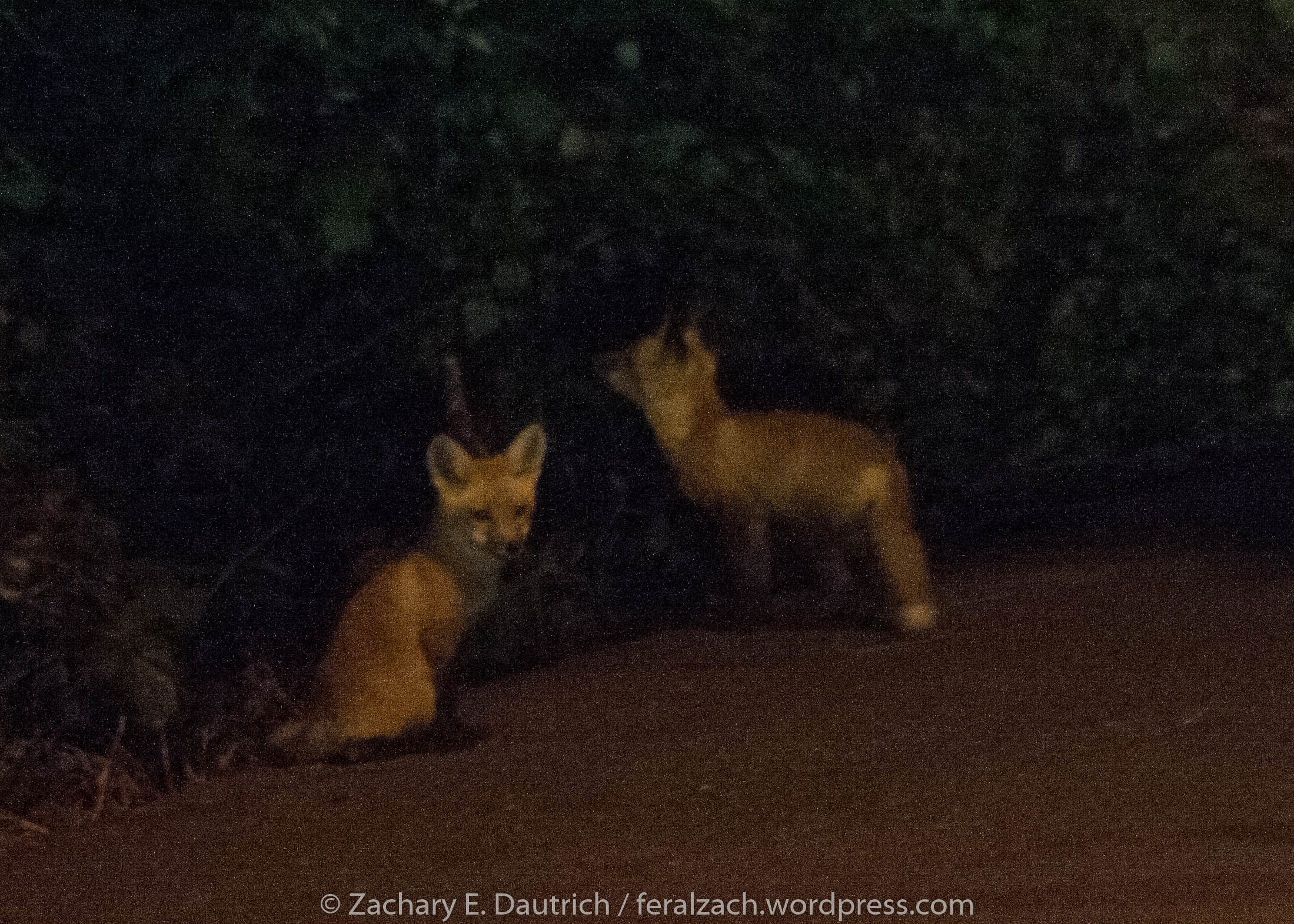
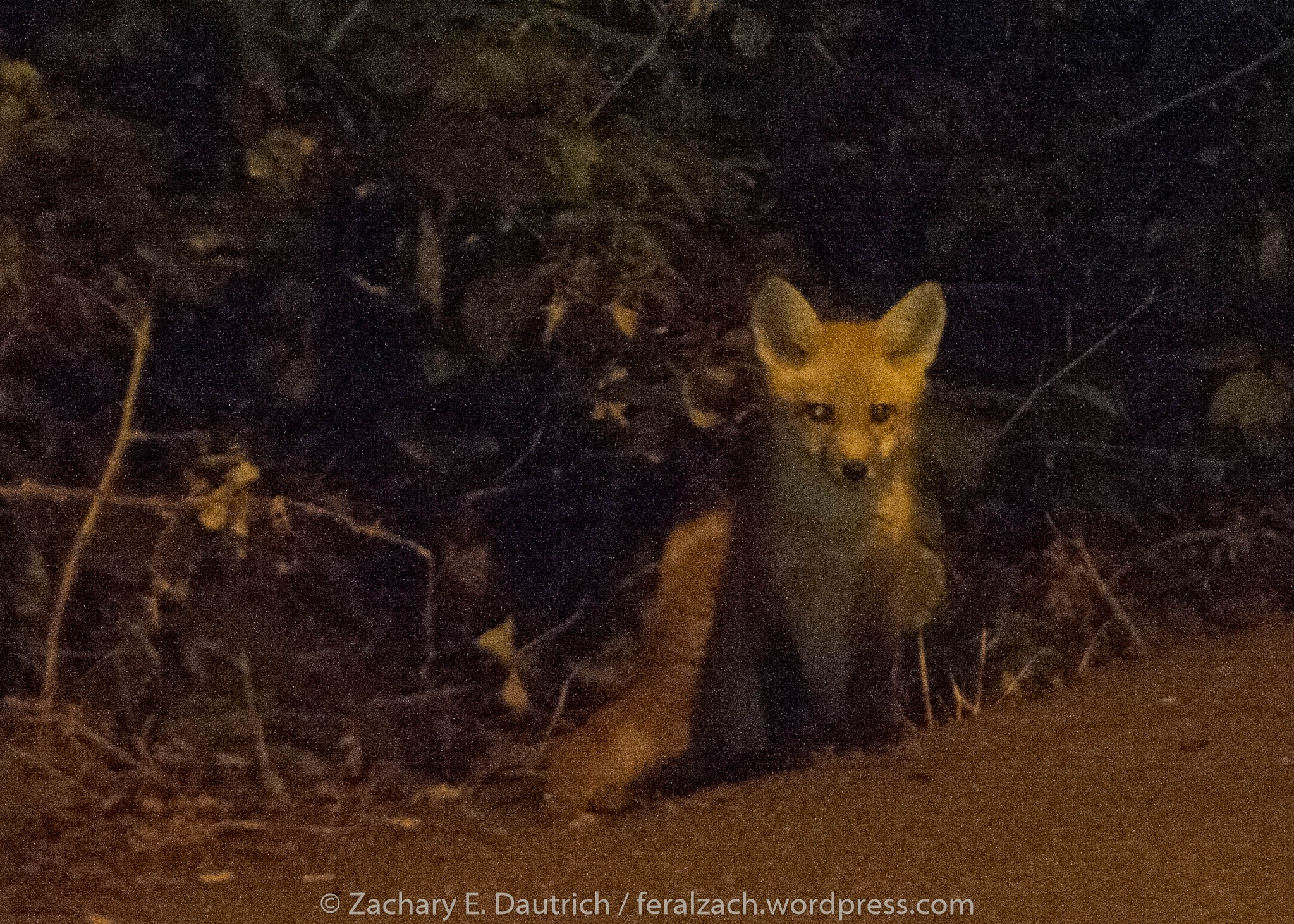
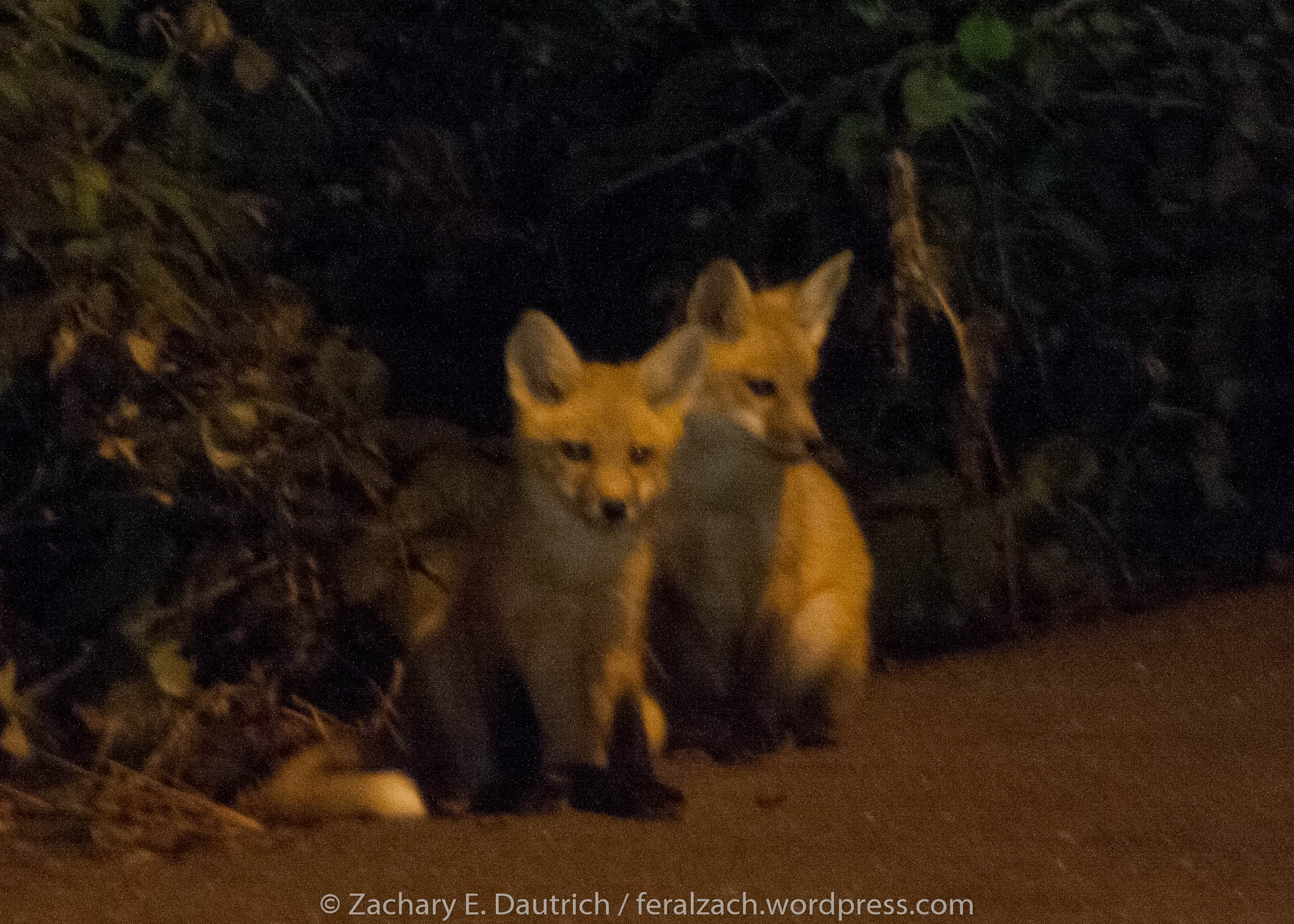
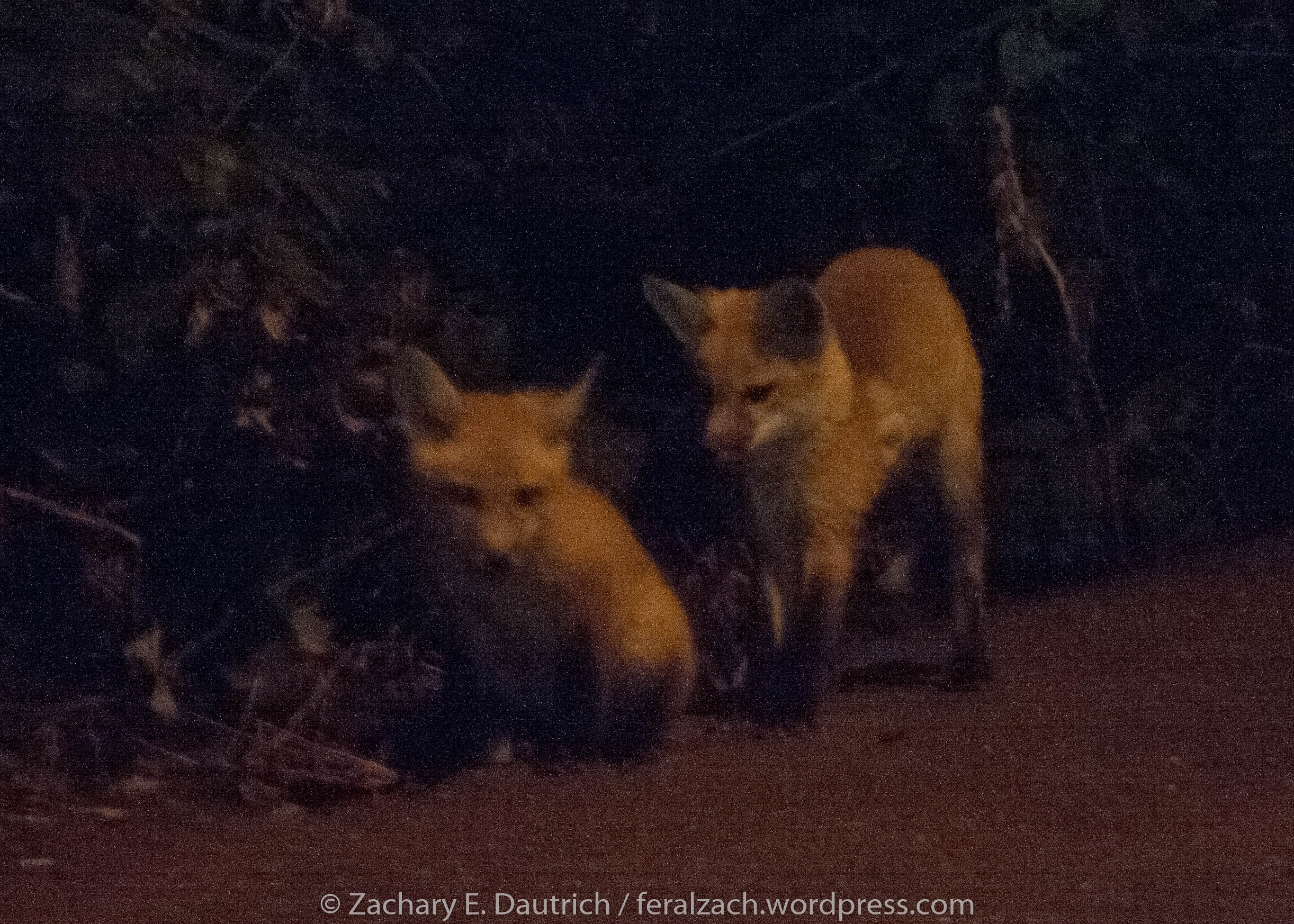
After a twilight meander in Wildcat Canyon Regional Park, as I was leaving the park and driving through a heavily wooded riparian area, I saw a small form pop out of the shadows on the side of the road. I stopped. A second form popped up along side the first. Moments later, a third little form darted across the road from the other direction! Small canines with white tips on their tails and black on the backs of their ears – red fox kits! I returned two nights later in hopes that they were still using the same den, and I was in luck. Using my vehicle as a blind, I was able to get some shots of the four kits along with a grainy shot of one of the adults who came by briefly. I’m guessing they are about five weeks old.

IMG_8582 v1

The kits were particularly intrigued by a sound in the vegetation on the hill behind their den, which turned out to be a black-tailed mule deer feeding. The deer eventually came down on the road, and it was like a scene from a Disney movie with all the fox kits, a deer, and one of the adult foxes all just milling about on the road. The deer seemed unfazed by all the foxes, but the kits were fascinated with this long-legged creature that came in their midst.

IMG_8583 v1

There was a street lamp that gave some light to the area, but as you can see the light was far from ideal for clear photos. I was happy to be able to capture what I was given.

IMG_8586 v1

IMG_8589 v1

Here is a shot of one of the adults to give a scale to the size of the kits …

IMG_8578 v1-2

IMG_8597 v1

Watching them play and wander around the area was magical, they were curious about their surrounding but still stayed within about 20 feet of the den. When an occasional car would drive by, they would dive into the storm drain, wait a few moments, then little heads would pop out to see if the area was clear. They still weren’t in full control of their bodies yet, tripping over their own legs and bowling over each other with little attacks and hops. When the adult was present, they exuberantly raced to “attack,” or just to nuzzle and see if mom or dad had some food or a new toy (there were feathers from several species of birds around the den, the kits seemed to be playing with them at times).
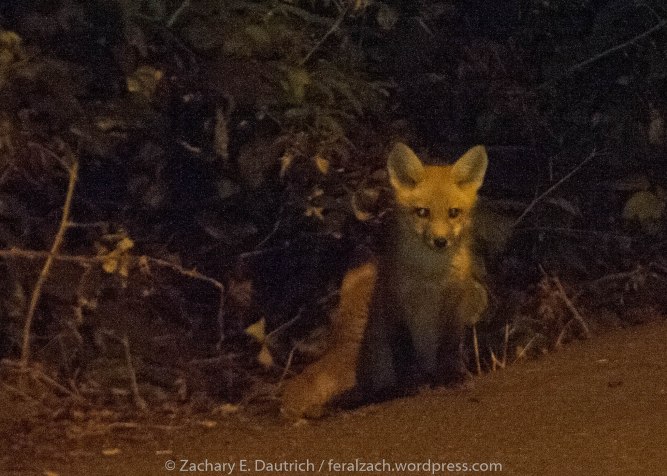
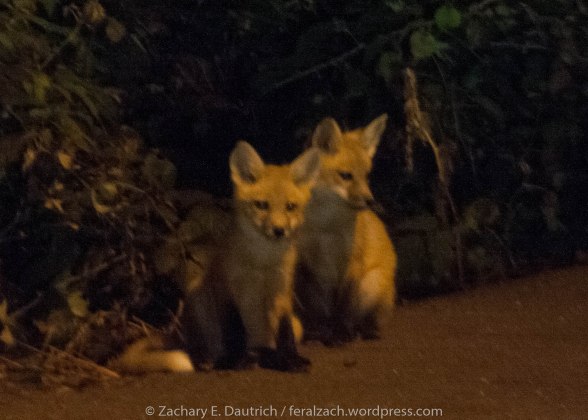
IMG_8601 v1

IMG_8608 v1

After about 10 minutes, the four furry bodies started to slow down, and two had already disappeared back into the den. With a few final stretches, the remaining two went back in the den to rest after their short play time.
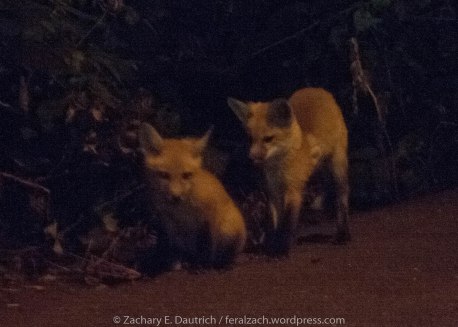
IMG_8613 v1

This was my first encounter with red foxes in this area, and though they aren’t unusual in urban areas around the country, I was somewhat surprised to see them. I spend a lot of time in this area and haven’t seen anything but gray foxes and coyotes so far. LOTS of gray foxes and coyotes. The grays tend to stay in the heavily wooded areas not far from the riparian creek zone lower in this park, the coyotes rule in the more open areas higher in the park where cows are still grazed.

I find it ironic that often densities and sighting of wild animals are higher near human development. It’s always a little perplexing and slightly embarrassing when I spend a lot of time out in the more “wild” areas and don’t see as many wild animals, then upon returning into more urban or suburban areas suddenly they are all over the place. I get excited about seeing a bobcat out in a park, then I see a story about a 14 year old kid snapping a pic of a wild mountain lion in his aunt’s backyard with a cell phone. C’mon! Seriously? Especially now though, in the middle of a drought, this is not surprising. Water is more available near human development, and prey animals tend to be attracted to the vegetation and other larder sources around human development – gardens, garbage, etc. And where they prey go, the predators follow. This is a simplified explanation, as wildlife corridors also factor into areas where animals can be found, but it generally holds true it seems.

The red foxes that are found in the Bay Area are usually considered non-native, a lineage of red foxes that descends from European red foxes (Vulpes vulpes) that were introduced into the U.S. for hunting and fur harvest long ago. They have been extremely successful in adapting to life here, especially in urban areas – but often to the detriment of many native species. Their presence can be divisive due to this, but then again so is the presence of feral cats.

To complicate things, there are at least two other identified red fox species in California, and they are actually natives – one is called the Sierra Nevada red fox (Vulpes vulpes necatur) and is extremely rare. That fox has only been currently been identified as living in the Sierra Nevadas and Cascades, East and North of the Central Valley. Recent research though has also identified what is being called a sub-species of the native Sierran red foxes, and these are found in the Central Valley and called, creatively, Central Valley red foxes (Vulpes vulpes patwin). Confusing!! So, there is a possibility of these foxes being native, or a hybrid, but given the proximity to the immediate Bay area, and the ecology, odds are probably more in favor of it being of the introduced type. The ecology is what seems to define where these species can be found (Central Valley preferring open grassland habitat, Sierra preferring montane zones, and non-natives thriving in marsh, riparian, and urban areas). Interbreeding seems a likely possibility, but research still seems scant.

Here and here is some interesting information on the Central Valley red fox (V.v. patwin). And this is an interesting blog post from 2010 about the Sierra Nevada red fox.

I will mention that when I saw the adult fox (albeit under poor lighting), it appeared different than I expected – less fur (shorter coat) and more subdued coloring, almost like a coyote. But, given the brief encounter and the poor light, that doesn’t mean much. I’ve seen at least one other online posting of a nearby sighting of a red fox in or near Wildcat Canyon Regional Park, but they certainly don’t seem to be common there (or at least commonly sighted). Most of the sighting seem to occur at parks in the more marshy areas closer to the Bay.

The native versus non-native investigation still seems to be evolving with regard to red fox populations here, it will be interesting to see what future research reveals.

Regardless of the genetic make-up and heritage of these animals, it was a delight to watch them play and to know that another wild animal is surviving and making a living here in the shadow of human civilization. We are inundated with news of how animals are negatively impacted due to human influence, so it’s reassuring to sometimes see first-hand a “success.” There are few things that lift the heart more than watching puppies or kittens, but to see wild ones close and in person is a whole other experience, one that I am truly thankful for and will never forget.