adventures in nature

Latest

day sleeper

I happened upon this sleeping beauty in the Alexander Valley last Friday …

barn owl

I had an amazing hike in the Alexander Valley that day on a ridge that I had never been on before. The views were astounding – peak elevation of 1500 ft allowed a view of the entire Alexander Valley to the east and north, and an amazing view of Mount St Helena cropping up out of the valley to the west.

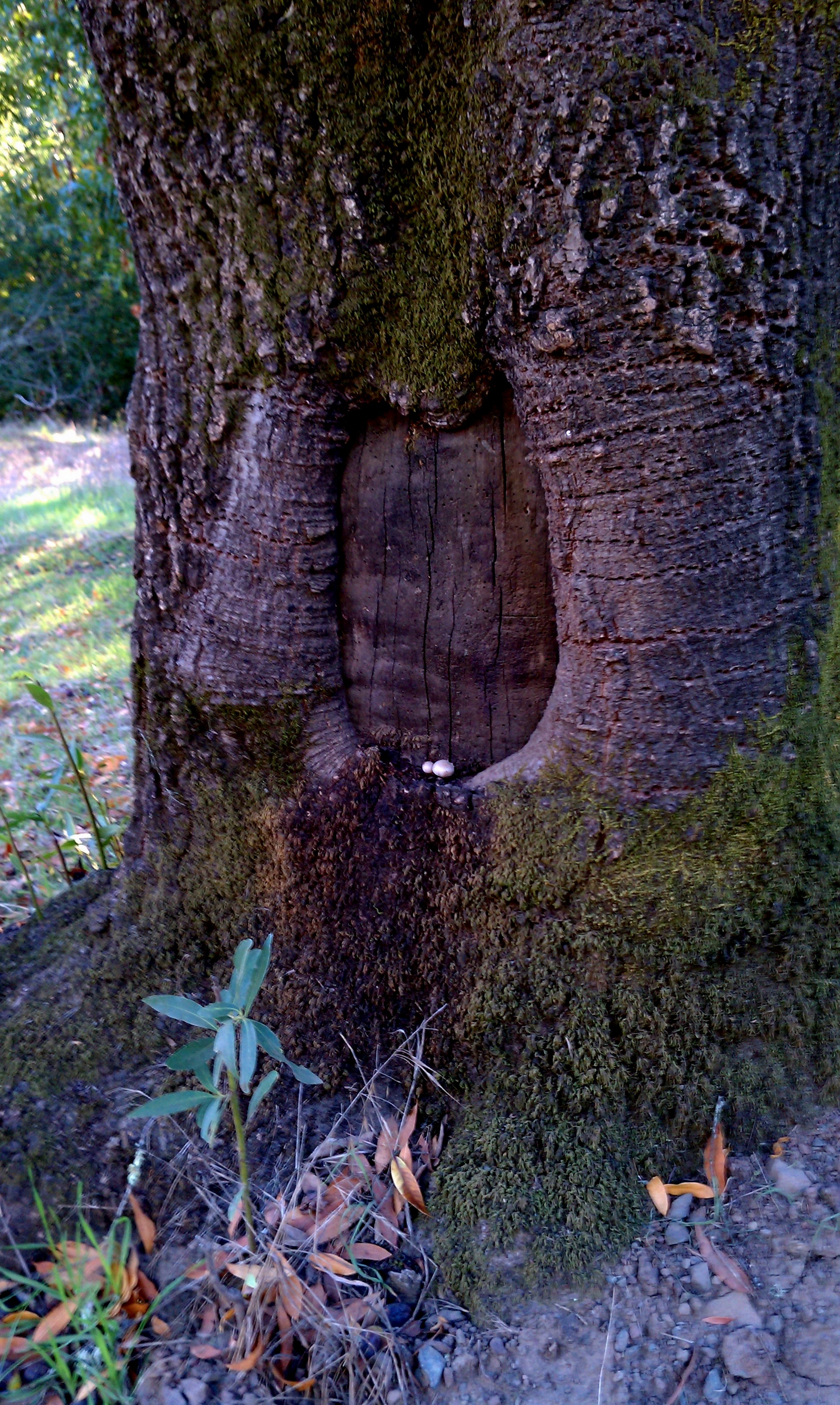
As a bonus, this CA Bay Laurel tree along the way had HUNDREDS of recently dropped bay nuts laying below it. I’ve been hoping to find some this Fall so that I could try roasting them as a tasty treat – or, if they don’t turn out well, to give away as Christmas presents.

CA Bay Laurel tree

This effervescent tree provides a lot of food and shelter for wildlife and also historically for native people (as well as tools, such a bow staves). The leaves can be used in cooking dishes similar to its relative of culinary fame, though it is MUCH stronger (so it needs to be used in much smaller quantities). The nuts look like small avocados (and it is actually related to the avocado, I’ve read), with a green fleshy exterior covering a large nut. The nuts can be roasted after the flesh is removed and once they are allowed to dry, and the result (if done properly) is a delicious treat that looks and tastes like a mix between a coffee bean and a cocoa bean.It can actually be ground up and used to make a coffee-like beverage or a substance similar to chocolate (though I’ve not done this).

The nut contains a stimulant similar to caffeine,  so it can only be consumed in small quantities. I’m looking forward to roasting these little gifts and seeing how they taste!! I love this tree.


finally! a new post

It’s been too long!! It’s REALLY hard for me to spend any extra time in front of a computer during Autumn, so I haven’t posted here in a while, but now that I have less daylight to wander I can start sharing the bounty of what has been a spectacular couple of months.

This is my favorite time of year here in Northern California … the weather, the quality of light, the warm nights and clear mornings, and the changing cast of birds as the migration and dispersal of this year’s young occur. The hot weather from a late summer has departed along with the abundant smell of tarweed, fennel and coyote bush, and is now replaced with cool, crisp air and the smell of crushed grapes, burning wood, and other odoriferous crops (who’s legality is a matter of differing opinions).

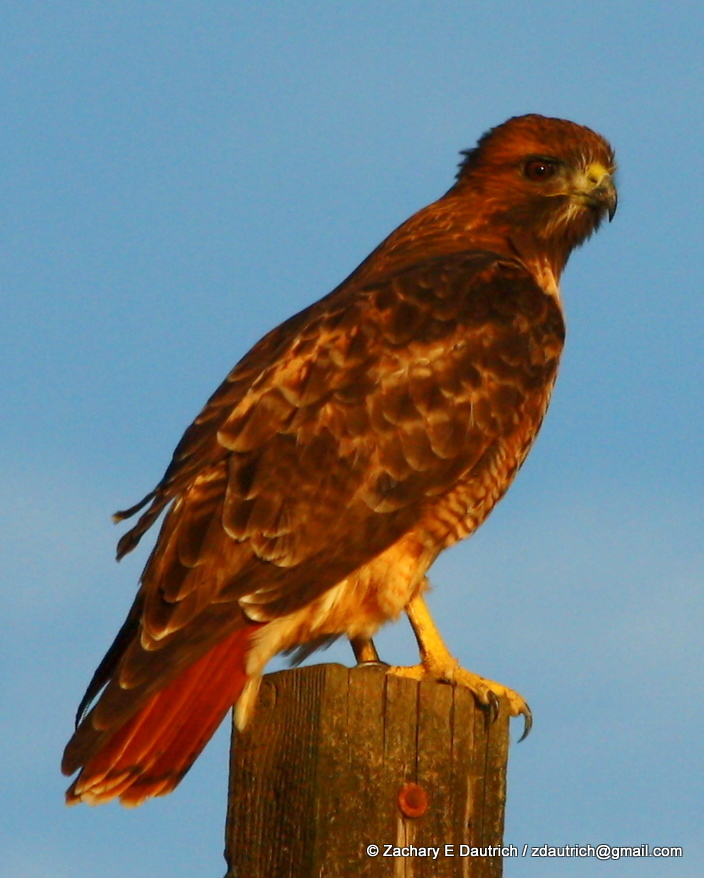
Today I was able to spend another amazing day by Jenner in Sonoma County, just above the Russian River where it flows out into the Pacific Ocean. The red-tailed hawks were not as prevalent  in the skies today, presumably due to the sustained 25 mph winds, but they were hanging out on the low posts.

red-tailed hawk jenner headlands

red-tailed hawk

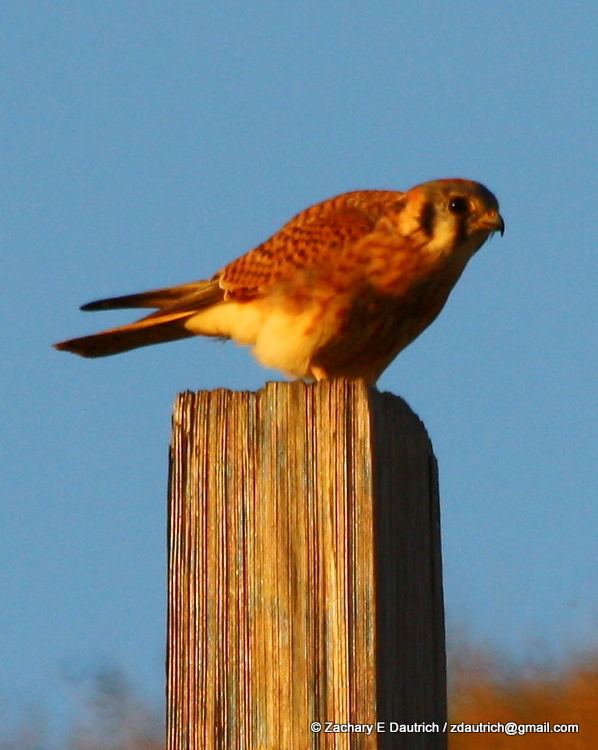
The resident red-tails were staying busy harassing ferruginous hawks which seem to have chosen this area to spend the winter, and the resident kestrels were also out in numbers.

female kestrel

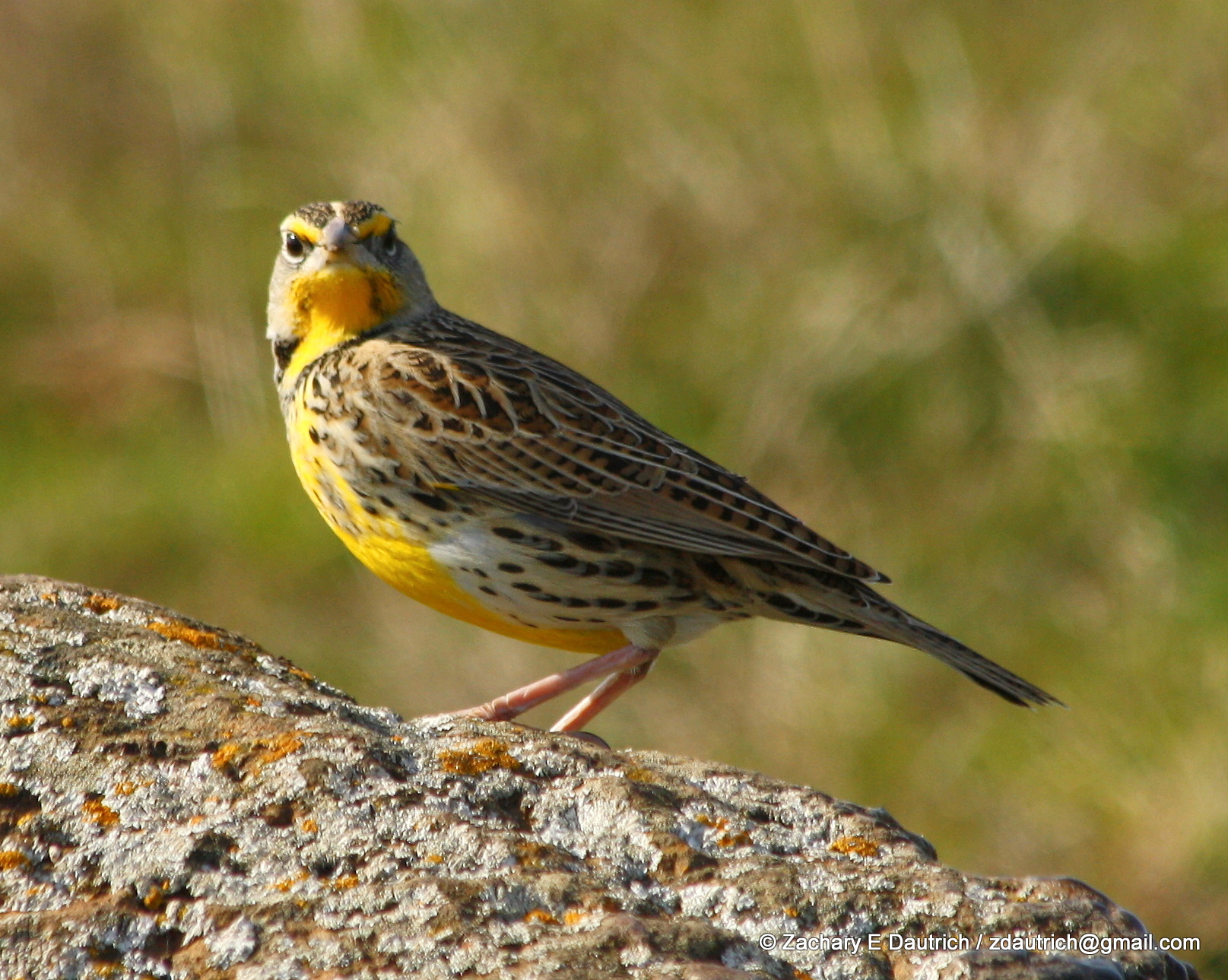
Lots of Western bluebirds, European starlings, and Western meadowlarks feeding in the grazed cattle fields along the coast …

Western meadowlark

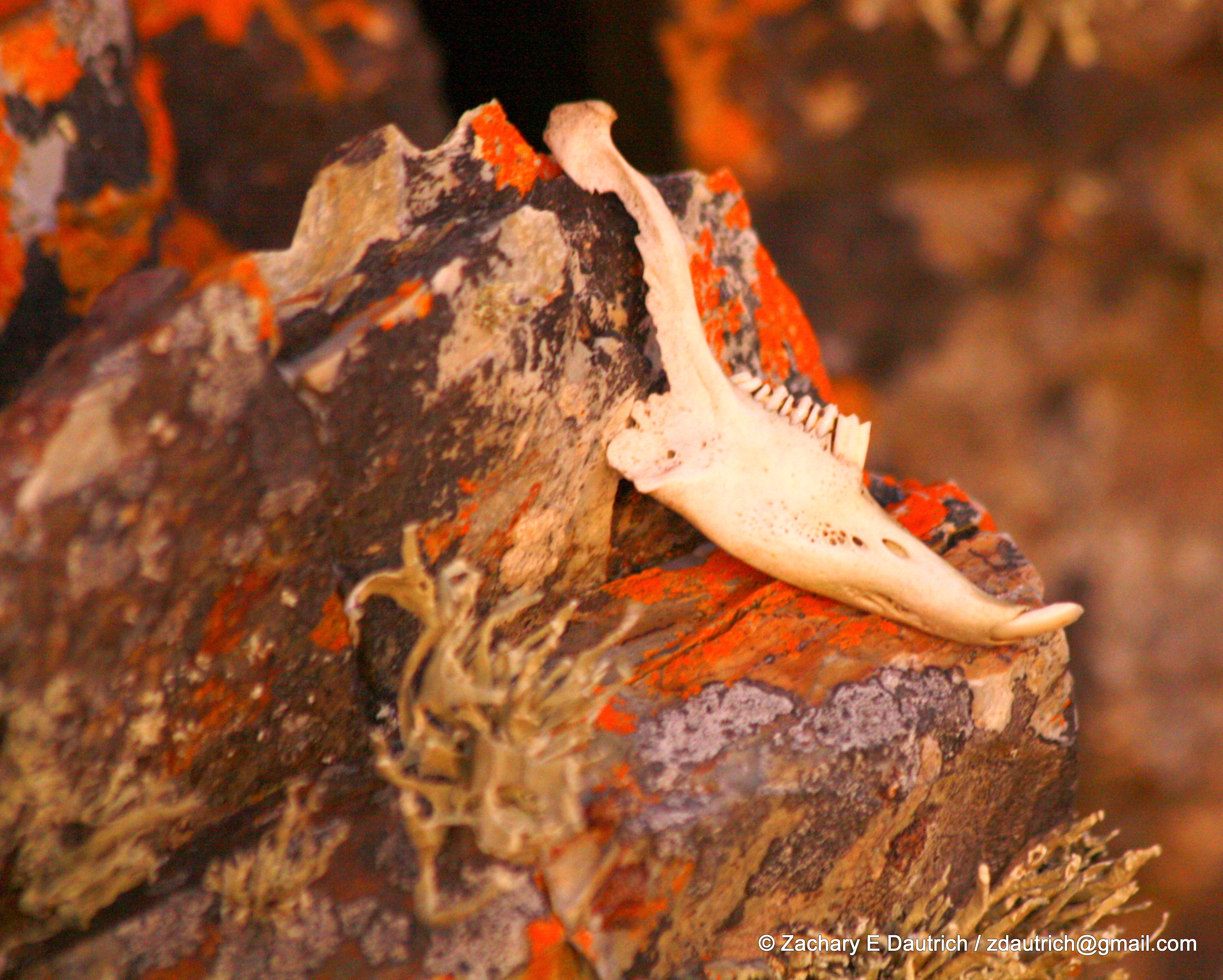
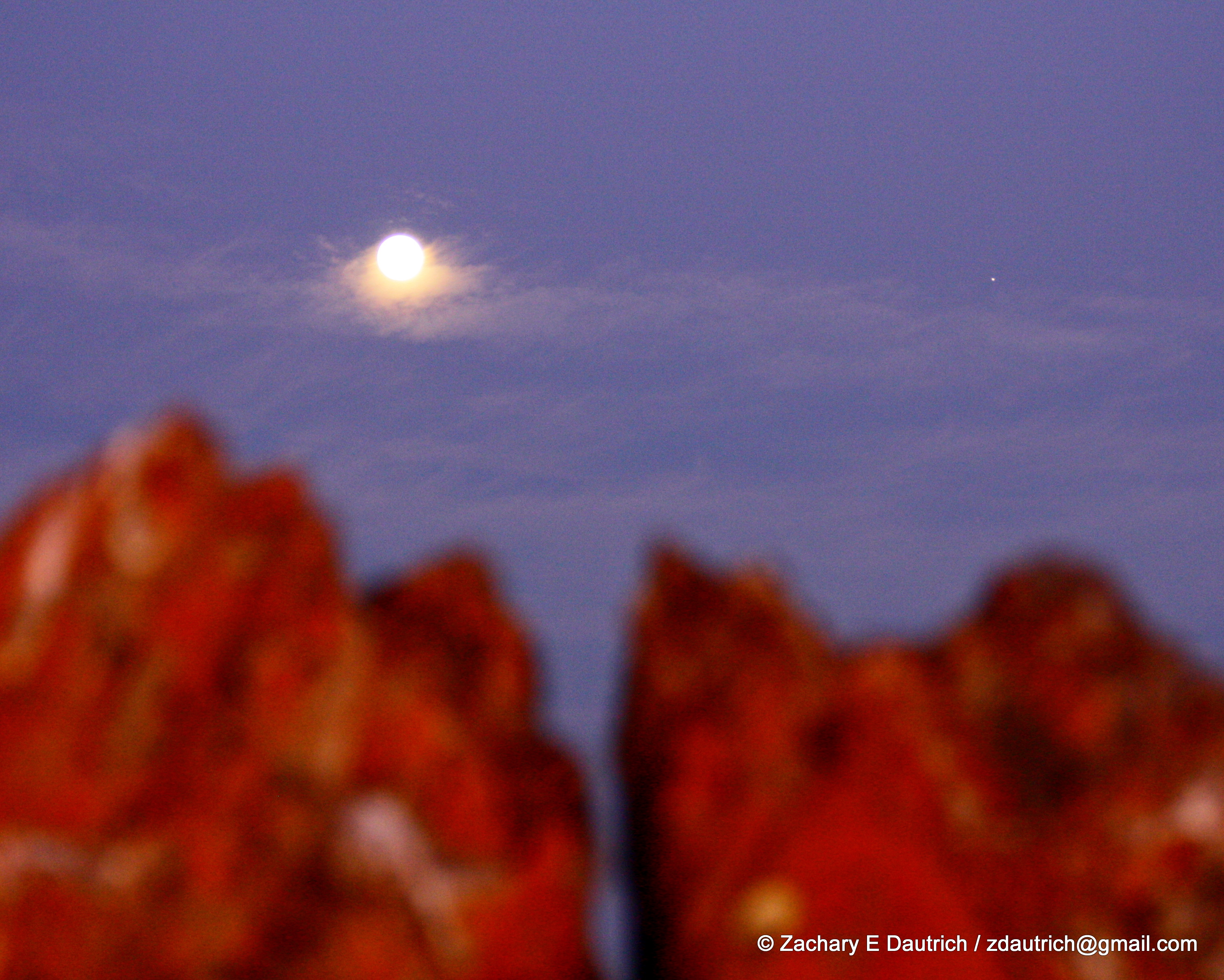
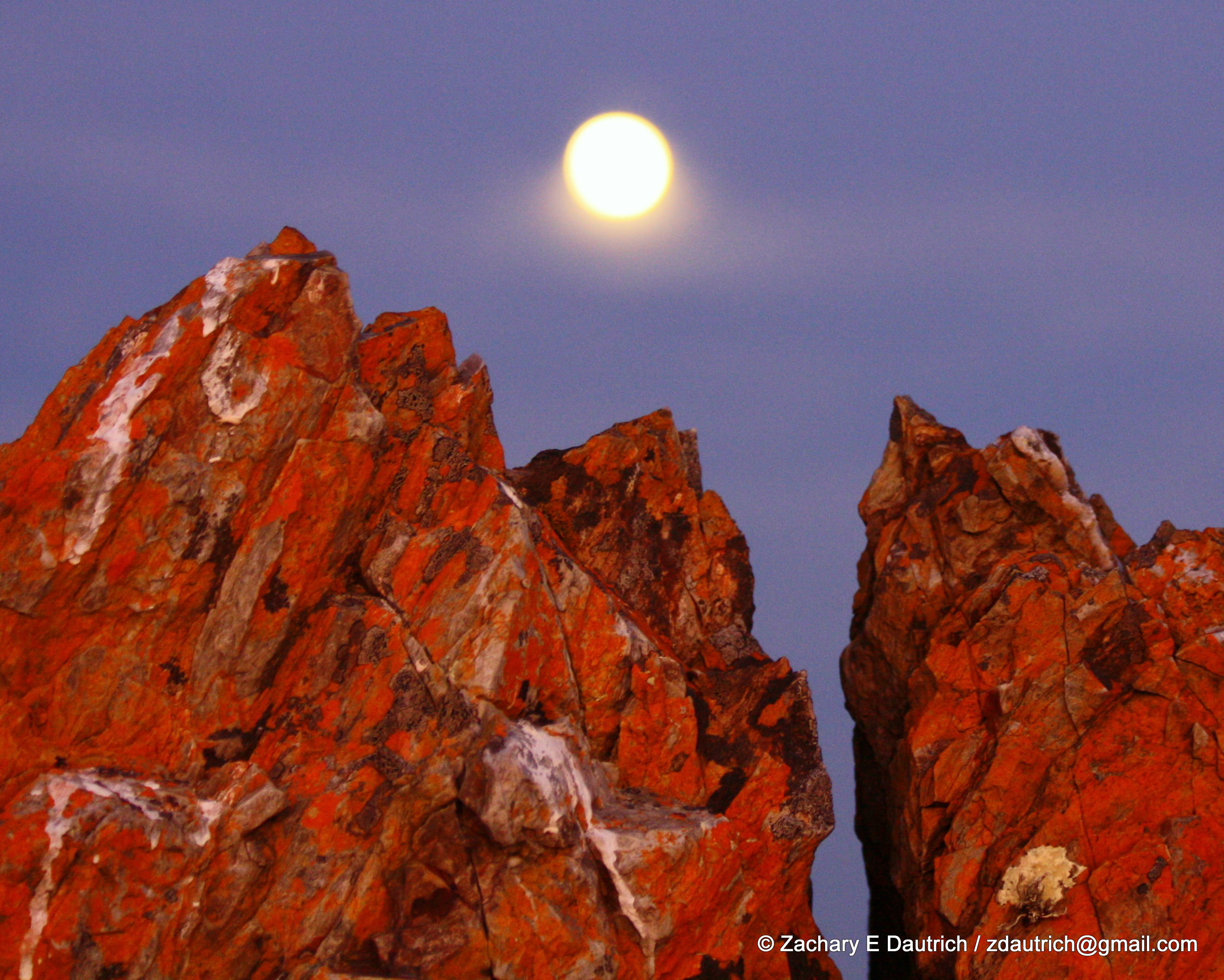
As I left my clifftop perch after an amazing sunset unobscured by fog or clouds over a very calm ocean, I walked over lichen covered rocks with the full moon and Jupiter by its side both leading my way back towards my vehicle. Within the rocks I found some left-overs from the local winged predators.

full moon and Jupiter over lichen covered rocks

king’s canyon np and sentinel 77

It has been said that John Muir enjoyed King’s Canyon above Yosemite, and I can understand why. And he felt that way even BEFORE all the humans swarm into Yosemite every summer.

I’m convinced.

King's Canyon NP - view to the East on Kings Canyon Scenic Byway

You’d think I took that shot from an airplane (except of course for my shadow!), amazingly we weren’t even up at the highest point. The road is a bit harrowing.

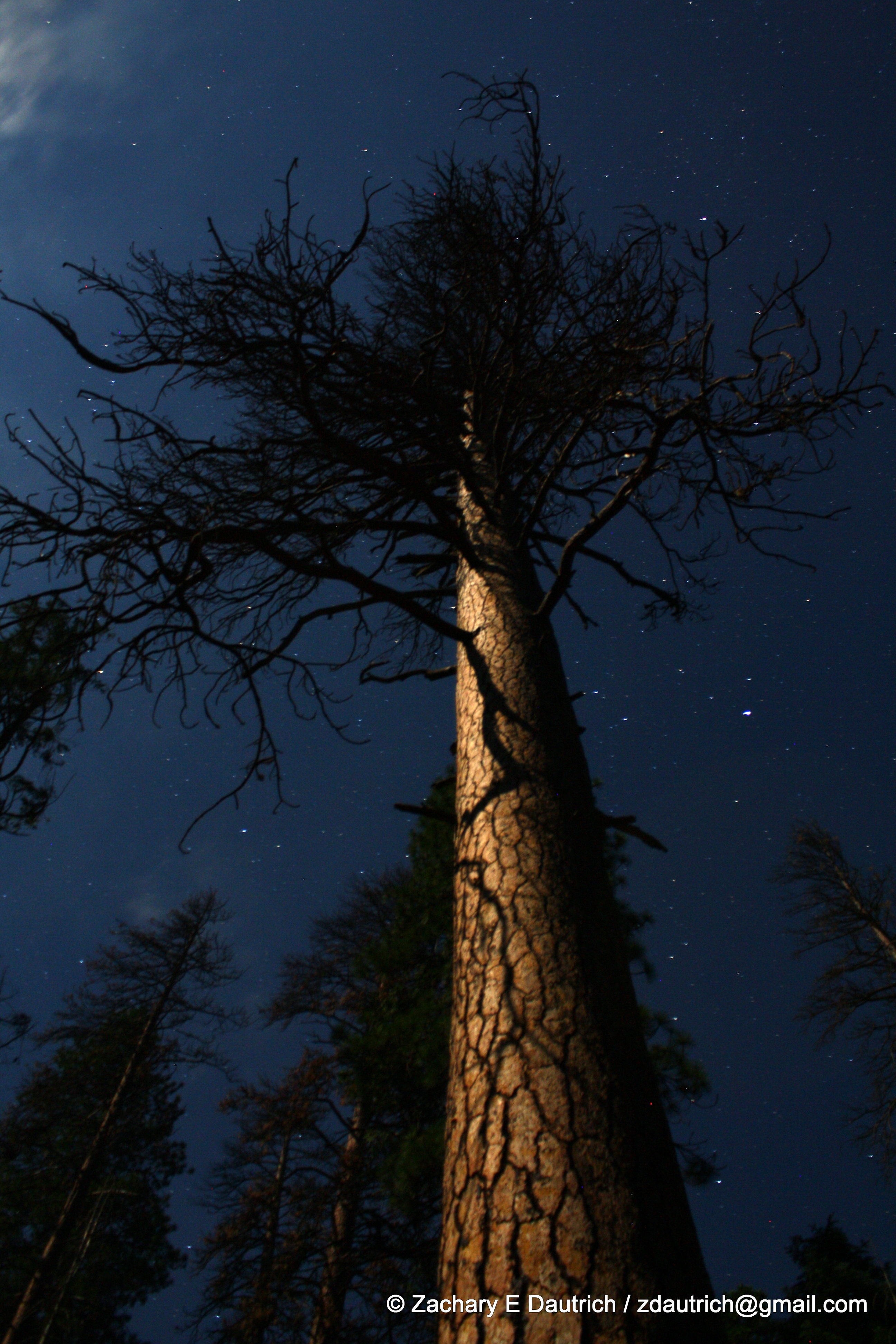
One of the best experiences was at night, right by Sentinel campground near Cedar Grove, after midnight on the night after a full moon. A large dead Jeffrey Pine stood encircled by cedars, black oaks, doug firs, and other trees – but still reigned supreme in the moonlight. It was like walking in a dream.

sentinel 77

sentinel 77

Roaring River Falls was spectacular, especially the emerald pools of water that sat below – they held many gifts.

We also managed to see the grove of giant sequoia trees called Grant Grove, home to one of the largest trees and living things on Earth – named the General Grant Tree. Time seems to slow down when walking under these giants, and you can’t help but feel transported back in time – fully expecting to see a dinosaur lurch out from behind one of these incomprehensibly large trees. Pictures can’t capture their enormity.

One last shot of sentinel 77:

tilden owls

The young owls are still hanging around at Tilden Regional Park in the hills above Berkeley, but they are starting to spread out. We caught them just at sunset as a heavy layer of fog was permeating inland.

great-horned owl perched atop pine

This young one teetered at the top of this tree on a seemingly impossibly small perch for a bird so big, begging for food from its parents in its distinctive great-horned owl voice before launching off towards the grove of trees that holds the nest and its siblings.

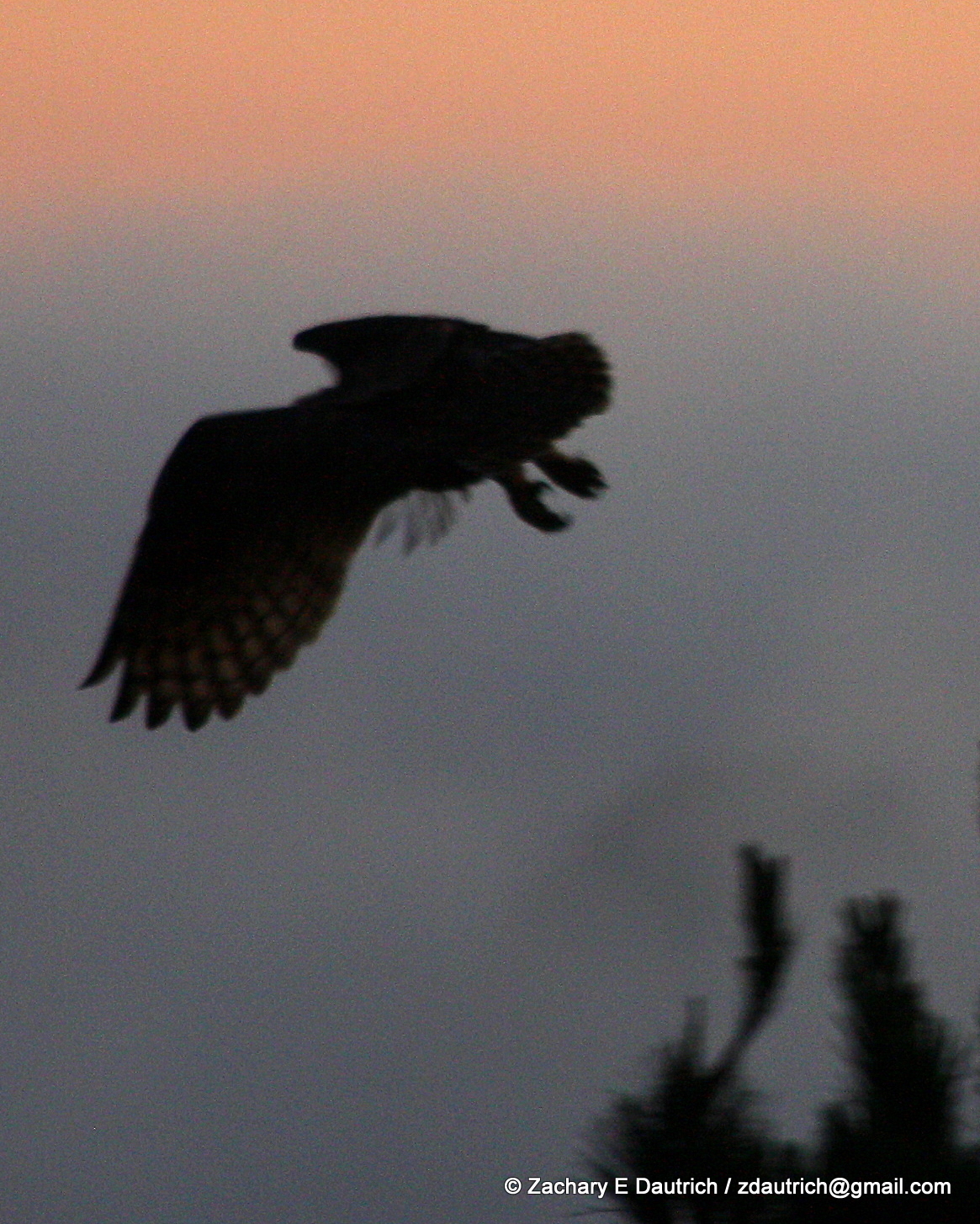
great-horned owl take-off

crater lake

Wizard Island in Crater Lake, volcano in a volcano

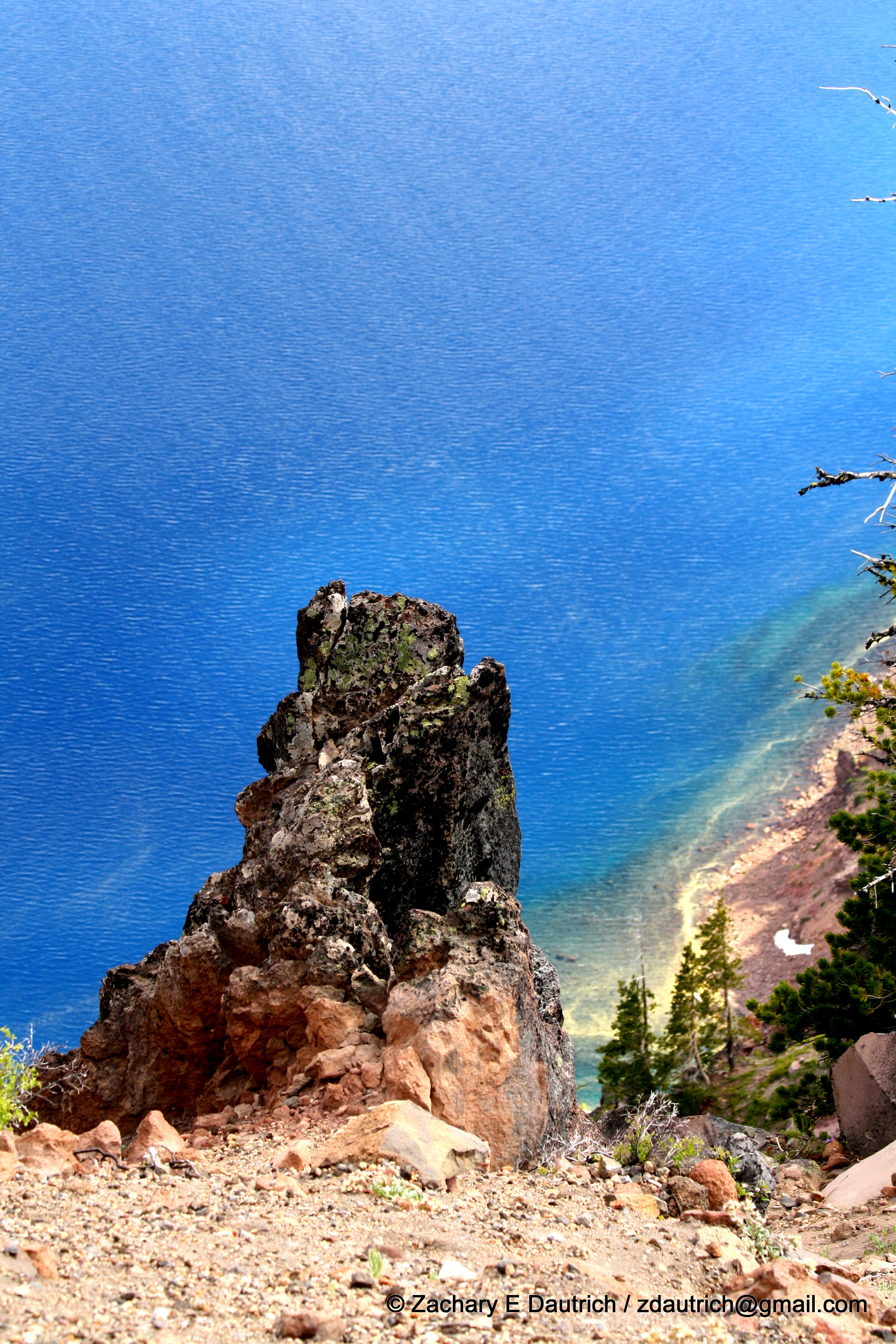
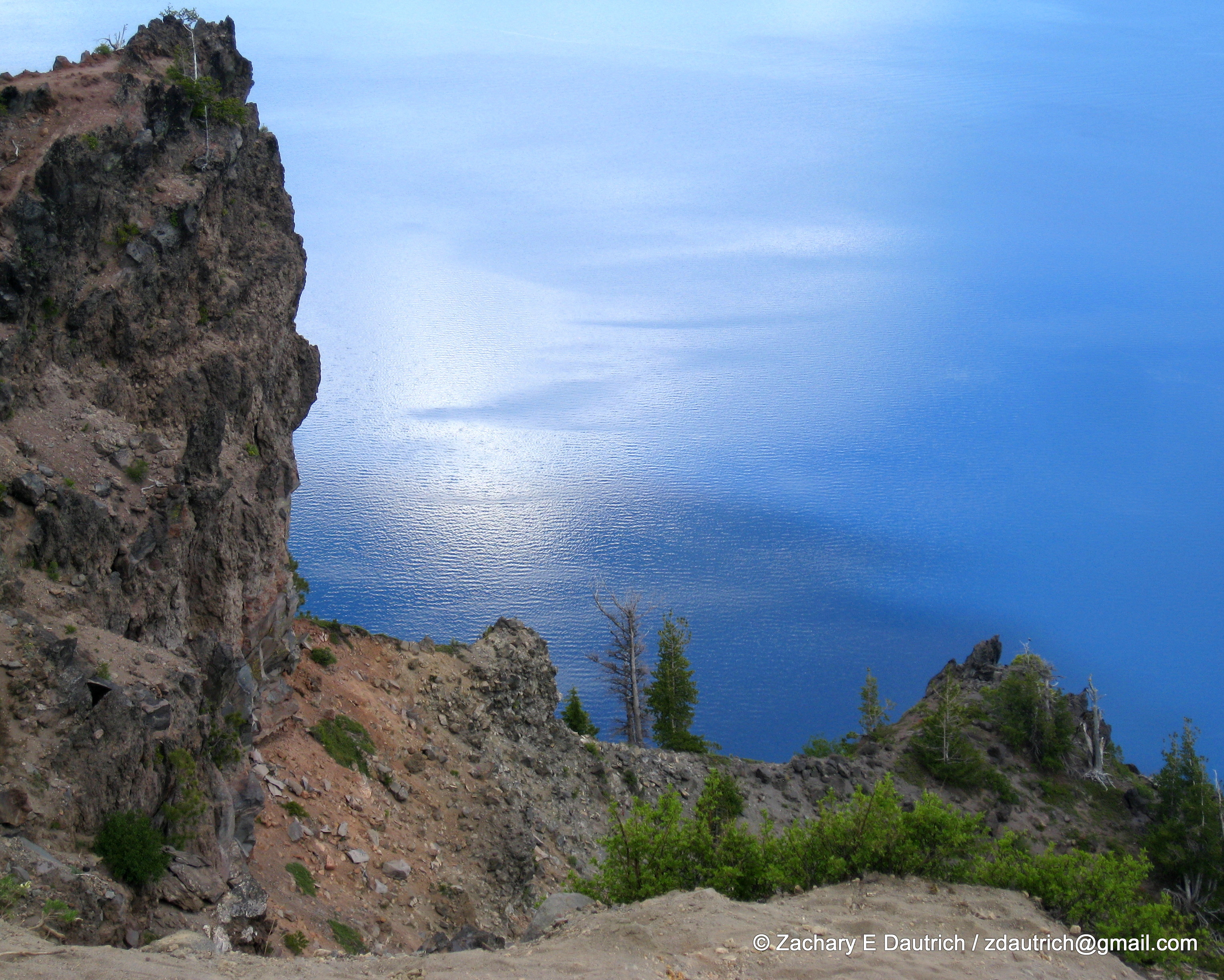
It is completely understandable that Natives who lived, and live, around this magical place restricted who could view the lake, a body of water that fills the cavity left behind by the catastrophic volcanic explosion, then collapse, of Mount Mazama. Staring into this giant cauldron that holds one of the ten deepest lakes of the world, from nearly vertical cliffs 1000 feet above the surface that seem to want to pull you down into the water, one is simply mesmerized. In a slightly uncomfortable way, feeling strange emotions arise seemingly unwarranted and unexplained. Some spawned from the beauty and magnitude of the place, some from the left-over energy that exists after something so cataclysmic happened, even if it was just almost 8000 years ago. There was a feeling of uneasiness I felt there. How could the land NOT retain an energetic imprint left-over from what had occurred there?

The water is a deep but vibrant blue, but it is CONSTANTLY changing, sometimes appearing purple, white, orange, yellow. It reflects the sky above in its clean, pure, and clear waters – perhaps it is reflecting more than we know.

view from East rim of Crater Lake

view of Crater Lake from the South Rim

view from South Rim at Crater Lake

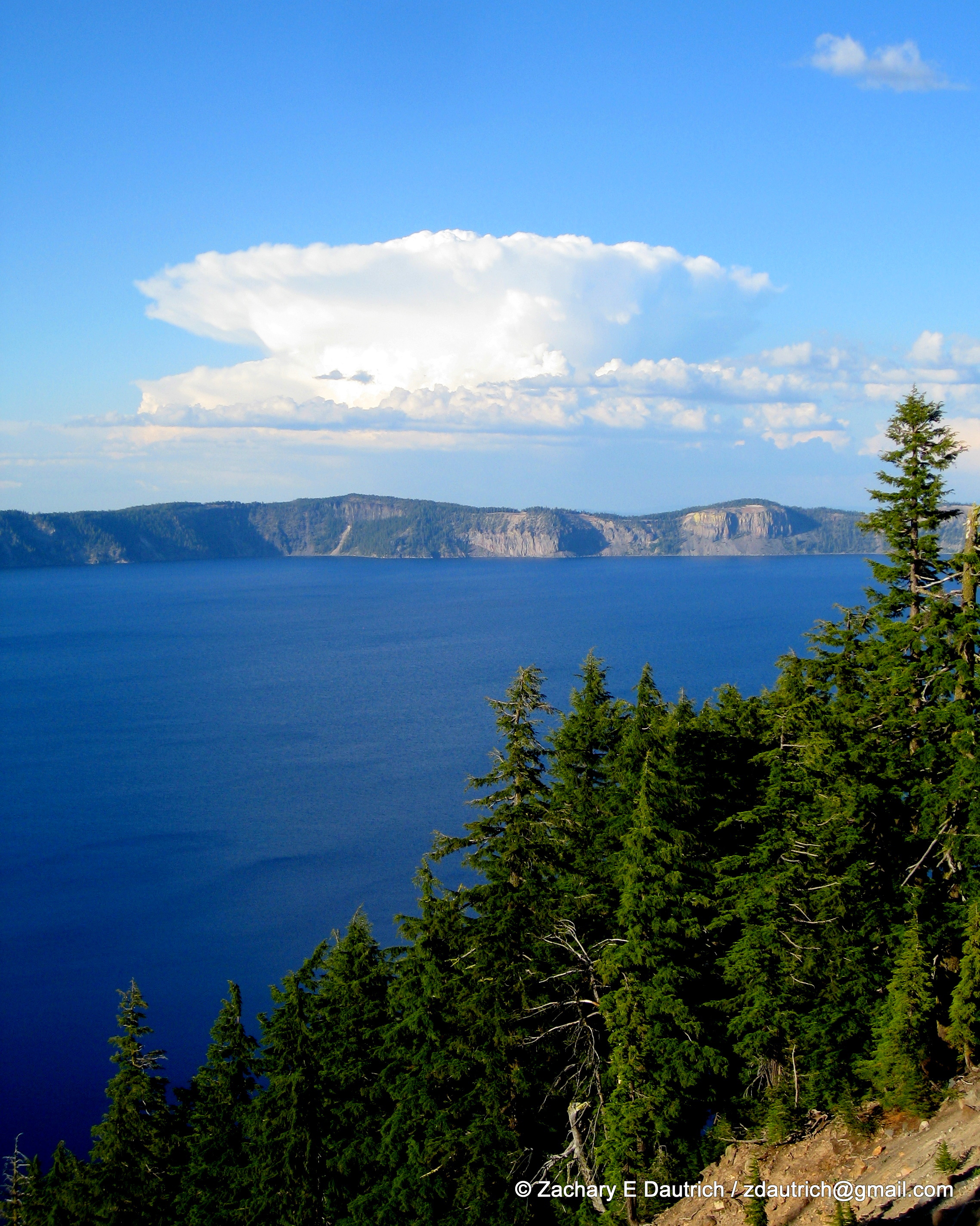
At its maximum the lake is six miles across. It is unreal to look at the edges of the rim of the original mountain that surround the lake at an average of 7000 or 8000 feet above sea level, and realize that you are peering into the center of what had once been a giant volcano which stood over 14,000 feet above sea level. It’s unfathomable that a piece of rock could disappear, or relocate, so quickly. You can see the profile of where the mountain would have once stood – yet, there before you is this emptiness. As I was leaving, there was a curious cloud formation that formed above the lake at what could be imagined to be where the peak once stood – it looked like a volcanic plume of ash, exploding and rising high into the sky above. Unforgettable.

mimic volcanic eruption in the clouds above Crater Lake

faux sky Crater Lake

magic / Crater Lake

above Crater Lake, West Rim

Wizard Island in Crater Lake

into the land of the volcanoes

Wow. Volcanoes, pumas, ospreys, red-tails and eagles – I don’t think it gets much better. Words and pictures really can’t capture the landscape and experiences on my recent trip up through Northern California, central Oregon, and central Washington. But I’ll give it a try.

On the northbound drive on I-5 just before we veered off on US Route 97, Mount Shasta greeted us in the last bit of light from the day with a peek at its snowy peak , denoting the end of the dry, hot Central Valley of California, welcoming us up into the cooler mountainous high desert lands and giving us just a glimpse of what was to come. The land of the  volcanoes on the eastern side of the Pacific Ring of Fire, known as the Cascade Volcanic Arc.

Mount Shasta (pic from return trip)

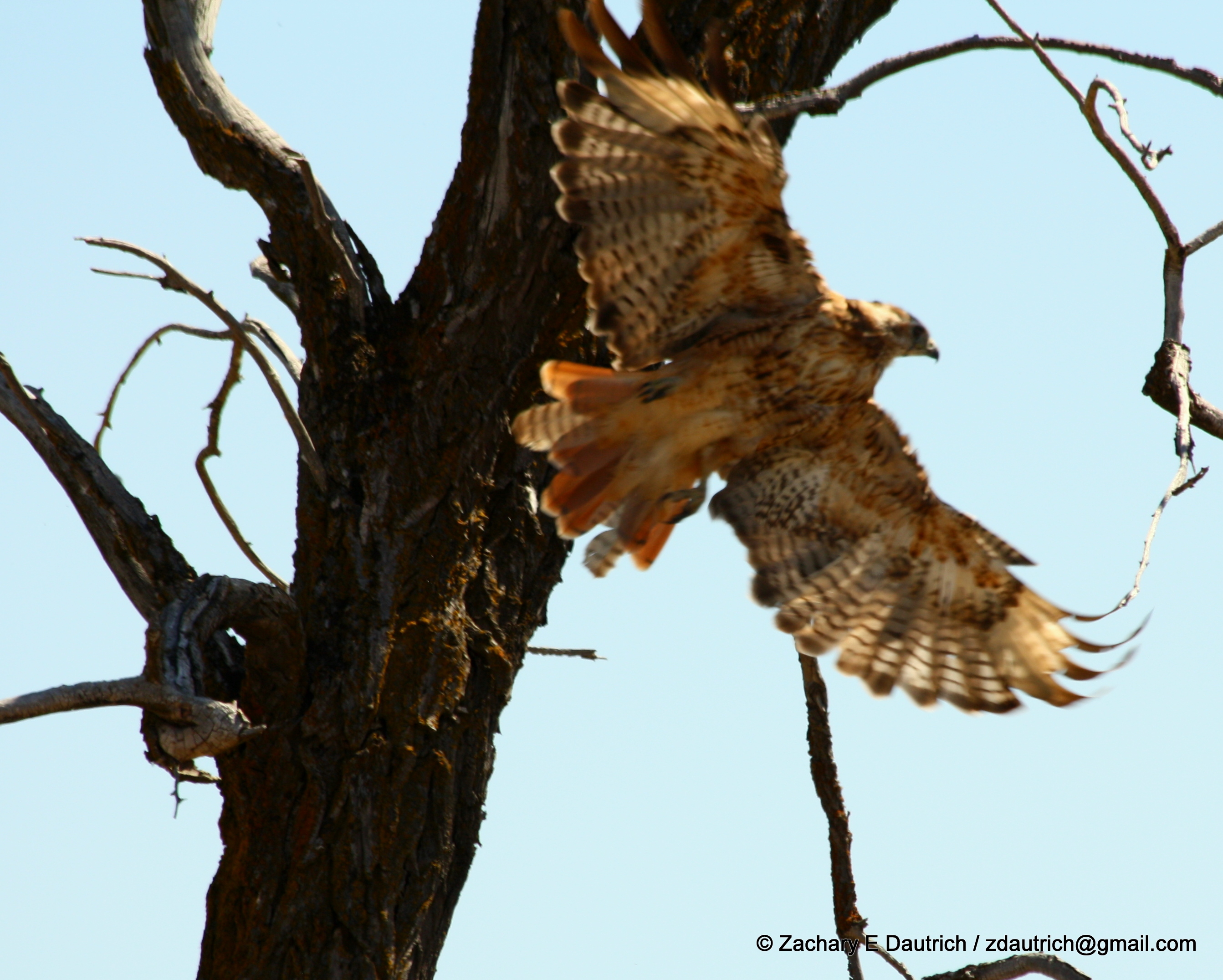
high desert red-tailed hawk

I saw some familiar friends along the way – in the flat, dry scrubland scape of Oregon’s high desert, perched on a lone tree, was a red-tailed hawk dressed in some unique plumage. At first I thought its head was bald, but then realized that it was just a very light color. Perhaps the sun exposure in the high altitude desert caused this coloration, perhaps it was partially due to its molting feathers. It’s eyes were a brilliant orange color, and it’s body feathers had brownish-orange spots woven into its back. It seemed like I was dreaming to watch this beautiful creature, as its shape and color seemed to shift with each movement it made.

The Columbia River Gorge in WA is a long winding monumental cut in the high desert landscape, a drastic change to the relatively flat and dry land that extends as far as the eye can see.

Columbia River Gorge near Vantage, WA

After cooling off with a swim in the river, a bald eagle soured overhead with a fresh catch in its talons. It spiraled up towards the sun until I couldn’t see it.

bald eagle by Columbia River near Vantage, WA

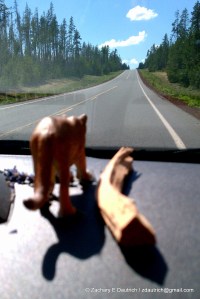
It turned out to be one of three bald eagles that I saw on the trip, the last one being a first year juvenile bald eagle by Mt Shasta on the return trip. There were more red-tailed hawks than I could count, and many many osprey nests as well. Passing through Klamath Basin, one of the premier birding spots in the Western US, we saw large numbers of birds including white pelicans, always a treat. I also saw my first nighthawk in Tumalo State Park, near Bend, OR, flitting above my campground on night three as the sun set – just after finding what appeared to be a mountain lion track not far from the campsite. Ironic because we had mounted on our dashboard our version of the “dashboard Jesus,” our official trip Protector and Guide – a mountain lion!

front right puma track??!! by Tumalo State Park        

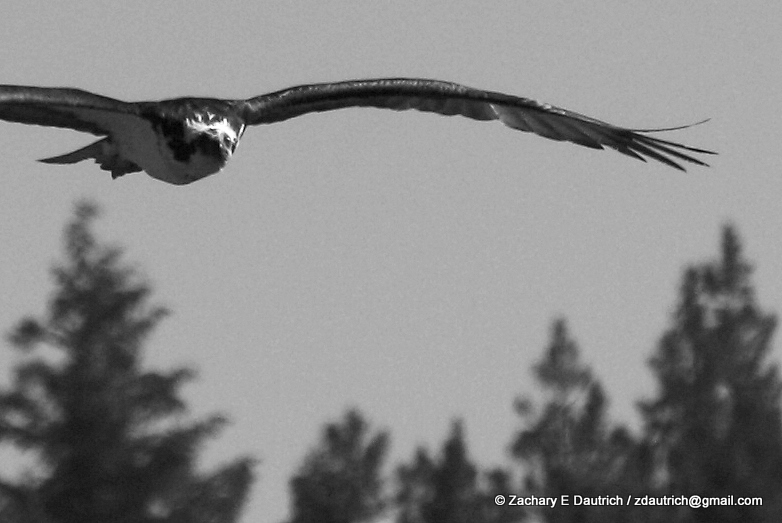
We seemed to find osprey nests everywhere in Klamath Basin around the lakes, and one morning we were treated to quite a show.

osprey and baby at nest in Klamath Basin

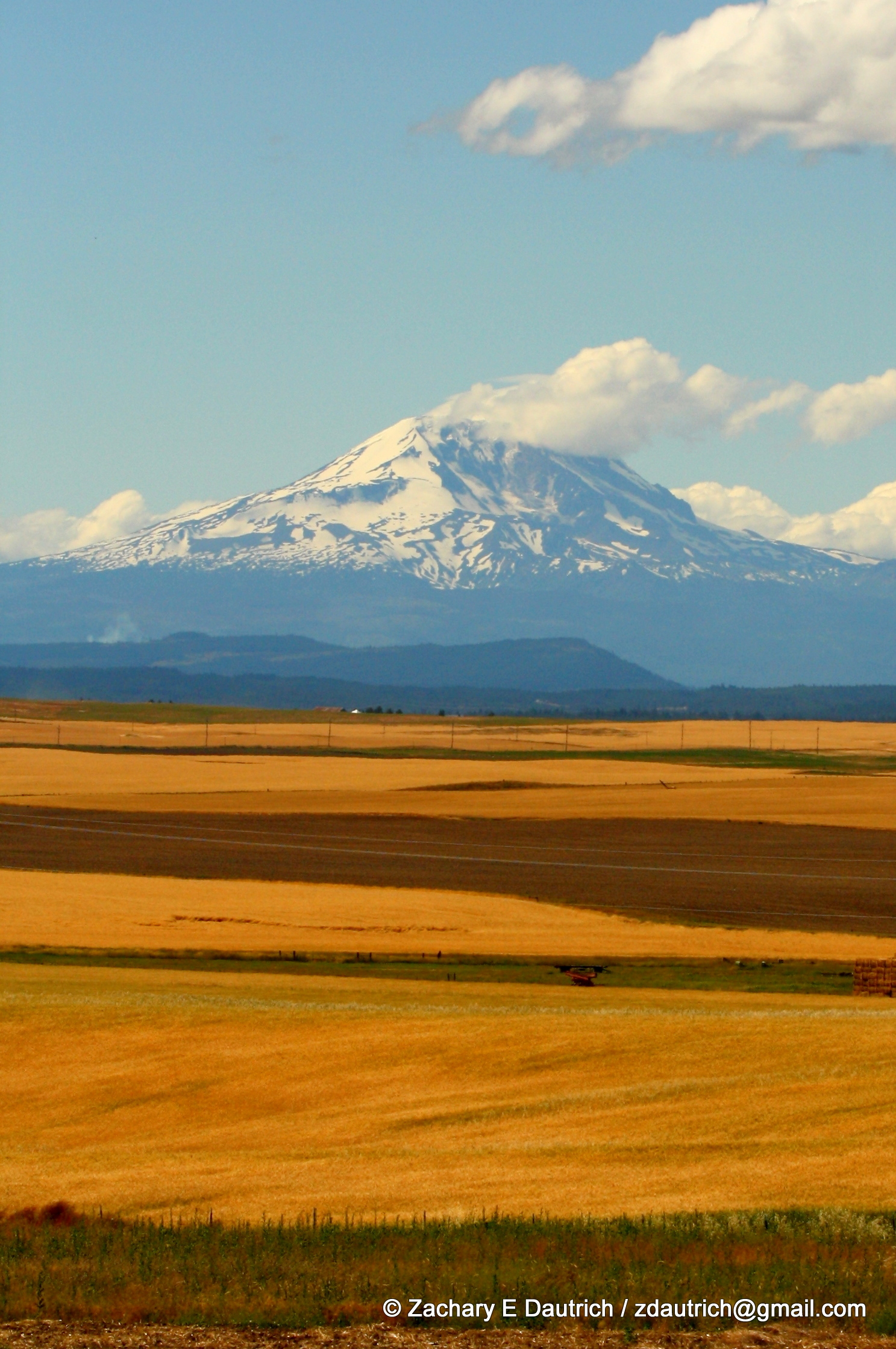
Except for a western detour around Mt Shasta, all the other visible volcanoes were constant companions in our view to the West. One would come into view as we drove north, then slowly make its way around and behind us over a period of hours as we traveled at 70 or 80 mph. Most of these volcanoes are over 14,000 feet. You could feel their life as they stood like sentries over the landscape that they’ve helped to shape over millennium.

Mount Adams in WA

Then there is Crater Lake, located in Oregon at Crater Lake National Park … and it deserves an entry all to itself.

vole baby vole (and more owl pics)

How many times does a man just “happen” upon baby voles in his path? Well, evidently at least twice – for some.

A few years ago I came upon some baby voles at Lake Sonoma on a trail as I was paused watching the sunset. I heard them first – their tiny, barely audible squeaks were undeniably the sounds of young animals begging, and I eventually found them on the hillside behind me. After watching them for a bit, I left them and walked for a while, thinking their mother would return to satiate their cries with her milk. But as I came back to the spot, they were still crying – so I made a nest for them to shelter them from the cold and from the obvious view of predators, and gave them a blessing to find their mother and survive the night. The next morning, not able to accept the unknown outcome, I returned to the lake – one had survived, but it was obvious that the mother was not returning (probably it had been eaten), so I took the remaining baby and brought it to the visitor’s center at the lake for them to take to wildlife rehab.

Most people don’t even know what a vole is (it’s a small rodent that looks similar to a field mouse, a very important part of the food chain in healthy ecosystems in many parts of the world). They tend to be a large part of the menu for many animals in this area including coyotes, bobcats, hawks, owls, foxes, snakes and more.

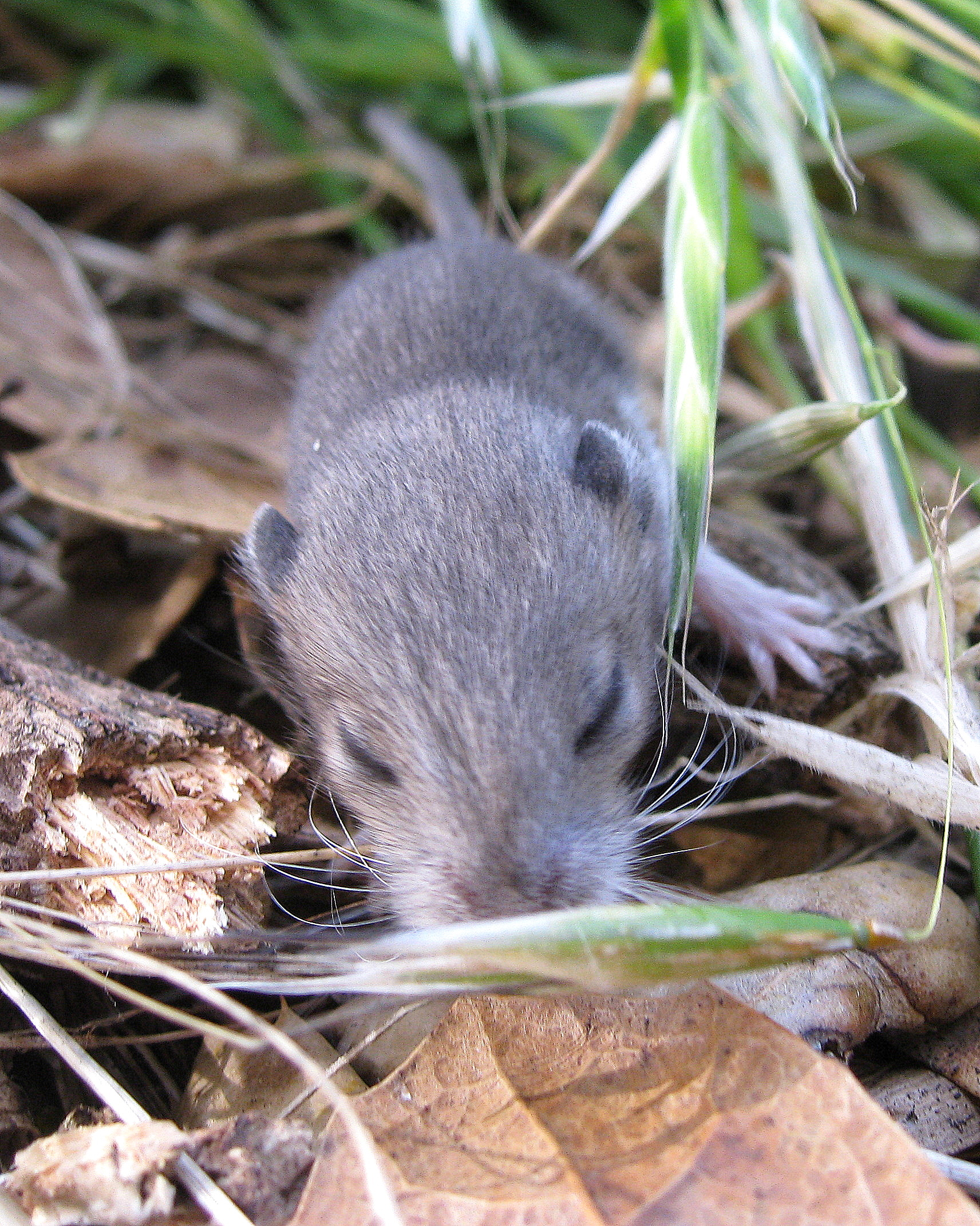
Sunday night we walked up to a trail head at Tilden Regional Park and came upon two people that were standing over a baby vole that they had just found on the heavily used path.  It looked healthy but its eyes were not yet open, so I decided it was best to move it off the asphalt surface which was used by many bikers, walkers, runners and dogs. I was hoping the mother was still around (i.e. not a meal yet) and would find it if we put it back in the grasses by the trail.
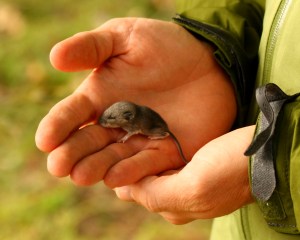
vole baby #1

As I scouted for signs of the nest or a good place to put it, we heard another one making soft squeaking noises a few feet away, also on the asphalt, so I grabbed that one too. It was even smaller and also still had unopened eyes.
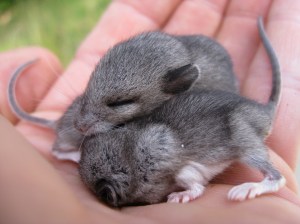
 

2 baby voles


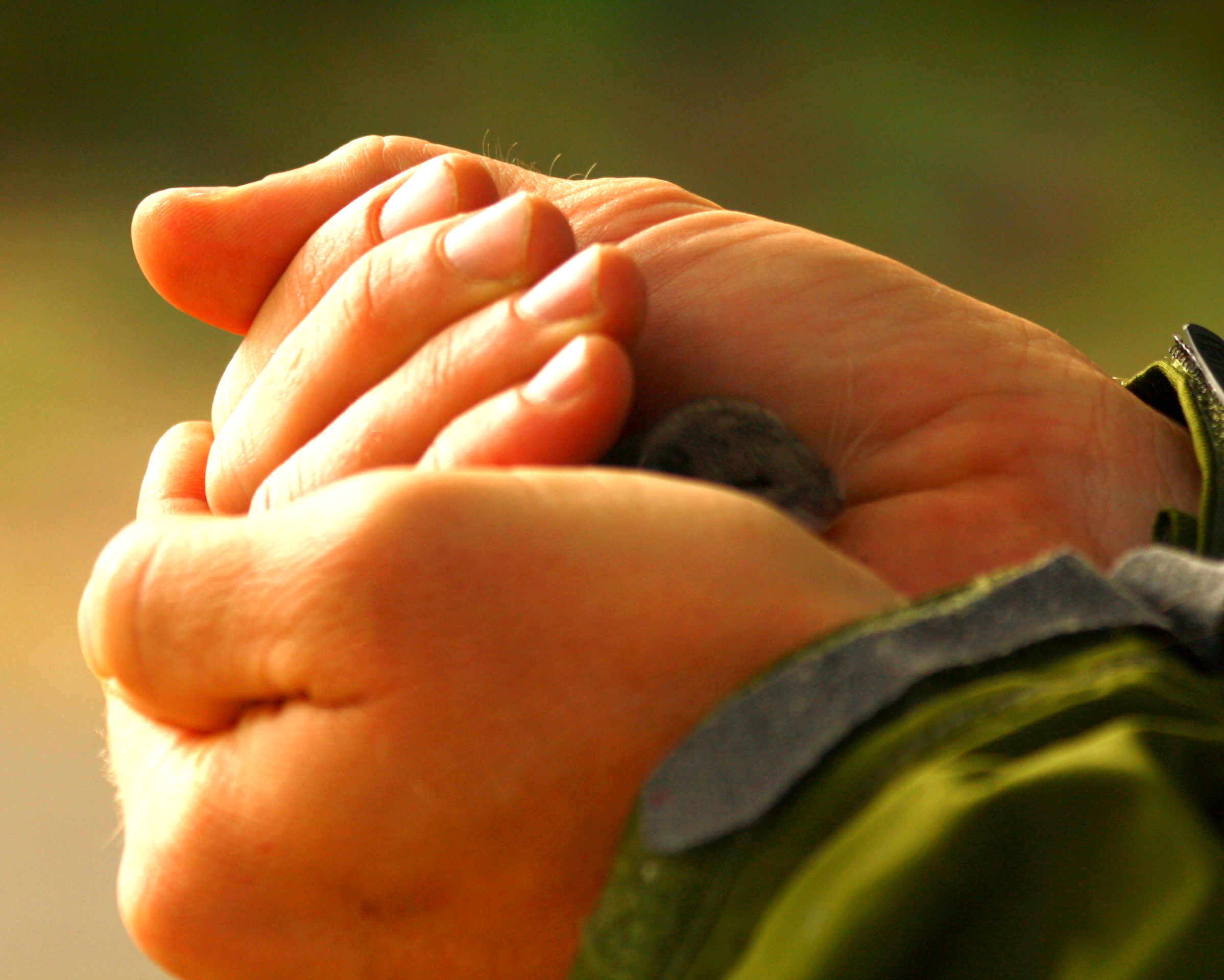
We decided to survey for any more, and within a minute or so we found a third one in the grass by the trail! At this point I had a handful of voles, and was a bit confused with exactly what to do with them. We WERE going to see the owls … hmmm. Owl offering?
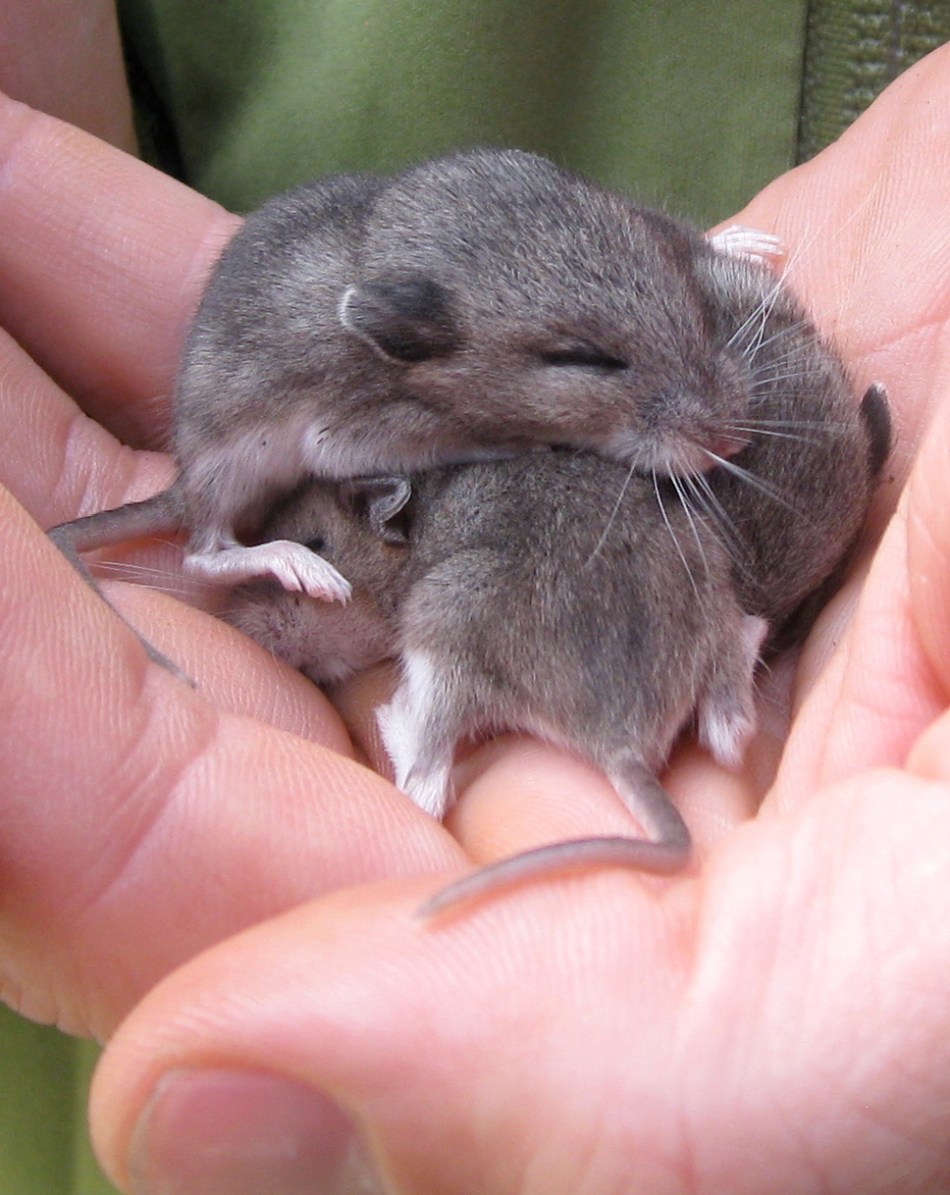
3 baby voles

I joke, I joke.

We wouldn’t give them to the owls.

WE ate them.

Actually, we decided to get them a little distance off the heavily used path, but not too far so that if their mother returned she could find them. Since their eyes were still not opened, they were probably not weaned yet and would need their mother for food. We hiked for a while and when we returned after dark, there was no sign of them. I tend to be of the opinion that it is better to hope their mother returned to feed them, and if not, that the natural way is a better fate for them – survival or not – than the shock of being toted somewhere in a car to try to be rehab’d. Good luck little voles.

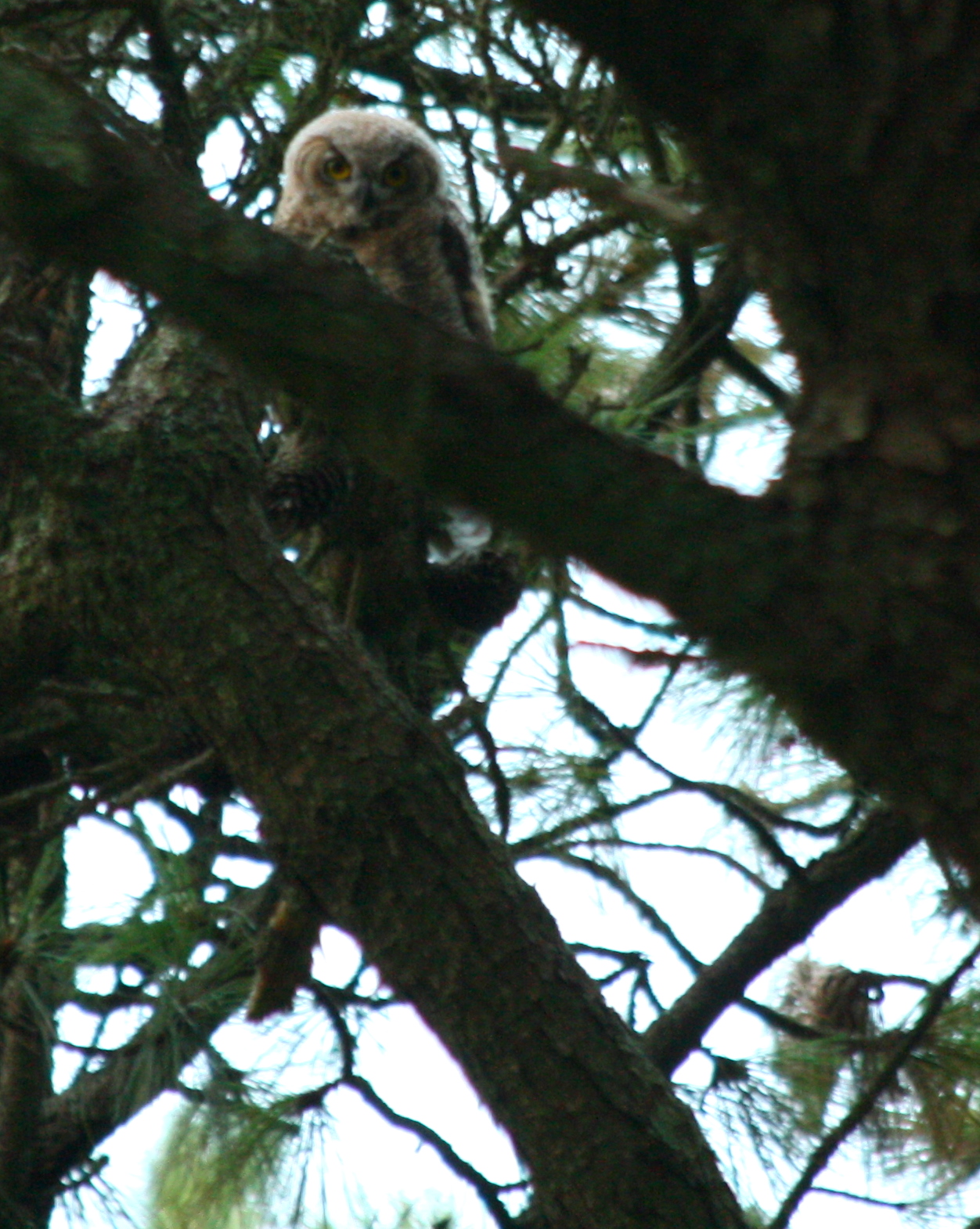
But the night was not over. It was to the voles’ eternal partner that we went, the great-horned owl family that we’ve been following. On this evening we were able to position ourselves in a good spot by the trees frequented by the two or three fledglings, and as the darkness cascaded down around us in the grove of trees, the young ones began their loud begging in the trees around us.
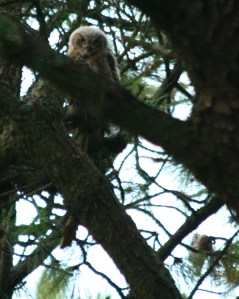
great-horned owl fledgling 1


We could feel the energy of the young night creatures as we took our positions in the blackberry and poison oak underbrush under the pine trees that they call home. They had some inquisitive looks for us before they made their way off to harass their parents for their next meal.
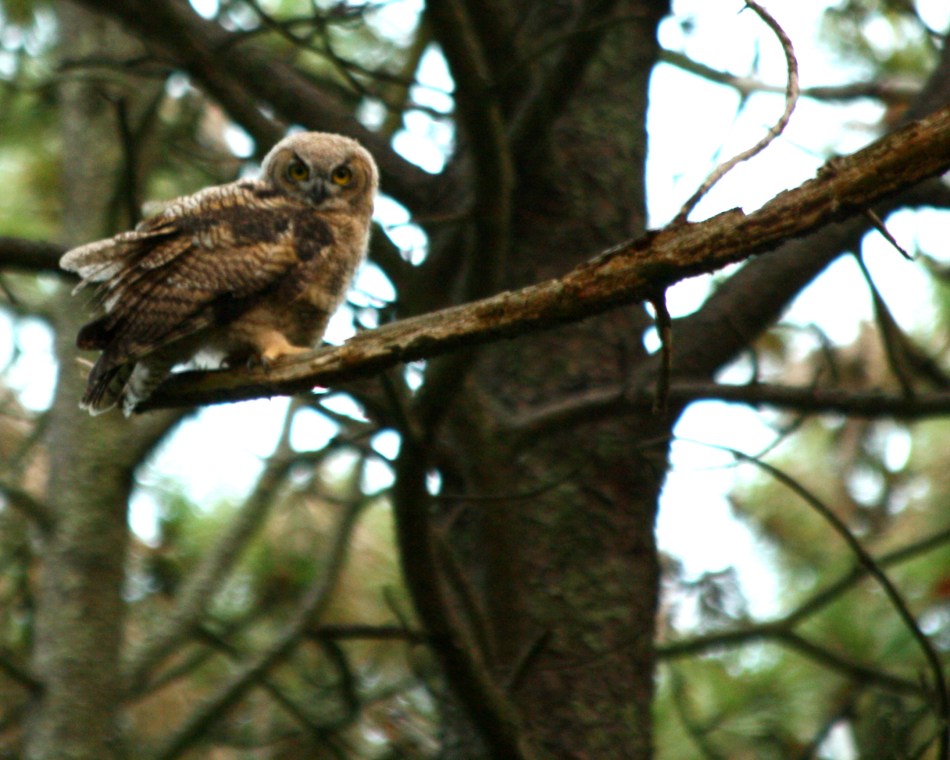
 

great-horned owl fledgling 2

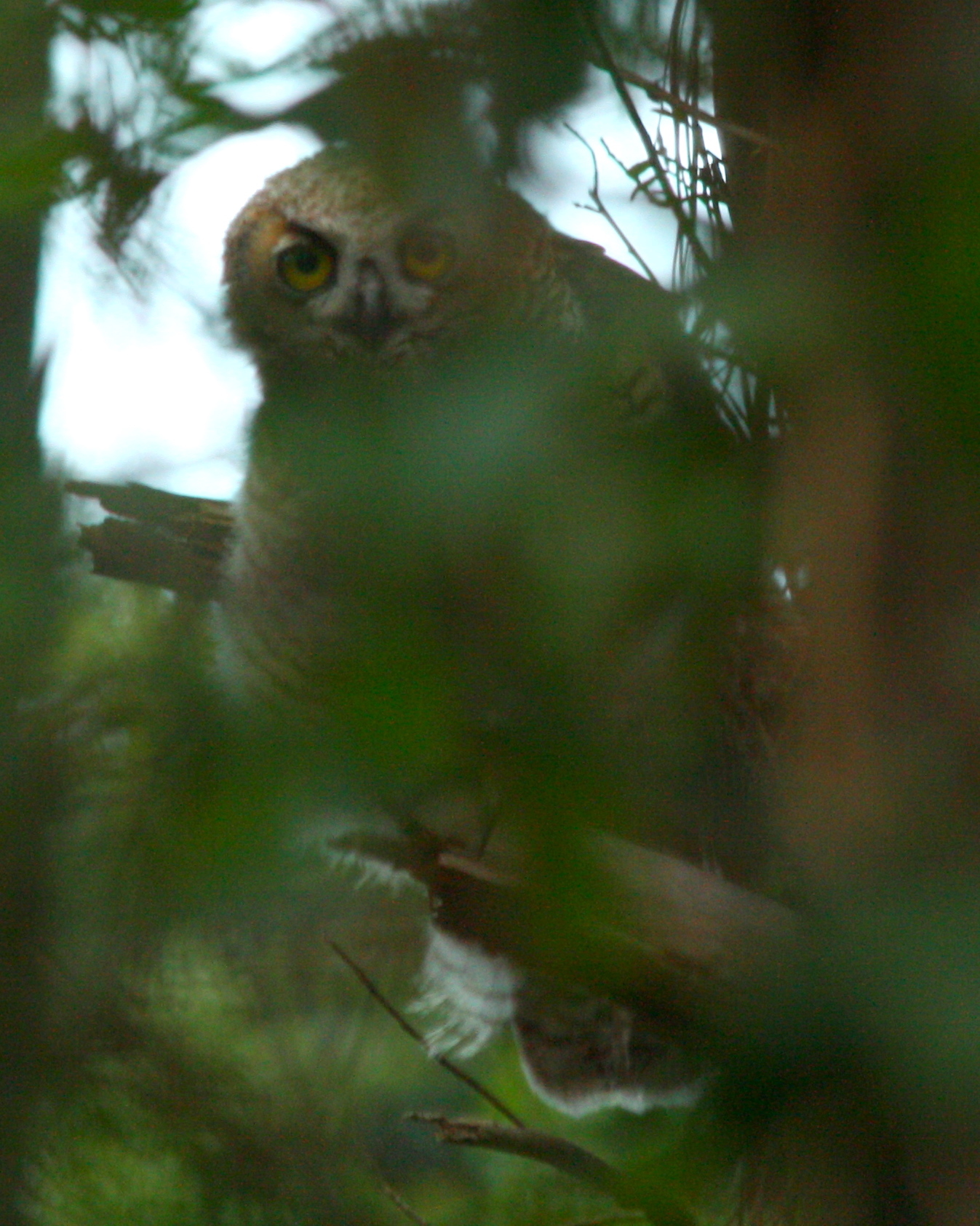
There was one that seemed to be calling just on the other side of a tree that I was standing behind. I maneuvered into blackberry bush to my left just enough so that I could get a look around the tree that was five feet in front of me. Lo! (I needed to use the term “lo” someday) There in the next tree, about 10 feet past the one I was peering around, was one of the fledglings at just above eye level.
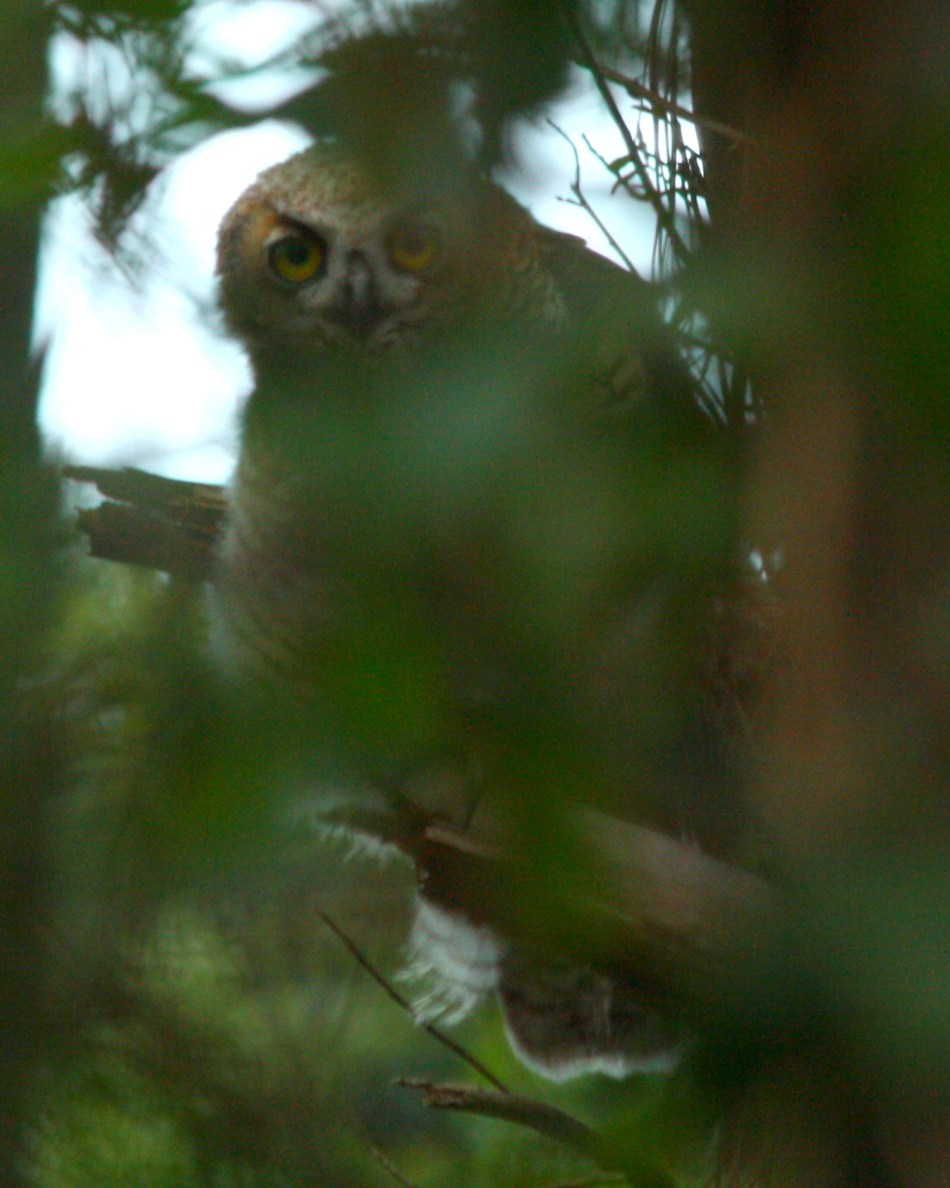
great-horned owl fledgling 3

An amazing gift to be in the presence of these magnificent birds.

During our hikes earlier we also had some visits from our friends, the red-tails – not far from the owl grove, south in a eucalyptus covered hilltop, a red-tailed hawk family finished their hunting for the day.
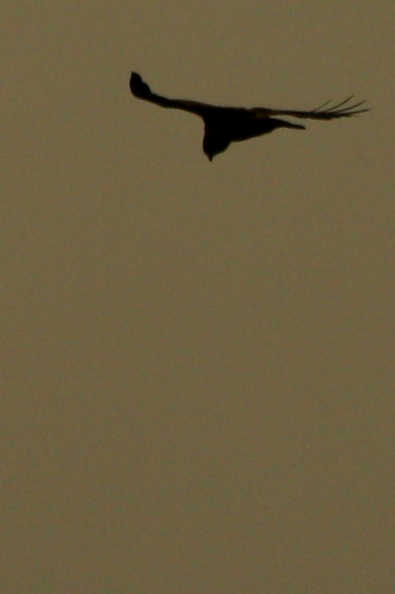
red-tailed hawk hunting at sunset
owl grove

The past year I’ve had a lot of intense experiences with owls, and it seems the owl and baby bird sightings continue. In the form of owl babies. Tilden Regional Park in the mountains above Berkeley is an easy place to get away from the sensory overload of city life, it’s close-by and a wonderful place to immerse yourself in a natural landscape. And it has an amazing variety of plants, birds and other wildlife. At one particular spot, on different occasions, we’ve spotted great-horned owls, barn owls, Western screech owls, and Northern saw-whet owls. But in the Spring, this particular spot became the sole domain of a great-horned owl family. After a few nights in a row of seeing and hearing them, I decided to do an early morning expedition to try to get some better light for photographs.

adult great-horned owl just after dawn

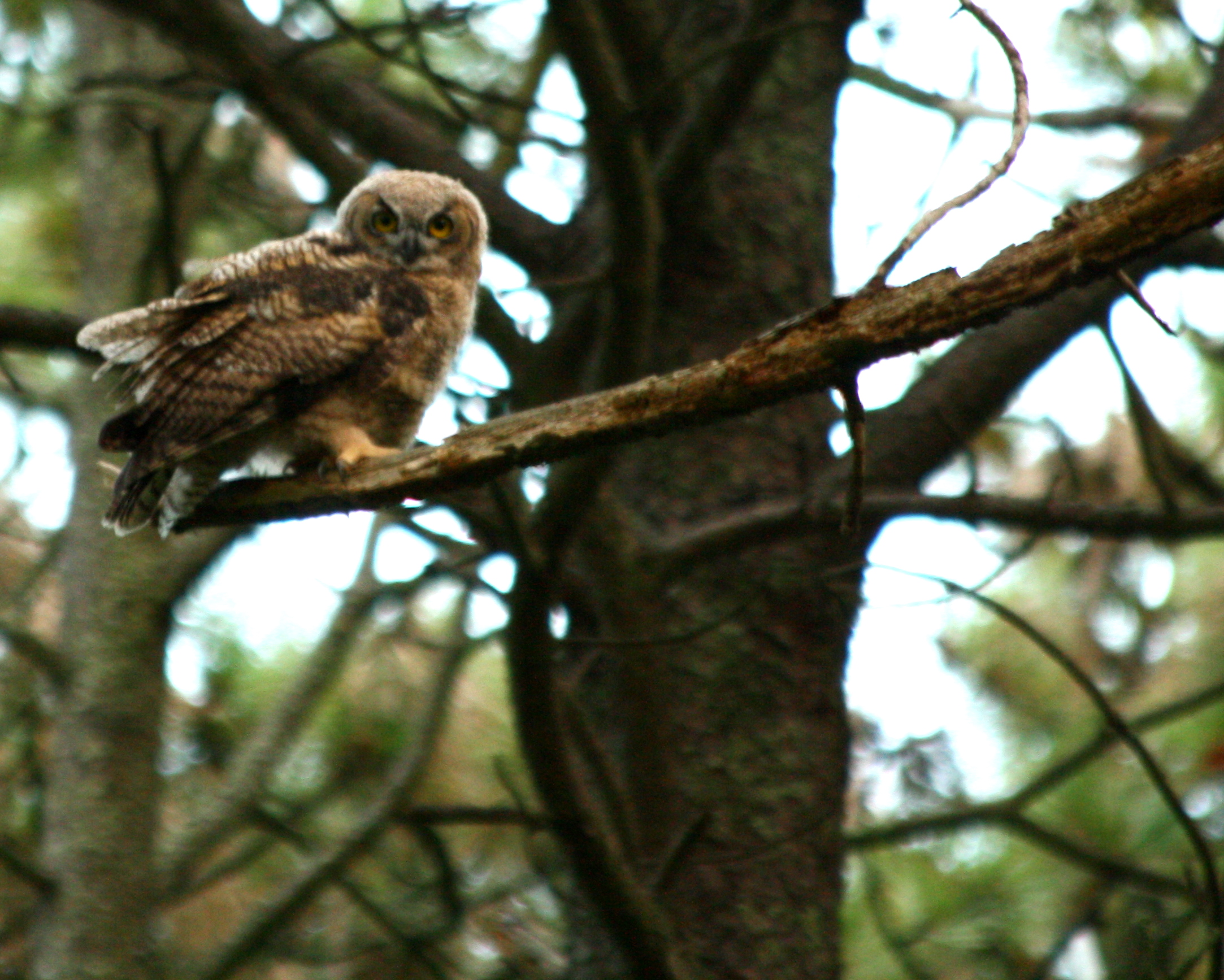
During the end of winter when we walked up here, we could hear the hooting calls echo through the cavern-like pine trees at the top of the wind and fog buffeted hilltop. These sounds have now been replaced by the screeching, begging calls of juvenile great-horned owls, evidence of a successful nesting season – and a non-stop prodding of the parents to keep filling their hungry bellies. The parents are busy from just after sunset until after dawn each day making sure the young ones get fed, and based on their incessant calling, it seems their job is never done. There are at least two fledglings, possibly a third. In the fading (or dawning) light of day it’s hard to see, much less photograph, these large and beautiful birds.

two fledgling great-horned owls

The fledglings are still very fuzzy looking, and though they can fly short distances, they still don’t have their adult plumage or hunt for themselves yet. They do, however, have their parents’ extremely intense stare. When one of these creatures stares directly at you with those large yellow eyes, you never forget it.

As I made my way through the blackberry and poison oak undergrowth of the forest that they call home, I came face-to-face with this VERY stealthy squirrel. Not the safest neighborhood for a squirrel – it was directly under a tree that the owls frequent. I expect the next time I see him he might be in owl pellet form.

fledgling great-horned owl


To behold their silent but huge presence glide from the trees on wings five feet across in the dying light of day evokes what I would bet to be the same feeling as seeing a ghost  float out of the shadows right in front of you. Brief immersion into a world most humans don’t usually see, and afterwards lingering doubts, leaving one wondering if it really even happened.


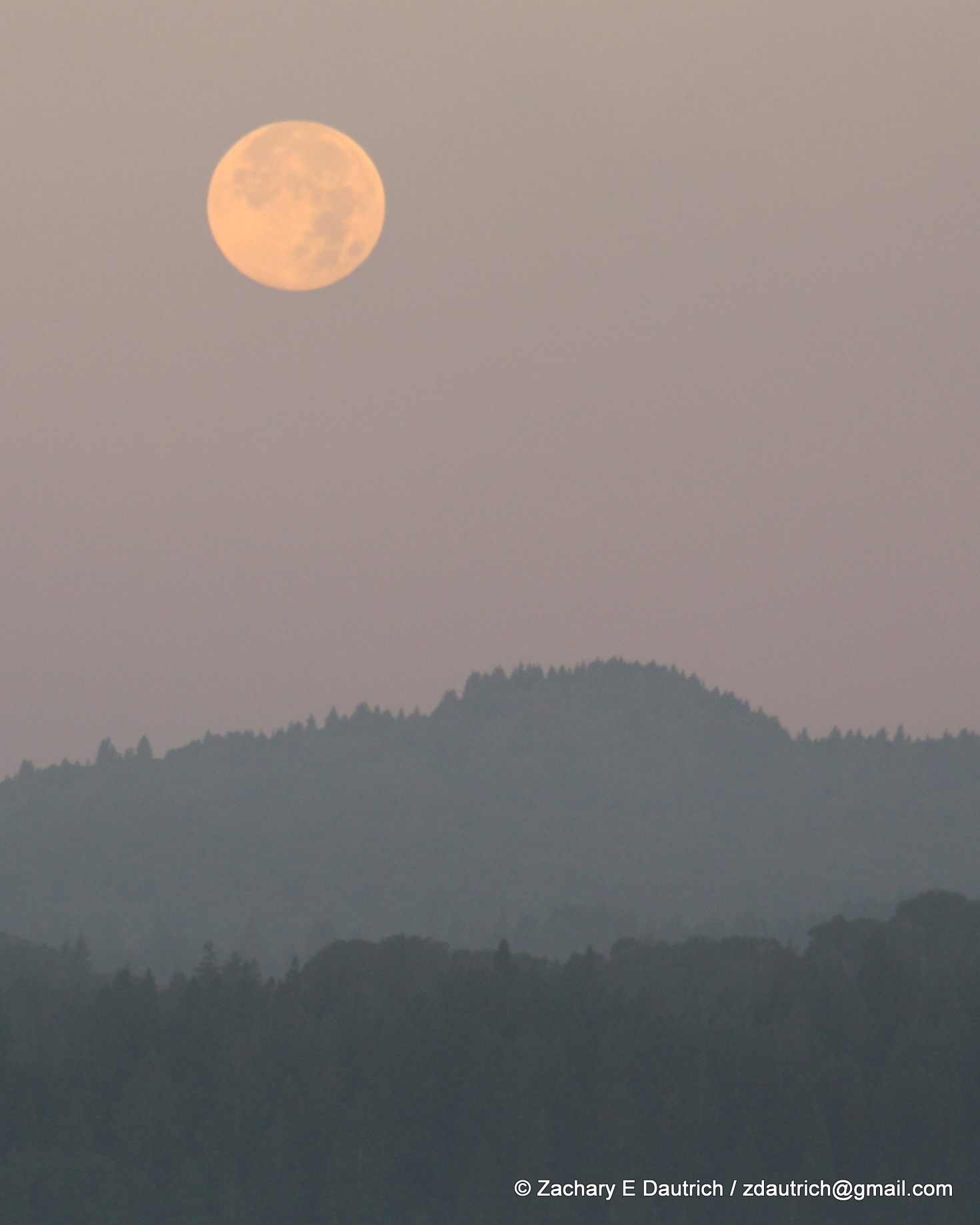
sun rise moon set

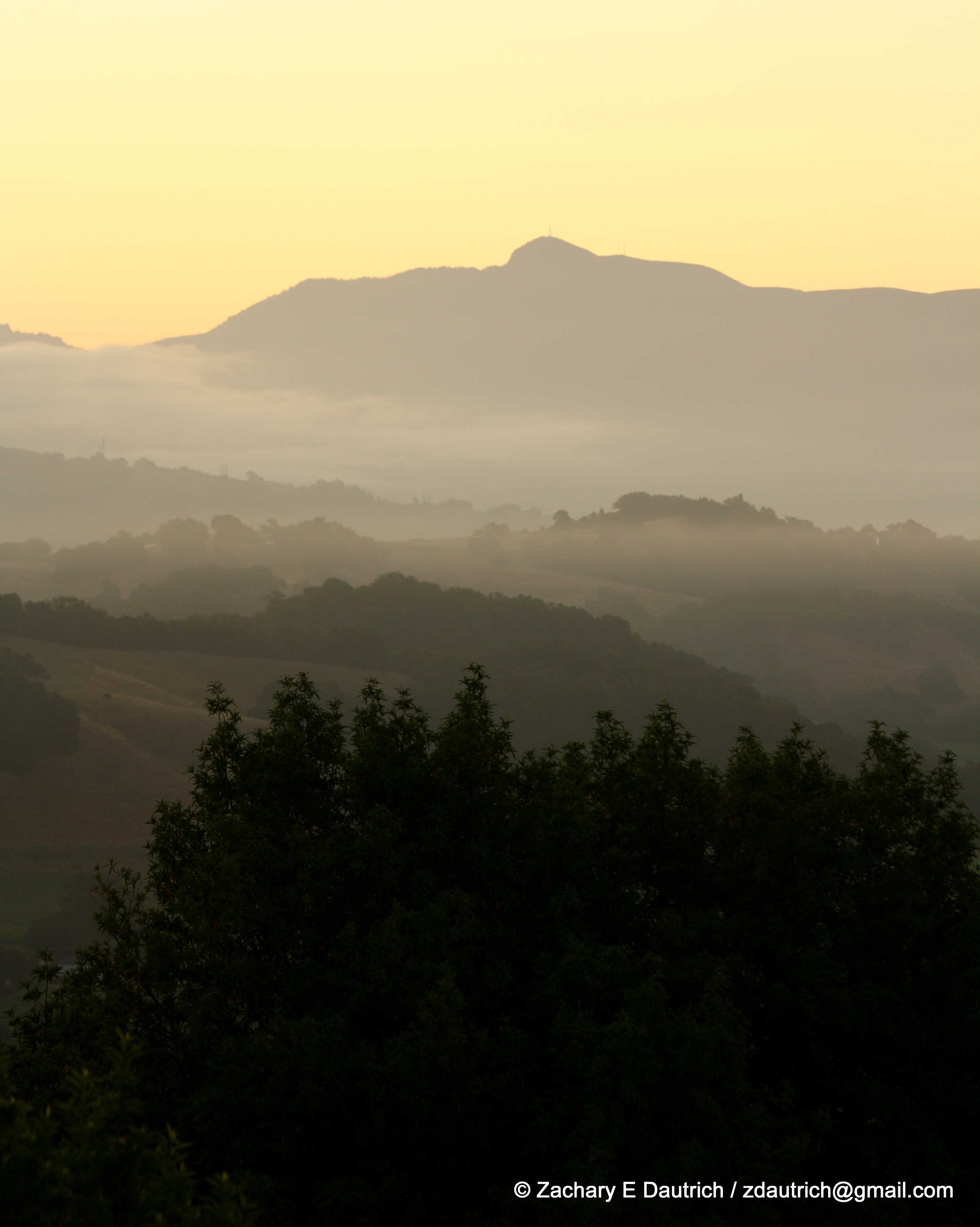
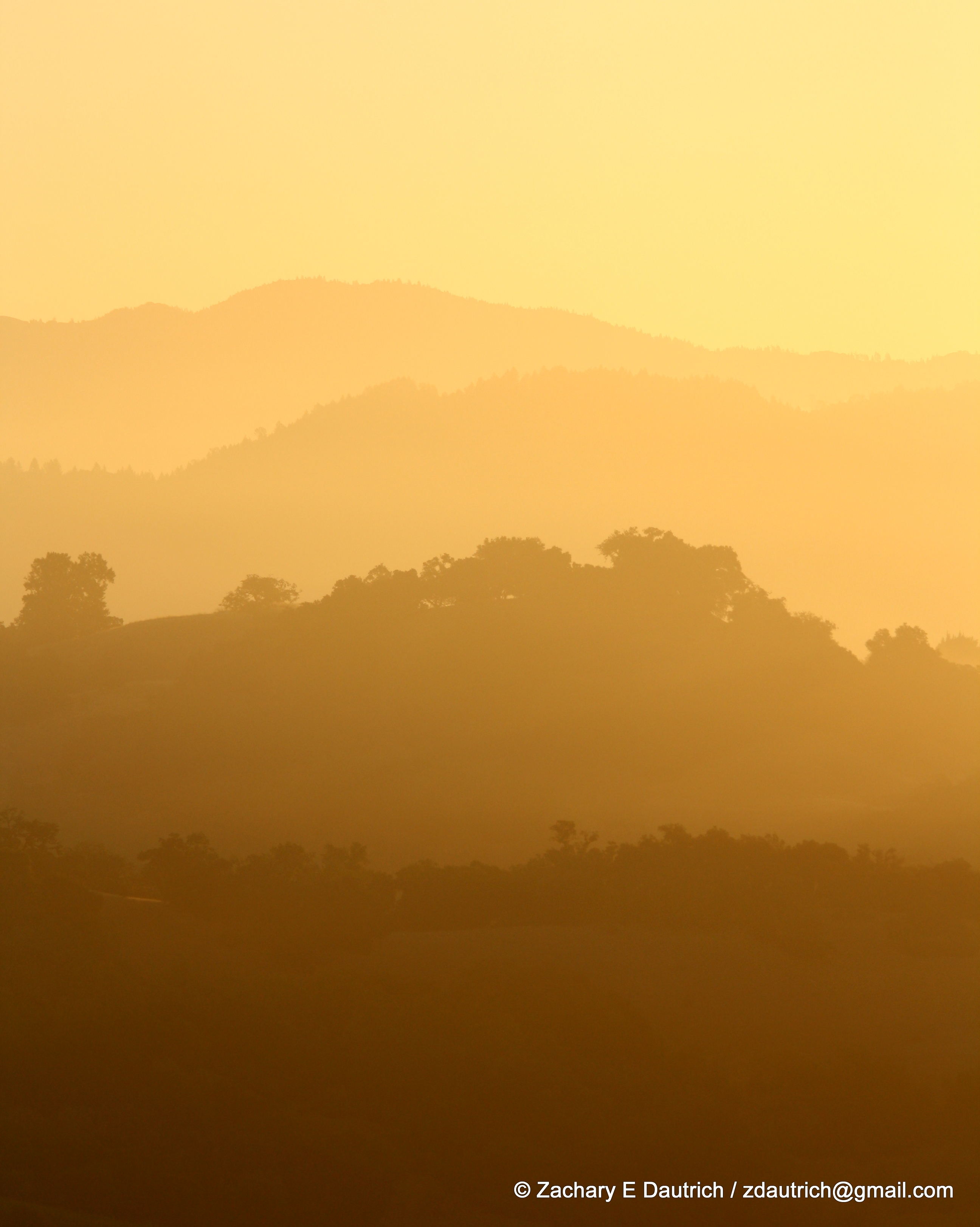
Fantastic morning views of the sun rise and moon set with Mt St Helena in the background to the East and the coastal range to the West, sitting atop the ridge above Healdsburg.
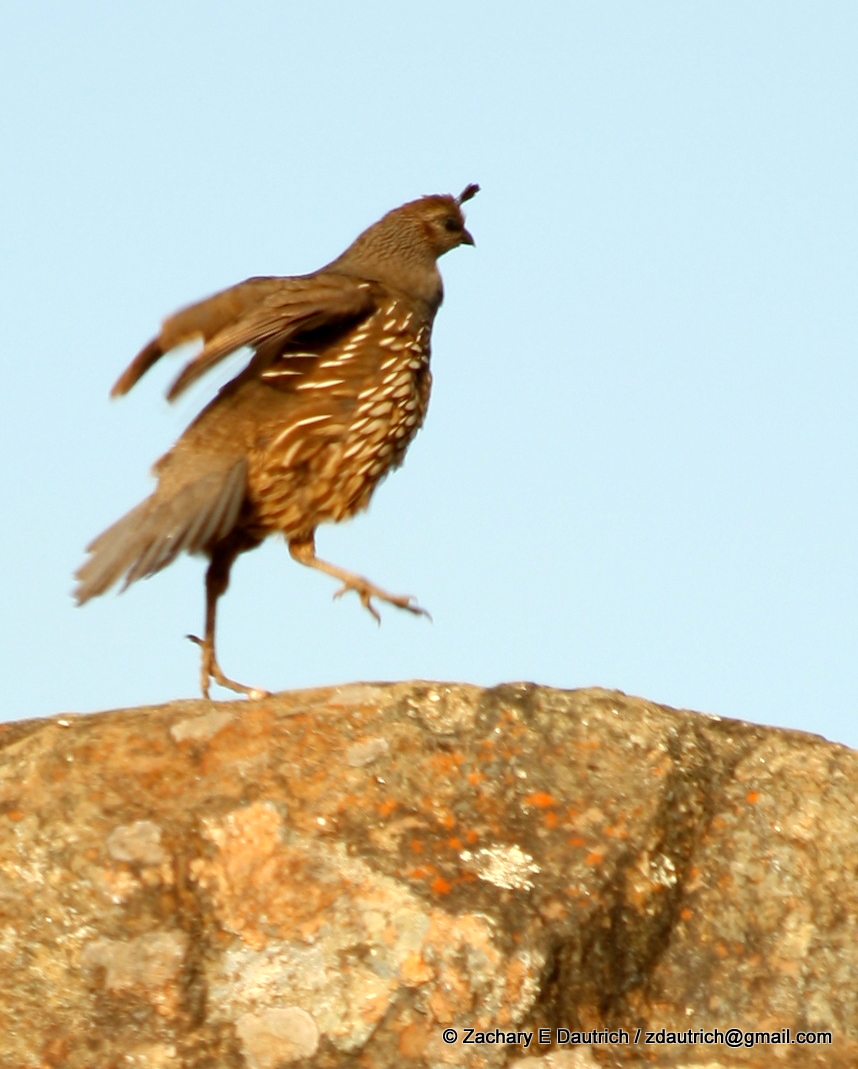
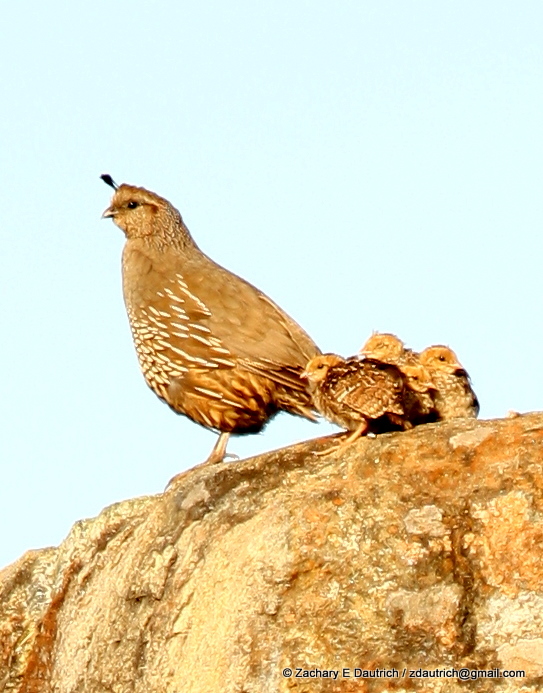
California quail family shared the first rays with me on a rock of their own …