adventures in nature

Latest

wyoming … long days and fire haze

My first week in Wyoming … busy, but I managed to get a few good shots despite the long days and fire haze. What an amazingly beautiful place. When I descended into the valley for the first time under the full moon, I swear I could feel/sense the presence of wolves in everything around me. Bison, pronghorns, elk, grizzly bears, black bears – drastic prominent mountain vistas  … and of course pumas … make it seem like this place was plucked from a time 2000 or 8000 years ago. I’m still waiting for a mastodon to stride out onto one of the sage plains.

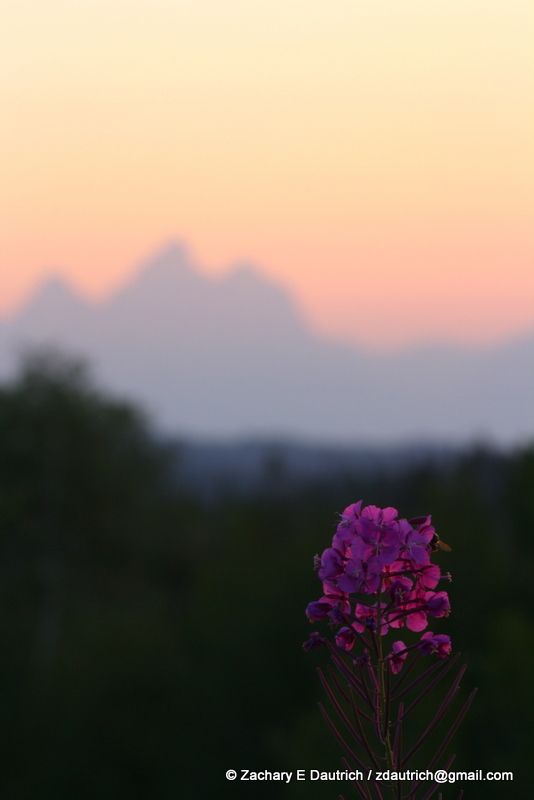
fireweed, fire sky, and the Tetons / Bridger-Teton National Forest

fireweed, fire sky, and the Tetons / Bridger-Teton National Forest

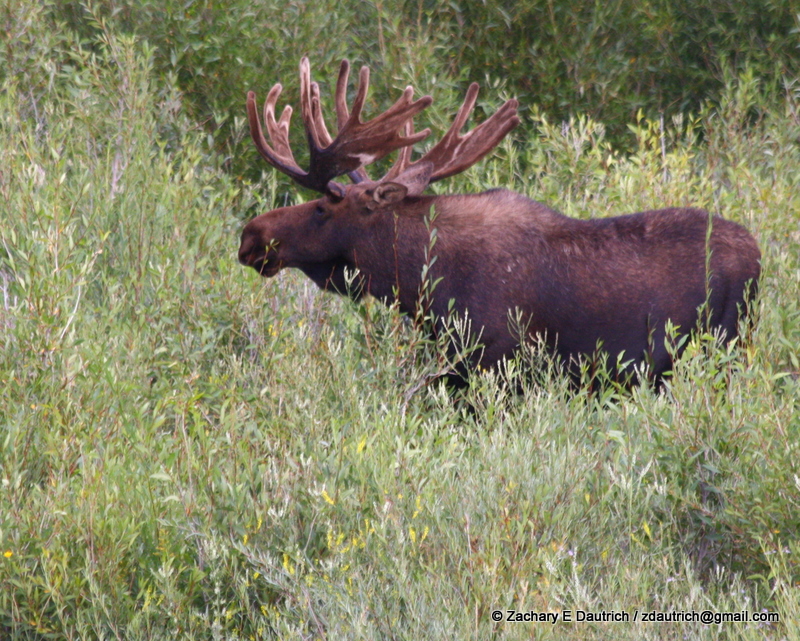
bull moose 01 / Teton National Park

bull moose 01 / Teton National Park

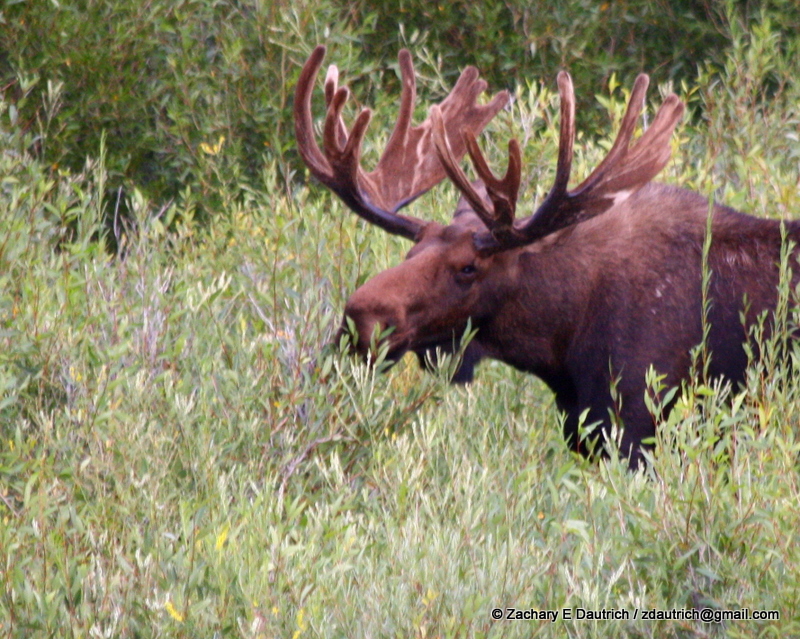
bull moose 02 / Teton National Park

bull moose 02 / Teton National Park

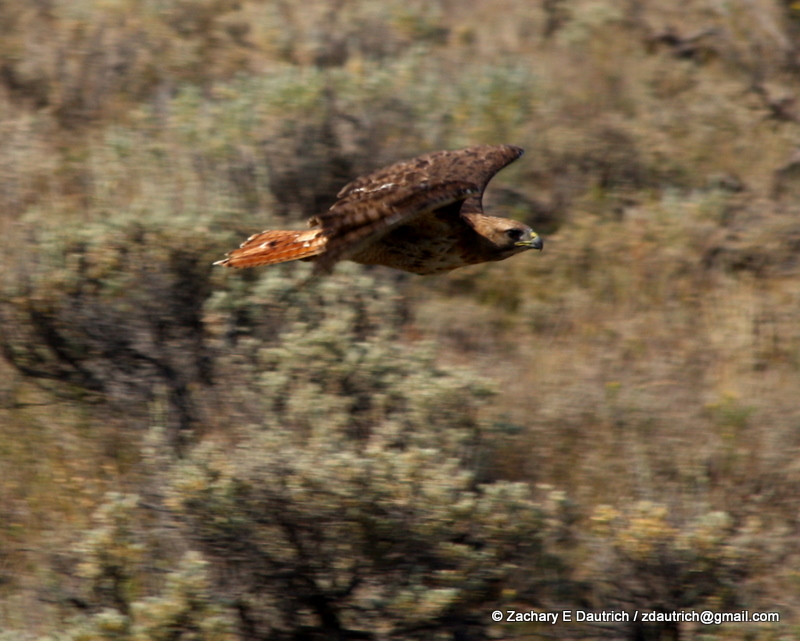
red-tailed hawk 02 / Gros Ventre Wilderness

red-tailed hawk 02 / Gros Ventre Wilderness

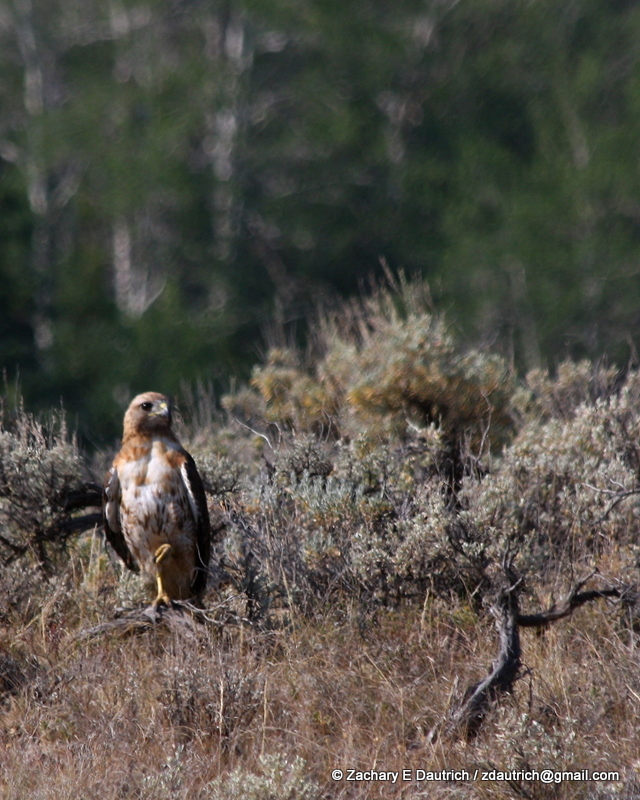
red-tailed hawk 01 / Gros Ventre Wilderness

red-tailed hawk 01 / Gros Ventre Wilderness

lake timber

lake timber / Lower Slide Lake WY

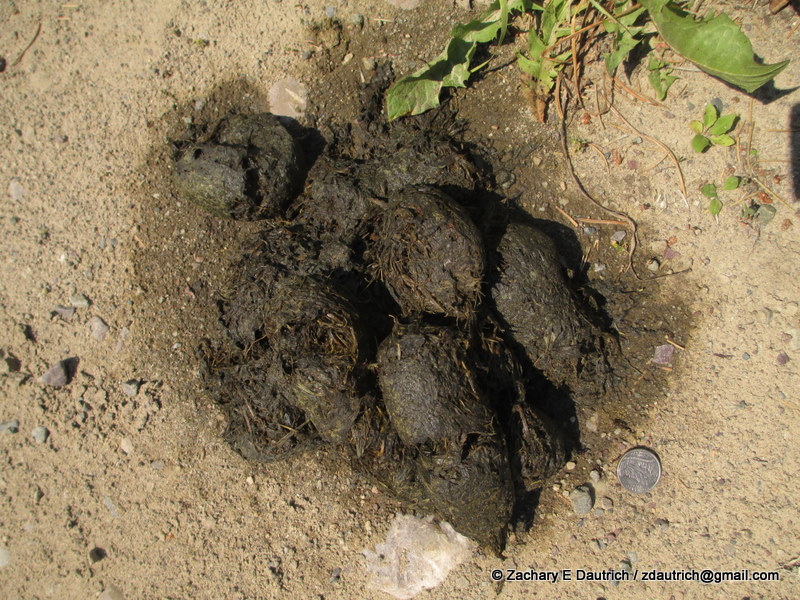
Note that there is a QUARTER next to this scat … a fairly large and FRESH grizzly scat that we found on one of the dirt roads we were driving on in the Bridger-Teton National Forest!

grizzly scat / Bridger-Teton National Forest

grizzly scat / Bridger-Teton National Forest

new pics from Colorado

Hello, it’s been awhile since I’ve posted! I have a moment of rest today after what has been six days straight out “in the field” in the wilderness of Bridger-Teton National Forest and Teton National Park, working with a new cougar project in Wyoming – Craighead Beringia South’s Teton Cougar Project  (see my other blog chasingmountainlions for updates, coming soon, on that).

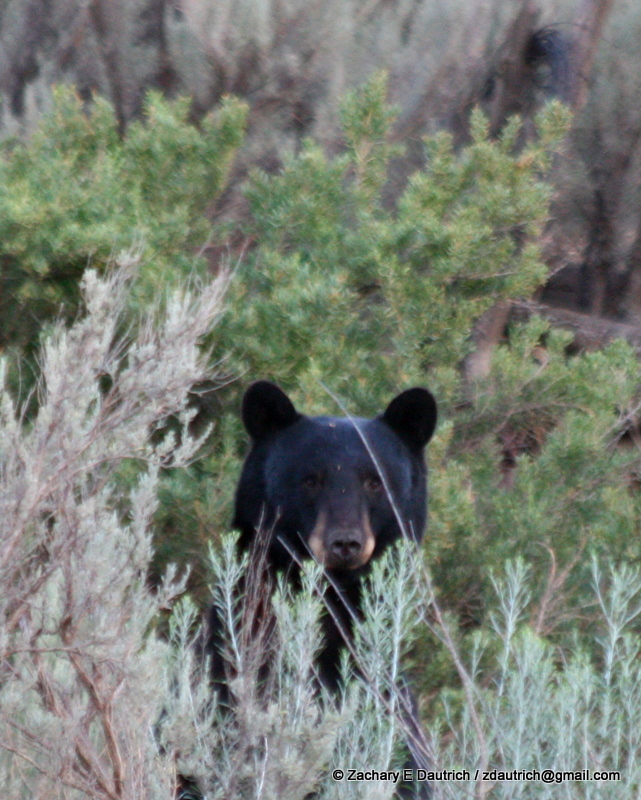
The fella pictured below was evidently raiding a neighbors’ garbage the nights prior to me getting this snap (the term “neighbor” being relative – they were one house away, but at a distance of 3 1/2 miles!)  – rearing on his hind legs to take a better look at me over the big sage brush. When I left he was slated for capture and for the attachment of a “naughty bear tag,” then to be released some distance away. It’s a three strikes policy, hopefully he will stick to more natural food sources from here on out to avoid being destroyed. The lack of rain has made many “natural” food sources scant.

black bear peeper

black bear peeper / western CO

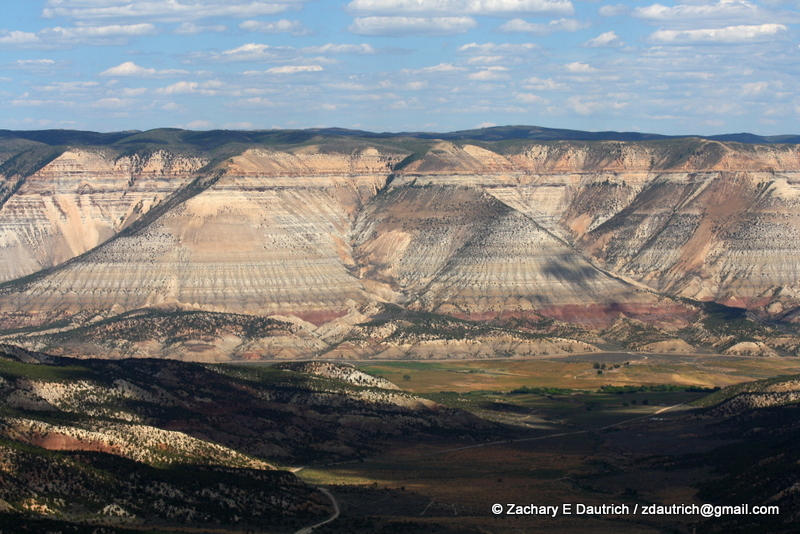
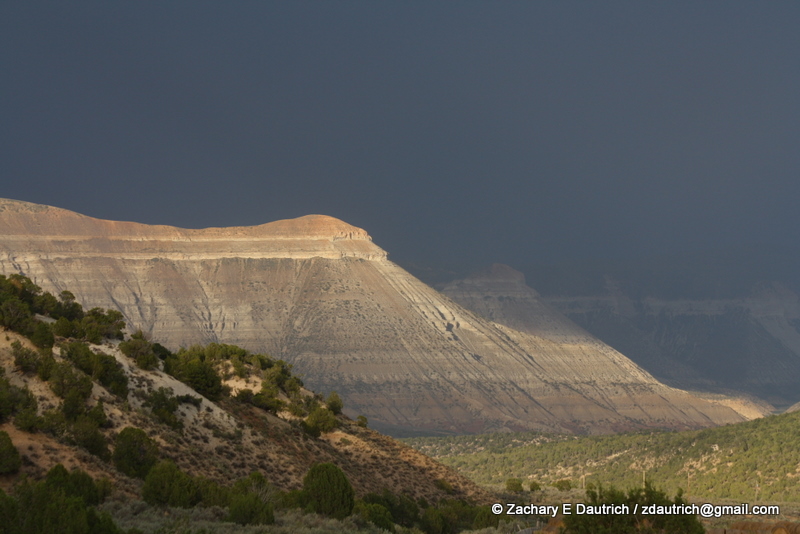
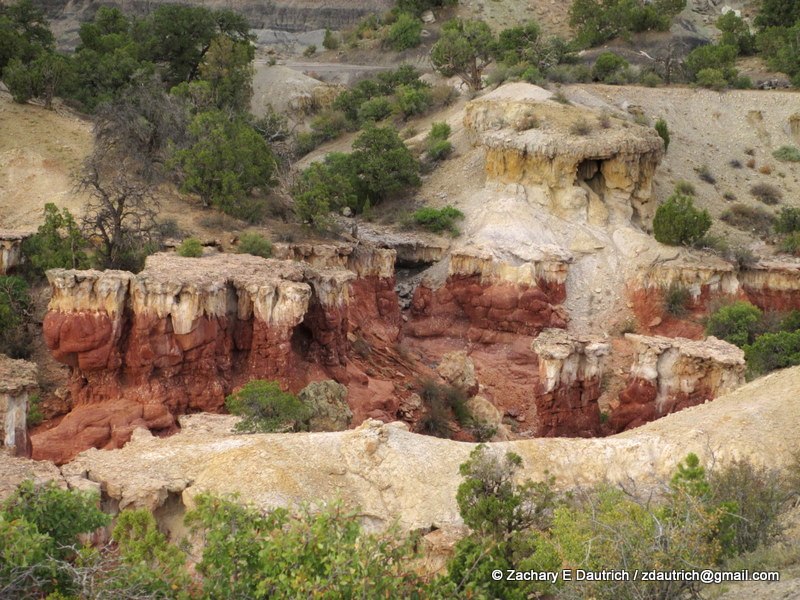
It was in, around, and ON the mesas shown below that we were tracking and researching cougars in western Colorado. At first the area was intimidating due to its steepness and the hot, dry climate – but I really grew to love the land and all that was on it. Amazing the diversity (and size!) of life that can exist in a high desert environment that seems to be devoid of much animal life during the heat of the day (when we dumb humans walk around). The creatures there have a mesa and valley kingdom that they rule by the dark of night.

view of mesas / western CO

view of mesas / western CO

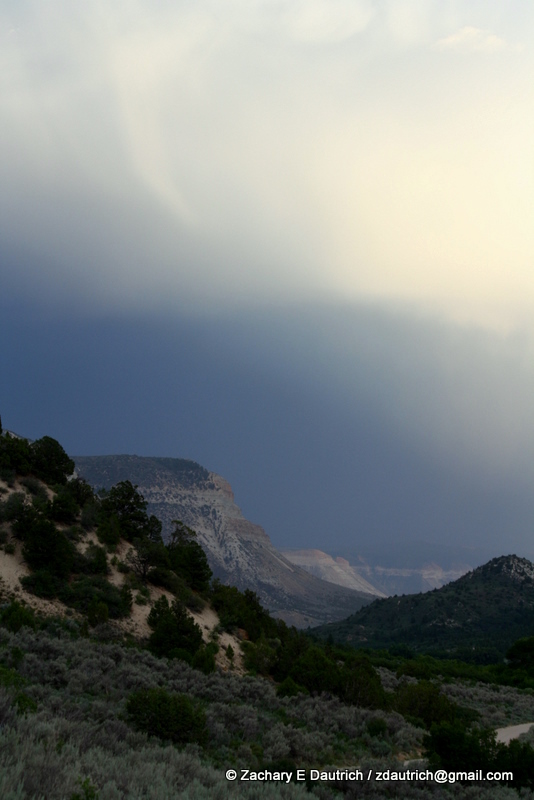
storm over mesas / western CO

storm over mesas / western CO

storm and mesas at sunset / western CO

storm and mesas at sunset / western CO

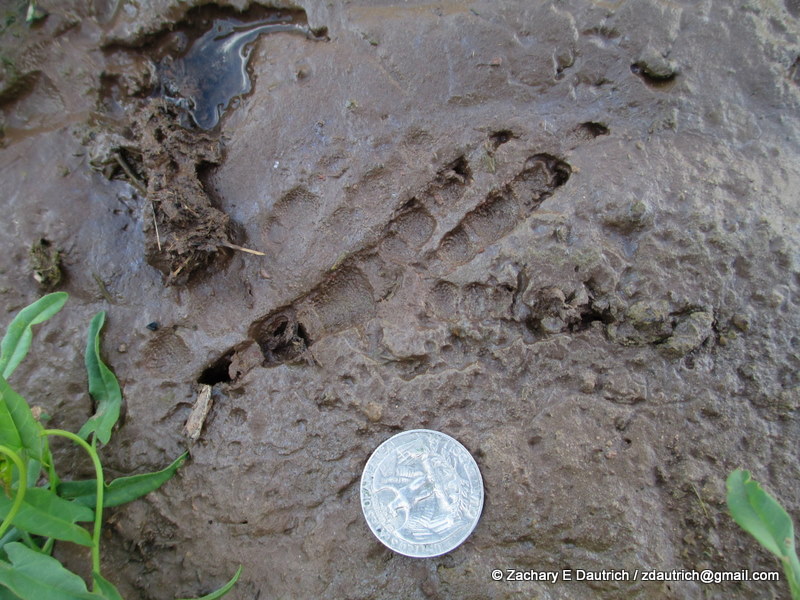
raven track / western CO

raven track / western CO

lone pine view over Hunter Canyon / western CO

lone pine view over Hunter Canyon / western CO

troll bar and stools / western CO

troll bar and stools / western CO

I left Colorado a week ago and was treated to some beautiful sights and sites, both while there in the western part of the state and also in the mountains and the front range where I spent some time before driving up to Wyoming.

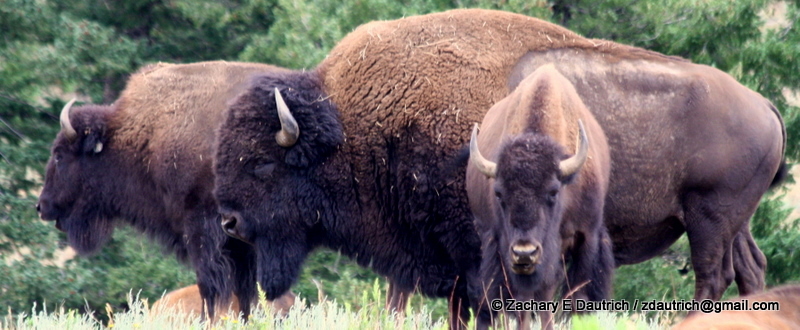
bison / Genesee Park CO

bison / Genesee Park CO

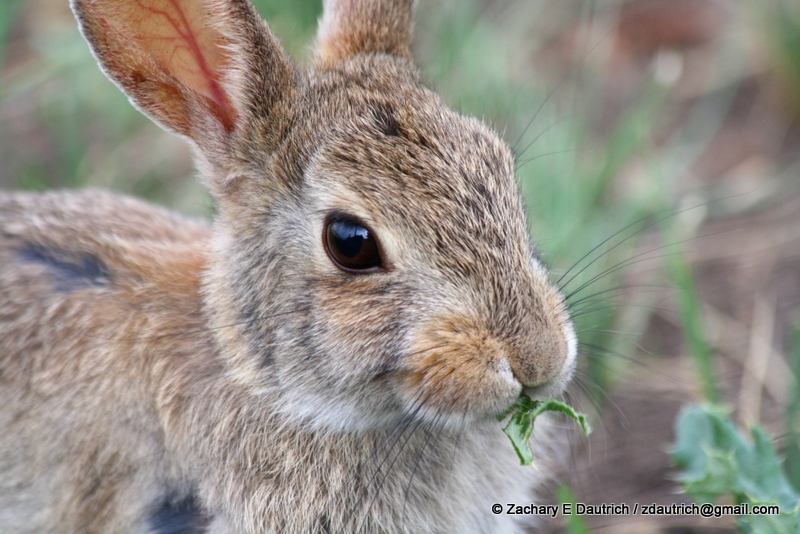
young rabbit / Dinosaur Ridge CO

young rabbit / Dinosaur Ridge CO

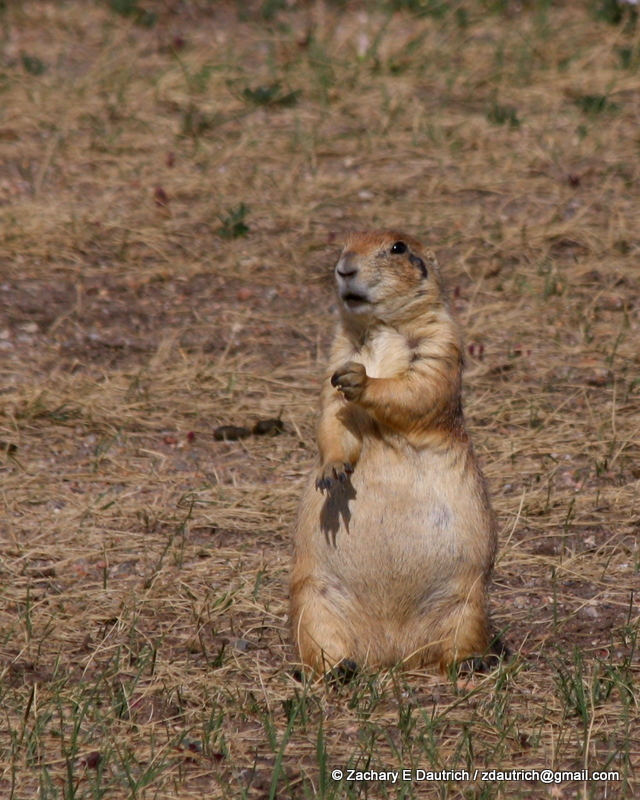
tai chi prairie dog / Dinosaur Ridge CO

tai chi prairie dog / Dinosaur Ridge CO

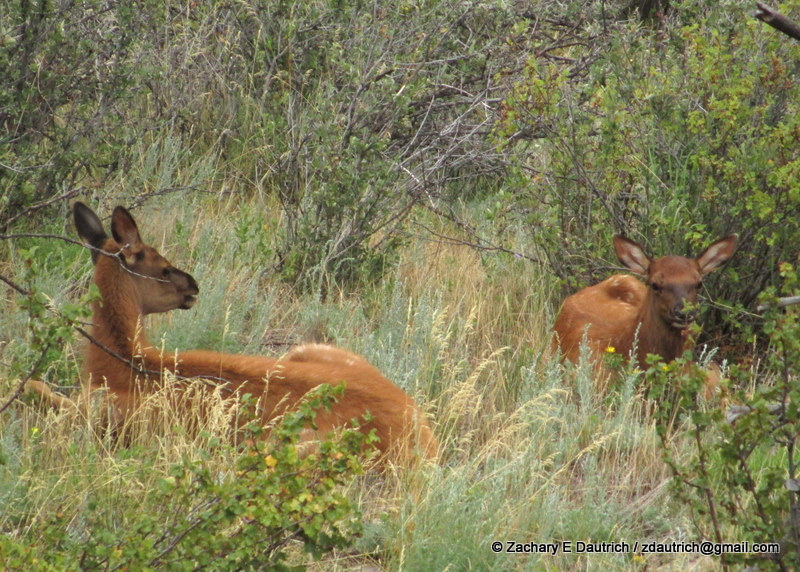
elk calves

elk calves / Alderfer/Three Sisters Park

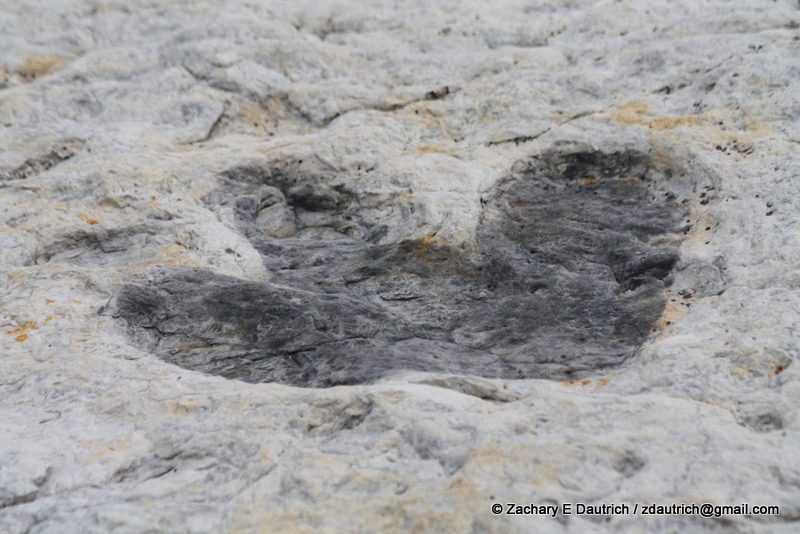
Iguanodon and Ornithomimus dinosaur tracks / Dinosaur Ridge CO

Iguanodon and Ornithomimus dinosaur tracks / Dinosaur Ridge CO

Iguanodon dinosaur track / Dinosaur Ridge CO

Iguanodon dinosaur track / Dinosaur Ridge CO

check out my new blog, chasing mountain lions!!!

I’m excited to announce that I’ve started another blog that I’ll be updating in addition to this one – it’s an offshoot of feralzach that will specifically be following my time in Colorado this summer where I am working on a mountain lion study project!!

I’ll continue to post nature posts on feralzach, but I’ll have more detailed info about my work in Colorado this summer at chasingmountainlions – so check it out and sign up to “follow!”

zd

Swainson’s hawk … on the coast?

Yes. It was. I know all of you are flabbergasted.

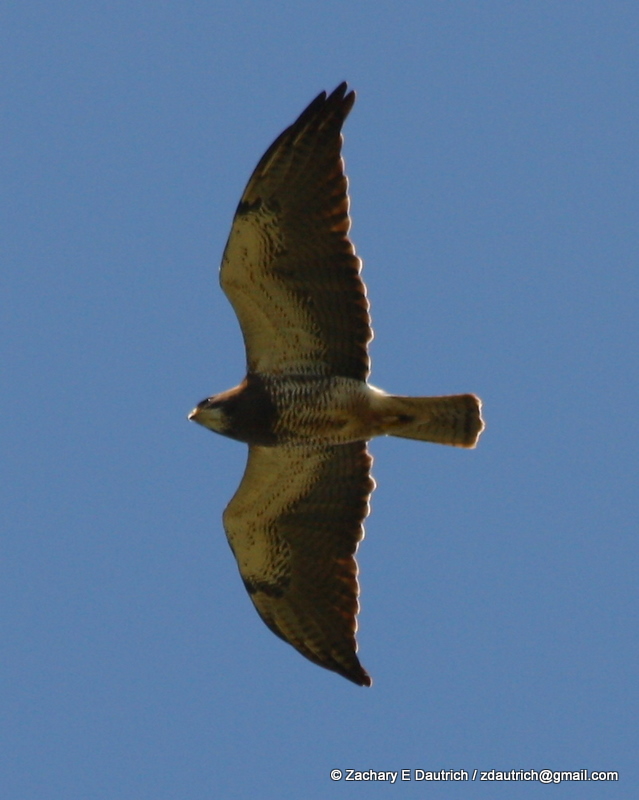
Actually, it was my first (conscious) sighting of a Swainson’s hawk. During the winter they migrate to South America, around April they are found in the Central Valley of CA. I was surprised to see one so close to the coast, it was quite a treat in addition to the beauty of Pt Reyes.

swainson's hawk 01 / Pt Reyes NS CA

swainson’s hawk 01 / Pt Reyes NS CA

fledging coastal falcons – pt I

Teaser!!

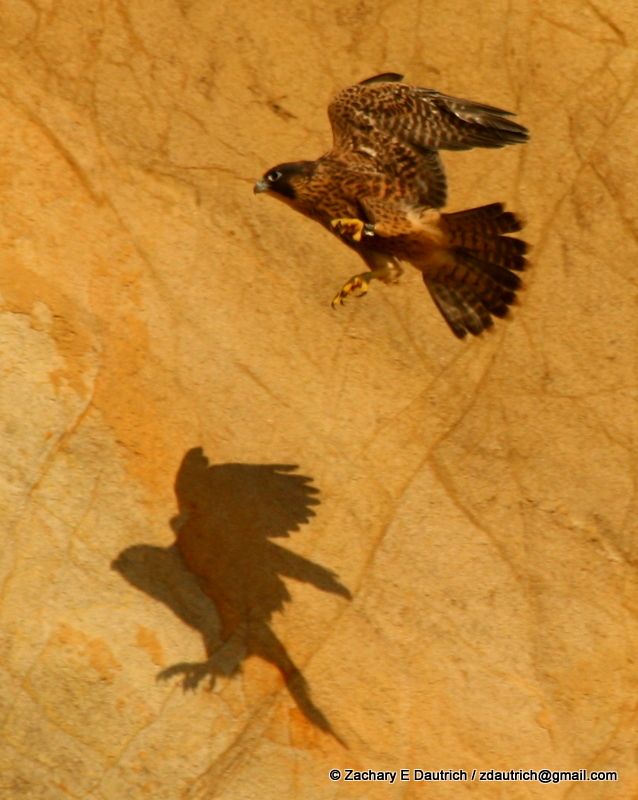
recently fledged peregrine falcon juvenile / Northern CA coast

recently fledged peregrine falcon juvenile / Northern CA coast

We caught this recently fledged peregrine in flight (an AWKWARD flight, it was – look at those sprawled legs!!) trying to move across the cliff to get some dinner that a parent deposited just far enough away to require some flight practice for the young ones. It’s landings were also still shaky, but it did reach the prize. More to come …

east coast dinosaurs n such

This week I spent some time on the coast in South Carolina … lush, thick, vibrant greenery; tidal marshes penetrated by thin waterways that look like blood vessels when viewed from a plane above, infusing life into the watery landscapes whose heartbeat is the pulse of the tides that pump in and out each day. The flat, sandy coastal pine forests of North Carolina transition quickly into the marshes and swamps found in South Carolina, a land/water-scape which intensifies in density, variety and beauty as it proliferates down through Georgia and Florida and wraps around the Gulf Coast. This place is, for now, the border between a more constant warm climate to the South and a seasonal fluctuation of weather for lands to the North.

I say for now because of the general warming trend that has influenced the behavior of creatures such as the wood stork, which typically nests in Florida, but has now started to nest further north in South Carolina as temperatures increase globally. I took these pictures in Pickney National Wildlife Refuge, which now has fresh water ponds roped off this time of year due to the endangered wood stork nests in the area (new this past year or two)  in addition to the normal rookeries of tri-colored herons, cattle egrets, and ibises.

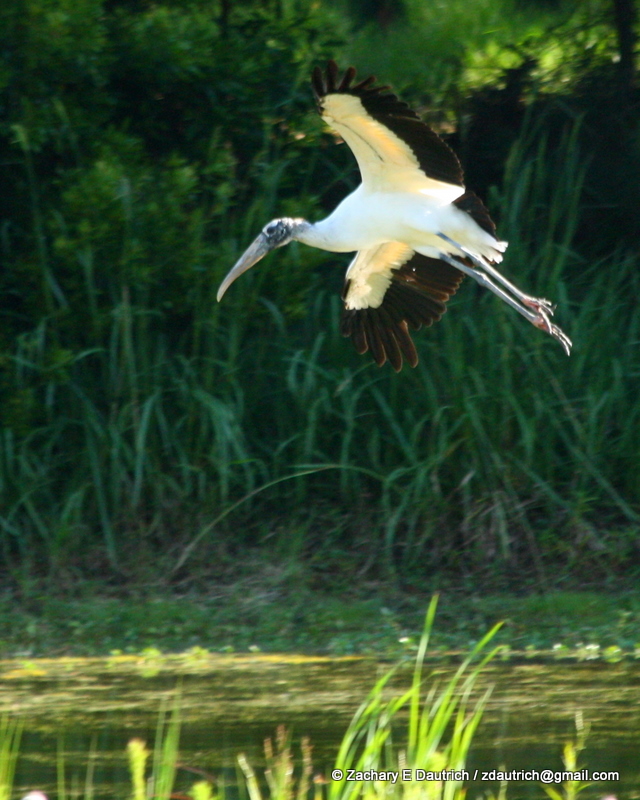
The wood stork looks like the missing link between dinosaurs and birds, a miniature pterosaur-like creature that escaped the fate of its Cretaceous mates and who secretly lives on here on Earth, just waiting to re-establish the kingdom of “terrible lizards,” (aka dinosaurs) in case humans (and the next logical alternatives, apes, cockroaches and/or “Jersey Shore” mutants) don’t make it  …

wood stork / Pickney Island Wildlife Refuge SC

wood stork / Pickney Island Wildlife Refuge SC

wood stork landing / Pickney Island Wildlife Refuge SC

wood stork landing / Pickney Island Wildlife Refuge SC

This time marks the brightest view of the planet Venus in our sky, it is very close to Earth right now and getting closer, but it will start to dim despite its proximity to us because of its position relative to the sun (it is “waning” similar to how we see the moon in its phases – though the moon is always approximately the same distance from us, as opposed to planets). Look now to the West in the evening to see Venus at its brightest, even with binoculars you might be able to see some detail of one our closest neighbor plants.

waxing moon and venus

waxing moon and venus

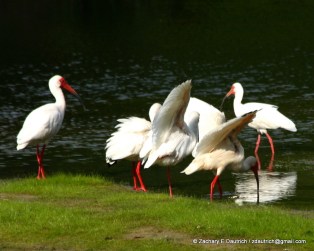
In addition to the wood storks and other wading birds, I saw another special sight  … the ibis (both the rare white ibis and the white-faced ibis).

white ibises and white-faced ibis / Pickney Island Wildlife Refuge SC

white ibises and white-faced ibis / Pickney Island Wildlife Refuge SC

white ibis stand / Pickney Island National Wildlife Refuge SC

white ibis stand / Pickney Island National Wildlife Refuge SC

white ibis in flight / Pickney Island National Wildlife Refuge SC

white ibis in flight / Pickney Island National Wildlife Refuge SC

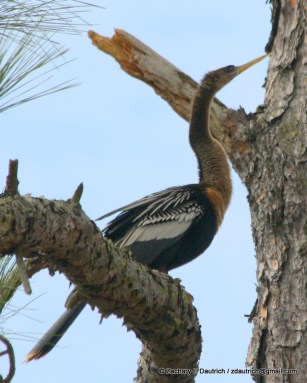
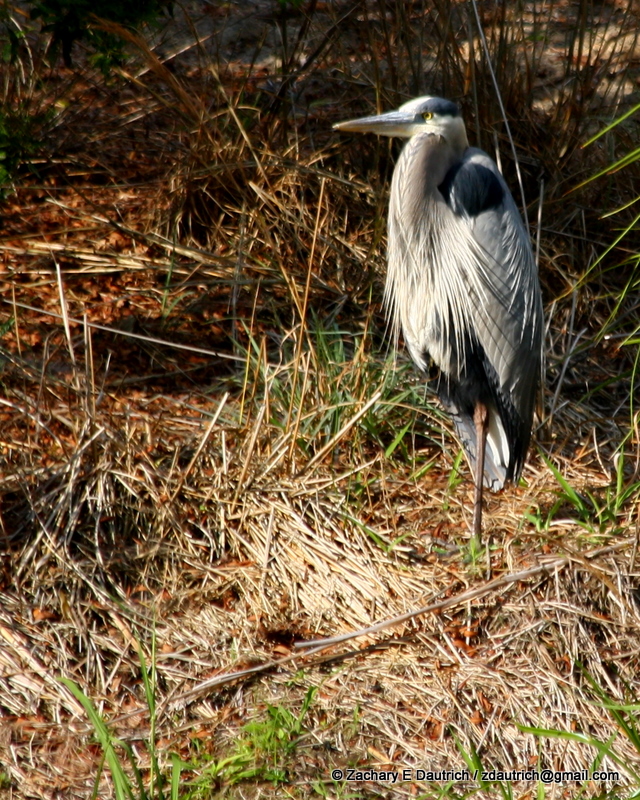
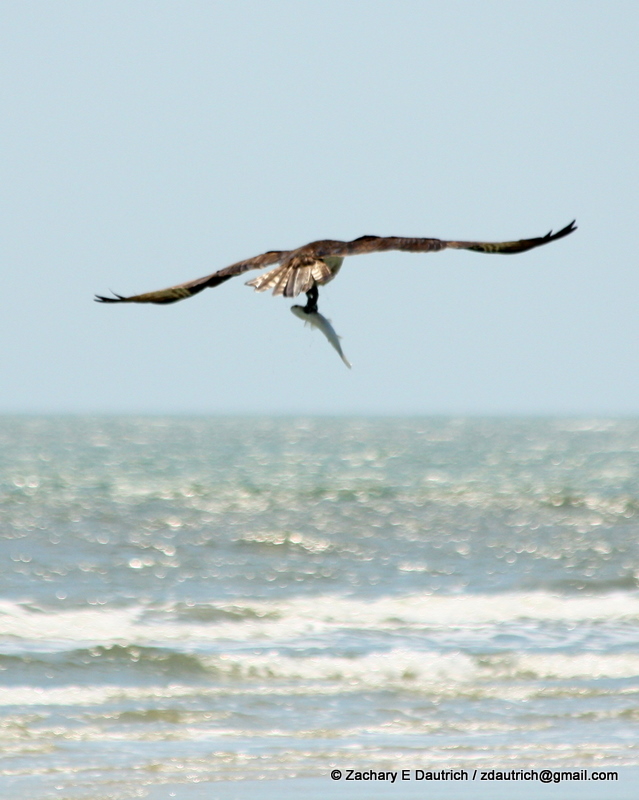
I always appreciate seeing a great blue heron, this one sat on the side of the pond, still looking spectacular, while some of these other less commonly seen birds (for my eyes!) captivated me and dominated the viewfinder of my camera. The crows, osprey and brown pelicans (not pictured) also transfixed me, as usual. Another treat was seeing an anhinga (relative of the cormorant) who perched close by to preen for a bit – also known as a “snake bird” due to its habit of floating just under the surface of the water with only its long, thin neck and head showing.

great blue heron / Pickney Island National Wildlife Refuge

great blue heron / Pickney Island National Wildlife Refuge

osprey with fish / coastal South Carolina

osprey with fish / coastal South Carolina

anhinga / coastal South Carolina

anhinga / coastal South Carolina

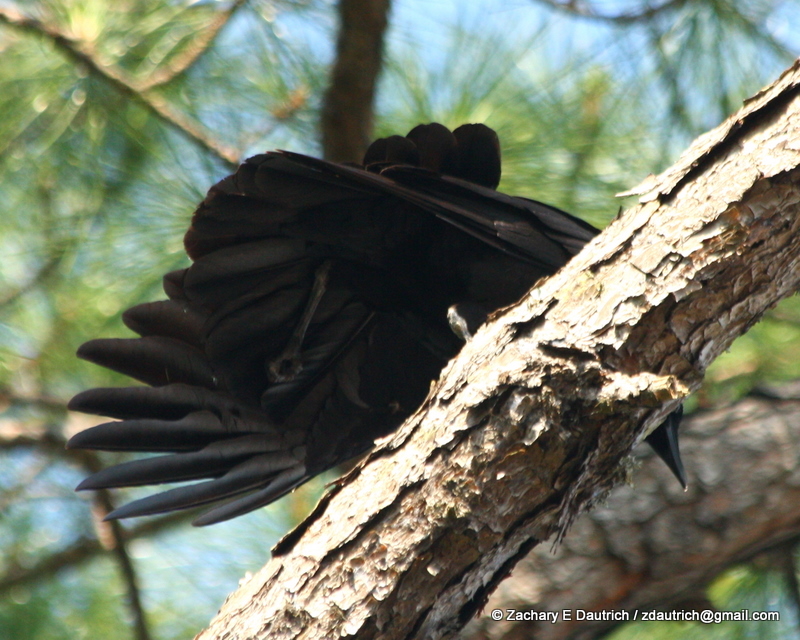
morning stretch, crow / coastal South Carolina

morning stretch, crow / coastal South Carolina

osprey with fish / coastal South Carolina

osprey with fish / coastal South Carolina

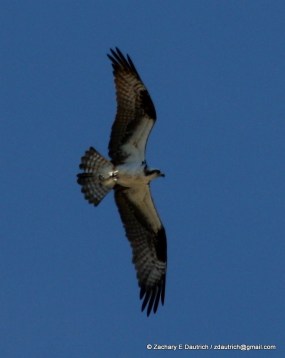
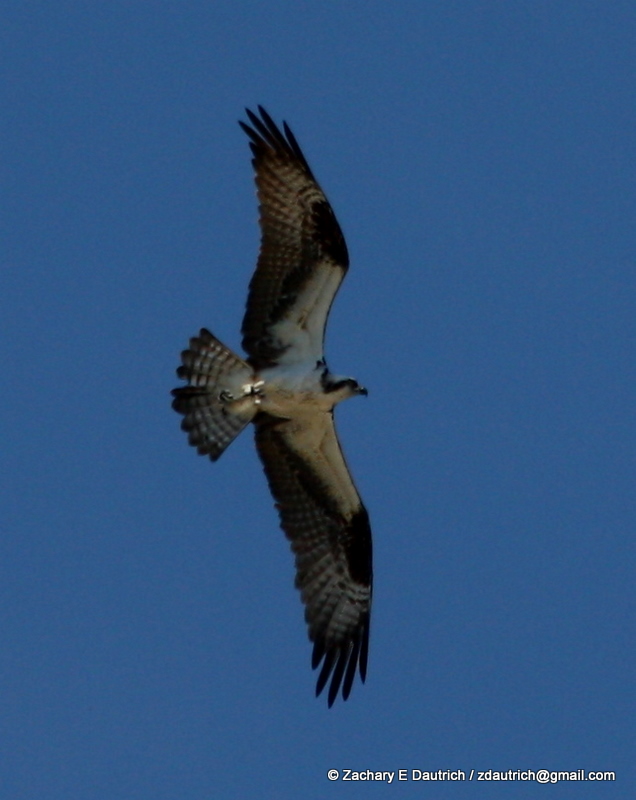
osprey soaring / coastal South Carolina

osprey soaring / coastal South Carolina

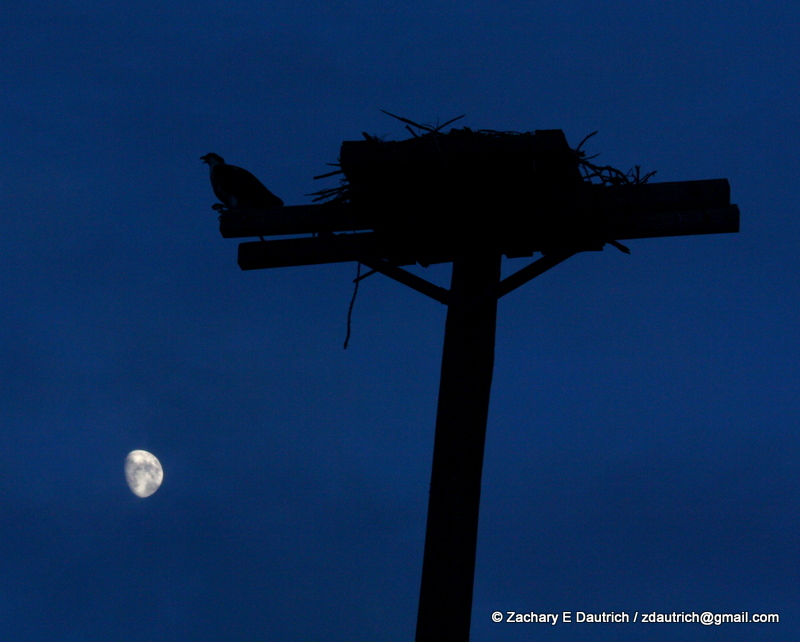
osprey / coastal South Carolina

osprey / coastal South Carolina

moth / coastal South Carolina

moth / coastal South Carolina

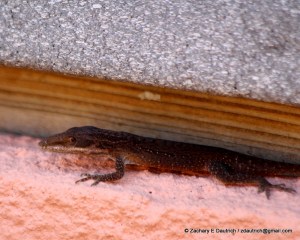
mystery lizard (anole?) / coastal SC

mystery lizard (anole?) / coastal SC

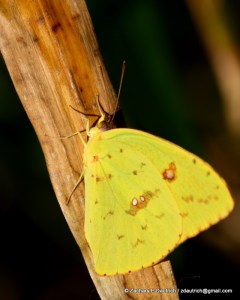
butterfly / Pickney Island National Wildlife Refuge SC

butterfly / Pickney Island National Wildlife Refuge SC

special grandfather live oak tree w moss / coastal SC

special grandfather live oak tree w moss / coastal SC