adventures in nature

Latest

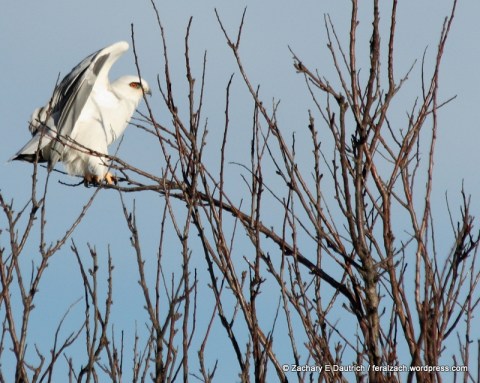
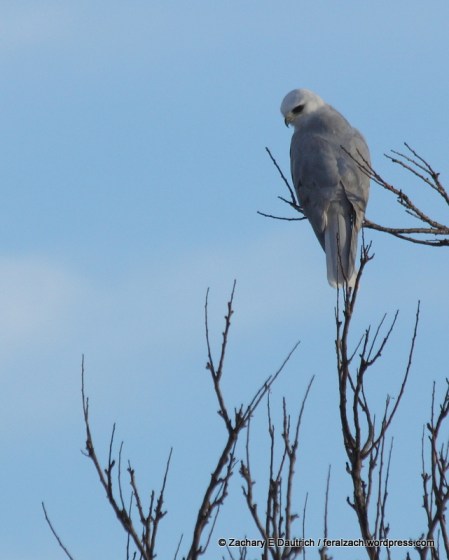
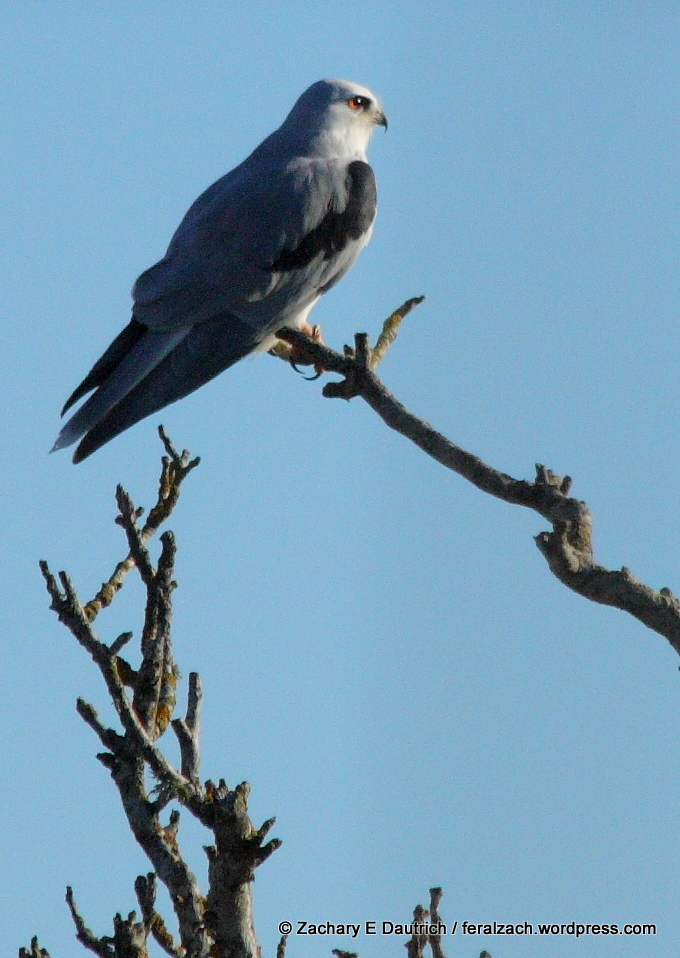
white-tailed kite

IMG_9757 raw edit 1 v1-001

IMG_9752 raw edit 1 v1-001

IMG_9750 raw edit 1 v1-001

IMG_9786 raw edit 1 v1-001

white-tailed kite / Elanus leucurus
Berkeley, CA

There’s something other-worldly about these birds … an ethereal white body like an angel combined with coal-rimmed eyes of deep shining red, they float and dance in the air like a flower petal caught in the wind moving from one invisible island to the next. To get so close to one perched was exciting.

a bald and white Christmas in PA

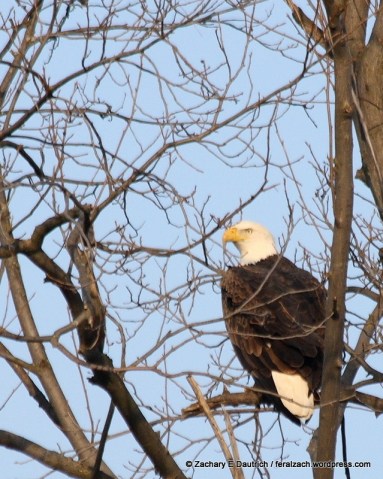
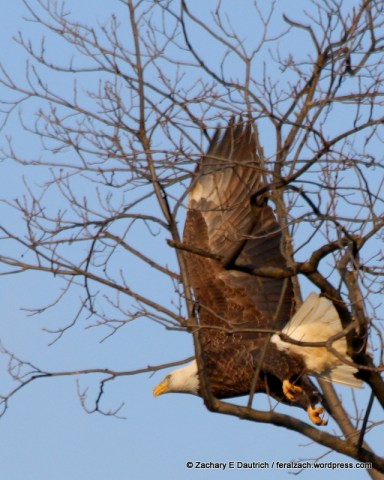
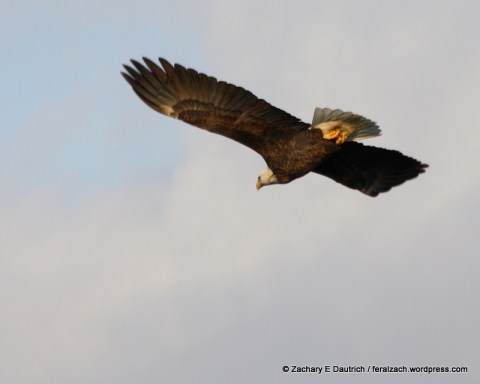
Yes, Christmas will always be bald and white for me with regard to one definition of those terms at this point in my life, but this particular Christmas we were treated to other, more fun benefactors of those descriptors –  a snowy Christmas eve yielded a white Christmas morning, and we got quite a show by some local nesting bald eagles.

adult bald eagle 01

adult bald eagle 01

These are presumably the same birds that have been nesting at this site for the past few years not far from my parent’s house in PA (see my post from last year here). It’s great to see them still successfully using this nest as it is more exposed and closer to human activity than most nests. This is actually a GOOD thing, as it indicates that most of the other more ideal nesting spots and territories around the Susquehanna River are already taken by breeding pairs.

adult bald eagle 02

adult bald eagle 02

adult bald eagle 03

adult bald eagle 03

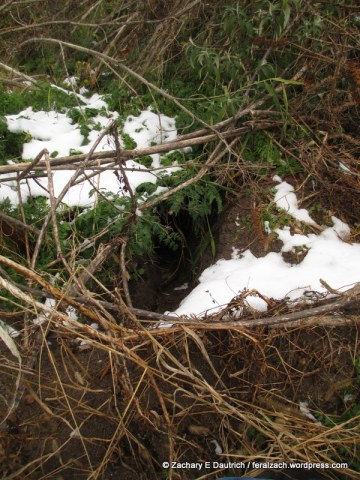
The snow also allowed us to see who was using the landscape … snow tracks! It’s far from wilderness here, but this beautiful agricultural area still has quite a bit of wildlife that manages to survive in an area that continues to have more and more human development replace farms and forests. We were still able to find the tracks in the nearly melted snow of white-tailed deer, cottontail rabbit, and two red fox – and ultimately I was able to find what I think is the red fox den! A couple of red-tailed hawks were hunting in the cold air above us, and we spooked a coopers hawk with a meal from its perch in a grove of fir trees.

red fox tracks

red fox tracks

red fox den

red fox den

los vaqueros reservoir

I haven’t been lucky enough to see a jaguar in the wild yet, but I did see this fella (lady?) last Thursday at Los Vaqueros Reservoir in Contra Costa County just after sunset.
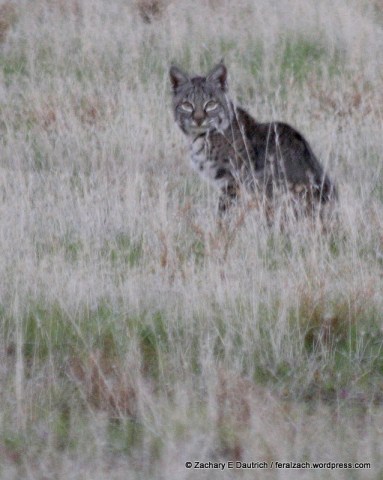
bobcat

bobcat

Hiding just out of sight was this little one, probably trying to avoid being a bobcat breakfast.
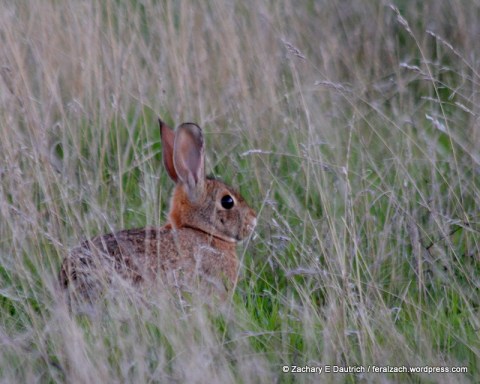
brush rabbit

brush rabbit

It is a surreal landscape here – large mountainous hills that grow out of the flat grassy planes East of Mount Diablo, south of the Sacramento-San Joaquin river delta. It is almost completely devoid of trees, other than a small riparian area at the dam outlet, but once atop any of the peaks that surround the reservoir, there must be thousands of giant wind turbines in sight. It’s staggering the number of turbines in view, for as far as the eye can see in some directions, over land that has been cleared for grazing.

Los Vaqueros Reservoir

out in “nature” – Los Vaqueros Reservoir and a small portion of the visible wind turbines

Ironically, this general area has the highest concentration of nesting golden eagles in the world. It is home to many raptor and bird species, and has also been shown to be a main migration route for birds in the Autumn and Spring. It probably goes without saying that wind turbines and soaring birds don’t go well together (not for the birds, certainly). The mortality rate of golden eagles in this region is high due to collisions with the wind turbine blades, and is probably under-reported.
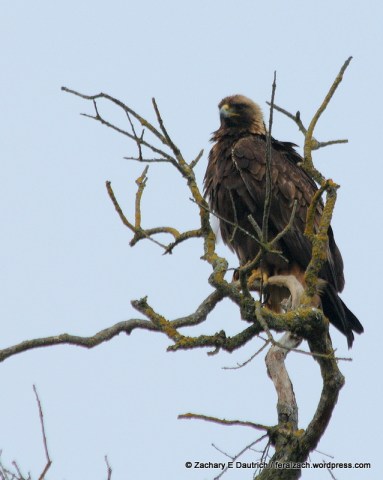
golden eagle / Mount Diablo Nov 2011

golden eagle / Mount Diablo Nov 2011

It’s hard to determine visually where the wind farms end or if they are part of different farms – to the north is the Shiloh Wind Power Plant, and to the south is Altamont Pass Wind Farm (of notorious history, for its vastly negative impact on raptor and other bird species). They are two of the four largest wind farms in CA. I’m not sure who owns the ones pictured above, I suspect it’s part of the Altamont Pass Wind Farm. The picture below shows a view to the north from above the reservoir – if you look closely you can see a LARGE number of turbines stretching across the horizon. I suspect these are part of Shiloh Wind Power Plant. It’s hard to differentiate where they start or end though because the turbines seem to be concentrated densely there to the north, then they sporadically  run from that point far to the north all along the eastern edge of the Diablo range, then southeast towards Altamont Pass and out of sight.
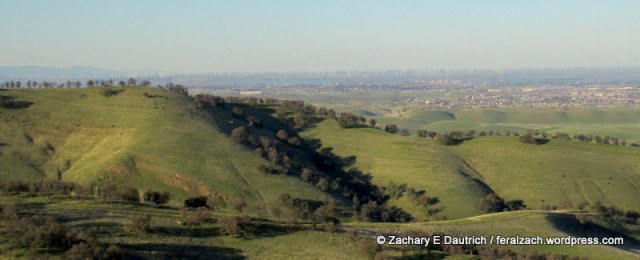
distant wind turbines

distant wind turbines

Despite the jarring visual impact, these turbines are “green energy” and certainly have a lot of benefits over other energy production techniques. They are part of the compromise that we currently must make in our effort to satisfy energy demands while still attempting to minimize our impact on the environment – both to the creatures who live there now, and in a global capacity long term. No easy answers. No black and white.

Every day the sun rises though, and the cycle of life continues. Coyote doesn’t care so much about politics.
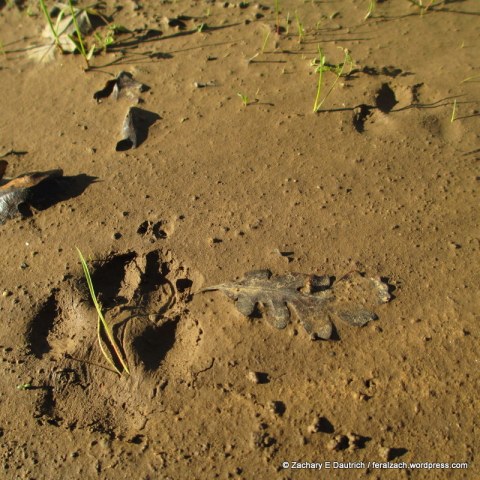
coyote tracks
coyote tracks

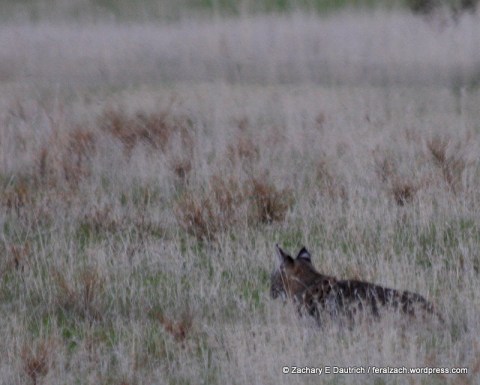
hunting bobcat

a hunting bobcat after sunset
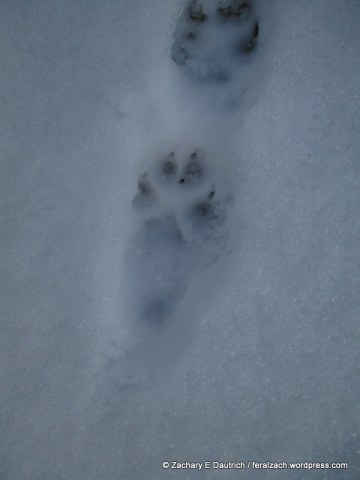
jaguar sighting in AZ!!

No, I didn’t see a jaguar … yet. But it was reported that the images of a male jaguar have been captured on some trail cams in southern Arizona this month. Here is the link, see also here. Exciting news!! These cats are rarely seen the U.S. these day (though they were native and originally lived in the States known as Arizona, New Mexico, and Texas – and prior to settlement of the West by Europeans, probably ranged much further). In January, the U.S. Federal Government designated habitat in the Southwest as protected for the Jaguar and announced a jaguar recovery plan.

Jaguars are the only “big cat” (genus Panthera) that range in the Americas, and they are the third largest cat in the world (behind tigers and lions). Cougars (aka pumas or mountain lions) are not considered to be in the big cat family (though they can be big!) – they are categorized in the genus Puma. Why the difference? One main point, other than size, is that the cats in the genus Panthera have the ability to roar!

slimy things love rain

Ah!! The rains are here in abundance, and everything on the land rejoices!

The snails, slugs and salamanders have come out.

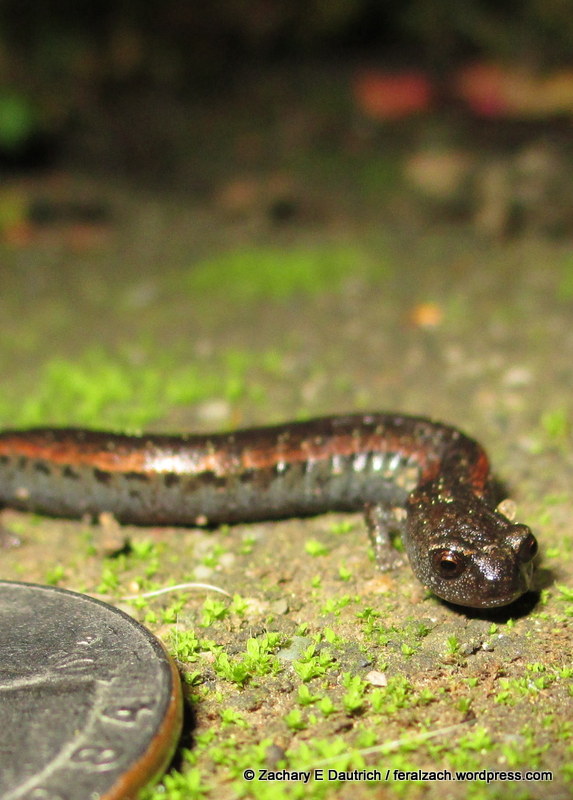
California slender salamander / Alameda County CA

(yes, that is a quarter next to this tiny being)

The California slender salamander is from 7-13 cm in total length. They breath exclusively through their skin! Because of this, it’s always a good idea to handle them minimally (or not at all) – also, some species of salamanders actually have strong neurotoxin that if ingested can kill a human (California Newt). The California newt secretes tetrodotoxin, which is 100 times more potent than cyanide!

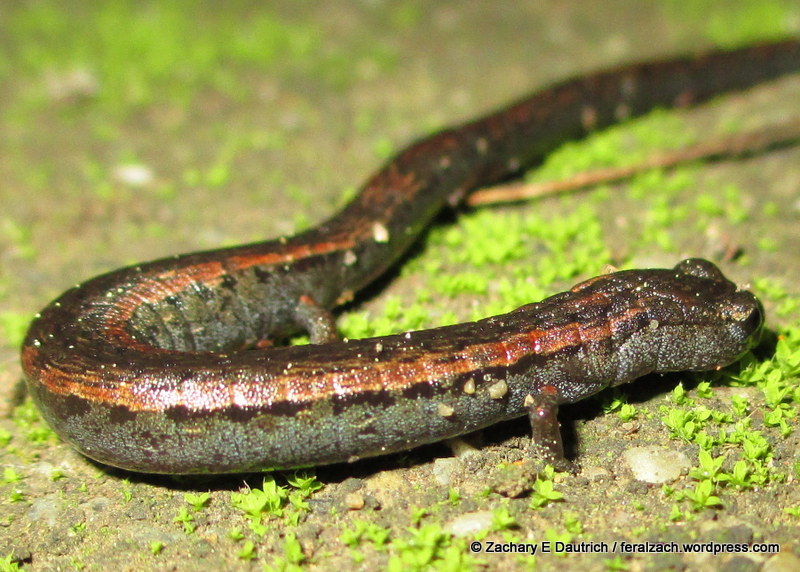
I must admit they’re kind of cute. They have muppet-like four-toed feet on those tiny little legs, and do more slithering than walking.

California slender salamander / Alameda County CA

California slender salamander / Alameda County CA

This small garden snail has a shell that looks like it is made of pure gold.

A slug on a budding flower was doing its thing – the yard at night is magical after the rains!

day of the dark morphs

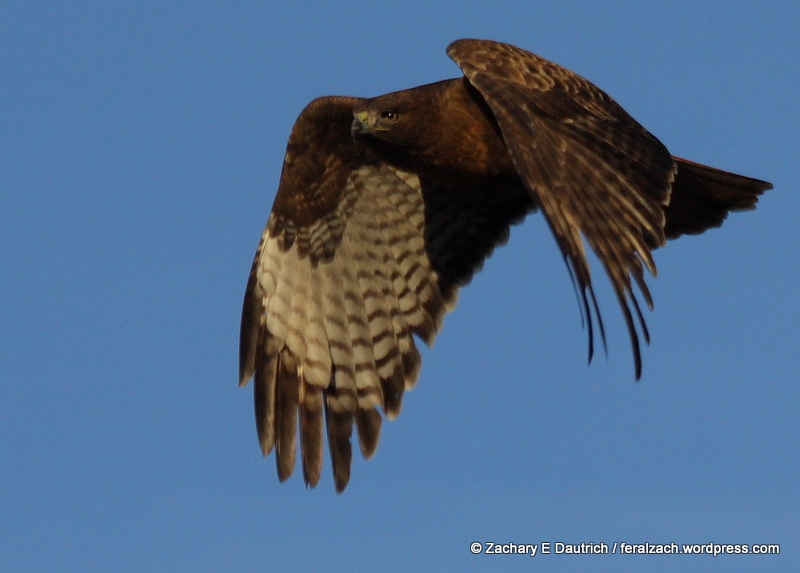
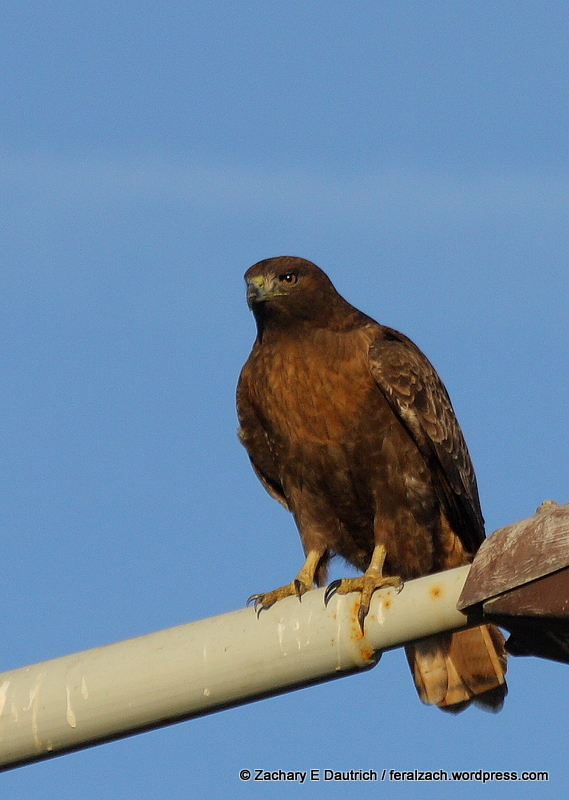
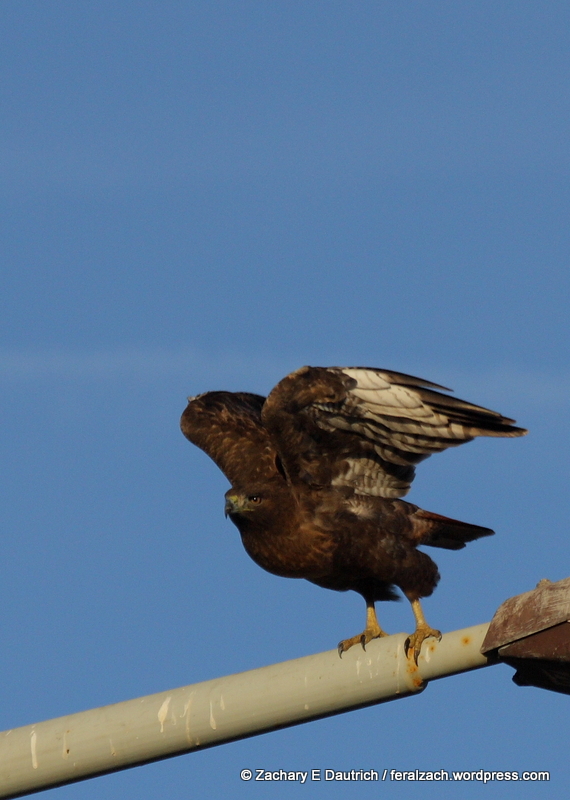
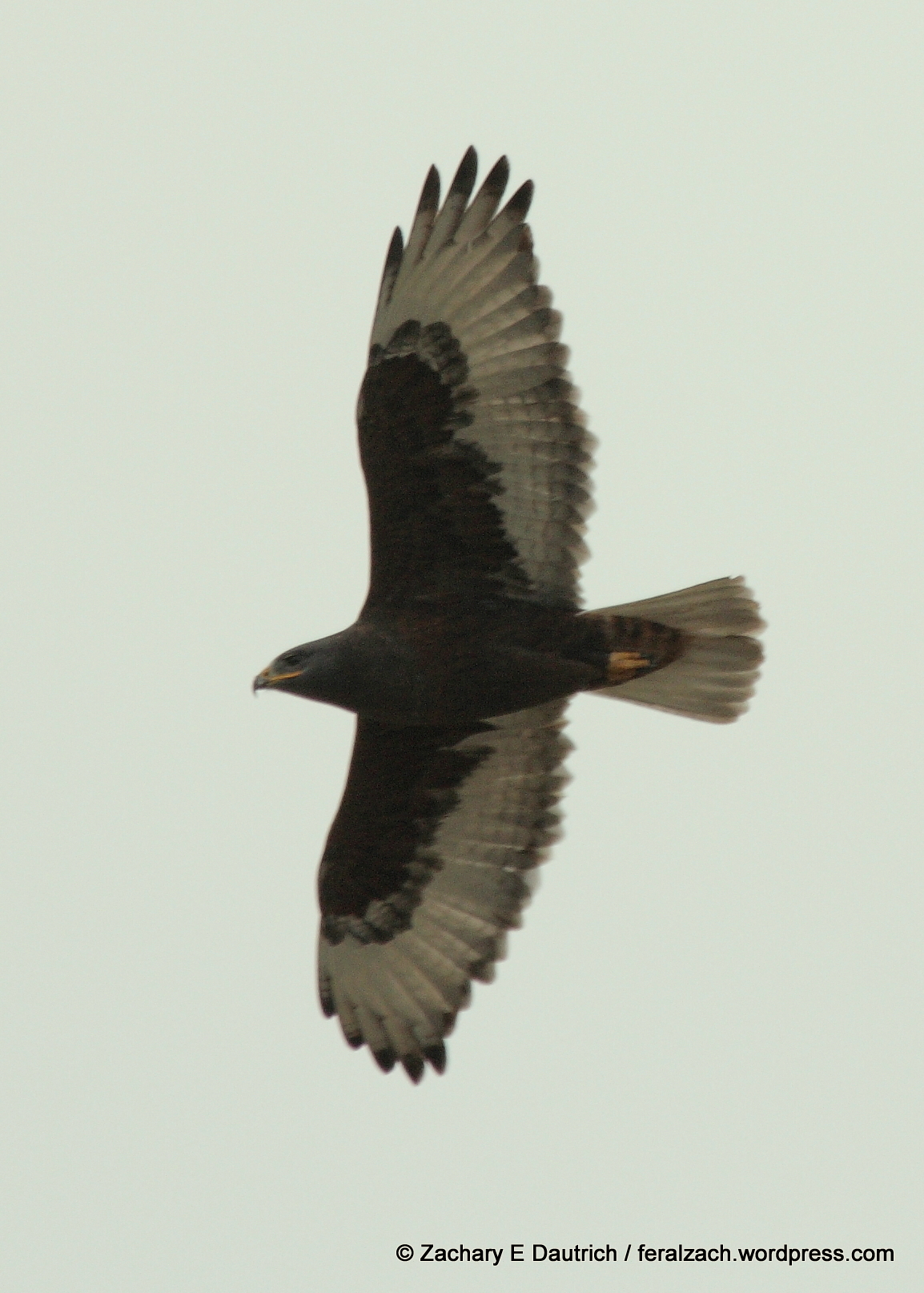
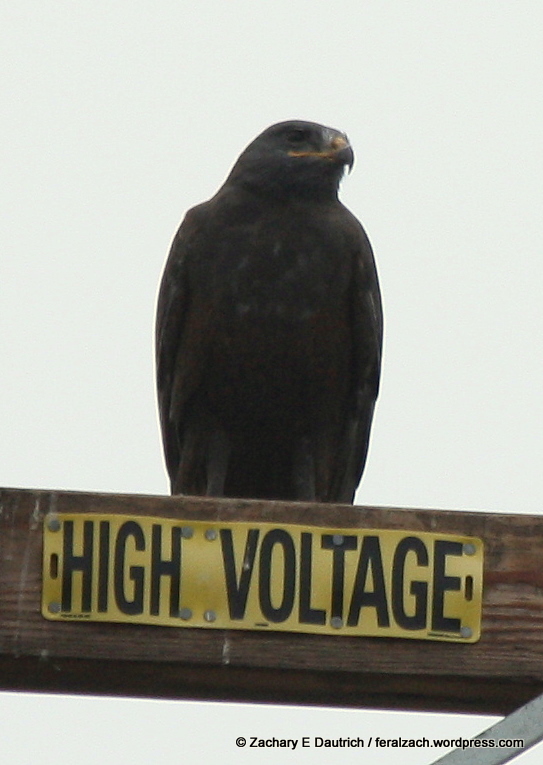
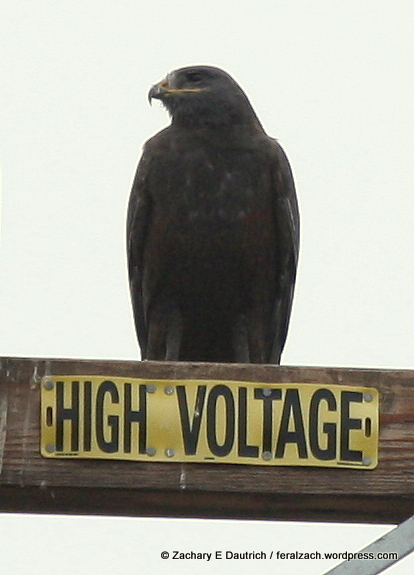
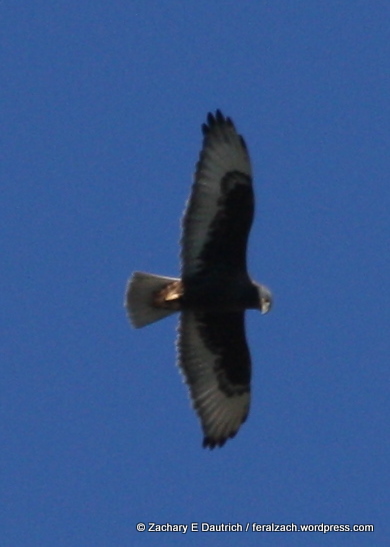
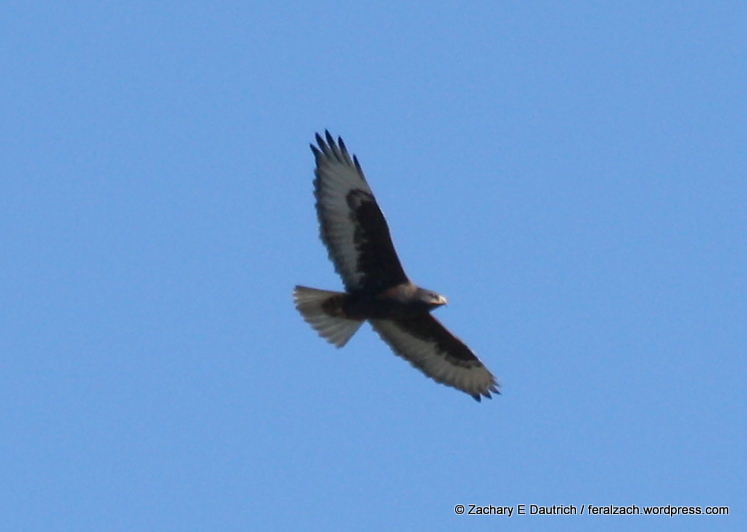
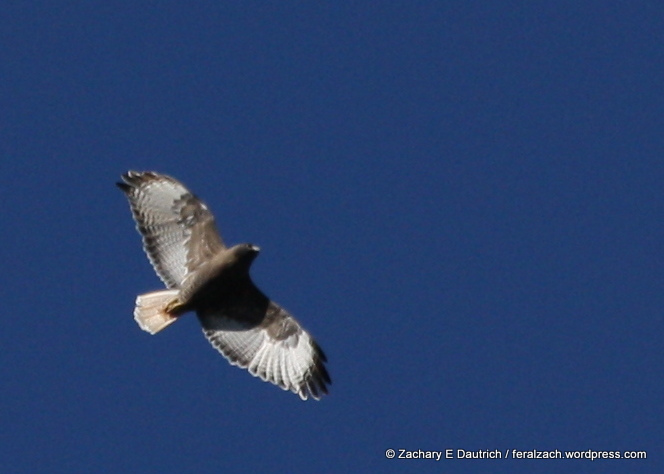
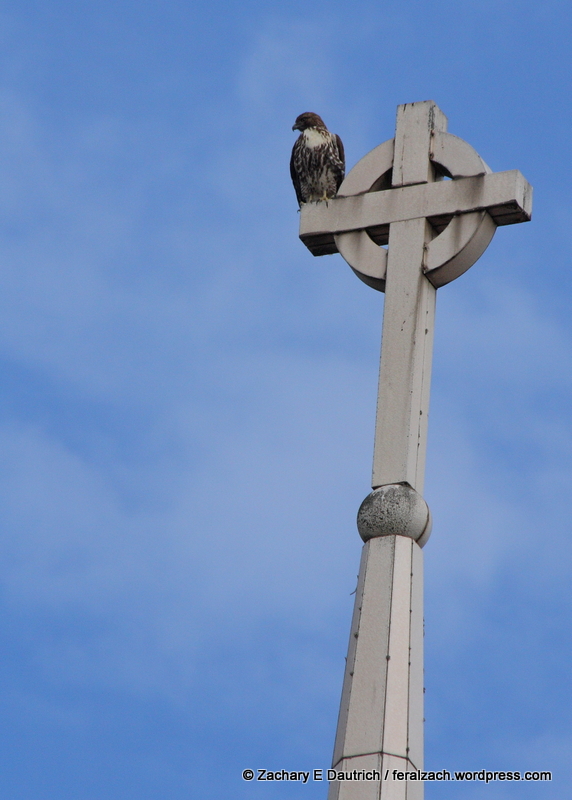
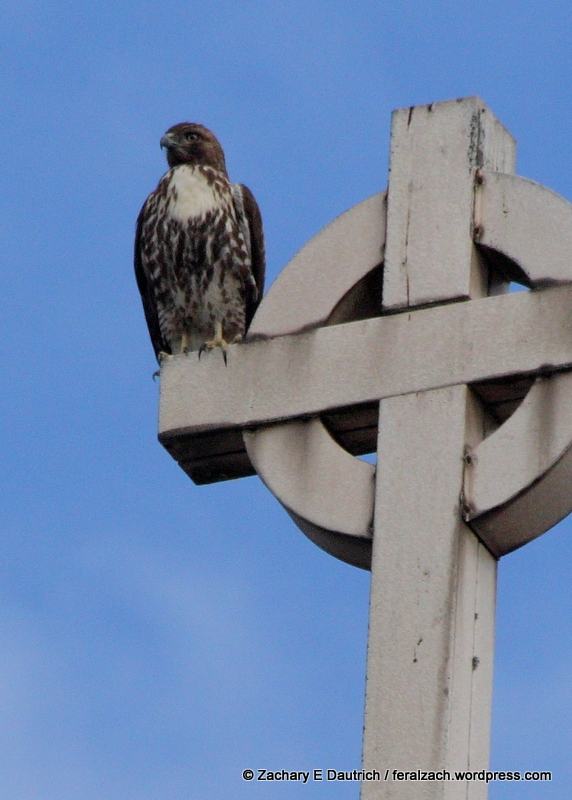
We saw a dark morph ferruginous hawk in Sonoma County the other week (!!), it’s been hanging around with a light morph ferruginous hawk in an area that also has at least one dark morph red-tailed hawk (probably the one that I photographed and posted here from last year).  A rare treat in Sonoma County to see ferruginous hawks of any plumage – the largest hawk native to the United States.

dark morph ferruginous hawk / Sonoma County CA

dark morph ferruginous hawk / Sonoma County CA

dark morph ferruginous hawk / Sonoma County CA

dark morph ferruginous hawk / Sonoma County CA

dark morph ferruginous hawk / Sonoma County CA

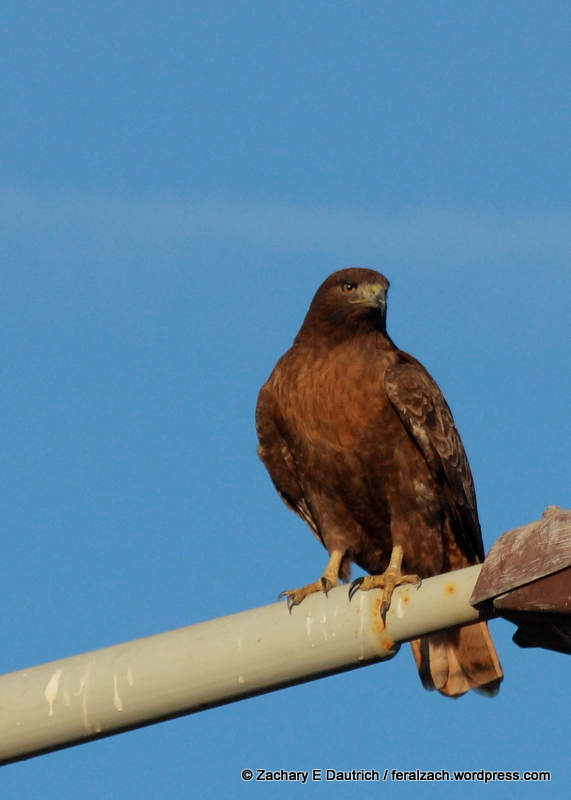
dark morph red-tailed hawk / Sonoma County CA

white-tailed kite / Sonoma County CA

back in the skies!

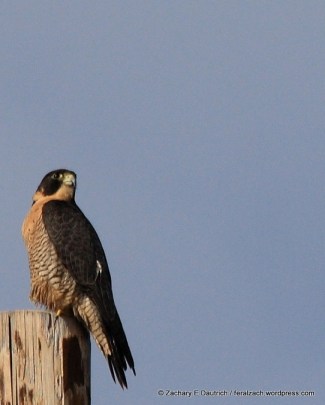
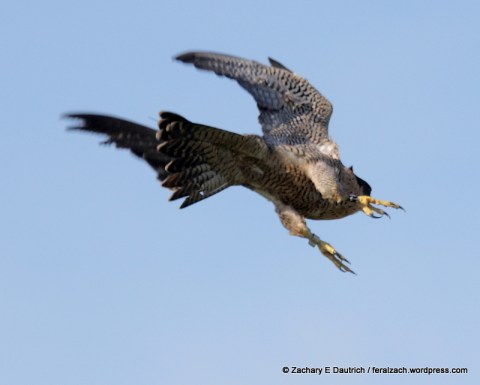
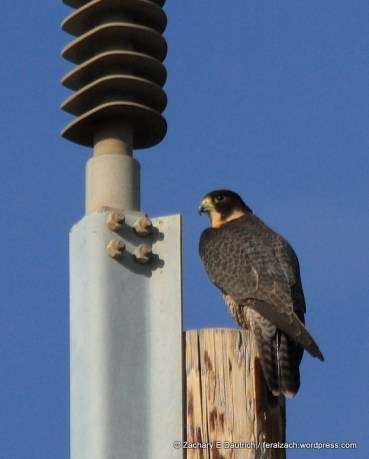
Happy news for our falcon friend from Oakland that was shot along with two of her fledglings a little over a year ago (see link and link) – she is scheduled to be released back into the skies! Whatever destiny is hers to follow, it will be on her own wings and flying free. Good luck Haya! Many many thanks to all the people who worked so hard to make her release possible.

From the Lindsay Wildlife Museum’s Facebook page (link):

“After spending a year and a half in care and going through three surgeries, a bone infection, countless radiographs and anesthesia, broken feathers and falconry training, it is with great pride that we announce that Haya has been evaluated

and will be released! We are hoping to release her in the next couple of weeks. Be sure to sign up for our release program for an opportunity to see her return to the wild!http://wildlife-museum.org/hospital/releasesThis has been a long and incredible journey for this falcon as well as for those caring for her. We would like to extend our deepest gratitude to all of you who have been following her progress. Without your constant support we would not be able to help animals like Haya return to their wild lives.”

Her one surviving offspring, a huge female falcon named Marina, is unable to be released and will spend the rest of her life in captivity (and I seem to recall that she is being used as a surrogate mother for captive breeding ).

I took this picture the evening before she was shot – she was feisty as ever, yelling at some of the bridge workers (for whom she had developed a distaste, since they had escorted bird banders weeks prior up to her nest to band her fledglings – she always recognized their uniforms and was proactive in “defending” her nest area after that intrusion).

Haya May 31, 2012