
check out my new blog, chasing mountain lions!!!
I’m excited to announce that I’ve started another blog that I’ll be updating in addition to this one – it’s an offshoot of feralzach that will specifically be following my time in Colorado this summer where I am working on a mountain lion study project!!
I’ll continue to post nature posts on feralzach, but I’ll have more detailed info about my work in Colorado this summer at chasingmountainlions – so check it out and sign up to “follow!”
zd
Swainson’s hawk … on the coast?
Yes. It was. I know all of you are flabbergasted.
Actually, it was my first (conscious) sighting of a Swainson’s hawk. During the winter they migrate to South America, around April they are found in the Central Valley of CA. I was surprised to see one so close to the coast, it was quite a treat in addition to the beauty of Pt Reyes.
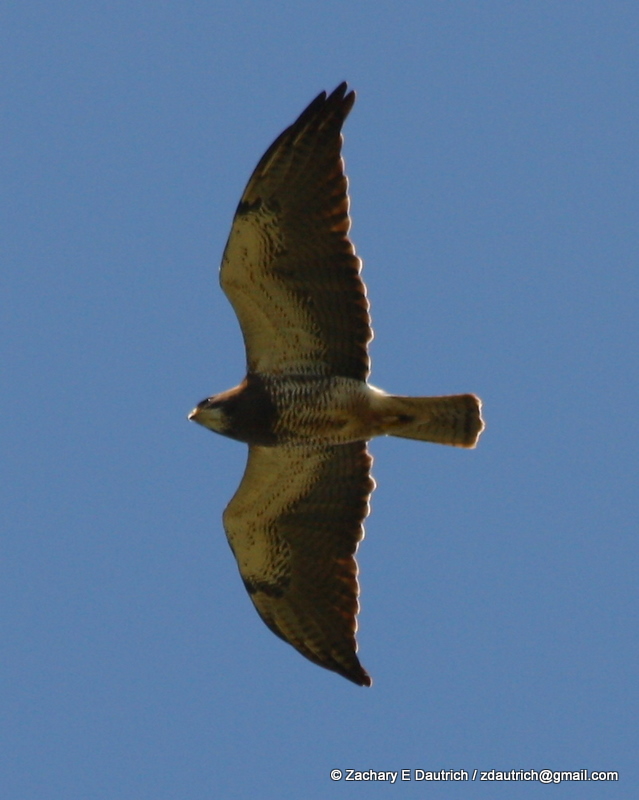
swainson’s hawk 01 / Pt Reyes NS CA
fledging coastal falcons – pt I
Teaser!!
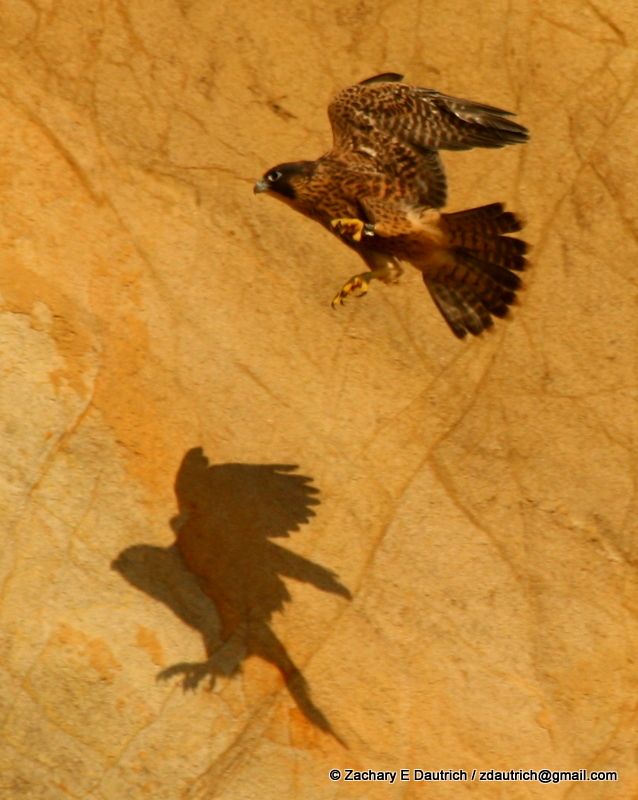
recently fledged peregrine falcon juvenile / Northern CA coast
We caught this recently fledged peregrine in flight (an AWKWARD flight, it was – look at those sprawled legs!!) trying to move across the cliff to get some dinner that a parent deposited just far enough away to require some flight practice for the young ones. It’s landings were also still shaky, but it did reach the prize. More to come …
solar eclipse May 20, 2012 – pt I

solar eclipse Albany, CA / May 20, 2012
Quite a sight to behold (indirectly). More pics to come …
east coast dinosaurs n such
This week I spent some time on the coast in South Carolina … lush, thick, vibrant greenery; tidal marshes penetrated by thin waterways that look like blood vessels when viewed from a plane above, infusing life into the watery landscapes whose heartbeat is the pulse of the tides that pump in and out each day. The flat, sandy coastal pine forests of North Carolina transition quickly into the marshes and swamps found in South Carolina, a land/water-scape which intensifies in density, variety and beauty as it proliferates down through Georgia and Florida and wraps around the Gulf Coast. This place is, for now, the border between a more constant warm climate to the South and a seasonal fluctuation of weather for lands to the North.
I say for now because of the general warming trend that has influenced the behavior of creatures such as the wood stork, which typically nests in Florida, but has now started to nest further north in South Carolina as temperatures increase globally. I took these pictures in Pickney National Wildlife Refuge, which now has fresh water ponds roped off this time of year due to the endangered wood stork nests in the area (new this past year or two) in addition to the normal rookeries of tri-colored herons, cattle egrets, and ibises.
The wood stork looks like the missing link between dinosaurs and birds, a miniature pterosaur-like creature that escaped the fate of its Cretaceous mates and who secretly lives on here on Earth, just waiting to re-establish the kingdom of “terrible lizards,” (aka dinosaurs) in case humans (and the next logical alternatives, apes, cockroaches and/or “Jersey Shore” mutants) don’t make it …
 wood stork / Pickney Island Wildlife Refuge SC |
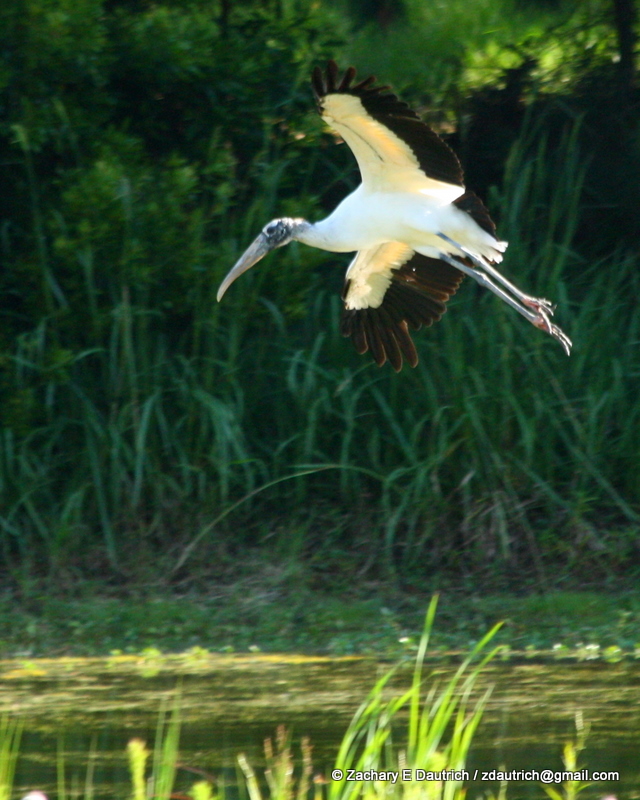 wood stork landing / Pickney Island Wildlife Refuge SC |
This time marks the brightest view of the planet Venus in our sky, it is very close to Earth right now and getting closer, but it will start to dim despite its proximity to us because of its position relative to the sun (it is “waning” similar to how we see the moon in its phases – though the moon is always approximately the same distance from us, as opposed to planets). Look now to the West in the evening to see Venus at its brightest, even with binoculars you might be able to see some detail of one our closest neighbor plants.

waxing moon and venus
In addition to the wood storks and other wading birds, I saw another special sight … the ibis (both the rare white ibis and the white-faced ibis).
 white ibises and white-faced ibis / Pickney Island Wildlife Refuge SC |
 white ibis stand / Pickney Island National Wildlife Refuge SC |
 white ibis in flight / Pickney Island National Wildlife Refuge SC |
I always appreciate seeing a great blue heron, this one sat on the side of the pond, still looking spectacular, while some of these other less commonly seen birds (for my eyes!) captivated me and dominated the viewfinder of my camera. The crows, osprey and brown pelicans (not pictured) also transfixed me, as usual. Another treat was seeing an anhinga (relative of the cormorant) who perched close by to preen for a bit – also known as a “snake bird” due to its habit of floating just under the surface of the water with only its long, thin neck and head showing.
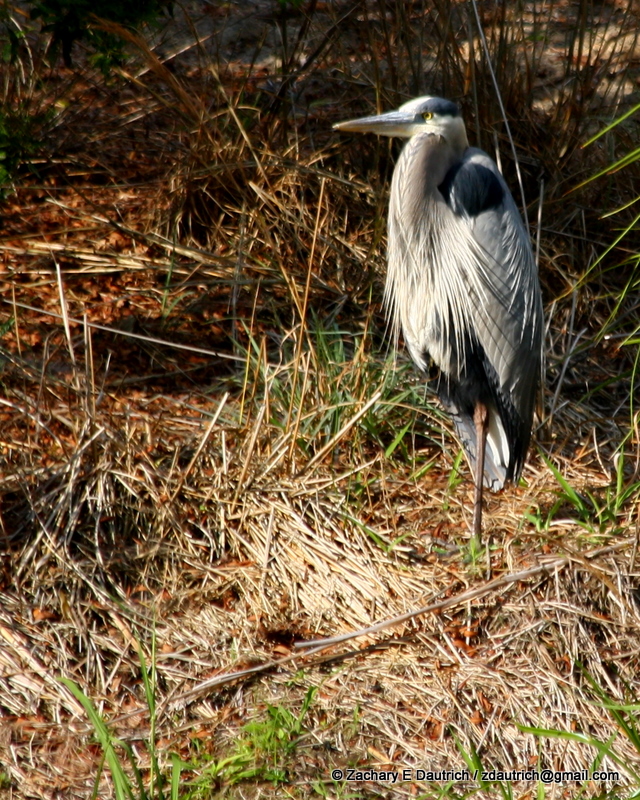 great blue heron / Pickney Island National Wildlife Refuge |
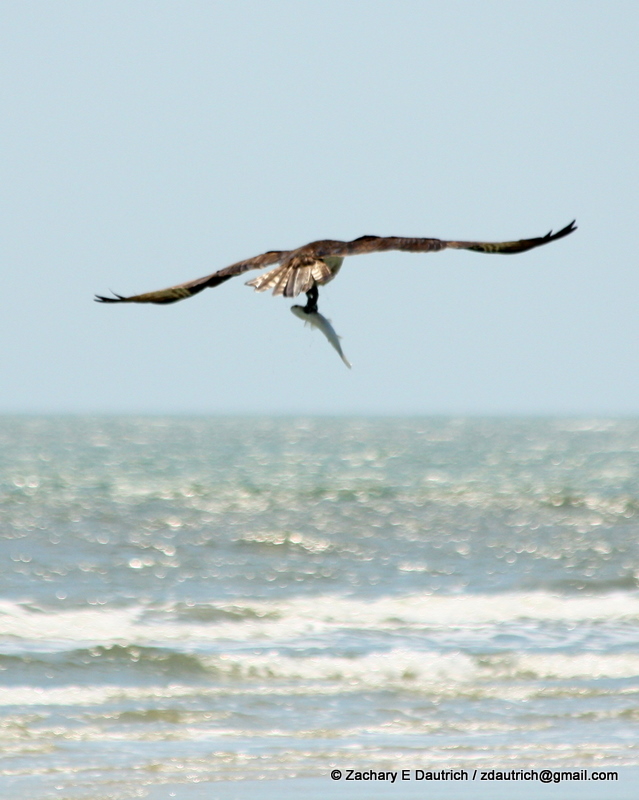 osprey with fish / coastal South Carolina |
 anhinga / coastal South Carolina |
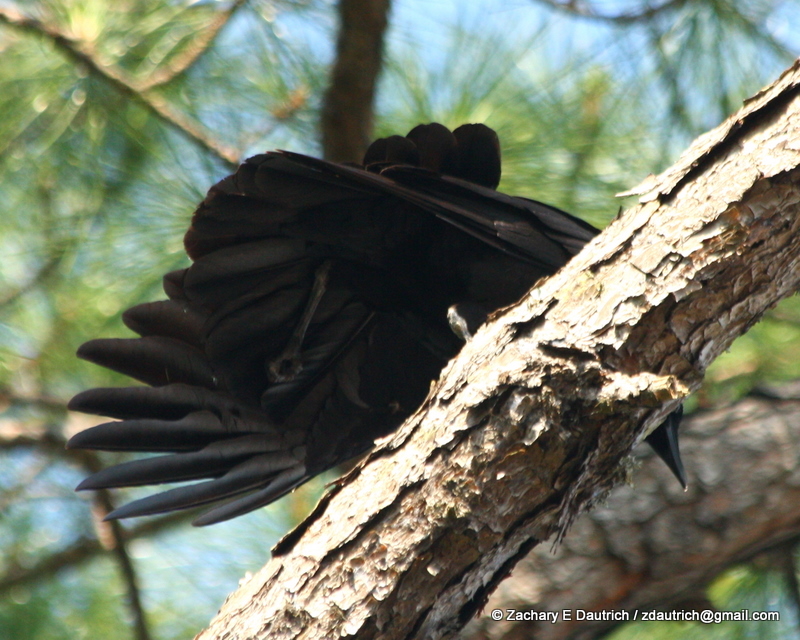
morning stretch, crow / coastal South Carolina
 osprey with fish / coastal South Carolina |
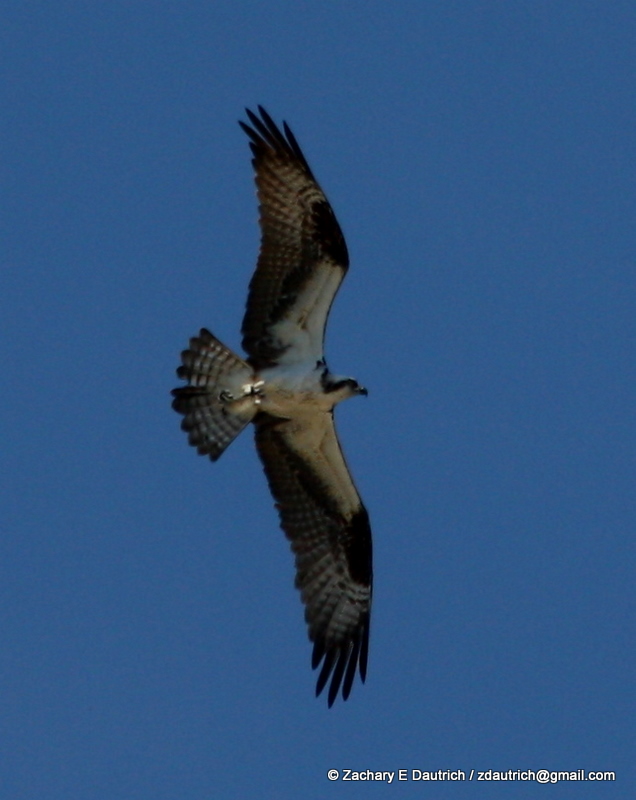 osprey soaring / coastal South Carolina |
 osprey / coastal South Carolina |
 moth / coastal South Carolina |
 mystery lizard (anole?) / coastal SC |
 butterfly / Pickney Island National Wildlife Refuge SC |

special grandfather live oak tree w moss / coastal SC

keebler elves and random shots from mount diablo foothills
It can’t always be eagles, falcons and coyote sightings. Well, that would be ok with me, but it just doesn’t usually work that way. As I am drawn to a land because of my connection with a certain creature, my relationship with that land deepens and every moment yields a new discovery.
Perhaps one of the biggest discoveries to date … I stumbled upon what I believe to be THE original Keebler elf tree (sans elves):
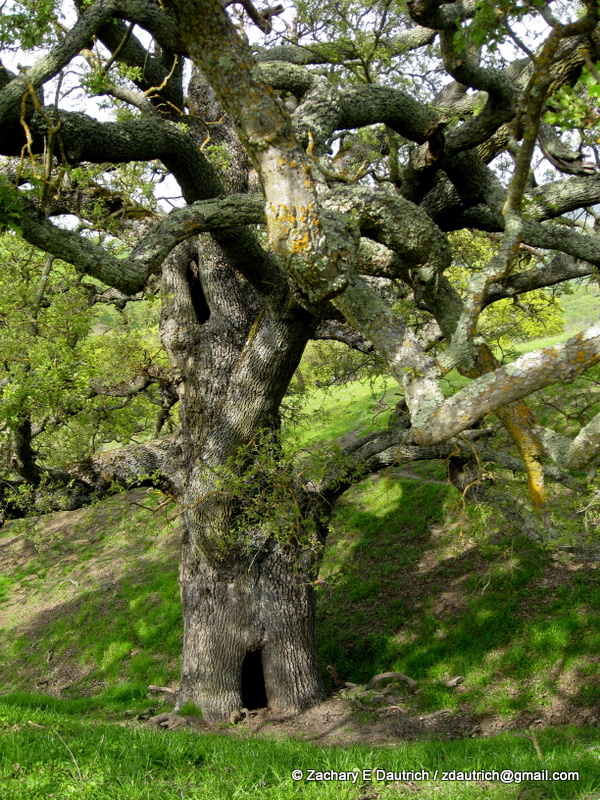 the original keebler elf tree? - valley oak / Diablo Foothills CA |
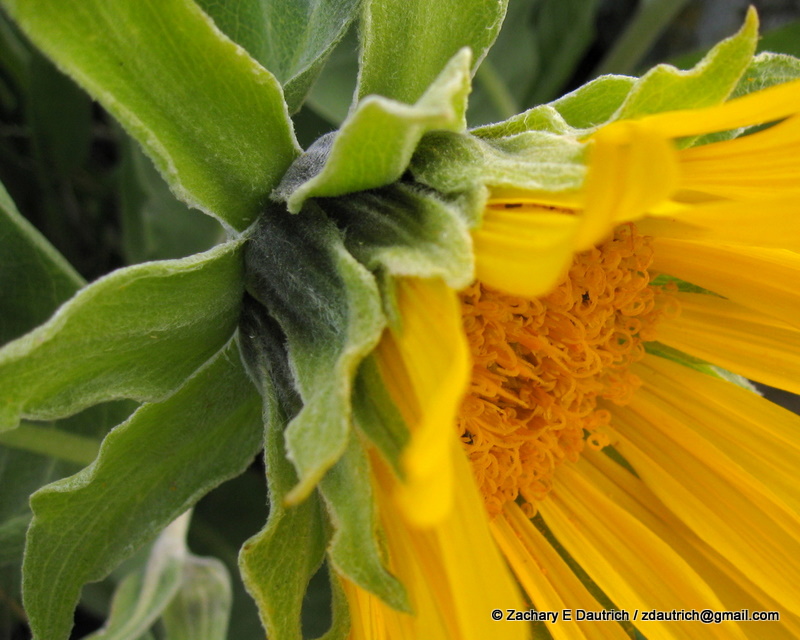 flower / Diablo Foothills CA |
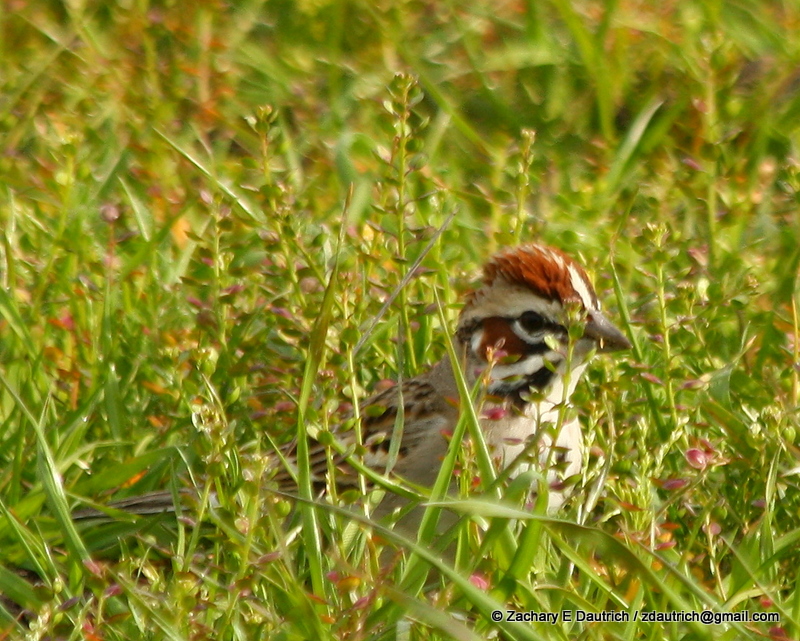 lark sparrow / Diablo Foothills CA |
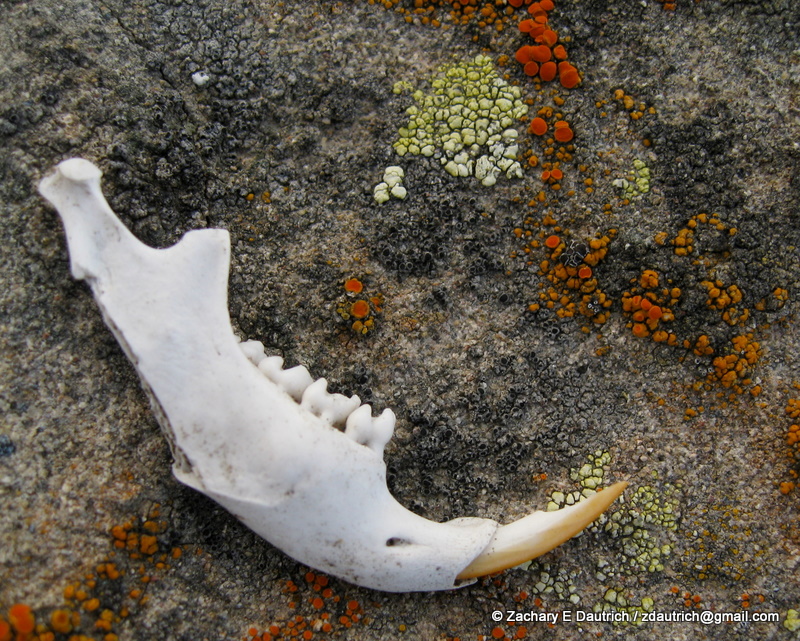
gopher jaw on rock with lichen / Diablo Foothills CA
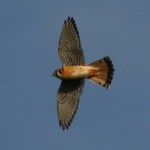
Ok, maybe one falcon …
 american kestrel 01 / Diablo Foothills CA |
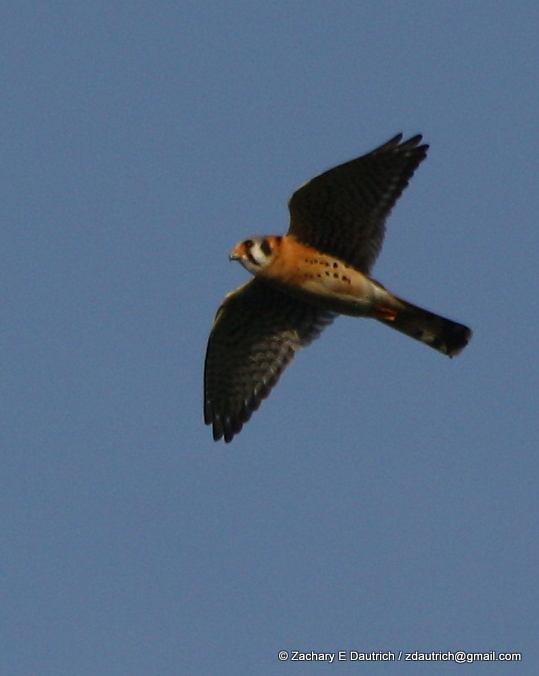 american kestrel 02 / Diablo Foothills CA |
Leaving the other night, just as I had put away my camera thinking my equipment was too dark-challenged, a great-horned owl appeared on the top of the cliff and started to hoot, each time bending over and forward while fanning and lifting its tail up 45 degrees. It’s mate replied nearby, and I was left to return to the land of people feeling very grateful.
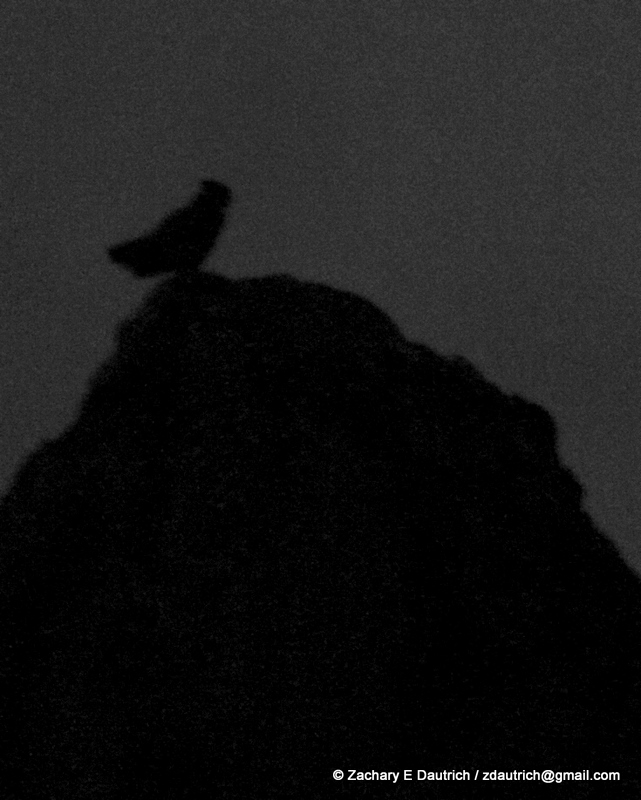
great-horned owl silhouette on cliff-top / Diablo Foothills CA
coyotes
I had the pleasure of surprising these two coyotes the other day as I searched for the eagles at Mount Diablo. At one point I was watching the two coyotes coasting over the landscape to my left and two golden eagles feeding on the ground to my right, all in the same valley. Wow.

coyotes / Mt Diablo CA
It reminded me of another time I surprised a coyote (not easy to do), it was last Autumn on the Sonoma Coast. I was upwind and this coyote had plopped down below me on a knoll and started to clean himself. I approached and was very close to him – he only realized I was there when he heard the sound of my camera shutter, which was captured in the first shot seen below of an indignant coyote giving a piercing stare due to surprise and his bath-time interrupted.
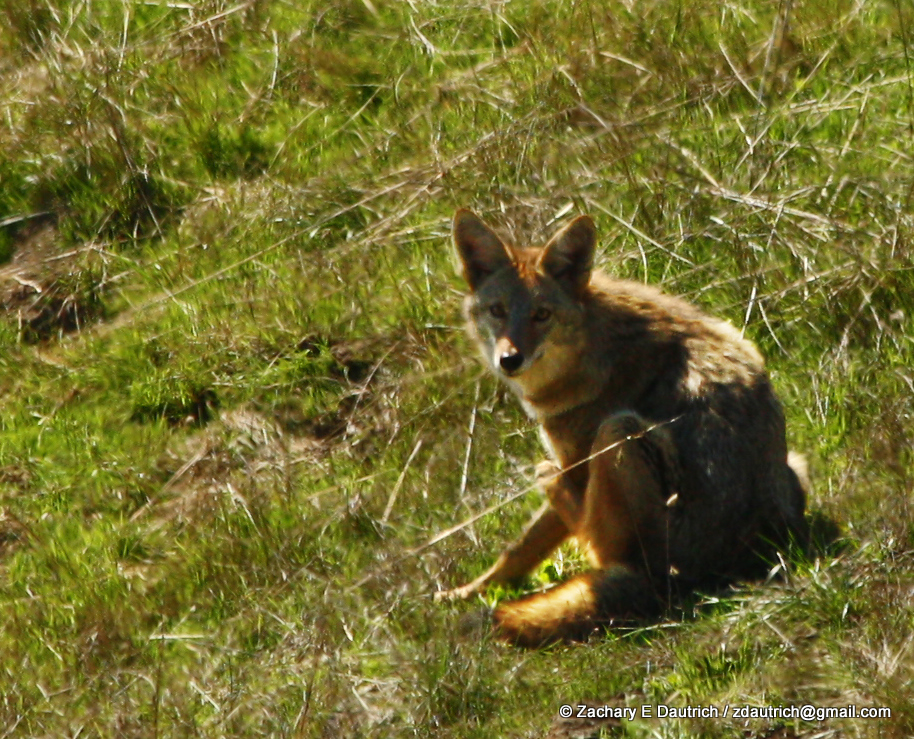 surprised coyote / Sonoma Coast CA |
 levitating coyote 02 / Sonoma Coast CA |
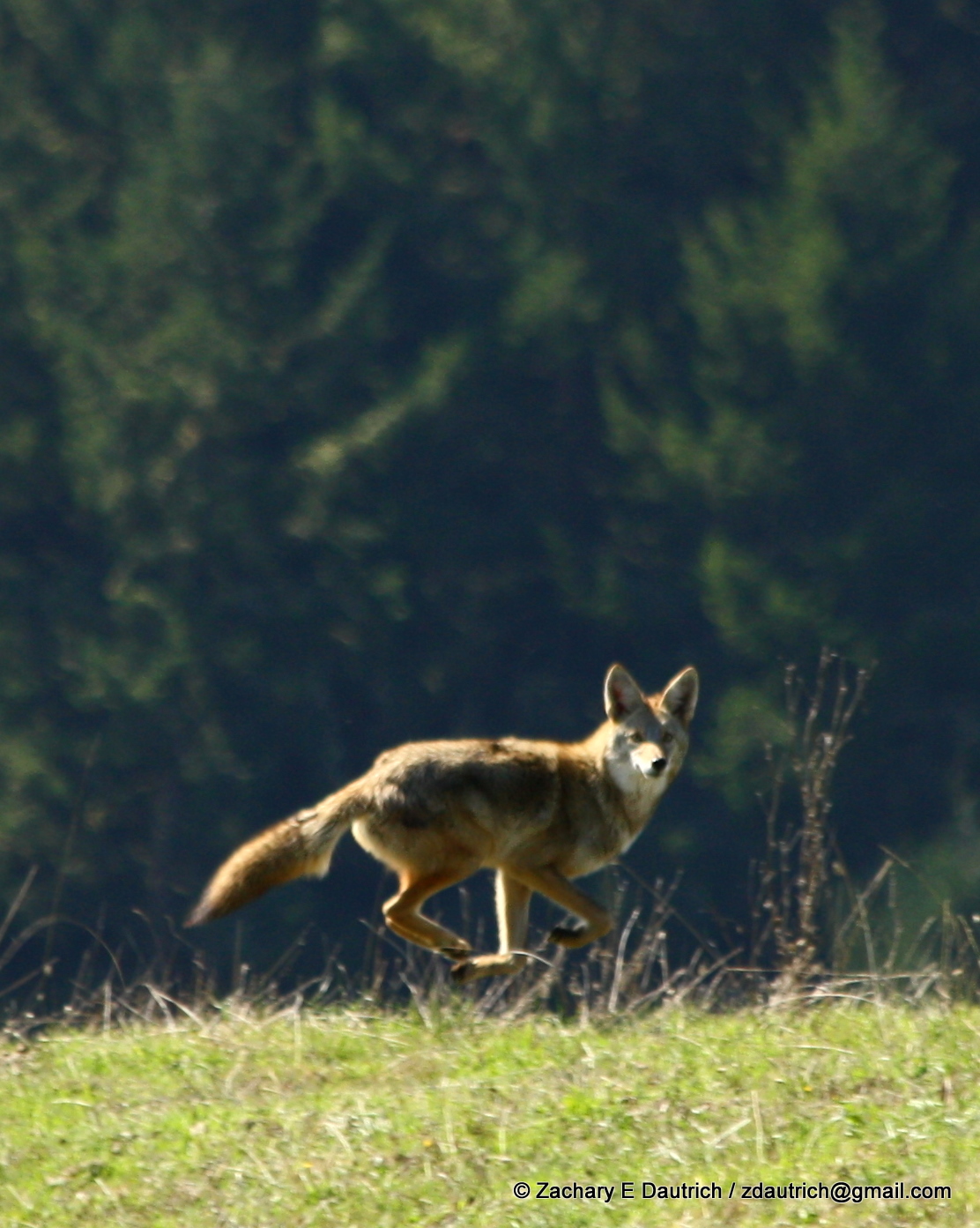 levitating coyote 01 / Sonoma Coast CA |
As I was searching for the coyote pictures above, I stumbled on this picture I had taken of a black-tailed deer that same day – its antlers blended with the surrounding plants (cow parsnips) to make an interesting shot of animal form mimicking plant form.

black-tailed deer / Sonoma Coast CA
the osprey have returned
The osprey have returned to Lafayette Reservoir from their wintering grounds to the south, and the white pelicans are still hanging around as well. Pelicans were one of the birds (along with bald eagles, peregrine falcons, and osprey) that almost went extinct in the lower 48 states due to DDT poisoning until it was banned in the 70’s. It’s taken a lot of time and energy by many many dedicated people, but all of these species are examples of successful re-population efforts by humans.
My blog and my life would be much emptier if they were gone. Many thanks to those that saved these beautiful creatures.

osprey and vulture 01 / Lafayette Reservoir CA
 osprey 02 / Lafayette Reservoir CA |
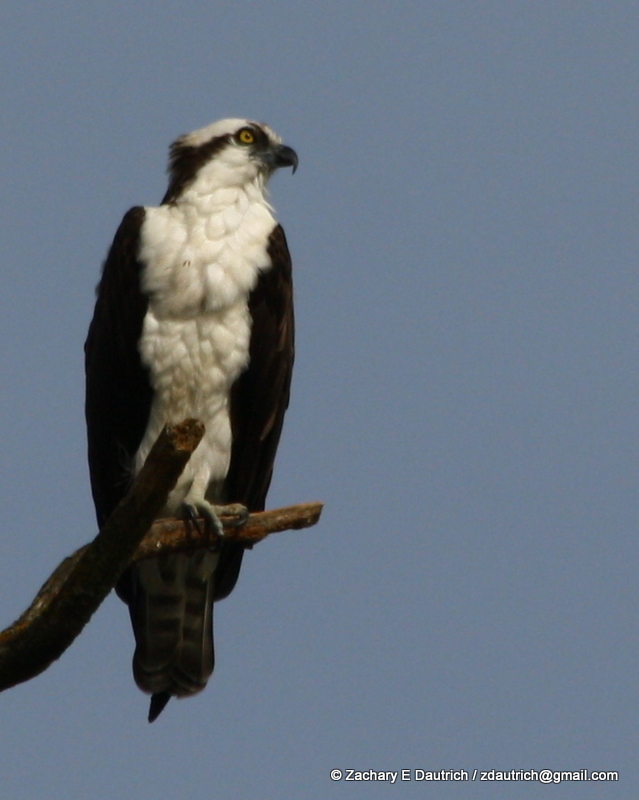 osprey 03 / Lafayette Reservoir CA |
The song sparrows hopping around the tule reeds at the edge of the reservoir were singing, this one popped out and stood still long enough to allow me to watch a brief serenade.
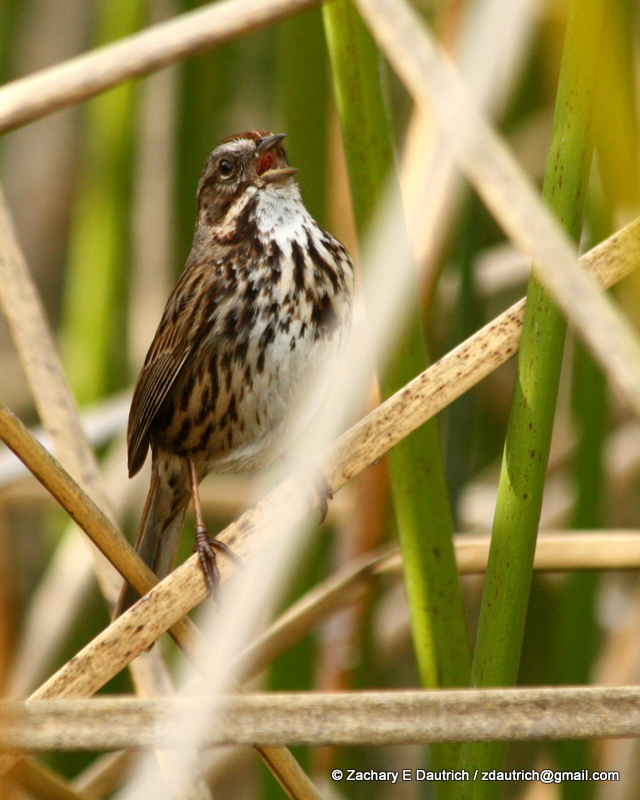
song sparrow singing / Lafayette Reservoir CA
The pelicans were busy harassing the osprey, it’s good osprey are such successful hunters or I don’t know how they’d survive. If it’s not pelicans trying to steal their fish, it’s the cormorants pestering them as soon as they make a catch. One of the pelicans scored a huge fish on its own though, and the other pelicans even tried to steal that (successfully – it changed “pouches” a number of times).

white pelican 01 / Lafayette Reservoir CA
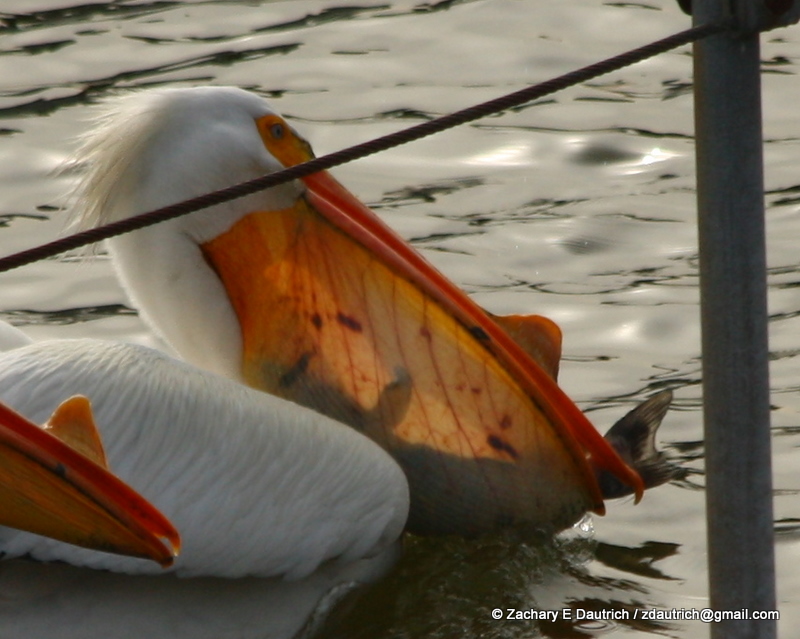 white pelican 02 / Lafayette Reservoir CA |
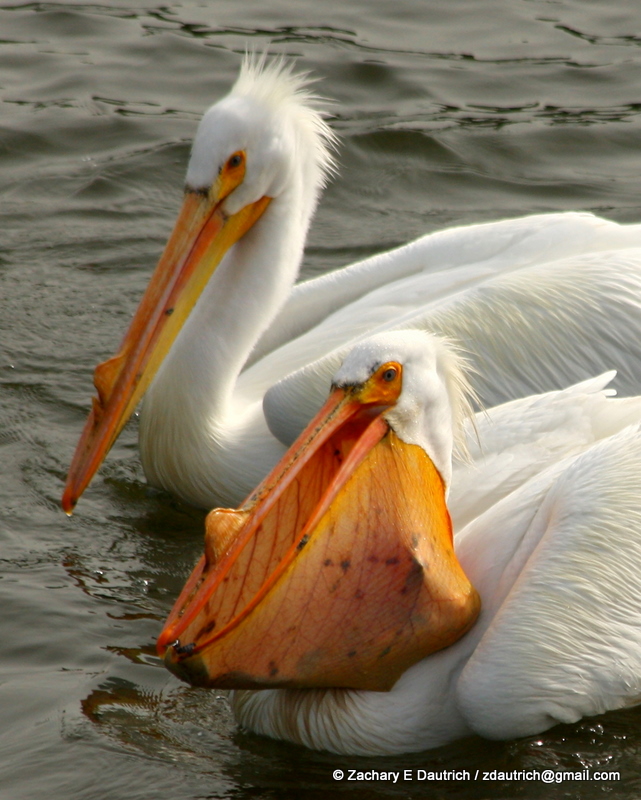 white pelican 03 / Lafayette Reservoir CA |
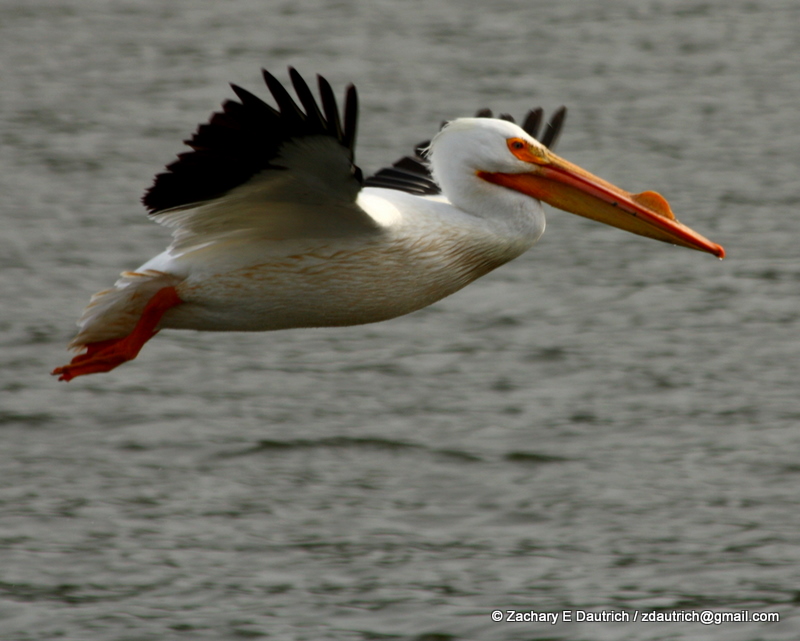 white pelican 04 / Lafayette Reservoir CA |
 white pelican 05 / Lafayette Reservoir CA |
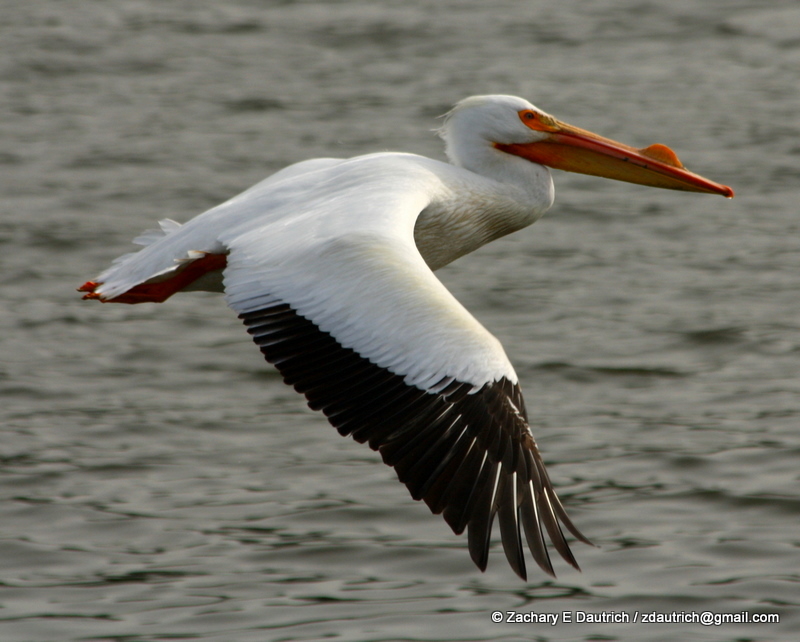 white pelican 06 / Lafayette Reservoir CA |

white pelicans 07 / Lafayette Reservoir CA
the dragon of mount diablo

alligator lizard 01 / Mt Diablo CA
This beautiful snake-like lizard was sunning itself right on a trail at Mount Diablo, we saw it despite having our eyes on the sky following a pair of golden eagles. A few months ago I found one of these in my house behind my kitchen garbage can.
I prefer seeing them on a trail.
 alligator lizard 02 / Mt Diablo CA |
 alligator lizard 03 / Mt Diablo CA |
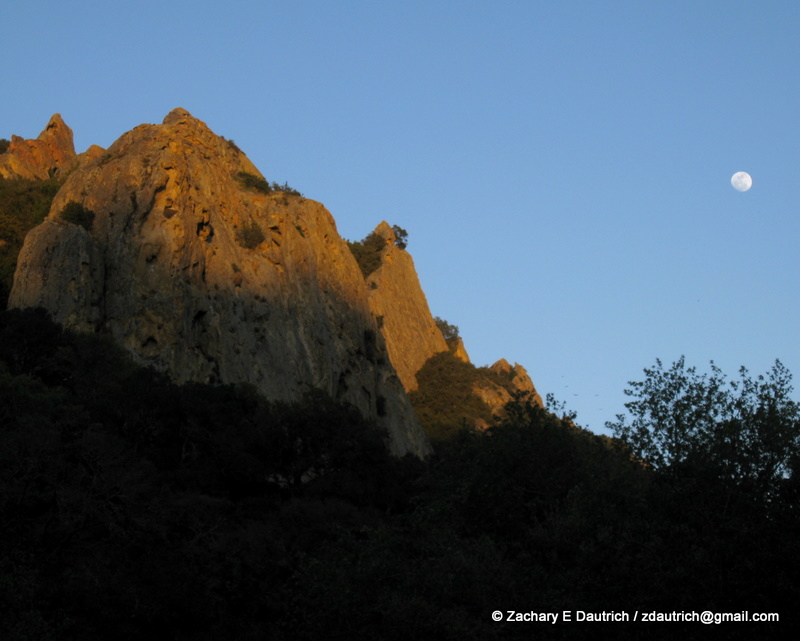 sandstone cliffs of pine canyon / Mt Diablo CA |
 valley oak tree at sunset / Mt Diablo CA |
nkj
pelicans
Evidently I’m very backlogged on the blog – I’m backblogged? Bloglogged? I have no apology, as I much prefer the “out time” as opposed to the “in time.” Yin and yang, gotta find that balance I suppose.
Anyway, one of my favorite birds is the pelican. Watching brown pelicans glide over the surf, bobbing gently up and down as they coast inches over the undulating waves, is sublime. They are HUGE. Yet fly with such grace. The white pelicans are equally as beautiful, but have a different hunting style and have their own flair. Alas these photos ironically only feature the brown pelican sitting on the water, and the white pelican coasting in for a landing. Hey! I’m working on it. Undulating brown pelicans to come …
 brown pelican 01 / Berkeley CA |
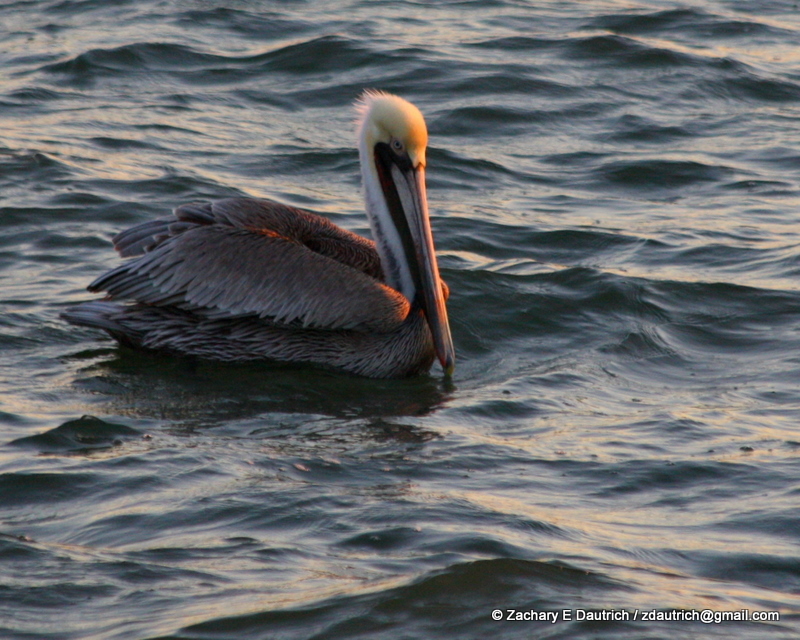 brown pelican 02 / Berkeley CA |
This white pelican put on a display at the reservoir in Lafeyette, CA.

White pelicans are more of a fresh water species, but even without the waves of the ocean to guide their flight, when they fly it is unforgettable. Landing #1 …
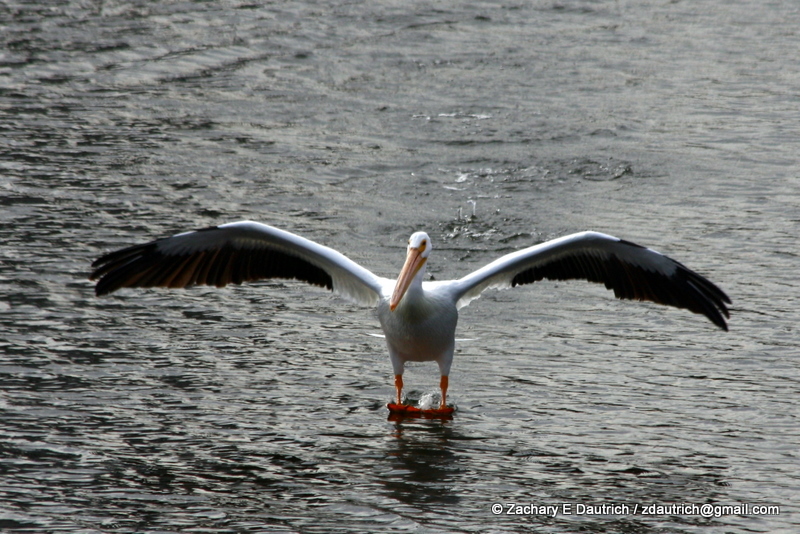 white pelican landing 01 / Lafayette Resevoir CA |
 white pelican landing 02 / Lafayette Resevoir CA |
And landing #2 …
 white pelican landing 03 / Lafayette Resevoir CA |
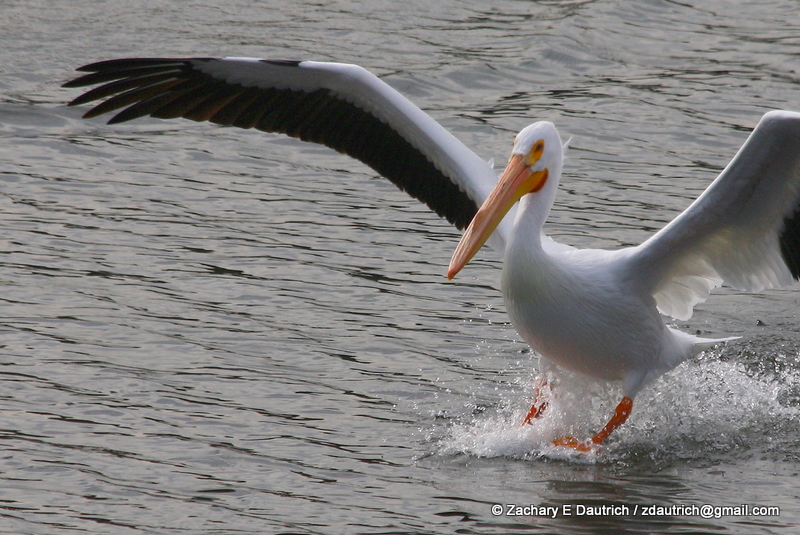 white pelican landing 04 / Lafayette Resevoir CA |

skulls
these lands are fertile for flying raptors, the skies a constant danger for the furry four-legged ground squirrels who’s burrows dot the landscape, with runs that dissect the grasses connecting those holes like a real-life connect-the-dots picture
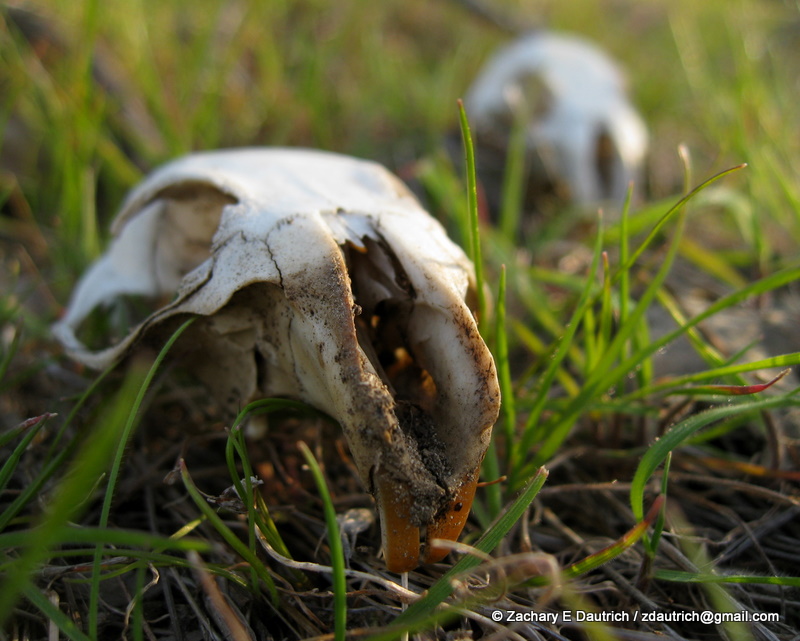
CA ground squirrel skulls / Mount Diablo CA
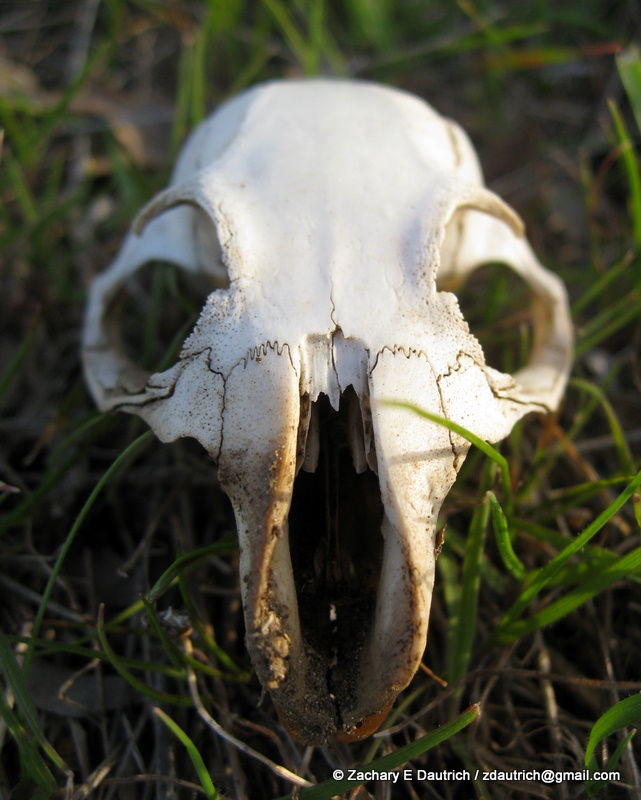
CA ground squirrel skull / Mount Diablo CA
newt!!!
With the rains come the red-bellied newts …

red-bellied newt / Tilden Regional Park CA
And the banana slugs.
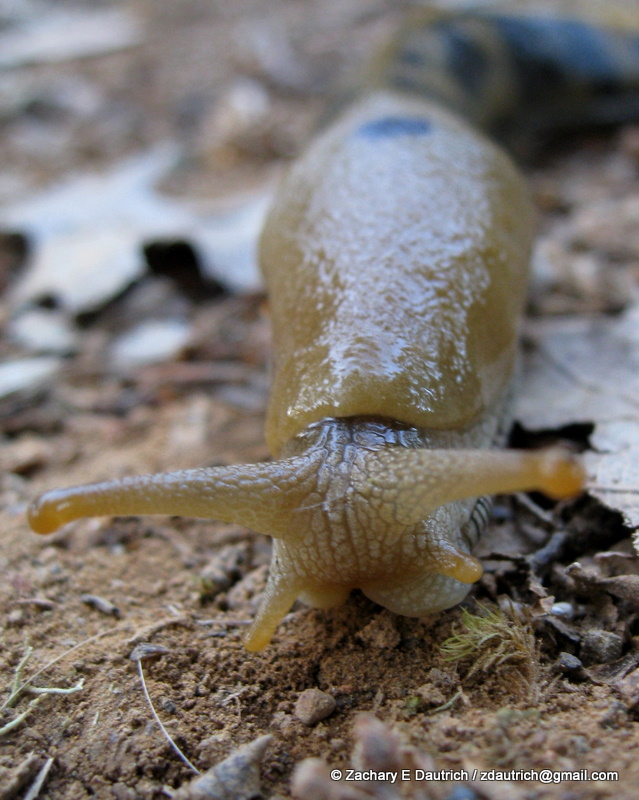
banana slug / Tilden Regional Park CA
golden gate bridge red-tailed hawks

red-tailed hawk 01 / Golden Gate Bridge CA
The other weekend we were exploring the San Francisco side of the Golden Gate Bridge by Chrissy Field and Fort Point when this red-tailed hawk was attempting a landing in a nearby tree. It was getting buffeted around by the strong winds funneling through the entrance to the Bay – the surfers and wind surfers loved it – the bird, seemingly not so much.
 red-tailed hawk 02 / Golden Gate Bridge CA |
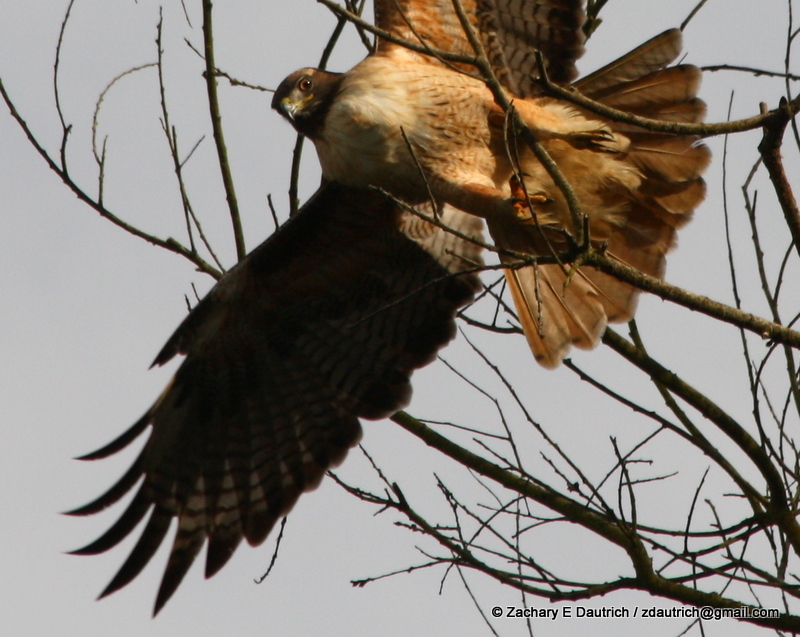 red-tailed hawk 03 / Golden Gate Bridge CA |
After braving the winds and crowds under the San Fran Bay side of the bridge, we headed over to the Marin Headlands. The winds were brutal at Hawk Hill as well, but the red-tails were taking full advantage as the they floated effortlessly in the wind as if hung from an invisible cord from the sky.
 red-tailed hawk 04 / Marin Headlands CA |
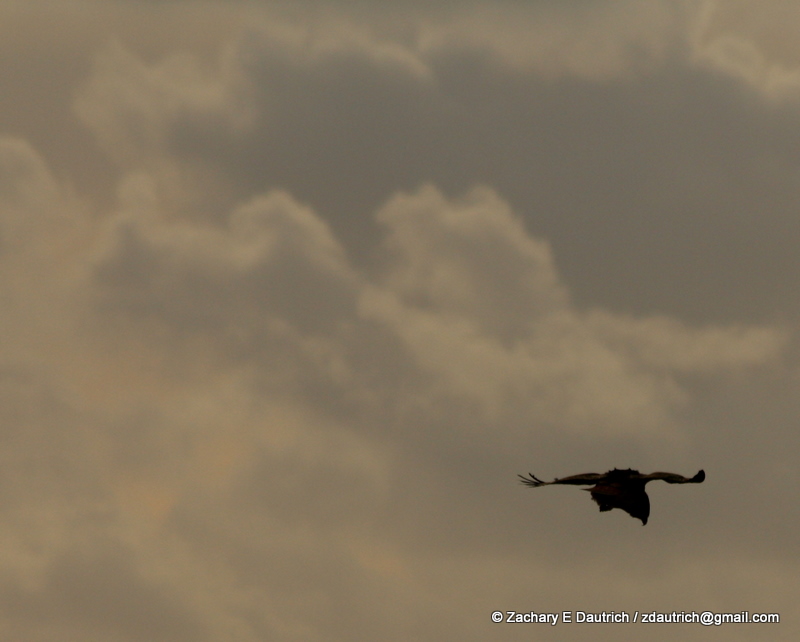 red-tailed hawk 05 / Marin Headlands CA |
 red-tailed hawk 06 / Marin Headlands CA |

red-tailed hawk 07 / Marin Headlands CA
The GG bridge red-tail eventually gave up on the precarious branches in the high winds and sailed on to sturdier perches …

red-tailed hawk 07 / Golden Gate Bridge CA
random shots from point reyes
The plants at these beaches LOVE the rain, fog, and overcast weather … they seem to glow when the sun is hiding. Literally glow. The wind is a constant factor here, always sculpting the landscape in new and interesting ways. This lone dune grass in the flats became the instrument of the wind on a sandy canvas, with the trickster coyote leaving his signature on it so the wind didn’t get all the credit.
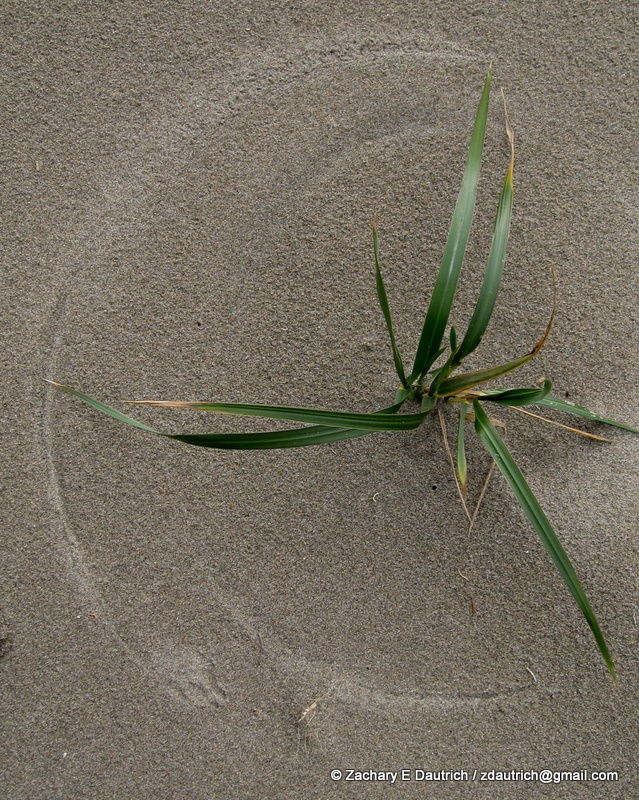 dune grass wind art with coyote track 02 / Point Reyes National Seashore |
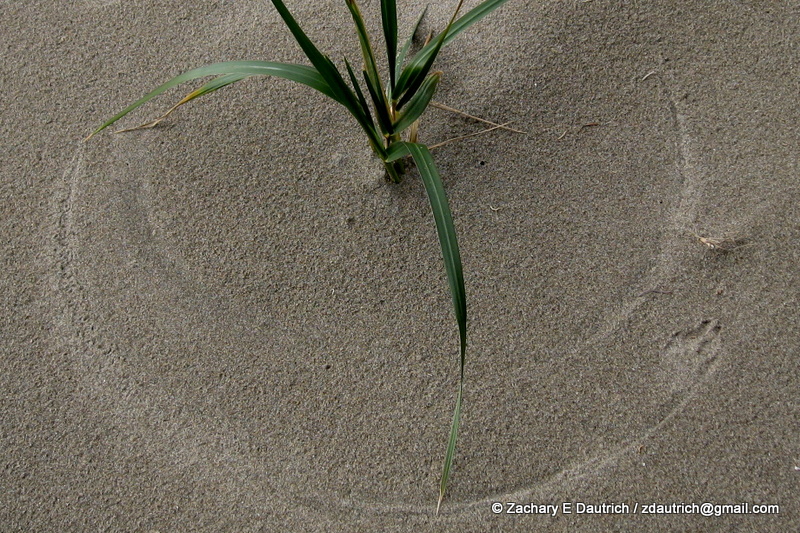 dune grass wind art with coyote track 01 / Point Reyes National Seashore |
The wind blowing from different directions throughout the morning guided the leaf tips to leave a half-moon pictograph in the sand below, complete with a coyote track.
A few other fun shots:
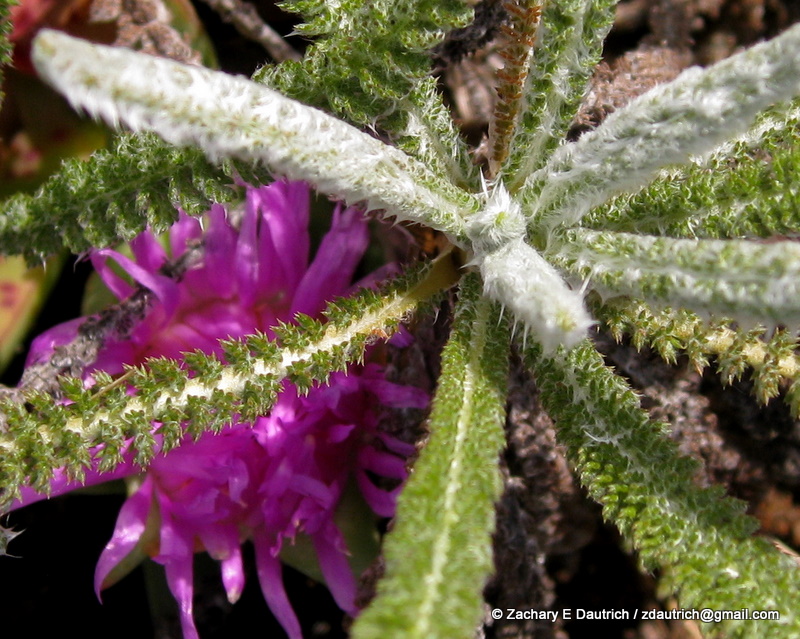 ice plant bloom and beach yarrow (?) / Point Reyes National Seashore |
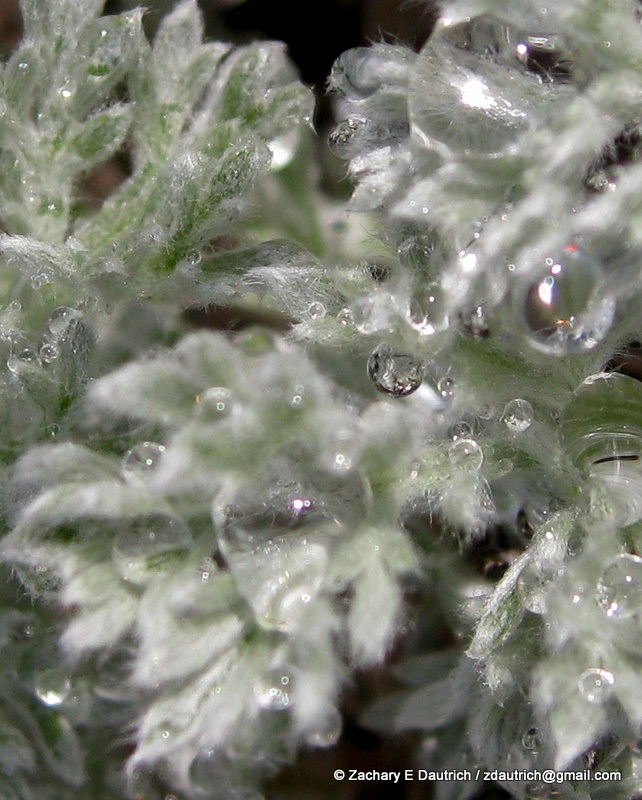 beach plant and rain drops / Point Reyes National Seashore |
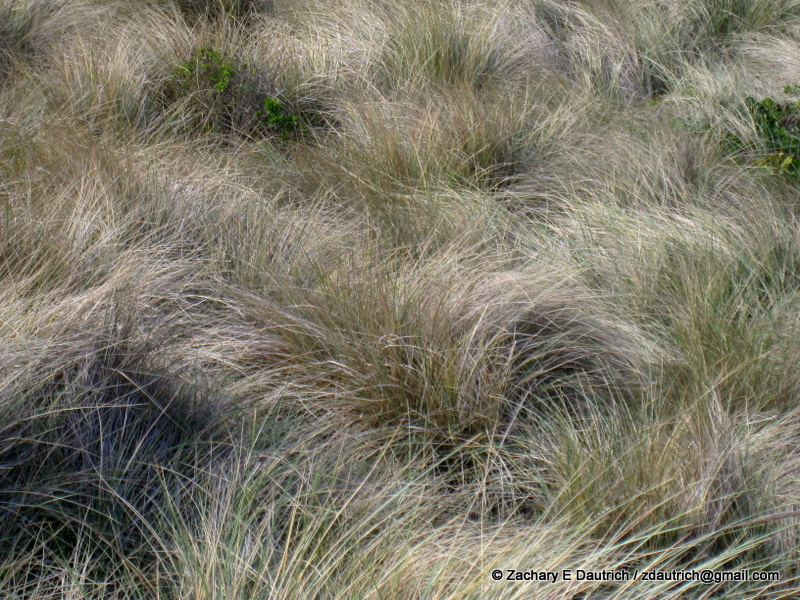 dune grasses / Point Reyes National Seashore |
See, occasionally I look down too!!!!!
coastal cliff peregrine falcons in NorCal
My week of amazing raptor encounters continued again on Sunday after the tracking fun on the beaches. I had seen a peregrine earlier in the day soaring in a kettle of turkey vultures and one red-tailed hawk over the beach, but I was hoping for a closer look. So I went to check on the peregrine falcons that are nesting on a cliff on one of the beaches a few hours north of San Francisco (my first encounter with them depicted here). The eggs should be hatching any day now, which means one of the birds is always on the nest (tucked inside a cave in a cliff, making it difficult to see in) and the other is usually away hunting – I figured it was likely that I wouldn’t see either of them, though the one I saw at a distance earlier was likely one of the pair.
As I walked onto the beach, I first heard, then saw, a peregrine as it whizzed by me in flight up towards the nest area. It brought a huge smile to my face. When I arrived there, one of them was high up on the cliff preening. I decided to keep walking for a bit then come back when perhaps there was more to see at a closer range.
When I returned, there was no sign of them. Just when I was about to leave, still feeling very grateful for an amazing day, one of them came flying in and perched low on the cliff right by where I was sitting!
 peregrine falcon #1 arrival pic-01 |
 peregrine falcon #1 arrival pic-02 |
 peregrine falcon #1 arrival pic-03 |
I consider it a tremendous gift to be able to spend time with these birds, and when they allow me to be so close it is an extra special treat. As I mentioned in my golden eagle post, I always am very careful not to stress the birds when I am observing or photographing them. I want to have close experiences with wildlife, but only on their terms. This one seemed incredibly at ease with me just below, near the bottom of the cliff. I had the gift of watching him (I’m guessing it was the “him” of the pair) preen for almost 30 minutes before it was time for his duty to relieve his mate and incubate the eggs.

peregrine falcon #1 perched
It was likely the strong winds and whipping sands are what prompted him to have his eyes partially shut as in the picture above, but the look certainly added to my sense that he was feeling quite relaxed. Hopefully he’s not tired, they haven’t yet had to start feeding their brood of always hungry eyasses (young falcons).
 peregrine falcon #1 preening pic-01 |
 peregrine falcon #1 preening pic-02 |
I knew that the other falcon was in the nest because on a number of occasions some turkey vultures had flown over and I heard her vocalizing in an agitated way at their presence (again, guessing it was the “her” of the pair). When the first falcon flew in to perch, he vocalized briefly and it seemed it was a communication to let the female know he was there. His preening time came to an end when I heard the falcon in the nest give some different vocalizations and she flew out, shook herself several times in mid-flight, then started flying away – evidently a not-so-subtle sign that it was his turn to take over keeping the eggs warm so she could hunt.
 peregrine falcon #2 leaving nest for exchange |
 peregrine falcon #1 take-off for nest duty |
Spending time alone on the beach so close to an animal like this is one of the best gifts that I could receive. And after the encounter with the golden eagles just two days prior, I’m feeling very spoiled. I hope I can in some measure return to them and their kind what they give to me.
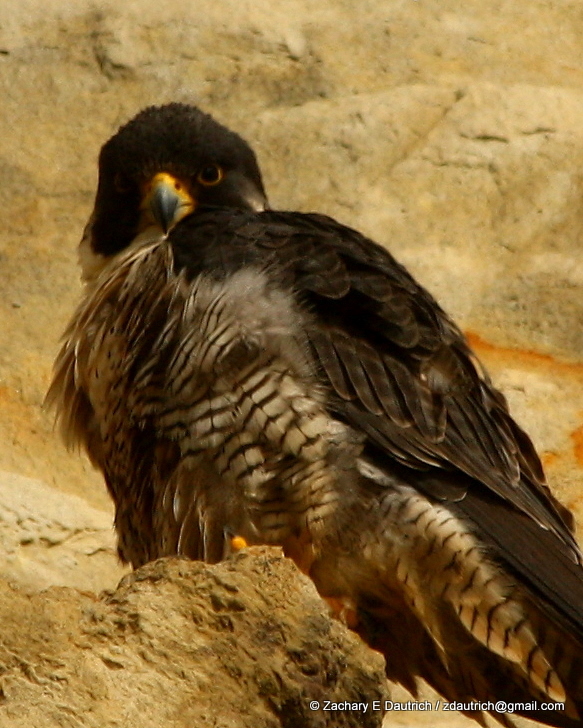
peregrine falcon #1 fluffed and checking me out
tracking in point reyes national seashore
I spent Sunday morning with a tracking club in Point Reyes National Seashore. Heavy rains and wind the night before made it so that not many animals were out and about during the night, and initially I had planned on also being one of those animals not being out and about. I figured there would be little activity, as all the animals were probably feeling the same way I was about the rain … time to hunker down and nest until it passes. But some force woke me early in the morning and pulled me out of bed to see cleared skies and I had to go. The warm bed was soon forgotten once I saw those beautiful sand dunes and the amazing dune grasses that adorn them like a soft pelt of fur, rippling gracefully in the sea breeze. An adult male Northern harrier and a California quail greeted me when I arrived at the Abbott’s Lagoon trailhead to track down the other trackers.
 dunes and dune grasses by Abbott's Lagoon / Pt Reyes National Seashore |
 adult male northern harrier |
 CA quail (male) - Pt Reyes National Seashore |
As suspected, there wasn’t a whole lot of action on the sand dunes from the night before. Usually there is a ridiculous amount of track and sign from coyotes, deer, bobcats, otters, birds, mice, voles, rabbits, etc that had been wandering on or through the dunes during their nightly travels. There was a little bit of river otter activity and a fair amount of coyote track and sign – including an amazing find: a kill sight of a black-tailed deer that the coyotes had taken down the night before. The remains were found up in the dunes, hidden from view on top of some grasses and ice plant.
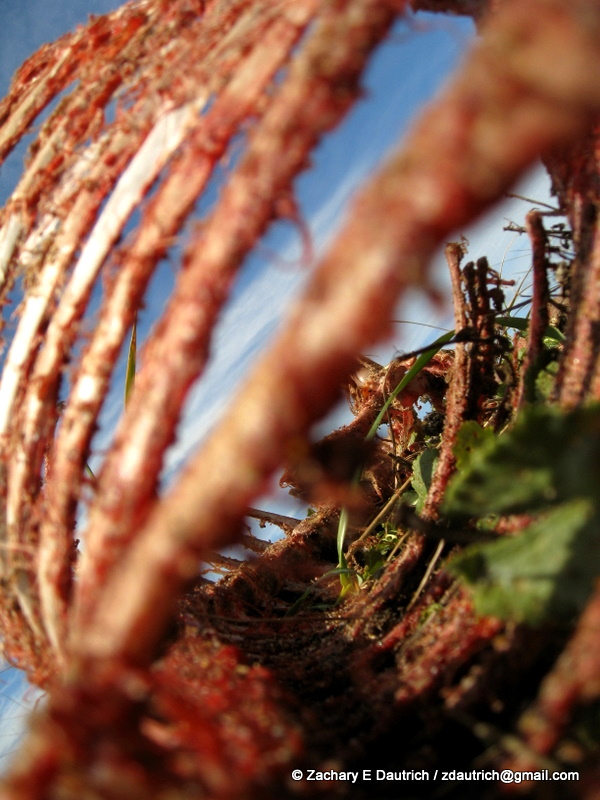
black-tailed deer remains / Pt Reyes National Seashore
What was really amazing was that we were able to see the tracks and sign depicting the entire sequence of events of the deer’s final moments – tracks from the coyotes’ chase, to the deer’s deep desperate last steps in sand, to the place it was taken down, to a spot 10 feet away where the coyotes removed the stomach and bowel contents, to an area 15 feet from that where they began to feed and were there was a large amount of blood in in the sand, to the drag marks that stretched 75 or 100 yards to the dunes – which became the final resting spot of the deer. There wasn’t much left when we found it – it appears it was killed during the night, and vultures had already had their fill in the morning as it was picked clean and their tracks surrounded the remains when we got there. Amazing to think this animal was living, breathing, and walking just 12 or 14 hours previous (at most), and now it lay just a pile of bones, skin, and hooves. Humbling. A good reminder that life is precious, but that in death this animal gave life to so many others.
 black-tailed deer remains from coyote kill / Point Reyes National Seashore |
 site of coyote chase and kill of black-tailed deer / Pt Reyes Nat Seashore |
 coyote drag marks of deer kill from beach to dunes / Pt Reyes National Seashore |
If you are interested in professional tracking services, tracking classes and more, check out the Point Reyes Tracking Services website at http://prts.me/ .
the golden eagles of mount diablo
The MountainThis mountain stands here and it is good There’s sublime comfort in my heart knowing that it is there; This giant – watching, unmoving, steadfast in this place; No matter are the passing priorities of man to this spirit As its peaks rise high above the land Reminding us of greater forces than ourselves So too are its roots below, holding us when we forget This mountain stands here and it is good – ZED |
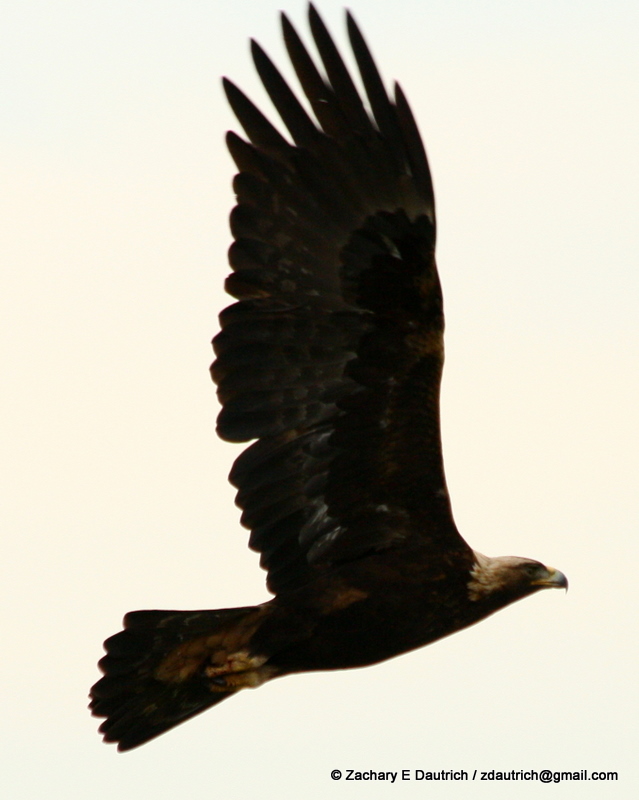 adult golden eagle 01 / Mt Diablo CA |
These past few days have been unreal. It started with a close encounter with some resident great-horned owls in Tilden Regional Park on Thursday evening, the same ones that we had been monitoring with their fledglings last year (see tilden owls 1, tilden owls 2 and tilden owls 3). They seem to know us at this point, lazily gazing down at us as they awaken in the dying light of day.
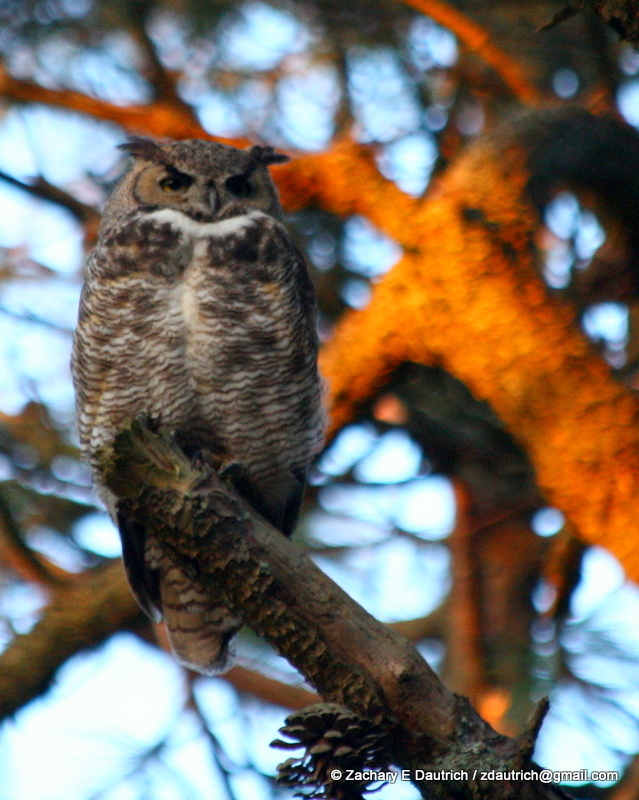
great-horned owl / Tilden Regional Park CA
Then on Friday, I took a trip to Mount Diablo. I’ve been drawn to this mountain as of late. Human matters have given me occasion to be in the vicinity, so I’ve taken some time while there to explore this mighty refuge which stands high above the East Bay. This is the mountain that is considered the place of creation for many native people of the Bay Area, it is a powerful place. Usually when I wander, I don’t have a goal – I let the place lead me to where it may. But on this particular day, I was hoping to find the nesting place of some resident peregrine falcons on the cliffs of the mountain. As is usually the case, the land had ideas of its own about what it would share with me.
As I was leaving my hopes of seeing a peregrine with the more rugged natural area behind me, I entered into some of the open grazing land that wraps some of the high hills and is a familiar site all around the Bay Area. I walked along a cattle trail high up on a hillside that parallels a human path far below, and as I came to the top of that hill to take a drink, rest, and survey the area, I saw it. From behind the next ridge line over, a familiar form lofted up with seemingly no effort to start performing slow, steady circles in the sky.
It was a golden eagle.
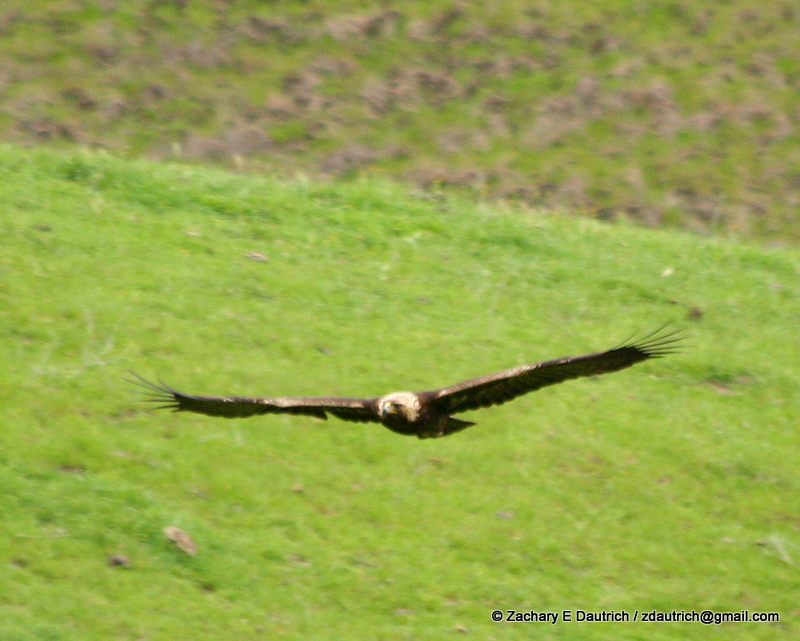
mature golden eagle 02/ Mount Diablo
 mature golden eagle 03 / Mount Diablo |
 mature golden eagle 04 / Mount Diablo |
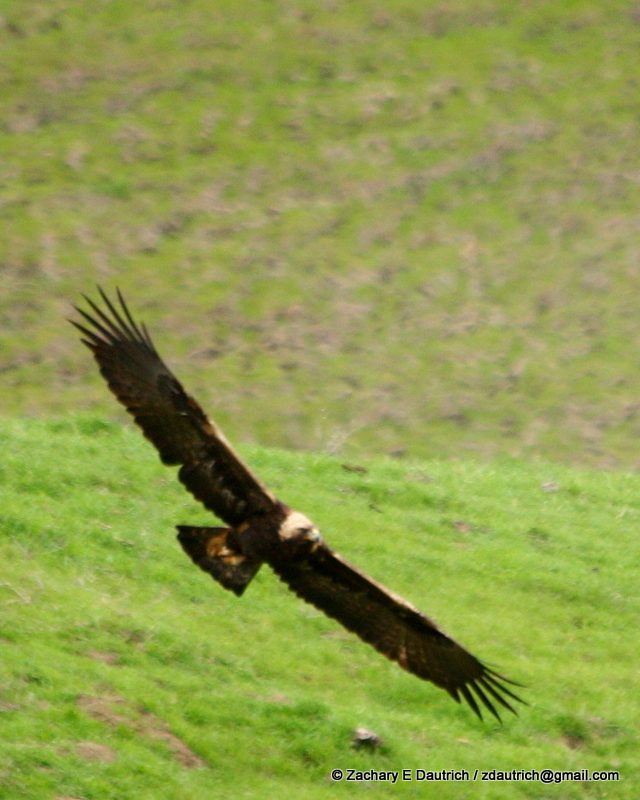 mature golden eagle 05 / Mount Diablo |
After watching this eagle fly higher into the air until it seemed to disappear, I walked down from my current overlook into a saddle leading to the next hill top from where I had seen the eagle materialize. As I started back uphill, my eyes went right to a large valley oak tree at the top of the hill I was climbing, upon which sat another golden eagle! Slowly, reverently, I approached this bird – this creature that embodies the mountain itself. Its presence and awareness are as big as a mountain.
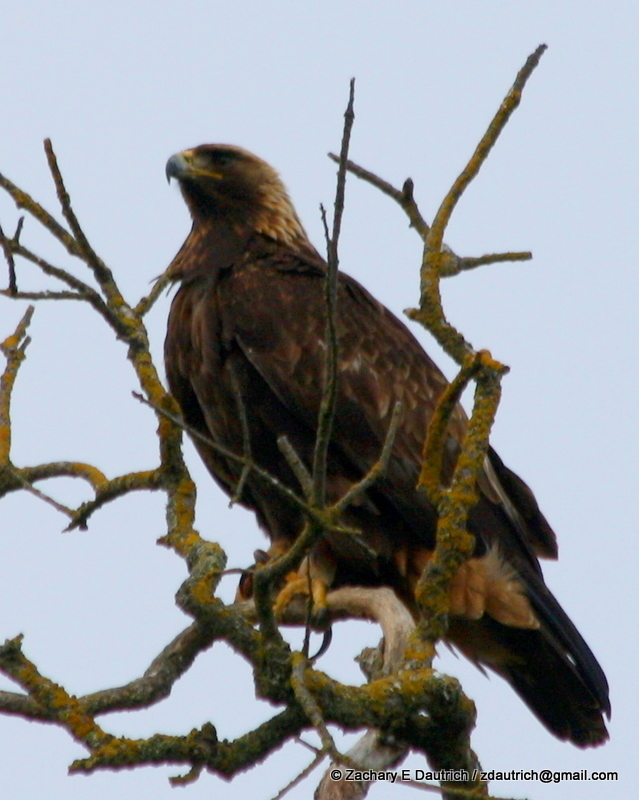
mature golden eagle 06 / Mount Diablo
I always approach birds and other wildlife with respect, carefully looking and sensing for any signs that my presence is creating stress. Sometimes I even put my camera away just to enjoy the experience – recognizing that occasionally the animal does not want to be photographed and is just sharing the interaction with me so I can give it thanks with no distractions. But this was not the case – the eagle continued to preen and survey the surrounding area in a calm matter as I approached within 25 yards, glancing at me only for a few moments from time to time. It seemed to welcome me.
 mature golden eagle 07 / Mount Diablo |
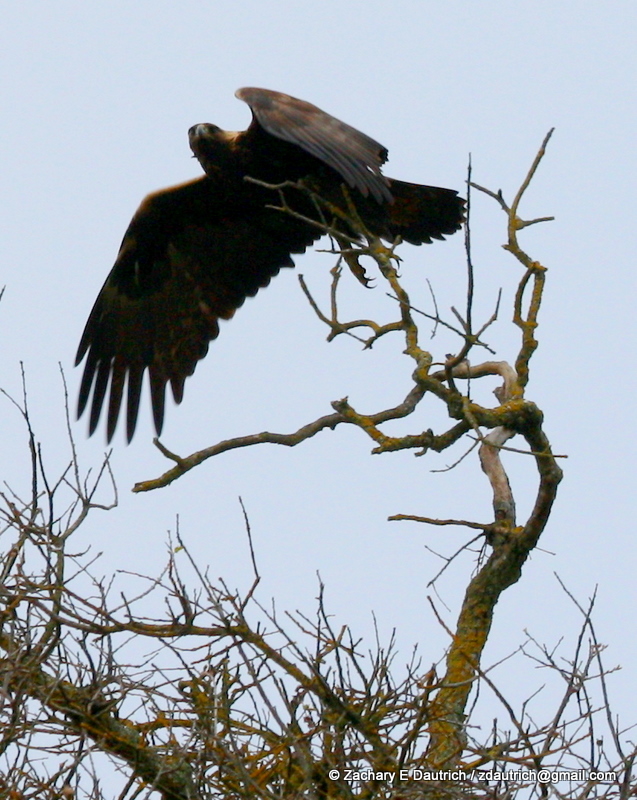 mature golden eagle 08 / Mount Diablo |
 mature golden eagle 09 / Mount Diablo |
After it finished preening, it roused and sliced (“bird-talk” for shook its feathers and pooped), then took off and flew directly over my head and started to soar over the valleys below. As it flew over me, I let the camera fall to my side – it felt as if a great wave went through me as it passed 20 feet above my head. After I composed myself and reflected about what happened, I walked up to the top of the hill to check out the oak tree that it had been sitting in. After a few minutes of checking it out, I looked over to the north and incredulously saw about 40 yards away the other eagle was perched on a power pole, preening. I watched this other eagle for a little while before it finally took off when its mate flew by. The two of them started to soar again over the valleys below, and as one of them started to circle around the valley to gain altitude, it went right by me a number of times giving me incredible views. When it first started to fly up the valley, my heart jumped in my throat as it appeared it was coming right at me. Literally breathtaking.
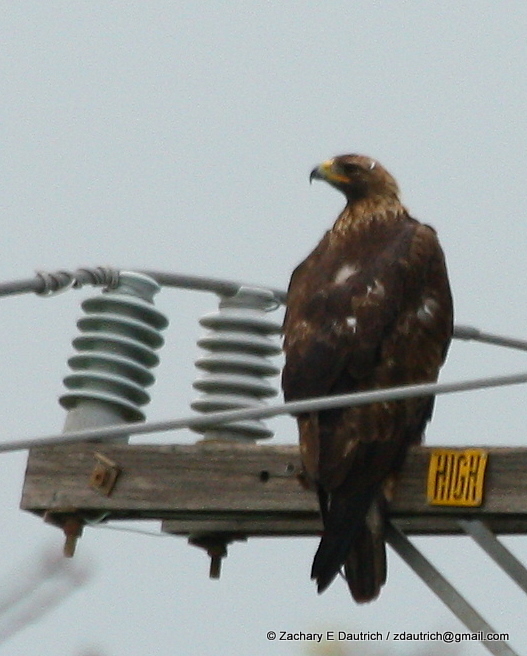 mature golden eagle 10 / Mount Diablo |
 mature golden eagle 11 / Mount Diablo |
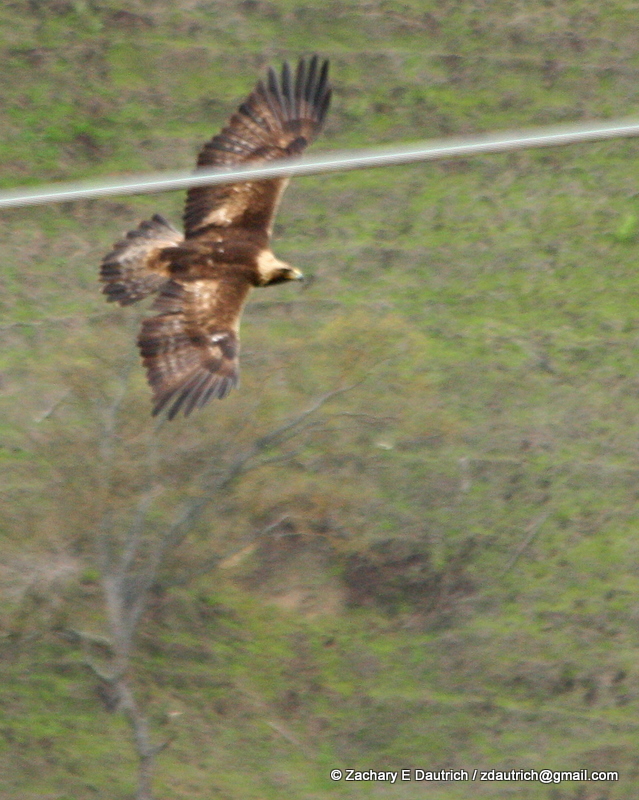 mature golden eagle 12 / Mount Diablo |
Thank you Mount Diablo and all that call it home. Thank you to the people who saved this place from development, to the people who once called this home, and to the people who continue to steward this place. Thank you eagles!

mature golden eagle 13 / Mount Diablo
raptors of the Klamath Basin Feb 2012
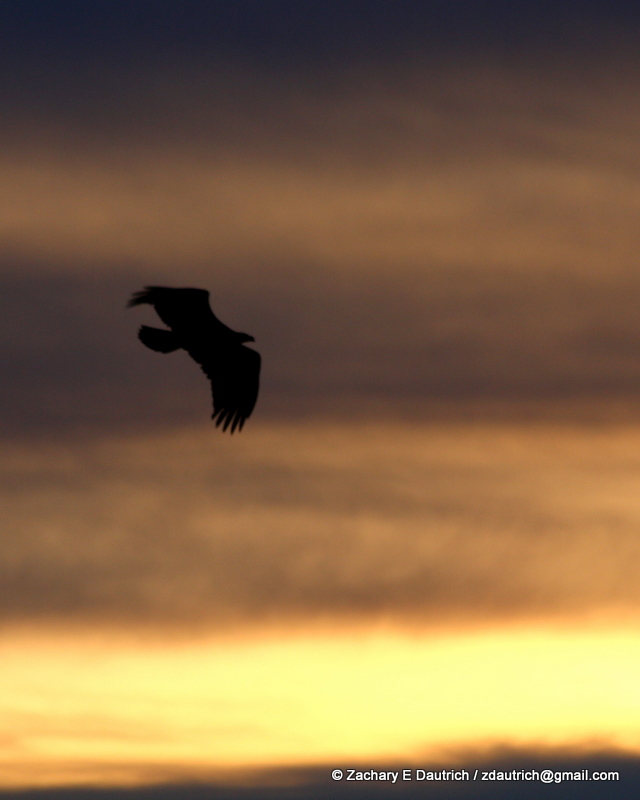
bald eagle sunset Klamath Basin
We saw ridiculous numbers of raptors while in the Klamath Basin area – despite reports that it has been an “off” year for raptor numbers. Every day we were there we would see approximately 200 bald eagles, 50 rough-legged hawks (including light and dark morphs), 10 ferruginous hawks (light and dark morphs), 50 red-tailed hawks (including rufous & dark morphs, plus two Harlan’s), 50 Northern harriers, several kestrels, 5 – 10 golden eagles (including a juvenile golden eagle sitting right next to a juvenile bald eagle on a telephone pole!), a few kestrels, a few short-eared owls, one or two great-horned owls, and on two days we saw a some prairie falcons as well. There was also a peregrine falcon that was roosting right in the town of Klamath Falls. The only birds that we would have eluded us on this trip were the Merlin and the dodo.
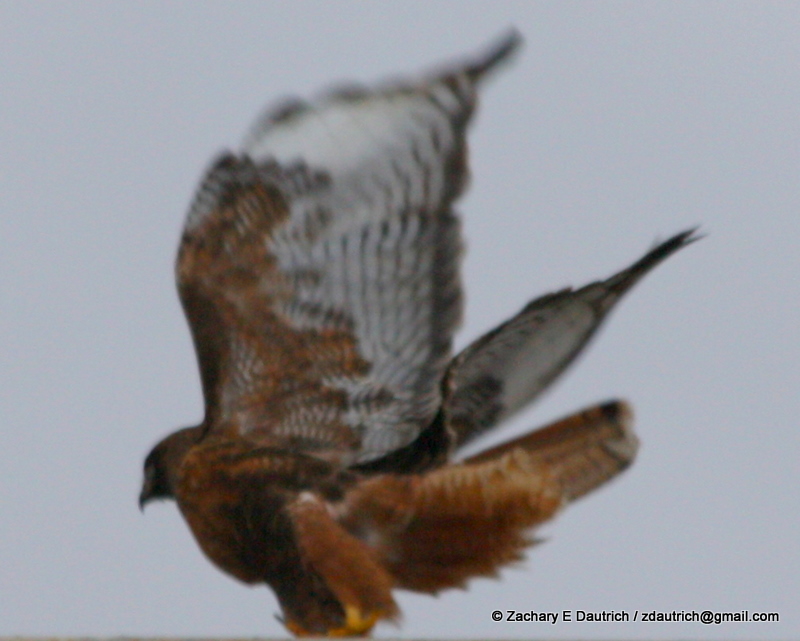
intermediate rufous morph red-tailed hawk Klamath Basin
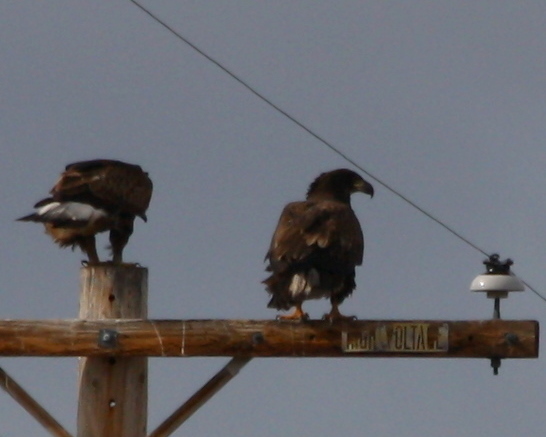 juvenile golden eagle (left) and juvenile bald eagle Butte Valley CA |
 juvenile golden eagle Butte Valley CA |
Lot’s of opportunities to try to age bald eagles, it takes five years for them to get their adult plumage – the familiar white head and tail. Before five years of age they have different feather color patterns that can help indicate how old they are.
 sub-adult bald eagle Butte Valley CA |
 ferruginous hawk Klamath Basin OR |
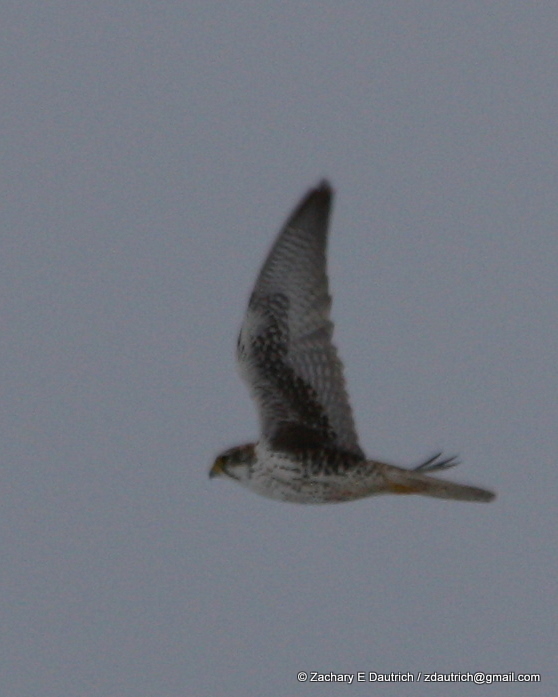 prairie falcon Klamath Basin OR |
 Harlan's red-tailed hawk Tule Lake CA |
 red-tailed hawk shows off the goods to rough-legged hawk Klamath Basin |
 bald eagle in nest Klamath Basin |
This peregrine falcon shown in the first picture below on the left had a HUGE crop, it looked like it was growing a second head! The second picture is a nice comparison of the silhouettes of a buteo (in this case a red-tailed hawk) and a falcon (here a prairie falcon). Soaring hawk that specializes in small mammals and a fast flying falcon that specializes in hunting birds right out of the sky (though they eat small mammals too).
 peregrine falcon Klamath Falls, OR |
 red-tailed hawk (L) and prairie falcon Klamath Basin |
 adult bald eagle Klamath Basin |
Though not a raptor, it was fun to see all of the ravens and crows that were flying around in the midst of all these raptors. It was typical to see ravens side-by-side with bald eagles eating a waterfowl kill. We also got a nice look at some tri-colored black birds.
 diving raven Klamath Basin |
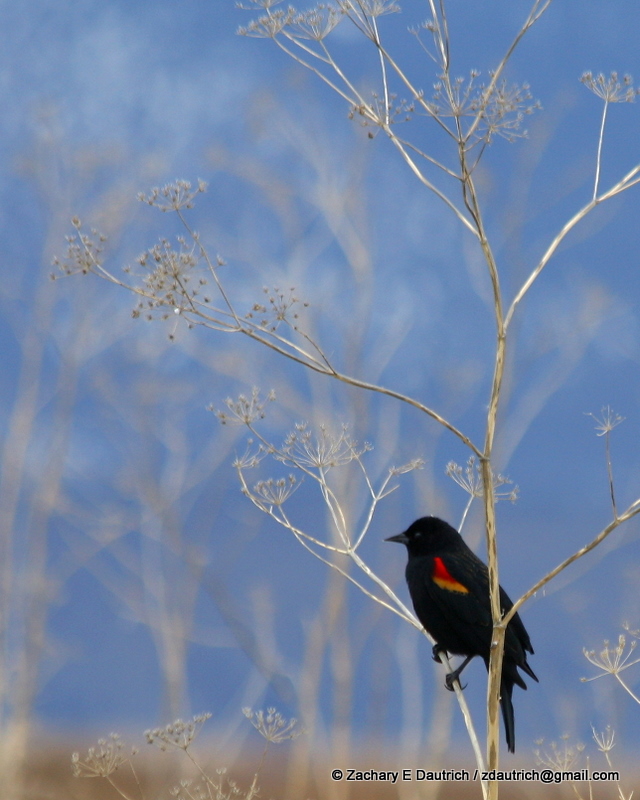 tri-colored blackbird Klamath Basin |
Again, special thanks to Larry Broderick of West County Hawk Watch for sharing his vast knowledge, keen eye, and expert raptor identification skills with us on this adventure, as well as for making this trip possible.
klamath basin Feb 2012
The Klamath Basin, situated at the border between Oregon and Northern California and home to the Klamath Basin National Wildlife Refuge Complex, is a watery oasis for millions of birds each year. Though the huge density of raptors and bald eagles that spend the winter here was the incentive for me to check it out (the largest density of bald eagles in the lower 48), I was also overwhelmed by the sheer numbers of waterfowl that inhabit this place as well as the topography of the land. There are certain places – the Grand Canyon, Yosemite National Park, Niagara Falls – that simply instill an awe beyond which words are capable of expressing. Though not as drastic as some of these other sights, standing in the flat plains which are a mix of wetland, agriculture, swamp, and lakes, I felt transported to another time. I would not have been surprised to see a Mastodon stride out from the tule reeds after wallowing in the shallows for a bath. In addition to coming upon fields where sometimes we would see over 40 bald eagles sitting on the ground with at least four other species of raptors nearby, there were moments when literally THOUSANDS of geese would lift off into the sky at one time, from a distance appearing as dense as a swarm of mosquitoes. This spectacle with a backdrop of a sharply rising hills and mountains all around, and snow covered volcanoes including Mt Shasta in the distance, made the scene unforgettable.
 Lower Klamath Basin National Wildlife Refuge & Mt Shasta |
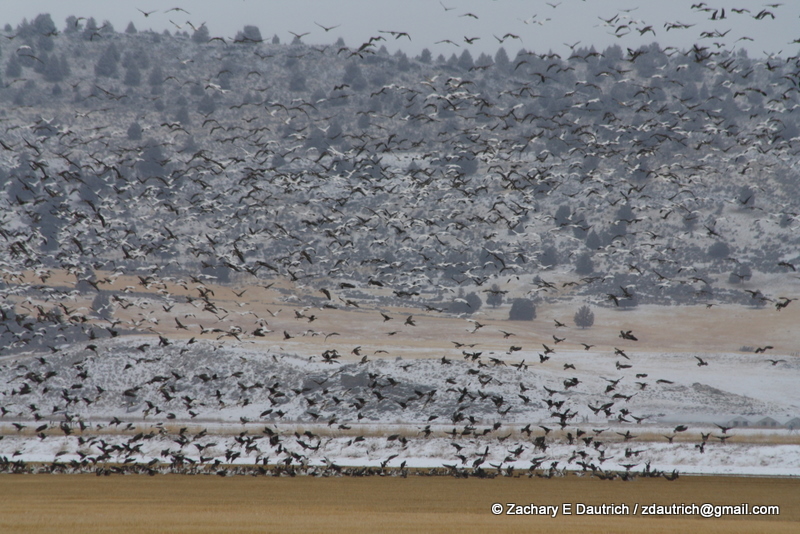 huge flock of geese/swans |
 Lower Klamath Basin NWR - flocks of geese/swans |
This place has a lot of history, both pre and post human occupation, and I could spend a lifetime here exploring all the place has to offer. So many ecosystems, diverse and abundant wildlife, amazing geology and varied terrain, rich human history – and a lot of potential for this to be a great example of sustainable coexistence between nature, agriculture, hunting, eco-tourism, birding, and more. Located along the Cascade Range of volcanoes, the area has a fiery geological past (evidence of which is seen prolifically in the nearby Lava Beds National Monument) followed by an era at the end of the last ice age when much of this area was under water, forming a lake called Lake Modoc. The volcanoes in the Cascade Range are part of the Pacific Ring of Fire, hosting the Earth’s most active seismic and volcanic regions. Here in the United States this includes Mount St Helens and Mount Lassen, both of which have erupted in the last 100 years.
In more recent times (the last 10,000 years), Lake Modoc receded to become Upper Klamath Lake, Lower Klamath Lake, and Tule Lake. This wet ecosystem, sometimes called “Everglades West,” is part of the Pacific Coast Flyway, the migration route that millions of birds use annually (estimates are that 80% of birds on the Pacific Coast Flyway use this area as a stop-off during their journeys). And where there is prey, there are always sure to be large number of predators not far behind …
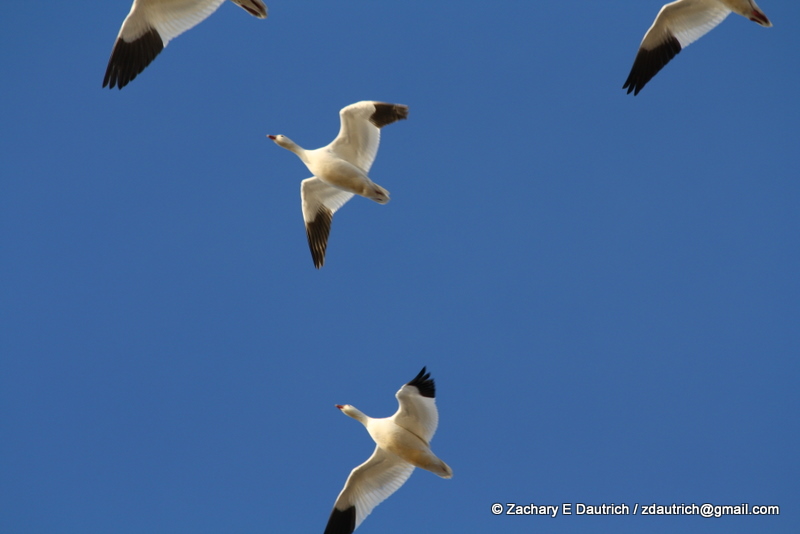
Klamath Basin snow geese
 Klamath Basin rough-legged hawk |
 Klamath Basin tundra swans |
 Klamath Basin white-fronted geese |
The first people on this land were the predecessors of the present day tribes that call this area home, the Klamath, Modoc, and Yahooshkin people. Their ancestors are the ones who most likely paddled out to carve petroglyphs into the rocks at Petroglyph Point (part of Lava Beds National Monument) – at one time an island in the now much-recessed Tule Lake – and painted the caves and lava tubes around the area. Since the occupation by non-Natives in the 1800’s, this area was know for logging, but recently it has become more of a farming, ranching, hunting, birding and tourist economy.
 view from Petroglyph Point Lava Beds Nat Mon |
 view from Petroglyph Point Lava Beds Nat Mon |
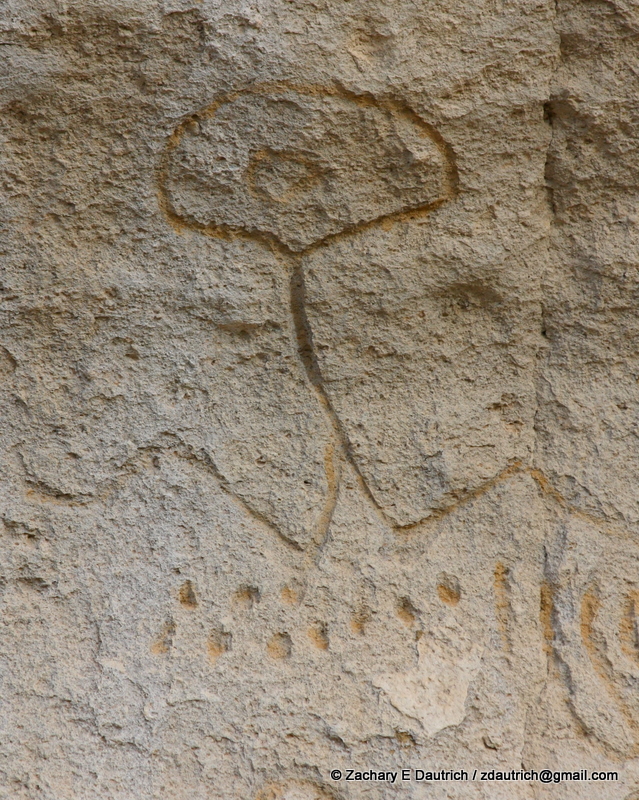 petroglyphs Lava Beds Nat Mon |
The area’s recent human history and current issues are almost as volatile as its volcanic origins. The story of how Natives were displaced here follows the same sad and confusing story line as that from most of the United States – except with an interesting twist. When the Modoc were pushed onto reservation land, a rebellion by some of them ensued and it started the Modoc War of 1872-73. The Natives, lead by Captain Jack (Kintpuash), managed to sustain a guerrilla war on the U.S. military for over a year using the lava beds and lava tubes as a defense and a way to launch sneak attacks. Although they ultimately succumbed to a military that was bigger and better armed, there were casualties on both sides, including the death of a U.S. General (GEN Edward Canby) at the hands of Captain Jack.
 Mount Shasta sunset |

|
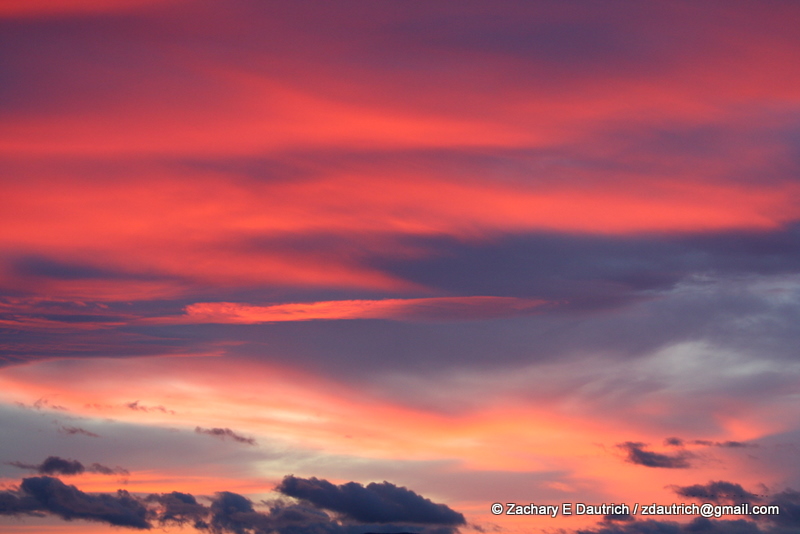 sunset from Petroglyph Point |
Recently there has been a lot of conflict between people trying to find a balance between ecological conservation, water rights, agriculture, hunting, wildlife preservation, logging, Native Peoples’ rights, and the salmon restoration. To look at this in a positive way, it’s the breadth of varied interests that are trying to coexist here that creates the beautiful potential for a reproducible example of how everyone can be creative and find a way to all live together in a manner that is sustainable for everyone and the Earth. Perhaps the pathway to those answers that they find here can be an example for other places in the United States and around the world.
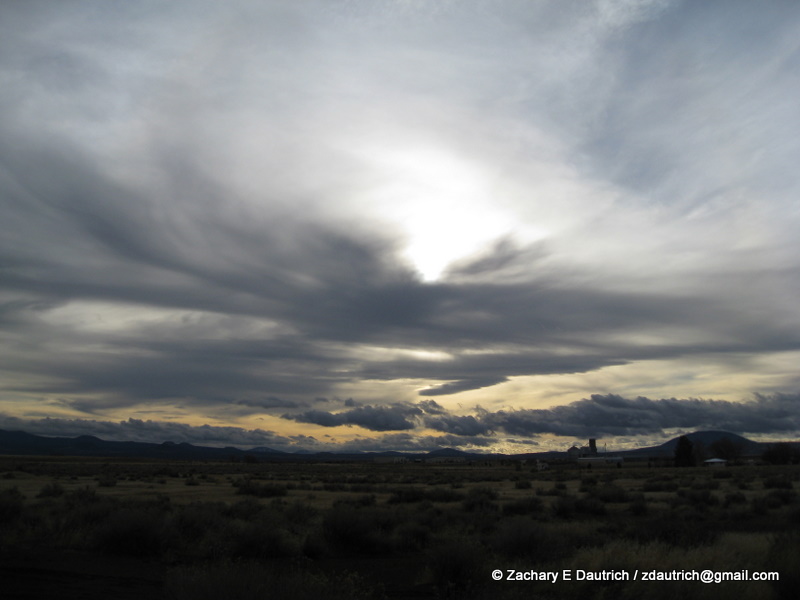
setting sun over high desert, view from Petroglyph Point
I’m thankful for having gotten to spend time here and am excited to return soon – many thanks to the people of Klamath Falls and the greater area for their hospitality and kindness. I look forward to returning and seeing the Klamath Basin fields, skies and waters filled with the sound and activity of abundant wildlife, and the city of Klamath Falls prospering, empty storefronts filled and people walking on the streets with smiles on their faces.
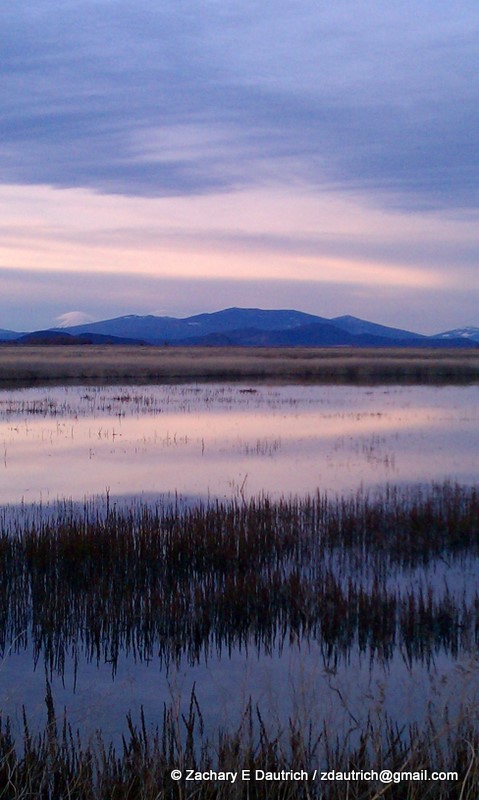
Lower Klamath Wildlife Refuge w Mt McLoughlin volcano in background
Again, special thanks to Larry Broderick of West County Hawk Watch for sharing his vast knowledge, keen eye, and expert raptor identification skills with us on this adventure, as well as for making this trip possible.
“Call me Ishmael” (quest for the white eagle)
“Some years ago — never mind how long precisely — having little or no money in my purse, and nothing particular to interest me on shore, I thought I would sail about a little and see the watery part of the world. It is a way I have of driving off the spleen and regulating the circulation. Whenever I find myself growing grim about the mouth; whenever it is a damp, drizzly November in my soul; whenever I find myself involuntarily pausing before coffin warehouses, and bringing up the rear of every funeral I meet; and especially whenever my hypos get such an upper hand of me, that it requires a strong moral principle to prevent me from deliberately stepping into the street, and methodically knocking people’s hats off—then, I account it high time to get to sea as soon as I can. This is my substitute for pistol and ball. With a philosophical flourish Cato throws himself upon his sword; I quietly take to the ship.”
– Opening paragraph from Moby Dick by Herman Melville
It isn’t upon a ship by which I seek to clear the cobwebs from my spirit and soul, but rather wandering through these beautiful lands that we live, often looking up to the feathered ones knowing my troubles fall away to the Earth as the rest of me is swept up watching their dance on invisible pathways in the sky.
With my friend Captain Larry “Ahab” Broderick of West County Hawk Watch – “the raptor magnet” – at the helm, we and the rest of our crew were lucky enough to catch a glimpse of the white whale, er, eagle. This last weekend we attended the Winter Wings Festival in Klamath Falls, OR, to see the largest density of bald eagles together in one place in the lower 48 states. And to add to the spectacle, we were blessed to see one of only two known leucistic (also called dilute plumage) bald eagles in North America.

leucistic bald eagle (aka dilute plumage)
Most adult bald eagles have the distinctive white head and tail in contrast to a very dark brown body that makes it very easy to recognize – this bird has the typical white head and tail, but its entire body and wings are covered with white and light brown feathers making it appear almost all white.
Below you can see the difference, during our first sighting the bird landed in a field and was joined by another adult bald eagle with typical plumage. We also are surmising that the light bird is a male, based on the fact that it is quite a bit smaller than the other eagle – that and it’s been heard said among the lady eagles in the area that it often leaves the toilet seat up.
 leucistic bald eagle perched |
 leucistic and standard plumage bald eagles |
 leucistic bald eagle in flight |
We actually were able to find the bird on two consecutive days, and the second day we got some really good looks at it both perched and in flight. When it took off, it flew to the South and then circled back to go over our heads, finally alighting on a pine tree by a farm house in the distance to continue its brooding in solitude.
Amazingly beautiful bird.
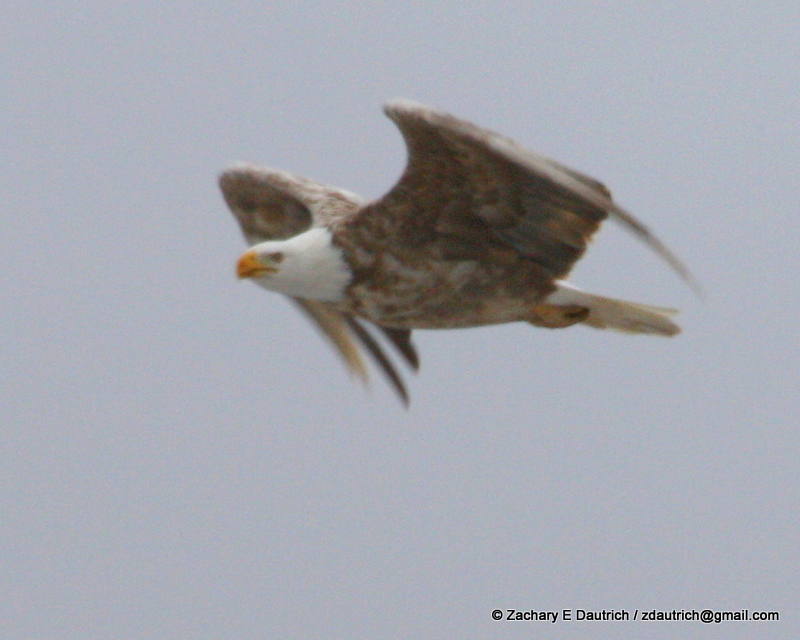
leucistic bald eagle in flight
Special thanks to Larry Broderick of West County Hawk Watch for sharing his vast knowledge, keen eye, and expert raptor identification skills with us on this adventure, as well as for making this trip possible.
coastal cliffside peregrine falcon nest NorCal
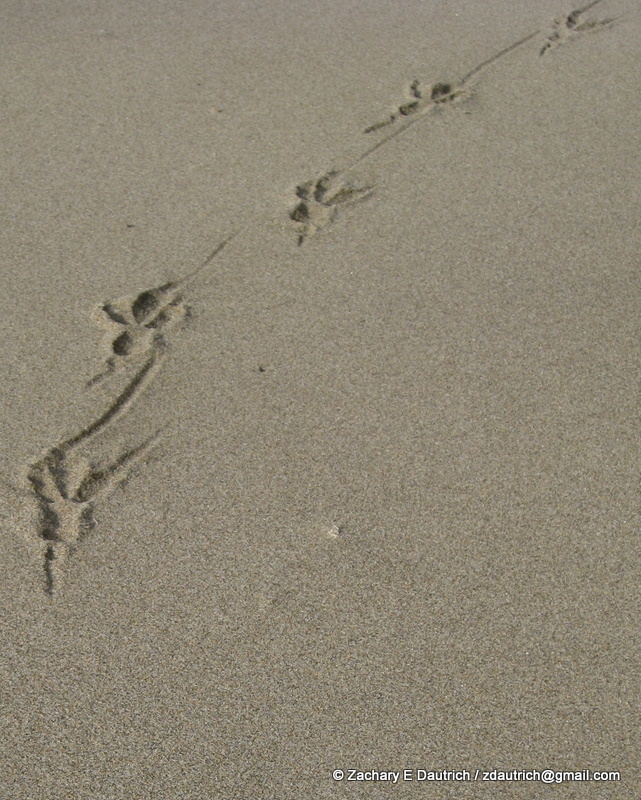
raven tracks / Pt Reyes National Seashore Jan 2012
Wandering along the cliff-lined beaches a few hours north of San Franciso, we were excited to see recessed into a small opening on the side of a sandstone cliff a peregrine falcon nest. I’ve had the pleasure of spending time at nests in more urban environments, but there is something special about seeing one in a more “wild” setting. Peregrines typically nest on cliffs, so skyscrapers make a nice substitute. Plus there are a LOT of pigeons for them to hunt in the city. But the shore line and coastal sage scrub prairies harbor lots of food for them as well.
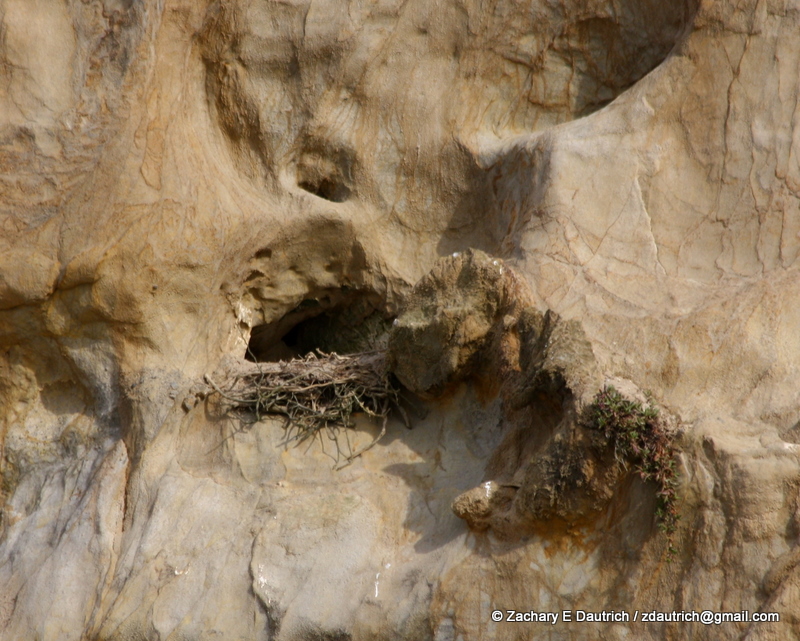
peregrine falcon nest / Pt Reyes National Seashore Jan 2012
Suddenly from the south I heard the unmistakable call of an agitated peregrine, cruising in towards us … presumably vocalizing to usher away a red-tailed hawk who had ventured too close to the nest area.
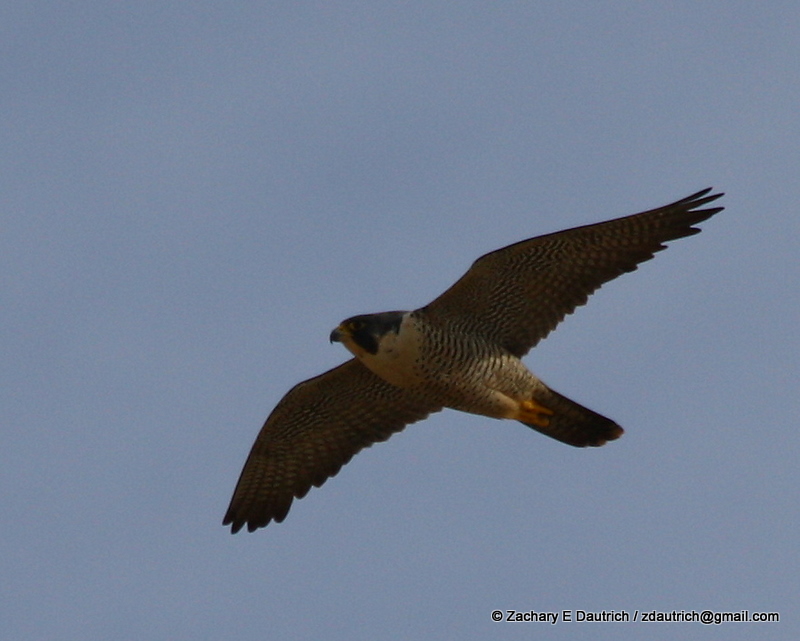
|
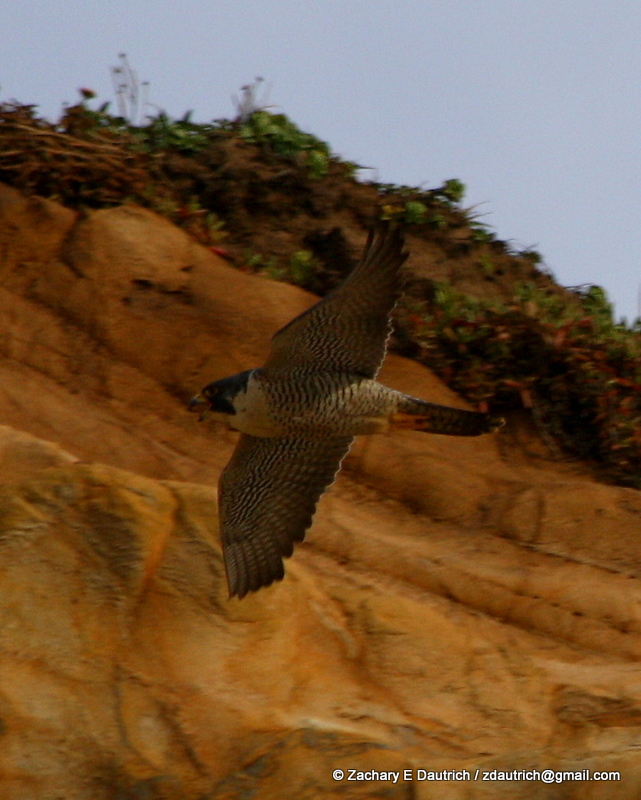 peregrine falcon image 2 / Northern CA coast Jan 2012 |
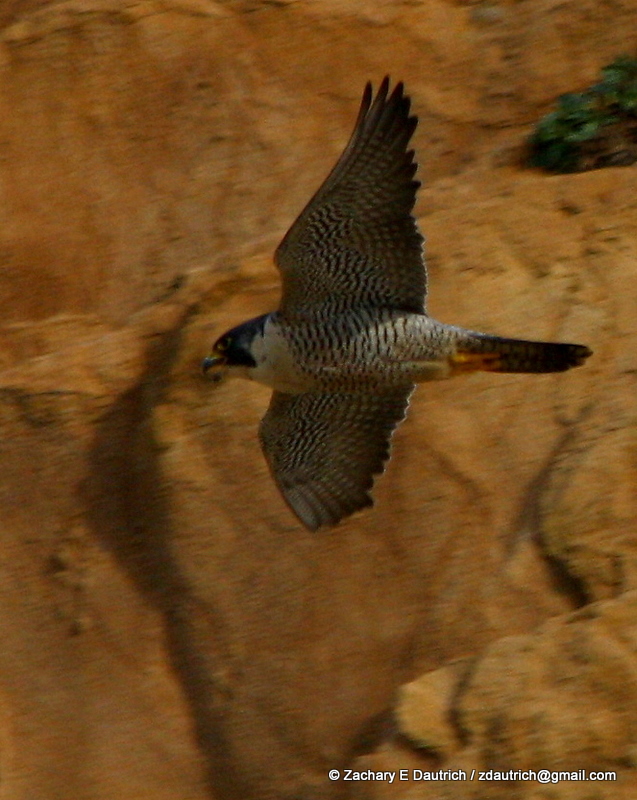 peregrine falcon image 3 / Northern CA coast Jan 2012 |
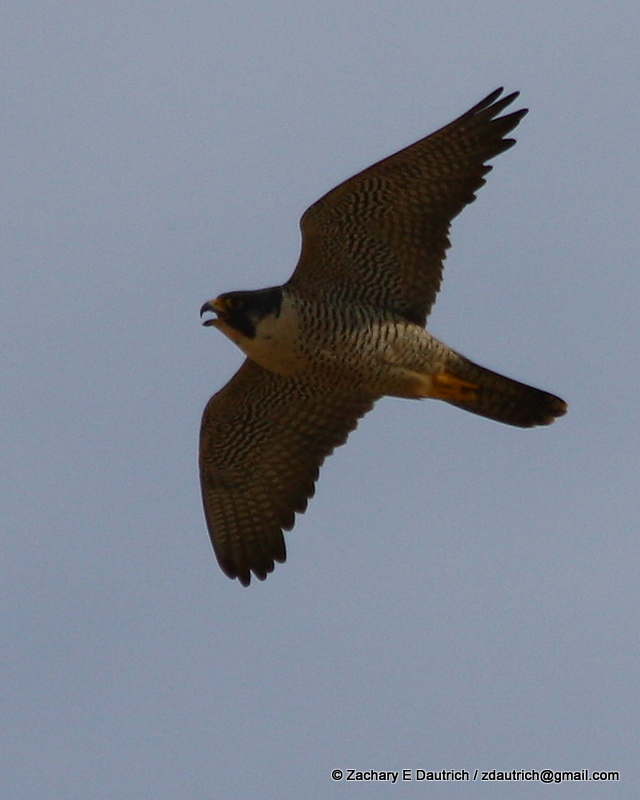
peregrine falcon image 4 / Northern CA coast Jan 2012
Not long after, it’s mate (the larger female) swooped in to join him perched on the cliff. Many of the raptors are now doing mating rituals and mating, and this unusually warm winter with little rain seems to be speeding up the schedule. Hopefully the nest will be full of eggs soon! Amazingly beautiful birds.
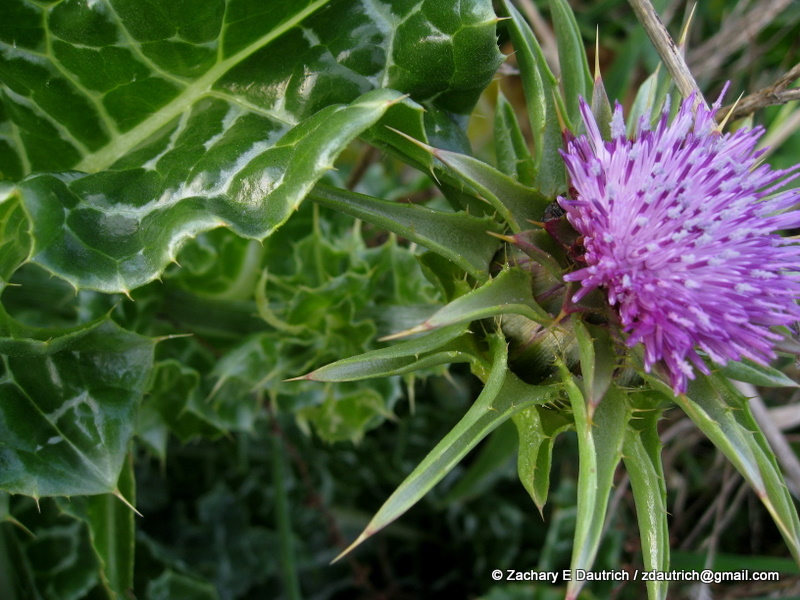 milk thistle bloom / Northern CA coast Jan 2012 |
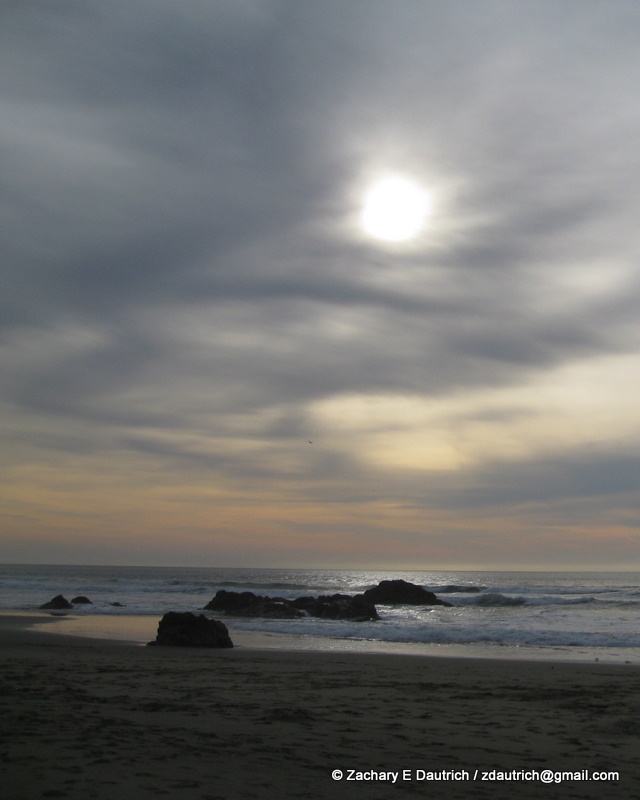 late afternoon sun n surf / Northern CA coast Jan 2012 |
Pt Reyes National Seashore pt 2 – shark attack mystery!
WARNING – this blog has some pictures that might be disturbing to some viewers. Death is part of the natural world. But the pictures are intriguing, so read on!
After a morning of tracking on the land of the elk, we headed south to another area to check out some of the beaches. Laying on the beach was a not-long-dead female elephant seal that appeared to have been killed by a shark. I’m guessing great white shark based on the size of bites on this large seal, and because there are a lot of them along this coast, an area know as “the red triangle” due to its density of great whites. In the winter time this is part of their breeding grounds. Also, the sign at the entrance to the beach indicating that they were baiting and tagging great whites in the area during Dec and Jan. NOT my first choice for surfing.

shark warning sign posted at beach trailhead / Pt Reyes National Seashore Jan 2012
It was pretty intense to see – the blood had not yet fully coagulated and there was no smell from the carcass. There were a fair number of gull tracks around it and gulls were actively feeding on the carcass, but not a lot of tracks to indicate it had been there for more than a day. I’m thinking that it washed up on the last high tide, as it was resting by the last high tide mark – we were there around 3p and it appears last high tide was in the morning around 6:30a. None of the tracks were around it that one would expect from the night shift (coyotes, etc).
Tide prediction info for Pt Reyes:
01/29/2011 Sat 12:32AM LST 3.0 L 06:31AM LST 6.2 H 02:03PM LST -0.3 L 08:56PM LST 4.5 H
My boots are a size 10 1/2, one of which I placed in the frame for scale. You can see on the photos that the seal appears to have multiple LARGE bite marks that look very shark-like on its body. One of the snaps you can see shredding on the skin like – well, shark teeth had raked through it! The one that was easily measurable looked like at least a 14″ bite, some on the belly looked like they could have been bigger.

female elephant seal - with shark bites? / Pt Reyes National Seashore Jan 2012
 apparent shark bite on female elephant seal #1 / Pt Reyes National Seashore Jan 2012 |
 apparent shark bite on female elephant seal #2 / Pt Reyes National Seashore Jan 2012 |
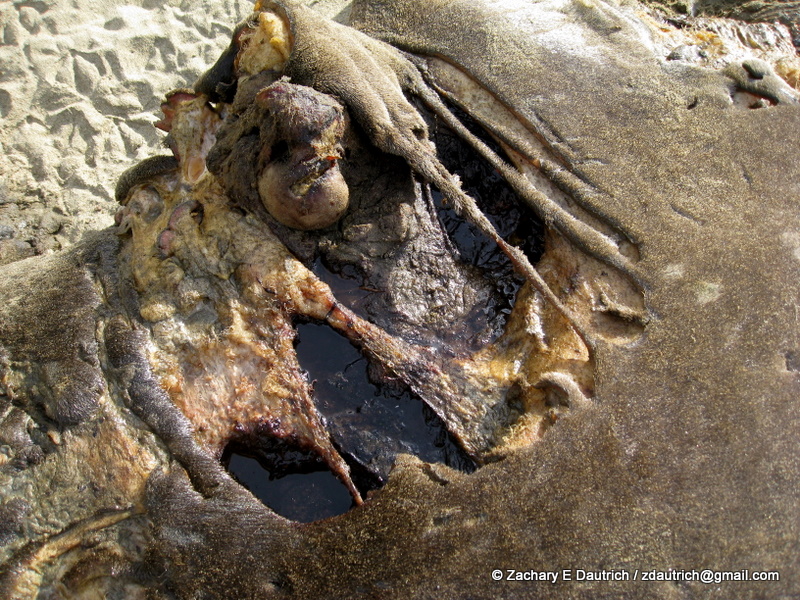 apparent shark bite on female elephant seal / Pt Reyes National Seashore Jan 2012 |
One mystery was that its skull was missing. It’s head was still there, as if a hood made of skin, but no skull. Also, it’s curious that more of it wasn’t eaten while it was in the ocean. Could other elephant seals have made an attempt at defending it? Also, there were no vultures feeding on it, though they were around in the sky in the general area. Same with ravens. There didn’t seem to be any vulture tracks around it, or raven tracks nearby (though perhaps they were obliterated by gull tracks). Why weren’t they feeding? Had they already had their fill? Was it too fresh that they didn’t smell it yet due to slight preservation from salt water? Tainted? Interesting questions.
I also wonder if the four surfers that we saw leaving the beach area had read the sign about great whites, or seen the shark-bite-ridden carcass. Perhaps there were five surfers when they first arrived …
Pt Reyes National Seashore pt 1 – elk and badger show
Any day at Pt Reyes National Seashore is a good day. So it was on Sunday.
This day started with some friends at a tracking club at Tomales Point, the place where in 1978 native Tule elk were reintroduced onto the land. The cold wind belied the sun that would eventually heat up the land to feel like a day in April, not the end of January. As the elk (aka wapiti) have grown in numbers, so has the success of the native plants and the entire coastal sage scrub ecosystem where they live. Because the elk are separated from the dairy ranch land to the south by a fence, it’s easy to see the stark difference between the land where dairy cows roam versus where the elk roam. Whereas the cows depend on non-native annual grasses for grazing, leading to the typical closely cropped pastureland with little vegetative variety, the elk’s feeding habits compliment the coastal sage scrub ecosystem and promote biological diversity. In the 30 plus years since their reintroduction the landscape has come alive, a lot of it now covered in low growing scrubby plants and bushes that provide habitat for creatures of all sizes. The dairy ranch land does however provide a lot of habitat for gophers, voles and other small mammals, making it a feasting ground for raptors and other predators like coyotes and bobcats.
And I do like cheese. On my pizza. So it’d be nice to make space for both cows and elk.
Last time that I had been to the area was in October (the elk pictures below are from October 2011) – it was during the mating season when the big males are protectively herding their harems of females away from rival males, with whom sometimes they clash with their giant horns. That time of year they are also bellowing out their haunting whale-song-like calls, a sound that reverberates across the landscape and instantly emphasizes being in the presence of wild giants. I feel instantly transported to an ice age meadow with giant elk, mastodons, and wooly rhinos meandering around. How they hold their heads up with such adornments on top is mind-boggling. And a testament to their strength. They are one of the largest deer in the world.
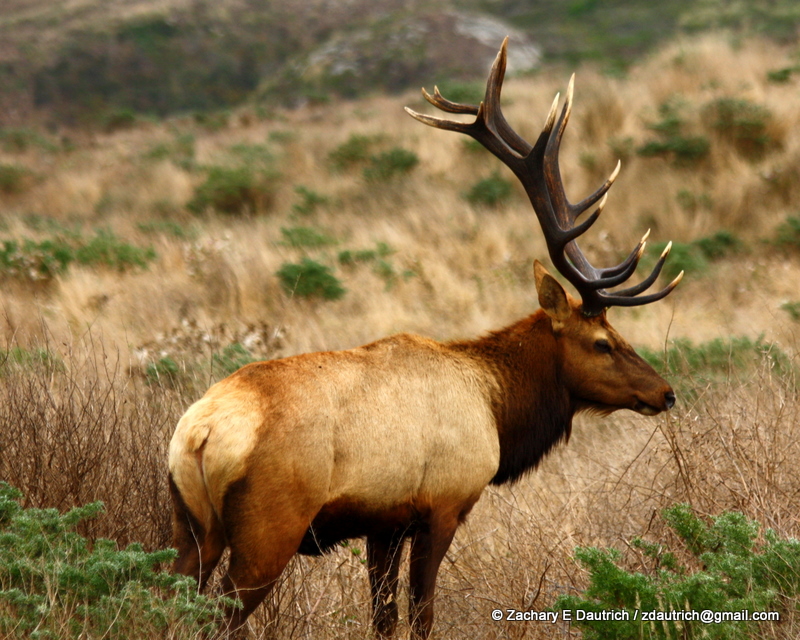
bull elk Oct 2011 / Pt Reyes National Seashore
That day in October the elk came very close to me and I was able to watch them for a long time. As the males were playing the rut game, females with young were taking good care of their “little” ones.
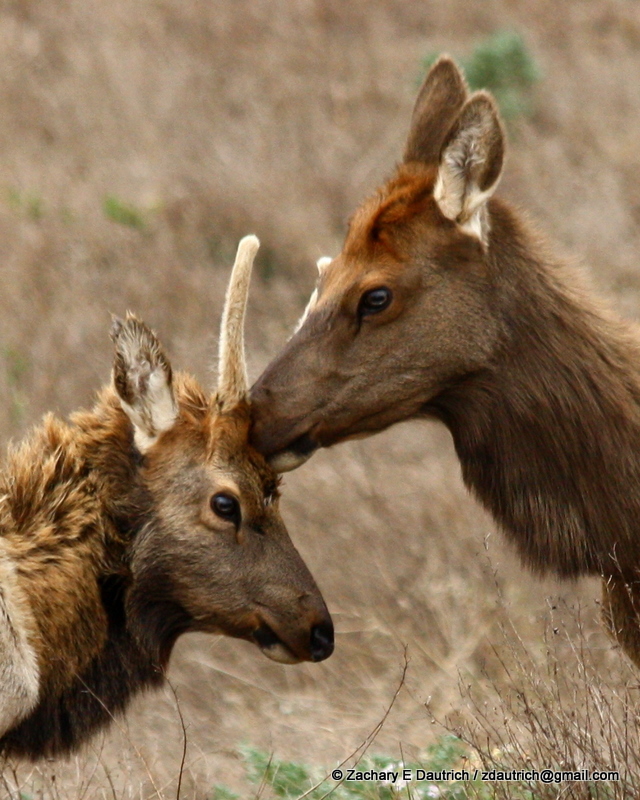 female grooming young male elk / Pt Reyes National Seashore Oct 2011 |
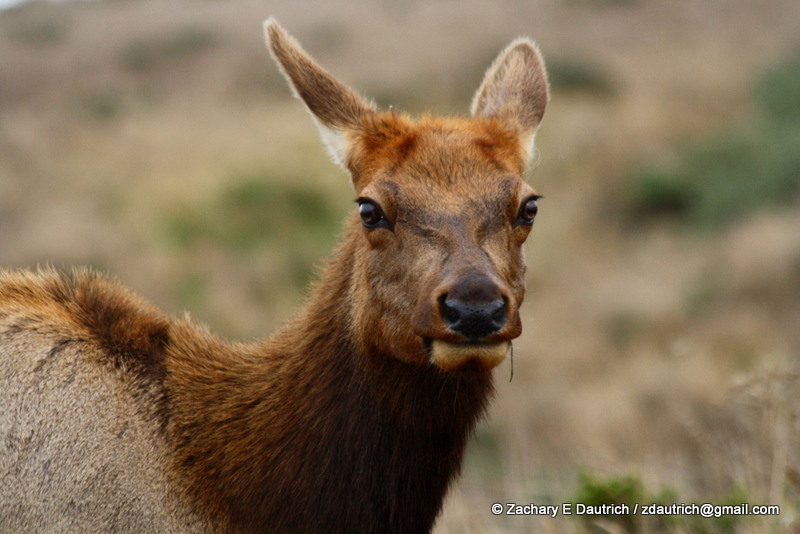 female elk / Pt Reyes National Seashore Oct 2011 |
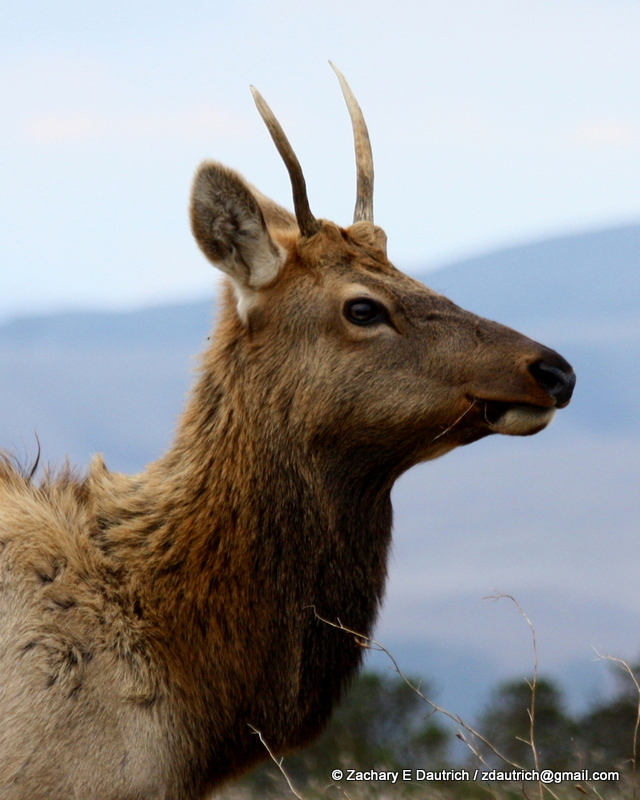 juvenile male elk / Pt Reyes National Seashore Oct 2011 |
But this day was not about the elk, it seemed. Their tracks and sign was everywhere, but it seemed that the high energy of the rutting season was behind us and the herds lingered in a seemingly relaxed manner far from the roads and people. Instead, our attention was drawn almost immediately to a large amount of badger sign, including recent digs and burrows complete with a few fairly clear badger tracks. No badger sightings, but it’s exciting to know that they are there. The fresh dirt around the burrows/digs also made great substrate to see other tracks from creatures such as gray foxes, bobcats, and coyotes which had come to investigate the holes.
The search goes on for a sighting of a wild badger, long-tailed weasel and mountain lion (I’d settle for seeing them separately, I suppose) …
 feralzach